
Ready to use
A stick of margarine with a clean slice cut away, revealing the pale yellow interior.
Shows the product in its most common consumer form — a firm block or stick ready to measure and use — so readers instantly recognize what they are buying.
Oils & Fats
Margarine
Vegetable-oil butter substitute used for spreading, baking, and frying.
Margarine is a spreadable fat made from emulsified vegetable oils, created as a butter substitute. It is used for spreading on bread, creaming into cakes, and frying, and is common where butter is costly. Brands like Blue Band and lighter halvarine versions vary in fat content and water.
Margarine is a water-in-oil emulsion of vegetable oils, water, and emulsifiers, formulated to mimic butter's functionality at a lower cost and with a longer shelf life. Its invention in 1869 by French chemist Hippolyte Mège-Mouriès addressed Napoleon III's need for a stable butter alternative for the French army. Modern margarine is typically made from hydrogenated or interesterified soybean, canola, palm, sunflower, corn, or coconut oils, with standard formulations containing about 80% fat—the same as butter—alongside salt, colorants, and preservatives.
Margarine's role in baking and cooking depends heavily on its water content and fat solidity. The water creates steam during baking, contributing to lift and flakiness, while the fat coats flour proteins to inhibit gluten development, resulting in tender crumb structure. Stick margarine's firm texture makes it suitable for laminated doughs and pie crusts where solid fat layers create steam during baking. Tub and spreadable margarines, with their higher water content and softer texture, perform adequately for spreading and general cooking but yield disappointing results in flaky pastries. Understanding these functional differences is essential for matching the right margarine type to the intended application.
The trans-fat controversy of the 2000s fundamentally reshaped margarine formulation. Partially hydrogenated oils—which created artificial trans fats—have been largely replaced by interesterification and tropical oil bases like palm and coconut. Today, most standard supermarket margarines are vegan and trans-fat free, though reading labels remains prudent for those avoiding specific oils or additives.
- Measured in
- g
- Storage
- Fridge
Types & varieties
Firm, 80% fat. Holds shape well; ideal for flaky pastry, pie crusts, and when solid fat is needed for lamination.
Softer, slightly higher water content. Good for spreading and general cooking; not recommended where butter flaky layers are needed.
Refrigerator-soft; often blended with liquid oils. Convenient for bread but variable for baking.
Specifically formulated with higher melting point and less water; produces tender, flaky results in pastries and cookies.
Aerated with nitrogen; lighter texture, lower density. Measure by weight, not volume, in baking.
40–60% fat; higher water content makes it unreliable for most baking and frying.
Higher fat (80–84%), often with better flavor profiles; some use butter or milk for taste. Texture is often more spreadable at room temperature.
Made without any animal-derived ingredients; some include olive oil or avocado oil for flavor.
Solid at room temperature without hydrogenation; trans-fat free; used in some clean-label brands.
Matching Margarine to Method
The single most common mistake home bakers make with margarine is using the wrong type for the recipe. Butter and margarine function through water content and fat solidity, and substitutions fail when these properties are mismatched. For pie crusts and laminated pastries like croissants or palmiers, only stick margarine or block-style baking margarine will produce the desired flaky layers—tub margarine's higher water content creates steam inconsistently, resulting in tough, dense crusts. When creaming with sugar for cookies or cakes, ensure the margarine is genuinely softened to 65–68°F; cold margarine won't trap air properly, and melted margarine won't cream at all. For recipes calling for melted butter, melted margarine works fine, but recognize that the reverse is not true—solid fat requirements cannot be met by melted butter.
- Pie crusts and puff pastry: stick or baking margarine only
- Cookie creaming: softened stick margarine
- Quick breads and moist cookies: melted margarine acceptable
- Frostings and buttercream: any margarine; neutral flavor is an asset
Trans Fats and Reformulation
The margarine industry underwent major reformulation following research linking partially hydrogenated oils to cardiovascular harm. Modern margarines achieve solidity through three main methods: full hydrogenation (produces very saturated fat but no trans fats), interesterification (chemically rearranges fatty acids), and tropical oil bases (palm or coconut oil, naturally solid). For clean-label cooking, check ingredient lists for 'partially hydrogenated'—this indicates residual trans fats. Many premium and European-style margarines now use palm or coconut oil for a simpler ingredient profile. If avoiding saturated fat is a concern, note that tropical oil-based margarines are high in saturated fat despite being trans-fat free.
- Avoid any margarine listing 'partially hydrogenated' oil
- Interesterified and tropical oil margarines are trans-fat free
- Palm/coconut oil bases are saturated fat sources despite plant origins
- European-style margarines often use simpler, cleaner formulations
Common uses
Tips & pitfalls
- Measure stick margarine by weight when baking for accuracy—volume can vary with density and packaging.
- For pie crusts and laminated doughs, use stick margarine or block-style baking margarine; tub margarine's higher water content produces tough, dense results.
- If a recipe calls for softened butter, margarine works equally well; for creaming with sugar, ensure it's truly softened (65–68°F) to trap air properly.
- Melted margarine performs like melted butter—use for moister quick breads and certain cookies, not where solid fat is needed.
- Margarine burns faster than butter when cooking at high heat due to milk solids absence; monitor temperature closely.
- Store opened margarine in its original wrapper or an airtight container to prevent absorbing refrigerator odors.
- Check the ingredient label for hydrogenated oils if avoiding trans fats; many modern margarines use interesterification or palm/coconut oil instead.
- European-style and some premium margarines contain 80%+ fat and are the closest butter substitute for baking.
- Do not substitute light or reduced-calorie margarine in recipes requiring solid fat—water content causes failures.
Nutrition
Energy
3008 kJ · per 100 g
Where the calories come from
Protein
0.9g
2% DV
Carbs
0.9g
0% DV
Fat
80.5g
103% DV
Fiber
0g
0% DV
Sugars
0g
of which
Sodium
943mg
41% DV
Source · USDA FoodData Central · Margarine, regular, hard, soybean (hydrogenated)
View on FDC →In the shops
Matched grocery products
No matched grocery products for Margarine yet.
Good to know
- Origin
- Invented 1869 by French chemist Hippolyte Mège-Mouriès for Emperor Napoleon III; originally made from beef fat
- Primary Fats
- Hydrogenated or interesterified vegetable oils: soybean, canola, palm, sunflower, corn, coconut
- Fat Content
- Standard: 80% (same as butter); reduced-fat: 40–60%; light: 20–40%
- Water Content
- Typically 15–20% in standard margarine
- Key Additives
- Emulsifiers (lecithin, mono/diglycerides), salt, preservatives, beta-carotene or annatto for color
- Smoke Point
- 280–450°F (140–230°C) depending on oil base and formulation
- Storage (unopened)
- Pantry, away from heat; 6–12 months best-by
- Storage (opened)
- Refrigerate; 4–6 months for stick; 3–4 months for tub
- Melting Point
- 92–98°F (33–37°C); some European-style margarines melt at body temperature
- Vegan Status
- Standard supermarket margarine is vegan; always verify—no dairy-derived additives
Substitutes
- Butter — Direct 1:1 substitute in nearly all applications; adds richer flavor and better browning in baked goods.
- Vegan Butter — Plant-based butter alternatives; often perform similarly to margarine with improved flavor profiles.
- Shortening — 100% fat; works for frying and pie crusts but lacks water for leavening; produces drier baked goods.
- Coconut Oil (refined) — Solid at room temperature; good for vegan baking; imparts mild coconut flavor; may alter texture in some recipes.
- Lard — Rendered pork fat; excellent for flaky pie crusts; not vegan; strong flavor.
- Plant-Based Oil Blend — Some baking recipes adapted for liquid fat can use canola, vegetable, or avocado oil (reduce quantity by ~25% from butter).
- Ghee — Clarified butter; higher smoke point, nutty flavor; not a direct textural substitute for margarine.
Pairs with
Also called
Blue Band · Halvarine · Vegetable Margarine
Appears in these dishes
Related
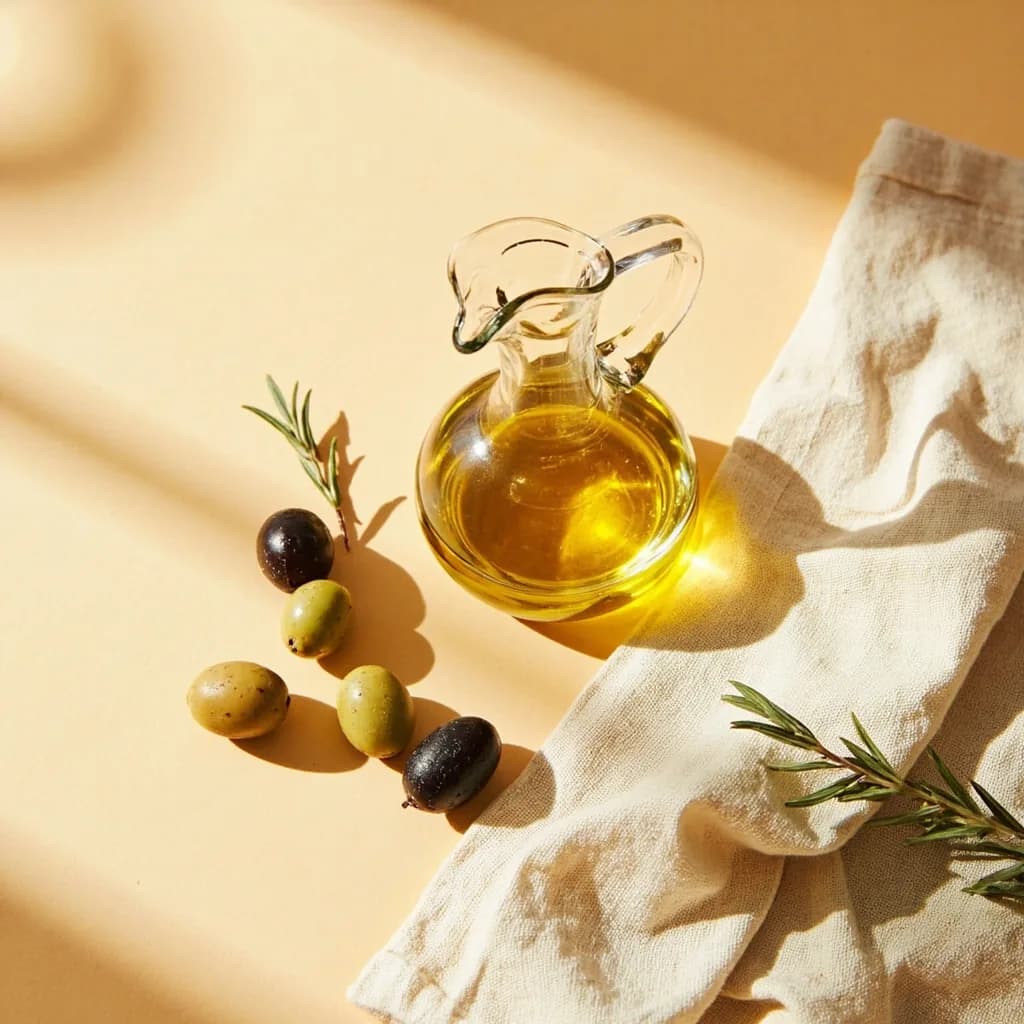
Olive Oil
Fruity, peppery everyday oil for sautéing, dressing, and finishing
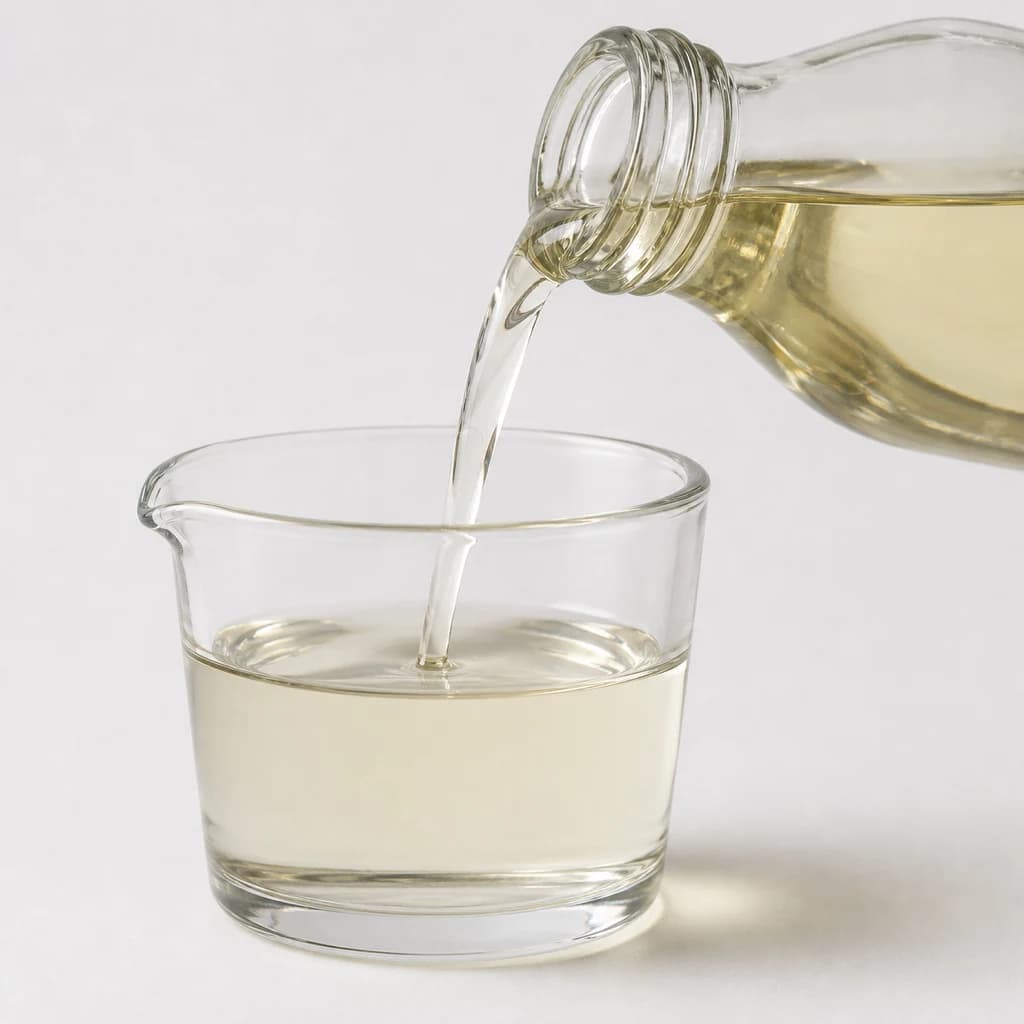
Vegetable Oil
Neutral, high-heat oil for frying and all-purpose cooking
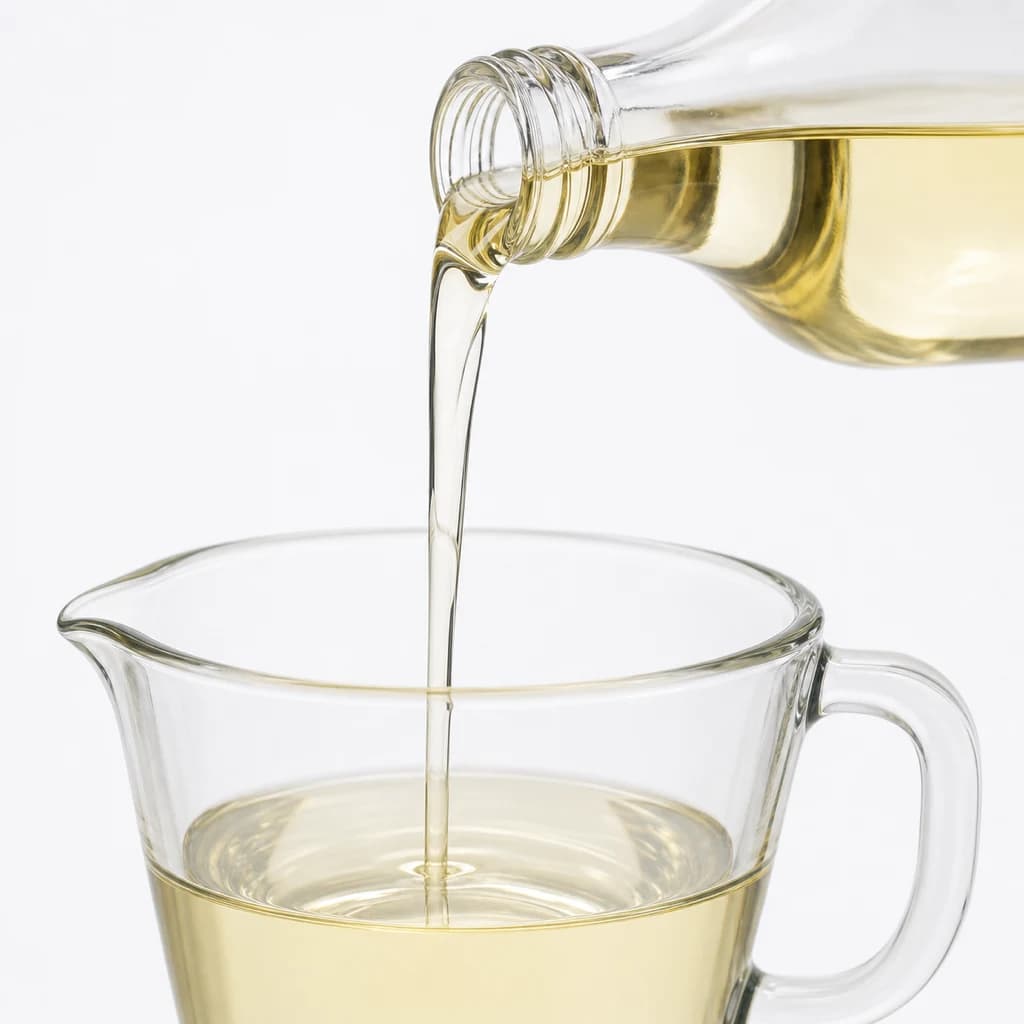
Canola Oil
Light, neutral oil for frying, baking, and dressings

Sunflower Oil
Clean, neutral oil for frying and everyday cooking
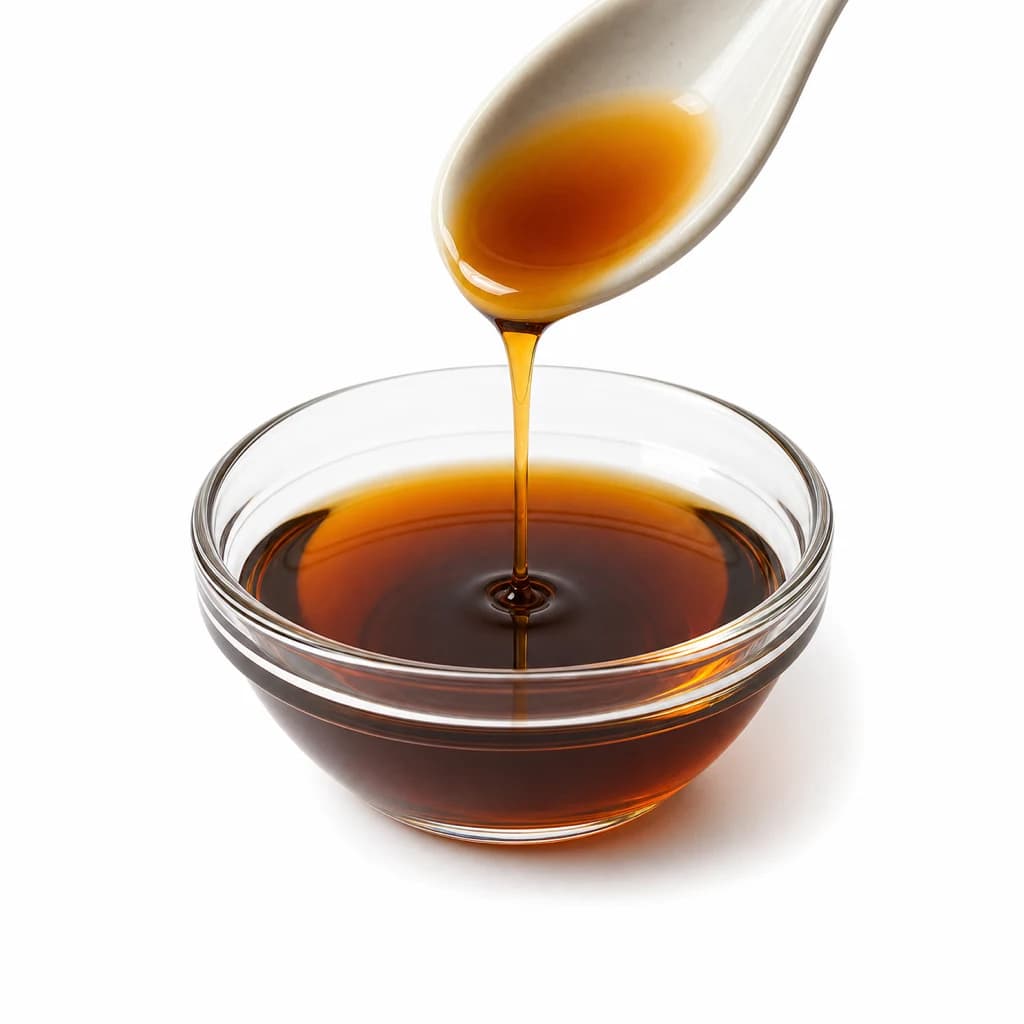
Sesame Oil
Toasty, aromatic oil — a finishing splash for Asian dishes
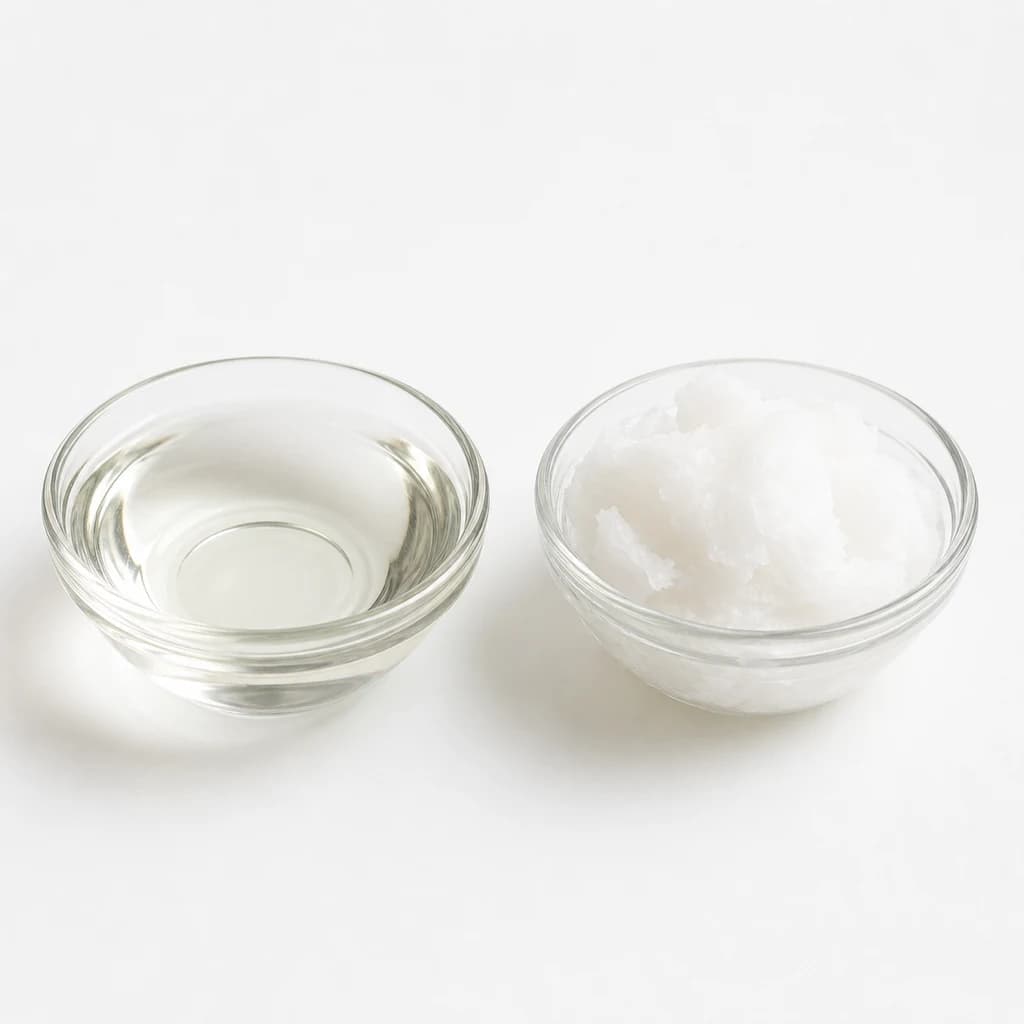
Coconut Oil
Fragrant, solid-at-room-temp fat for baking and frying
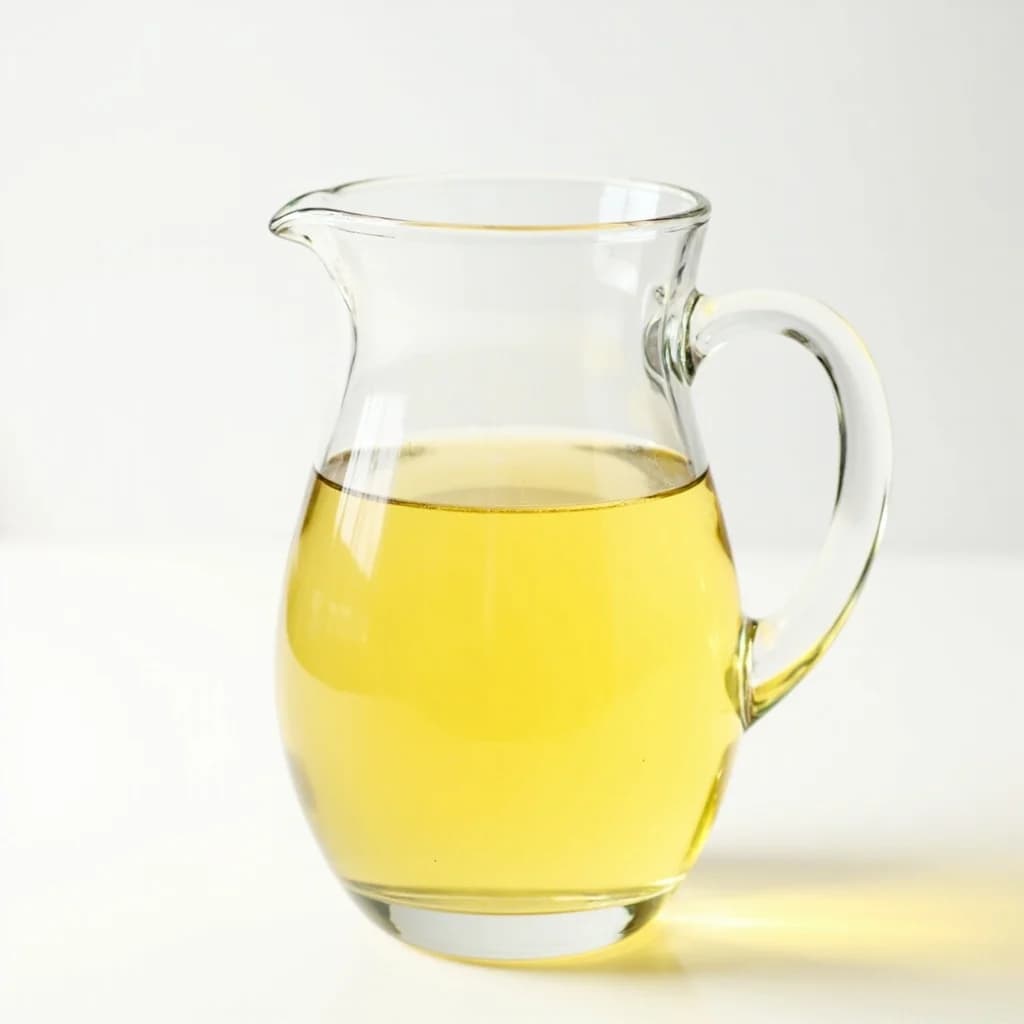
Peanut Oil
High-heat oil with a faint nutty note — ideal for frying

Lamb Tail Fat
Rich rendered fat from fat-tailed sheep — used as a cooking fat and flavor base in Central Asian and Middle Eastern dishes.