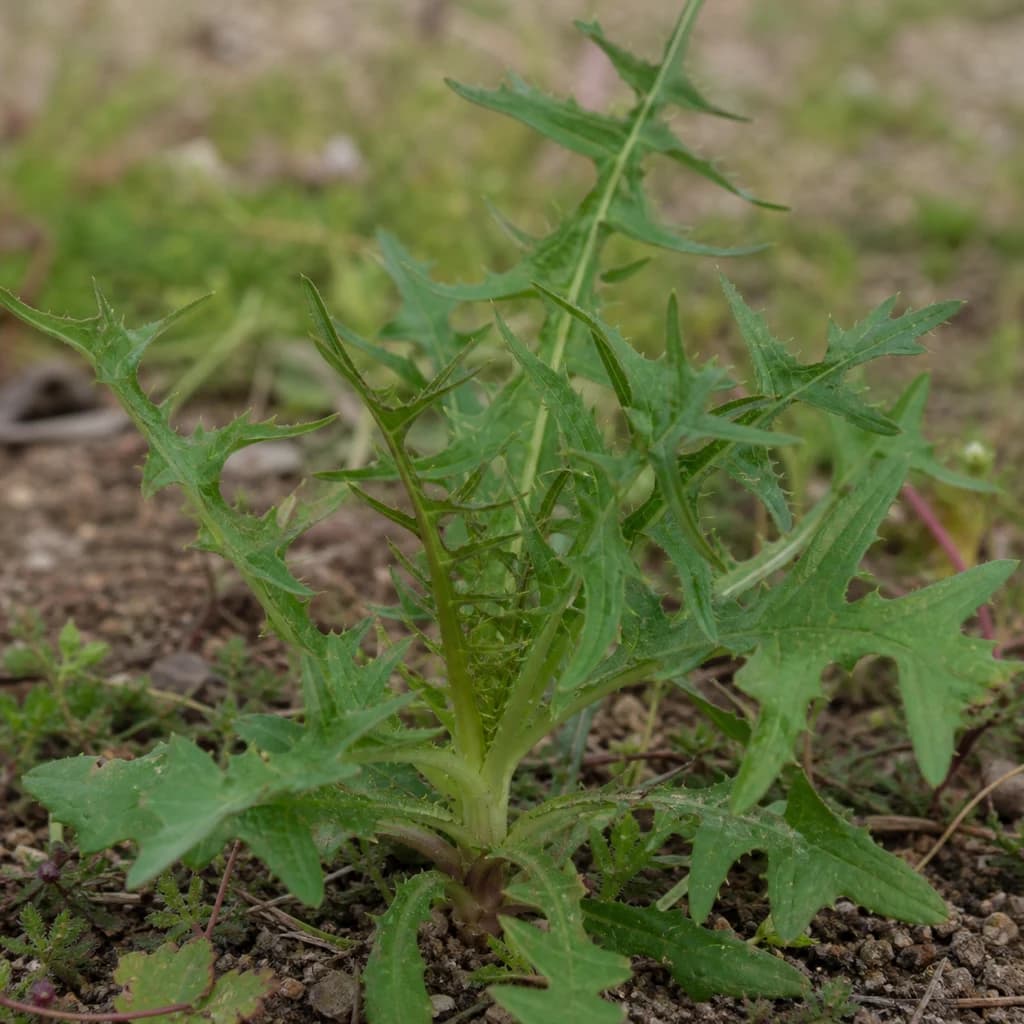
Natural form
Puha grows wild — a rosette of deeply lobed, serrated green leaves with a hollow stem.
Shows the plant as foragers and cooks encounter it in the wild, establishing its visual identity before harvest.
Produce
Puha (Sow Thistle)
Bitter wild leafy green, a traditional Māori vegetable boiled with meat.
Puha is a wild leafy green from the sow thistle plant, a traditional vegetable in Māori cuisine in New Zealand. The young leaves are boiled, often with the milky sap squeezed out to reduce bitterness, and served with pork bones (puha and pork bones) or in a boil-up. It has an assertive, slightly bitter, spinach-like flavor.
Puha is the common Māori name for several species of Sonchus — most notably Sonchus oleraceus — a wild leafy green from the Asteraceae family that has become deeply woven into New Zealand culinary tradition. Though native to Europe, Western Asia, and North Africa and introduced to Aotearoa during European colonization, puha was embraced by Māori as one of the "five fuzzies" (ngā rarenga), a traditional classification of valuable wild vegetables. This embrace reflects a practical philosophy toward available resources rather than dismissal of an unfamiliar plant. The hollow stems exude a characteristic milky white sap — a feature that actually serves as a reliable identification marker and, despite initial confusion among unfamiliar foragers, is harmless in the quantities consumed through normal cooking.
In the kitchen, puha behaves like other bitter leafy greens but with distinct characteristics. The leaves are tender and collapse quickly when cooked, much like spinach, but carry a pleasant bitter edge that mellows with proper preparation. The flavor is earthy and vegetal, milder than dandelion greens but assertive enough to cut through rich, fatty dishes. Young leaves are the most versatile — tender enough for raw applications in small quantities, while older growth becomes fibrous and overly bitter if harvested after the plant begins to flower. Puha is most abundant in cooler months and after rain, making it a reliable winter and early-spring foraged green when many other wild edibles are scarce.
Beyond its culinary utility, puha carries cultural significance that has experienced renewed appreciation in recent years. The tradition of boiling puha alongside meat, particularly pork, served both nutritional and gustatory purposes: it provided roughage and variety to protein-heavy diets while balancing the richness of fatty cuts. Today, puha is finding its way onto contemporary New Zealand menus and into the hands of cooks rediscovering traditional food knowledge, though it remains primarily a gathered rather than farmed ingredient. Foragers can find puha at farmers' markets, but cultivating it at home is uncommon — this is a green that rewards those willing to venture into garden edges, roadside verges, and disturbed soil with patience and basic identification knowledge.
- Measured in
- g
- Storage
- Fridge
Types & varieties
Most widely used; smooth leaves with pointed lobes, mildest flavor, most tender texture
More jagged, spined leaves; slightly more bitter bite; still excellent for cooking despite the name
Found in wetter areas and damp ground; used as puha when available, similar cooking properties
Foraging and Identification
Accurate identification is essential when foraging puha. The milky sap from broken stems or leaves is the most reliable marker — most similar-looking wild plants lack this feature. Cut or break a stem: if white latex immediately exudes, you likely have a Sonchus species. The leaves grow in a basal rosette pattern, with the characteristic pointed lobes of S. oleraceus or the more aggressively toothed margins of S. asper. Avoid harvesting from areas with heavy traffic pollution, recent pesticide application, or where dogs frequently roam. Harvest before the plant bolts and sends up flower stalks — after flowering, leaves become tough and unpleasantly bitter. Morning harvest after a dry day typically yields the cleanest, least sandy leaves.
- Always verify hollow stems and milky sap before harvesting
- Avoid roadsides with heavy traffic and areas with potential pesticide exposure
- Harvest young leaves and stems before flowering for best texture
- Rinse thoroughly — wild-harvested leaves often carry grit in their rosette base
Reducing Bitterness
Puha's bitterness is desirable but can be tempered depending on your dish. A quick blanch of 30–60 seconds in well-salted boiling water removes the sharpest edge while preserving the green's character. Refresh in cold water immediately to halt cooking and preserve color. For raw applications, use only the youngest, smallest leaves and combine with sweet or creamy elements — a honey-mustard dressing or avocado cuts the bitterness effectively. Cooking with fat is the most traditional approach: the richness of pork fat, butter, or bacon lard doesn't mask the bitterness but rounds it into something balanced and satisfying. A squeeze of lemon at the end of cooking brightens the flavors without eliminating the greens' assertive nature.
- Blanch 30–60 seconds to mellow bitterness before sautéing
- Cook with fat — butter, lard, or meat drippings for balance
- Finish with lemon juice to brighten the cooked greens
- Raw use is limited to young, tender leaves only
Common uses
Tips & pitfalls
- Harvest young leaves and tender stems before the plant flowers; older growth becomes fibrous and excessively bitter
- The milky sap can be quite bitter — peel older stems if using them, or stick to leaves only for milder results
- Blanch briefly (30–60 seconds) in boiling salted water to reduce bitterness before sautéing or serving
- Do not overcook — like spinach, puha collapses quickly; 2–3 minutes of boiling or 1–2 minutes of wilting is sufficient
- When foraging, verify identification by checking for hollow stems and milky sap; avoid plants near busy roads or where pesticides may have been used
- Combine with fatty meats or a knob of butter — the fat balances puha's bitterness effectively
- Unlike many greens, puha does not benefit from a long simmer; quick cooking preserves its tender texture
- Rinse thoroughly before cooking — wild-harvested leaves collect grit in their basal rosette
Nutrition
Nutrition
No USDA FoodData Central match for Puha (Sow Thistle) yet. We surface a per-100 g profile once a generic whole-food entry is matched and verified.
In the shops
Matched grocery products
No matched grocery products for Puha (Sow Thistle) yet.
Good to know
- Botanical name
- Sonchus oleraceus (common sow thistle); Sonchus asper and Sonchus hydrophilus also used as puha in Aotearoa
- Māori classification
- One of the "five fuzzies" (ngā rarenga) — traditional Māori wild vegetables
- Origin
- Native to Europe, Western Asia, and North Africa; naturalized in New Zealand since European colonization
- Plant family
- Asteraceae (daisy family)
- Flavor
- Bitter, slightly earthy; milder than dandelion greens, with a clean finish
- Key characteristic
- Hollow stems exuding milky white latex; reliable identification marker for Sonchus species
- Season
- Year-round, most abundant in cooler months and after rainfall
- Storage
- Wrap in damp paper towel, refrigerate, and use within 2–3 days
Substitutes
- Dandelion greens — Closest substitute; similar bitterness and cooking behavior; use young leaves for salads, larger leaves for sautéing or boiling
- Radicchio — Provides comparable bitterness for raw applications; lacks puha's cooked-green texture but excellent in mixed salads
- Silverbeet (Swiss chard) — Much milder; add a squeeze of lemon and a pinch of bitter radicchio or dandelion to approximate puha's character
- Watercress — Different flavor profile but similar use as a cooked green; lacks bitterness but works in the same quick-cooking applications
- Arugula (Rocket) — Good for raw applications requiring peppery bitterness; falls apart when cooked, so limit to fresh preparations
Also called
Sow Thistle · Rauriki · Puha
Related
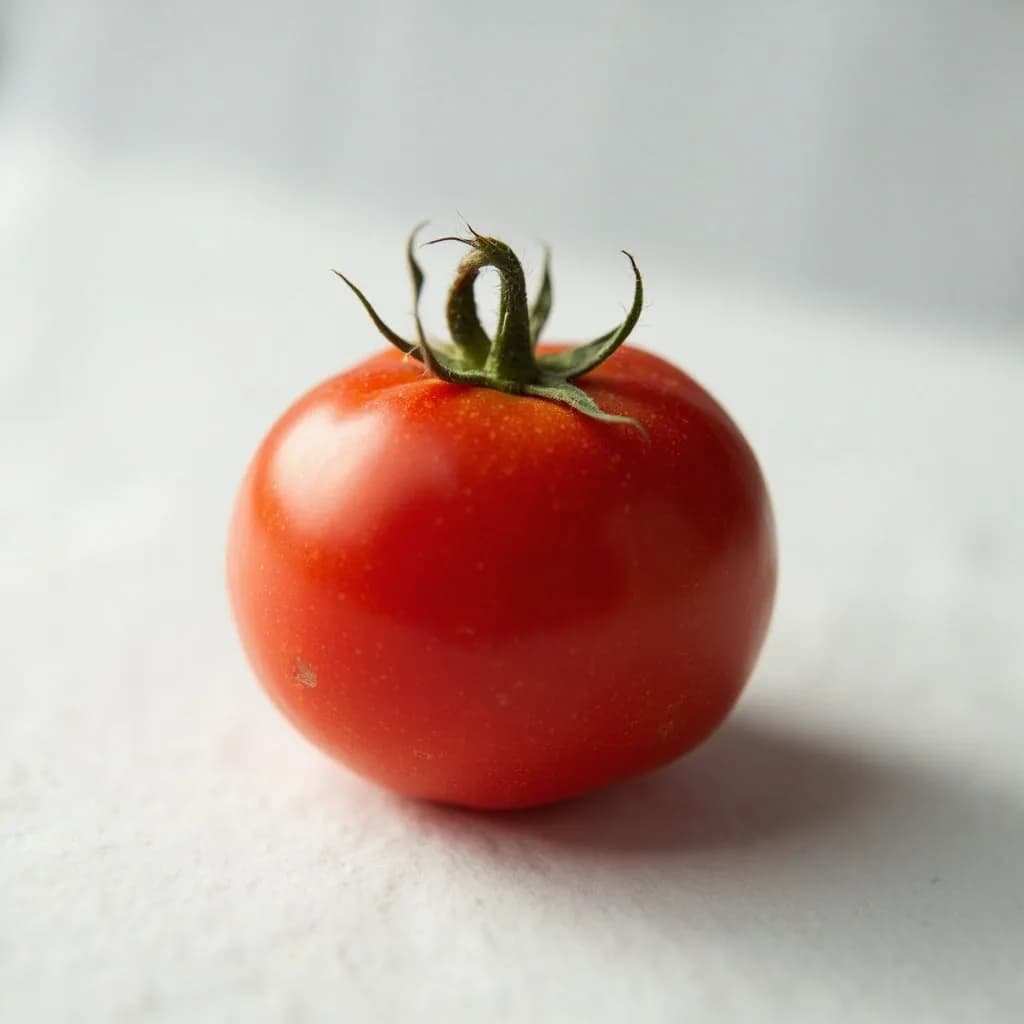
Tomato
Juicy, sun-sweet fruit for sauces, salads, and slow-cooked depth
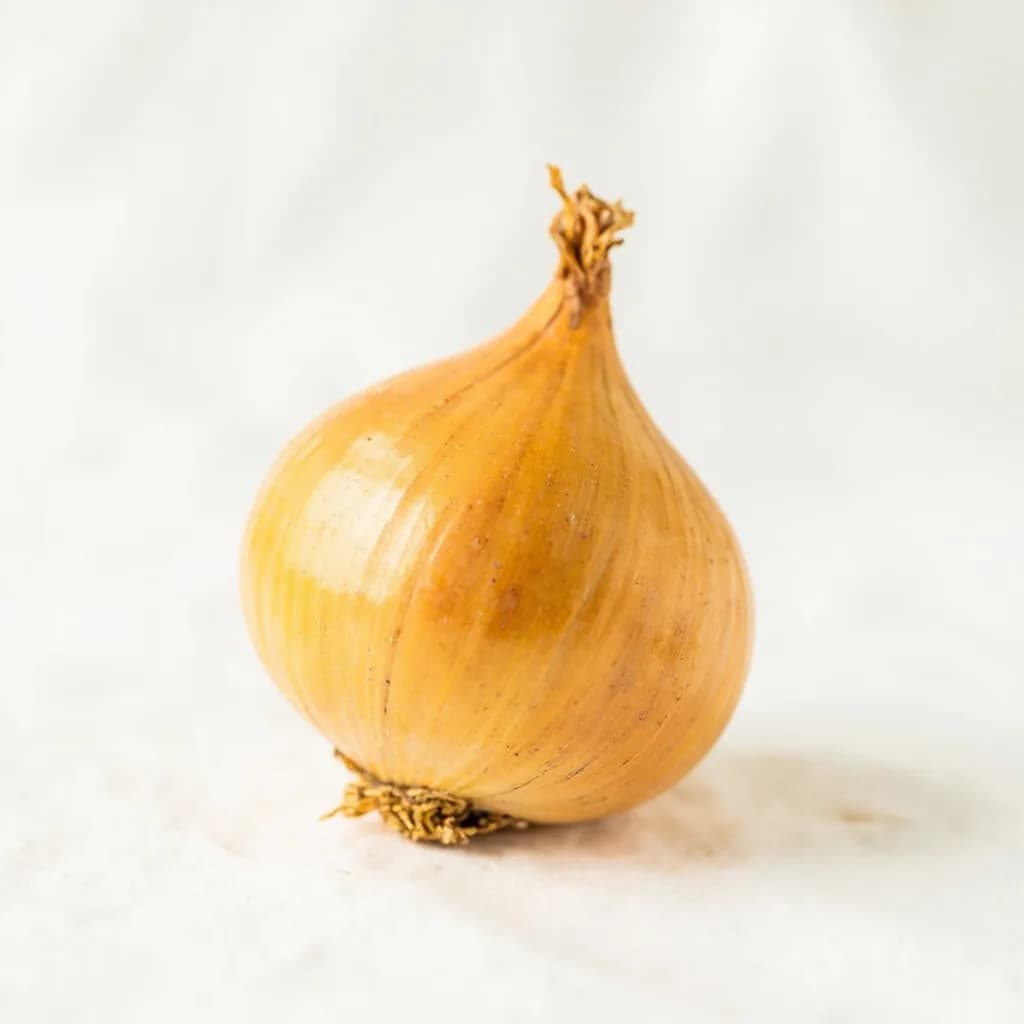
Yellow Onion
The aromatic backbone of soups, sofritos, and braises
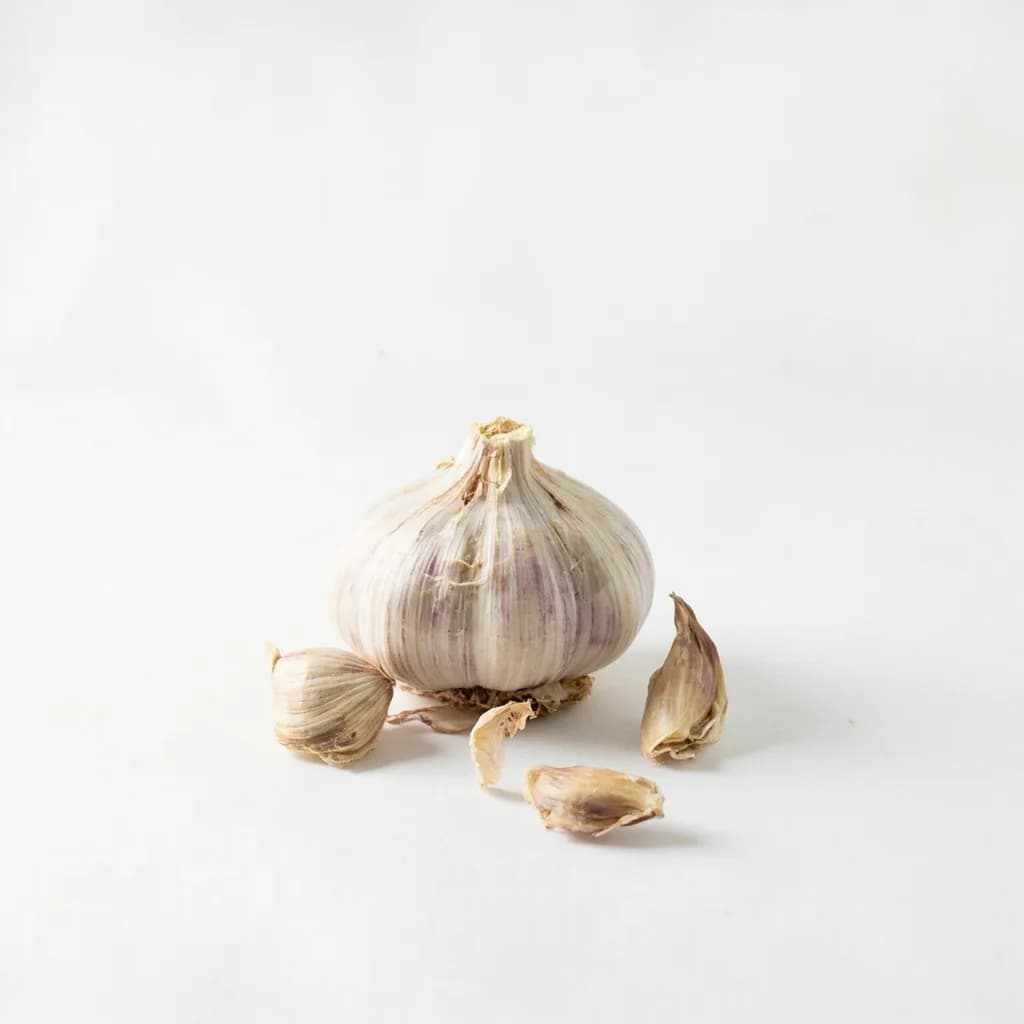
Garlic
Pungent cloves that perfume nearly every savory dish
Lemon
Bright, acidic citrus that wakes up almost any dish
Potato
Humble, hearty staple — roast, mash, fry, or boil
Carrot
Sweet, crunchy root — raw, roasted, or the base of a sofrito
Cucumber
Cool, crisp, and watery — for salads, pickles, and tzatziki

Lettuce
Crisp leaves for salads, wraps, and a fresh crunch