Dairy & Eggs
Shanklish (Aged Cheese Balls)
Levantine aged cheese balls rolled in za'atar and chili, crumbled into salads or eaten with tomatoes and oil.
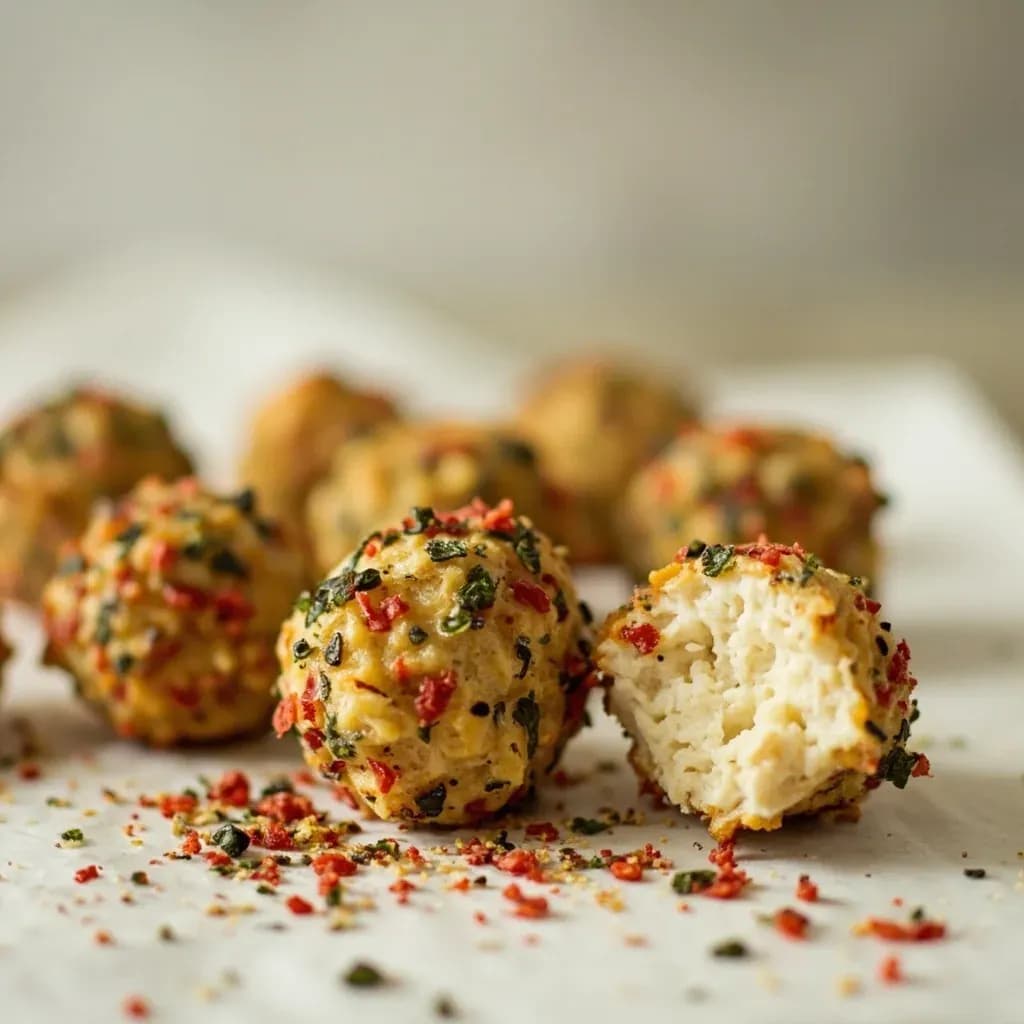
Shanklish is a Levantine cheese made from fermented, aged curd shaped into balls and rolled in dried herbs such as za'atar, thyme, and red pepper. It develops a sharp, pungent, tangy flavor as it cures. It is crumbled and dressed with olive oil, tomatoes, and onions as a meze, especially in Syria and Lebanon.
Shanklish is one of the Levantine kitchen's most distinctive preserved cheeses—a fresh cheese that has been intentionally aged for two to four weeks until it develops a firm, sometimes crumbly texture and a pronounced tangy, mildly pungent flavor. Originating in the mountain villages of Syria, Lebanon, Jordan, and Palestine, this cheese was born of necessity in a time before refrigeration: aging concentrated the milk's flavors, extended shelf life, and created a protein-rich staple that could sustain communities through winter. The traditional production begins with fresh cow's or sheep's milk cheese curds, which are salted, shaped into small balls or logs, and left to age at ambient temperature—often dusted with za'atar. The characteristic green-brown (za'atar) and red (chili or Aleppo pepper) coating is not merely decorative; the sumac and thyme within the spice blend have natural antimicrobial properties that help control surface aging, while the olive oil in the blend creates a protective layer on the cheese's exterior. Syrian shanklish from Nabek and the Hauran region is widely considered the benchmark, while Lebanese production centers on the Beqa'a Valley. The cheese is never cooked—always served raw or at room temperature, crumbled, where its concentrated flavor can shine as a seasoning and protein element rather than a melting cheese.
The aging process transforms mild fresh cheese into something with real character. Younger shanklish (two weeks) retains more moisture and a gentler tang; longer aging (four weeks or more) yields a firmer, more crumbly texture and a sharper, more pungent flavor that some find assertive. The surface may develop a thin layer of white mold, which is traditional and acceptable—this is a controlled aging environment, not spoilage. Quality varies enormously: commercial American versions tend to be milder and younger than traditional village shanklish, so adjust seasoning accordingly and taste before using. The za'atar coating—typically thyme, sumac, and sesame—provides an aromatic backbone, while chili versions add varying degrees of heat. When you encounter shanklish in a Levantine market or specialty shop, you're holding a living artifact of pre-refrigeration food preservation, a cheese that was already ancient when refrigeration arrived.
In the Levantine kitchen, shanklish functions less like a cheese and more like a seasoning agent—a protein-rich, tangy crumb that you sprinkle over dishes to add depth. It crumbles into uneven pieces rather than slicing cleanly, and it never melts. The high salt content means you taste it even in small amounts. When buying, press gently: it should be firm but give slightly, not rock-hard. Very hard balls may be over-aged and bitter. Smell it—the aged tang should be pleasant and tangy, not sharp with ammonia. Bring it to room temperature before serving, and store it refrigerated in an airtight container, keeping the za'atar coating intact to protect the surface. With proper handling, refrigerated shanklish keeps two to four weeks; aged in olive oil, it lasts several months.
- Measured in
- g
- Storage
- Fridge
Allergens
Types & varieties
Aged without za'atar coating; milder, used when the spice blend is added fresh at table
Coated with Aleppo pepper or sun-dried tomato powder; mild heat
Coated with cayenne or chili flakes; noticeably spicy
Heavily aged variety; more pungent, more crumbly; favored in Syrian cooking
From the town of Nabek in Syria; traditionally aged in clay pots
Buying Guide
Seek out Middle Eastern grocery stores with high turnover for the freshest product. Shanklish is typically sold in small balls (2–5 cm diameter), but may also be available in logs or bulk crumbled. The exterior coating should look intact and aromatic; the balls should feel firm but not stony. Never buy shanklish that smells sharply of ammonia—that indicates over-aging or improper storage. If possible, taste before purchasing: the flavor should be pleasantly tangy and complex, not one-dimensional. Commercial American versions are often milder than traditional village shanklish; adjust seasoning at the table if your shanklish needs more punch.
- Look for firm balls that give slightly under pressure, not rock-hard ones
- Check the za'atar coating for aroma—it should smell fresh and herbal
- Avoid any with strong ammonia smell or off-colors beyond the expected white/yellow interior
The Za'atar Connection
The za'atar coating on shanklish is functional as well as traditional. The sumac and thyme within the blend contribute natural antimicrobial properties, and the olive oil creates a protective layer on the cheese's surface during aging. This dual purpose—flavor and preservation—explains why shanklish from different regions varies in its coating intensity. Syrian versions tend toward a thicker za'atar crust, while Lebanese styles may be lighter. When cooking with shanklish, retain the coating in the dish; the za'atar crumble is part of the character.
- The coating provides functional preservation—don't scrub it off
- Za'atar provides flavor and function; both matter in traditional production
- Regional styles vary in coating thickness; this is terroir, not quality variation
Common uses
Tips & pitfalls
- Look for balls that are firm but not rock-hard; very hard shanklish may be over-aged and bitter
- If too firm to crumble easily, soak briefly in warm water for 5 minutes to soften before crumbling
- Always taste before buying—the aged flavor should be pleasantly tangy, not overwhelmingly ammonia-like
- Store in an airtight container, layered with za'atar, in the refrigerator; the coating protects the cheese surface
- Bring to room temperature before serving to allow the flavor to open up
- Press gently when crumbling—it should break into uneven pieces, not powder
- White surface mold is traditional and acceptable; discard if you see blue or green mold spreading beyond the coating
- Do not confuse with fresh cheeses like akkawi or nabulsi—shanklish is aged and will have a noticeably stronger flavor
- Use sparingly at first; shanklish is saltier and more pungent than fresh cheese, and a little goes far
Nutrition
Nutrition
No USDA FoodData Central match for Shanklish (Aged Cheese Balls) yet. We surface a per-100 g profile once a generic whole-food entry is matched and verified.
In the shops
Matched grocery products
No matched grocery products for Shanklish (Aged Cheese Balls) yet.
Good to know
- Origin
- Levant (Syria, Lebanon, Jordan, Palestine); village-based production in mountain regions
- Primary Milk
- Cow's milk (most common); sheep's milk or mixed in traditional production
- Type
- Fresh cheese aged 2–4 weeks until firm and pungent
- Texture
- Firm to hard; crumbly when aged; surface may develop white mold
- Color
- White to pale yellow interior; exterior coated with za'atar (green-brown) and/or red chili
- Flavor
- Tangy, slightly sour, mildly pungent; intensity increases with aging
- Shelf Life
- Refrigerated: 2–4 weeks; aged in oil: several months
- Typical Form
- Small balls, 2–5 cm diameter; also available in logs or bulk crumbled
- Traditional Storage
- Dusted with za'atar and chili; packed in olive oil; or wrapped in cloth
- Salt Content
- Moderate to high; salt aids preservation and aging
Substitutes
- Feta (aged or barrel-aged) — Best substitute; similar tang and crumbly texture; use in equal amounts
- Akkawi in Brine — Milder; not aged, so lacks the pungency; add a pinch of salt and za'atar to approximate
- Ricotta Salata — Dry, mild, crumbly; less tangy; good for texture in salads but not flavor match
- Pecorino Romano (coarsely grated) — Saltier, sharper; reduce additional salt if substituting in cooked applications
- Panela / Requesón — Fresh and mild; not a strong match but usable for mild versions or fresh preparations
Also called
shanklish · shankleesh · surke
Related

Whole Milk
Rich, full-fat milk for drinking, coffee, sauces, and baking
Butter
Golden fat for searing, baking, and finishing a sauce
Yogurt
Tangy, creamy culture for breakfast, sauces, and marinades
Cheddar Cheese
Sharp, melty cheese for sandwiches, gratins, and grating
Skim Milk
Fat-free milk for lighter drinking, coffee, and cooking
Heavy Cream
Rich cream that whips, enriches sauces, and sets ganache

Sour Cream
Tangy, thick cream for dolloping, baking, and dips
Mozzarella
Soft, milky cheese that melts into stretchy pizza pulls