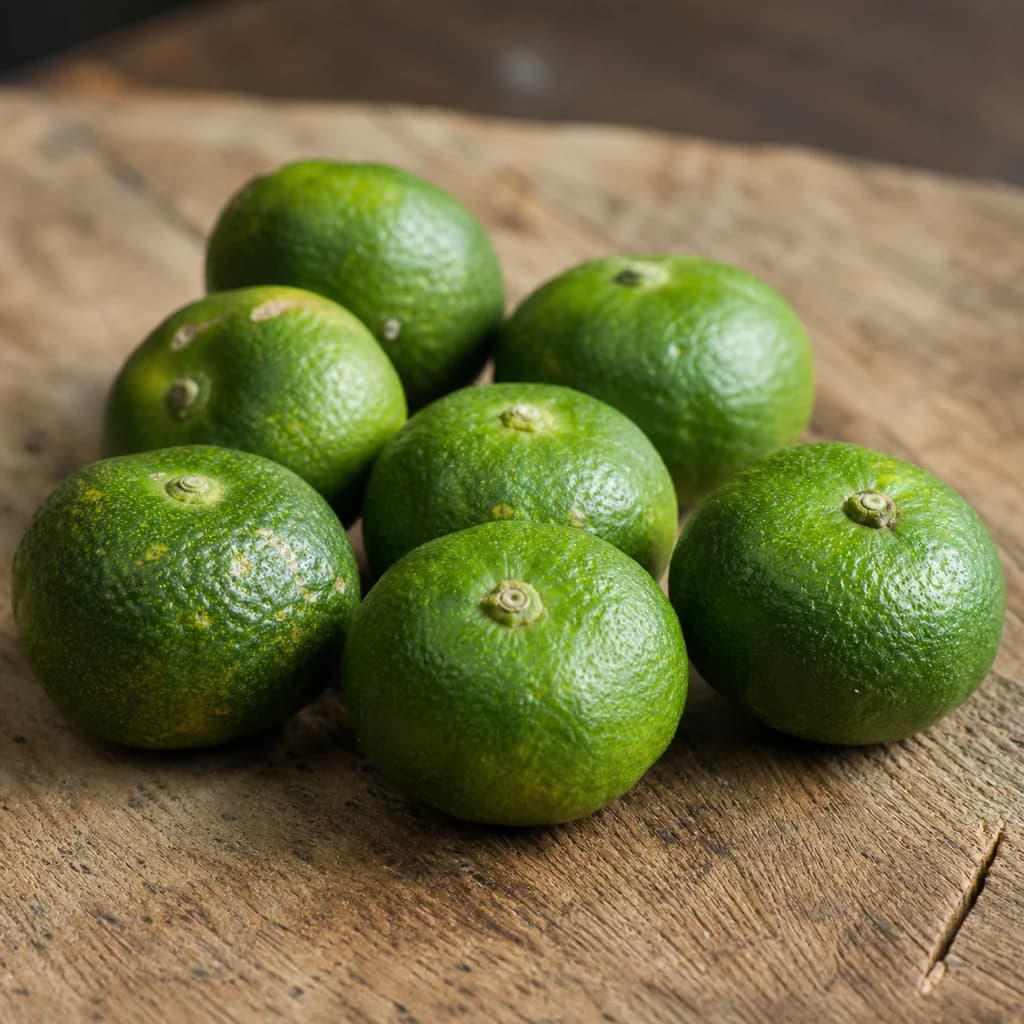
Natural form
Shikuwasa harvested green: small, round citrus with a flat profile and bright tart aroma.
Shows the fruit's distinctive small size, flattened shape, and green-at-harvest color that define shikuwasa in the market and kitchen.
Produce
Shikuwasa (Flat Lemon)
Small, sharply tart Okinawan citrus squeezed over fish, noodles, and drinks like a lime-yuzu hybrid.
Shikuwasa is a small green citrus native to Okinawa and Taiwan, with a juice that is bracingly tart and aromatic, somewhere between lime and yuzu. The juice is squeezed over grilled fish, soba, and sashimi or made into refreshing drinks and ponzu. It is harvested both green (sour) and ripe (sweeter and yellow), and is rich in the flavonoid nobiletin.
Shikuwasa (Citrus depressa) is a small, distinctly flattened sour citrus endemic to Okinawa Prefecture and the Ryukyu Islands. Its origin in Japan's subtropical southern fringe has produced a fruit unlike the yuzu and sudachi of the mainland—it is smaller, more aggressively acidic, and carries a sharp, floral brightness that functions less as a flavor note and more as a culinary acidifier. The fruit grows to roughly 2.5–4 cm in diameter and is noticeably flattened at the poles, which is why it earned the English name "flat lemon." Ripening from bright green (unripe, July–October) to vivid yellow (ripe, November–March), the two stages are treated as distinct ingredients in Okinawan cooking: green for assertive tartness, yellow for softer, more aromatic applications.
What sets shikuwasa apart from other sour citrus is its exceptionally high acidity—pH approximately 2.0–2.5, comparable to key lime—combined with thin, edible zest that releases intense floral aromatics. Unlike Persian limes, shikuwasa juice does not develop a metallic bitterness when exposed to air, making it unusually forgiving for advance prep. One fruit yields only 1–2 teaspoons of juice, so cooks use both the juice and the zest. The fruit is harvested by hand from small family orchards concentrated around Motobu and Nago, and while commercial cultivation expanded in the 1990s, the best flavor still comes from locally sourced fresh fruit. Beyond its culinary role, shikuwasa has gained attention for its high hesperidin and flavanone content—compounds concentrated in the slightly bitter white pith.
- Measured in
- piece
- Storage
- Fridge
Types & varieties
Unripe stage; most common in markets; intensely tart and acidic; preferred for savory dishes, marinades, and beverages where a sharp citrus kick is desired.
Fully ripe; slightly sweeter with more floral notes; better suited for dressings, desserts, and finishing applications where complexity matters more than bite.
A specific cultivar popular in Okinawa known for particularly fragrant zest; preferred when the aromatic skin is the primary ingredient.
How to Choose and Prepare Shikuwasa
Look for firm, unblemished fruit with smooth, taut skin. For green shikuwasa, deeper green indicates more acidity. For yellow, look for vivid, even color without browning at the stem end. The fruit should feel heavy for its size, indicating juicy flesh.
Preparation is simple but deliberate: roll the fruit firmly on a cutting board with palm pressure before cutting to maximize juice yield. Cut in half crosswise and squeeze with a citrus reamer or by hand over a bowl. To harvest zest without bitter pith, use a fine microplane or plane on the whole fruit before juicing—the thin skin makes this easy. A quick twist of a microplane over a finished dish adds aromatic intensity that juice alone cannot provide.
- Choose firm, heavy fruit with smooth skin; avoid any with soft spots or drying at the stem
- Roll the fruit under your palm before cutting to rupture juice sacs and maximize yield
- Use a microplane for zest—shikuwasa's thin skin makes this more forgiving than thick-skinned citrus
- Save overripe or fallen fruit: these are prized for liqueur production and impart a rounder sweetness
Why Acidity Matters in Okinawan Cuisine
Okinawan cuisine balances richness—pork belly, braised dishes, coconut-based stews—with sharp acidity. Shikuwasa is the primary acidifying agent in this regional cooking tradition, acting much as lemon does in French cuisine or lime in Mexican cooking. Its extremely high acidity (pH ~2.0) means it functions as a genuine souring agent, not merely a flavor enhancer.
The fruit also serves as a bridge: it heightens the perception of sweetness in a dish without adding sugar, rounds out bitter elements in vegetables like goya (bitter melon), and cuts through the fattiness of pork. Understanding this structural role—rather than treating shikuwasa as a simple garnish—will make you a more effective cook when working with Okinawan or Okinawan-inspired recipes.
- Its acidity works structurally, not just flavor-wise: it sharpens perception of other tastes
- Unlike Persian lime, it holds up in cooked applications without turning bitter
- The floral aromatics in the zest add a second dimension beyond pure sourness
- In dishes with multiple competing flavors, shikuwasa often serves as the unifying acid
Common uses
Tips & pitfalls
- Use green (unripe) shikuwasa when a sharp, aggressive citrus kick is needed; use yellow when a softer, more aromatic note suffices.
- Unlike limes, shikuwasa juice does not develop a metallic bitterness when exposed to air, making it excellent for prepping ahead—a major practical advantage.
- The thin, edible zest carries intense floral aromatics—always use a fine grater or microplane, not just the juice, to capture this dimension.
- For ponzu, combine 2 parts shikuwasa juice with 1 part soy sauce and 1 part mirin; adjust to taste and let rest 10 minutes for flavors to marry.
- Do not discard overripe or fallen fruit—they are prized for making yuzushu-style liqueurs and impart a rounder, sweeter acidity.
- When substituting in recipes, remember shikuwasa is more acidic than Persian lime; adjust sweetness and salt in the dish accordingly.
- In Okinawan cuisine, shikuwasa substitutes for both lime and yuzu depending on context—know your dish's regional origin to choose the right stage of ripeness.
- Avoid cooking shikuwasa for extended periods: its floral aromatics are volatile and will dissipate; add zest or juice in the final moments of cooking.
Nutrition
Energy
197 kJ · per 100 g
Where the calories come from
Protein
1.5g
3% DV
Carbs
16g
6% DV
Fat
0.3g
0% DV
Fiber
10.6g
38% DV
Sugars
4.2g
of which
Sodium
6mg
0% DV
Source · USDA FoodData Central · approx. Lemon peel, raw
View on FDC →In the shops
Matched grocery products
No matched grocery products for Shikuwasa (Flat Lemon) yet.
Good to know
- Scientific Name
- Citrus depressa (also classified as C. reticulate × C. maxima)
- Origin
- Okinawa Prefecture and the Ryukyu Islands, Japan
- Other Names
- Flat lemon, Shequasar, Hirami lemon (misnomer), Taiwan tangerine (misnomer)
- Season
- Green (unripe): July–October; Yellow (ripe): November–March
- Size
- 2.5–4 cm diameter, distinctly flattened shape
- Acidity
- pH 2.0–2.5 — highly acidic, functioning as a souring agent in cooking
- Yield
- One fruit yields 1–2 teaspoons of juice; thin skin is edible and highly fragrant
- Storage
- Refrigerate whole fruit up to 2 weeks; juice freezes well in ice cube trays for several months
Substitutes
- Key Lime — Most direct substitute; similar tartness and acidity; use equal amount by volume, but expect slightly less floral aroma in the zest.
- Calamansi — Philippine citrus with comparable size and acidity; slightly sweeter; good 1:1 substitute in most applications.
- Yuzu (juice) — More aromatic and floral but less tart; use 1.5 parts yuzu juice per 1 part shikuwasa required, and add a pinch of salt to compensate for lower acidity.
- Sudachi — Smaller Japanese citrus; slightly less acidic with more herbal notes; use 1:1 in dressings and sauces, but expect a softer result.
- Persian Lime + Lemon Zest — To approximate the floral zest component, combine Persian lime juice with a fine grating of lemon zest; add in stages to control acidity.
Pairs with
Also called
Flat Lemon · Hirami Lemon · Citrus Depressa
Related
Tomato
Juicy, sun-sweet fruit for sauces, salads, and slow-cooked depth
Yellow Onion
The aromatic backbone of soups, sofritos, and braises
Garlic
Pungent cloves that perfume nearly every savory dish
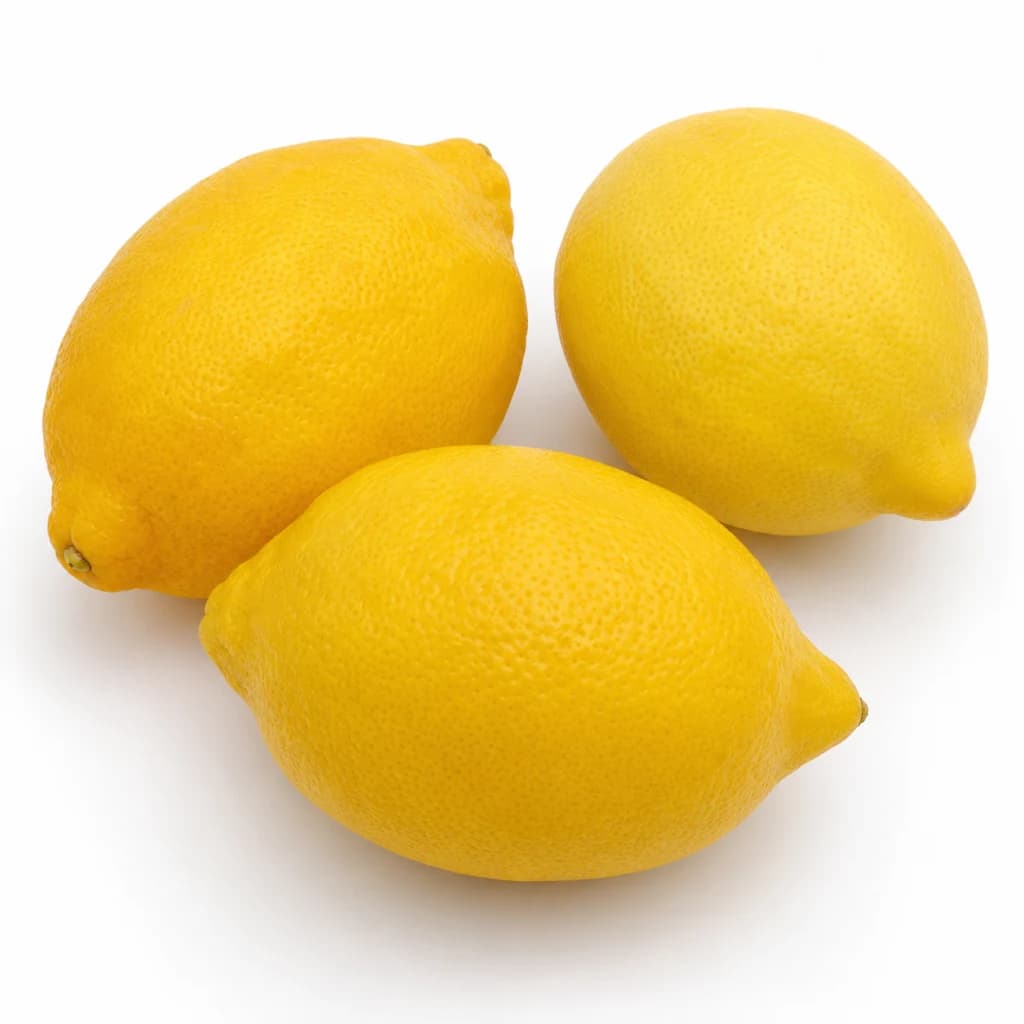
Lemon
Bright, acidic citrus that wakes up almost any dish
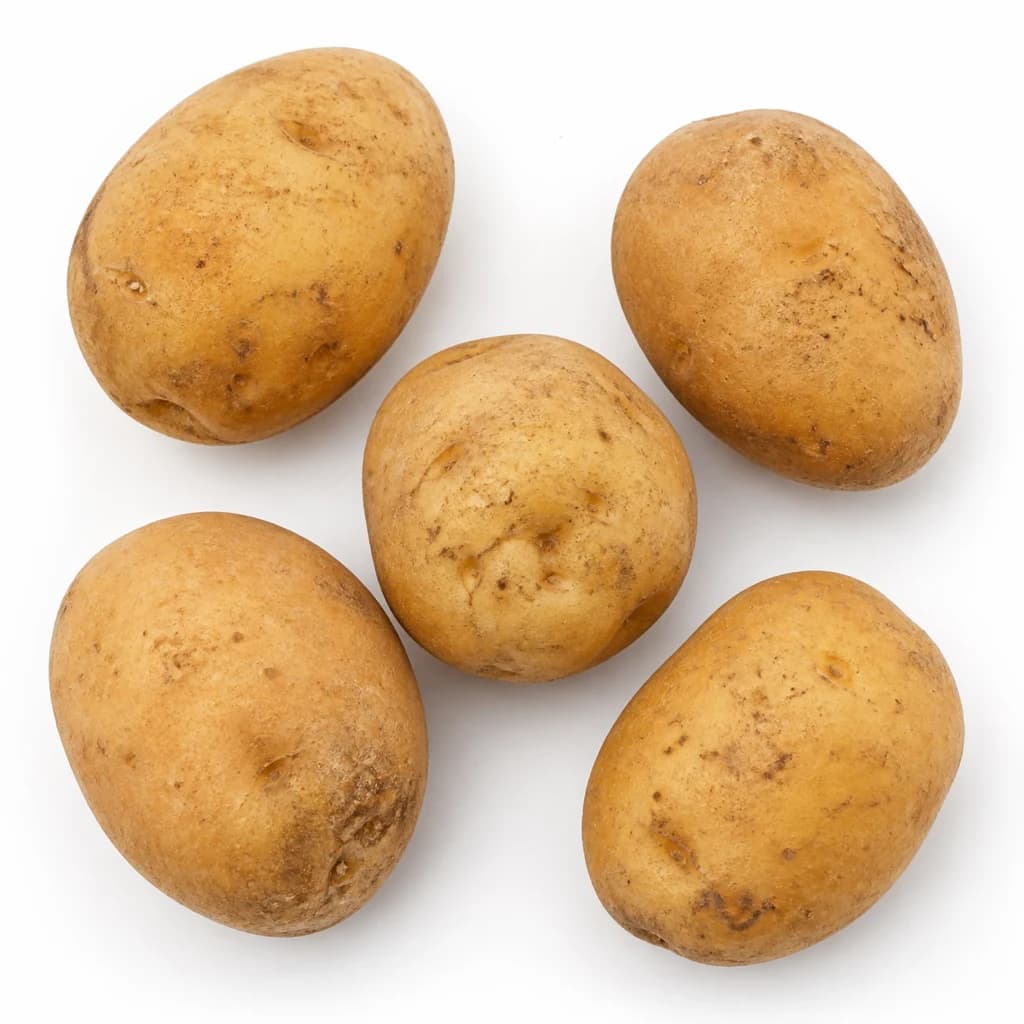
Potato
Humble, hearty staple — roast, mash, fry, or boil
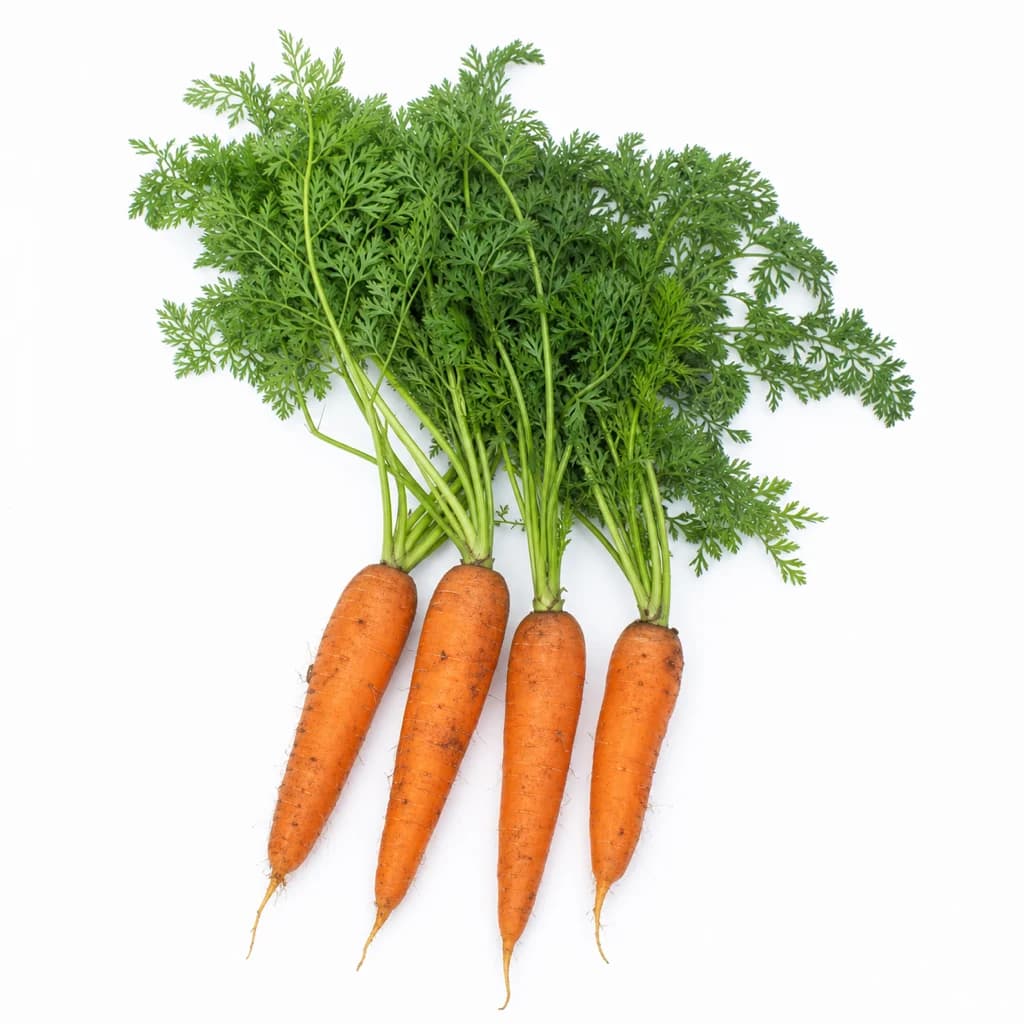
Carrot
Sweet, crunchy root — raw, roasted, or the base of a sofrito
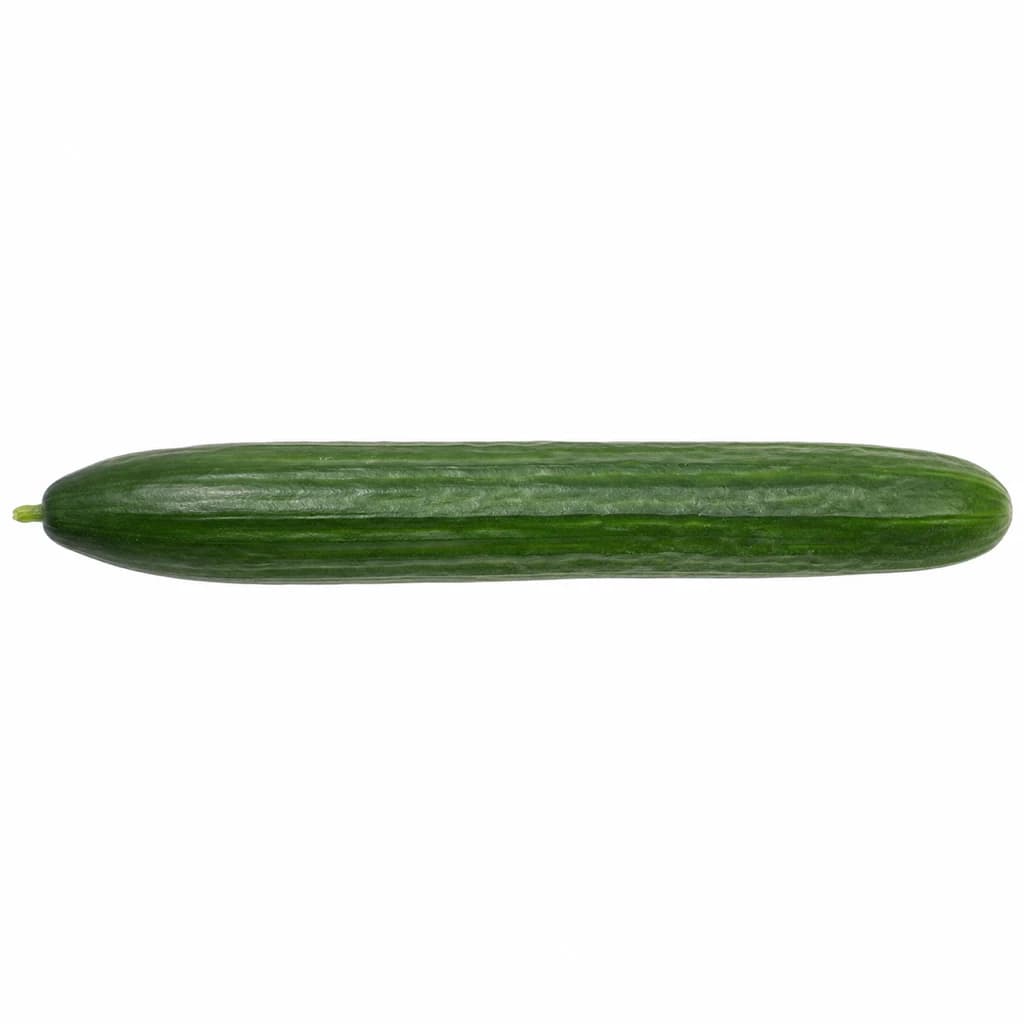
Cucumber
Cool, crisp, and watery — for salads, pickles, and tzatziki

Lettuce
Crisp leaves for salads, wraps, and a fresh crunch