Baking
Sliced Bread
Soft pre-sliced loaf bread for toast, sandwiches, and everyday meals.
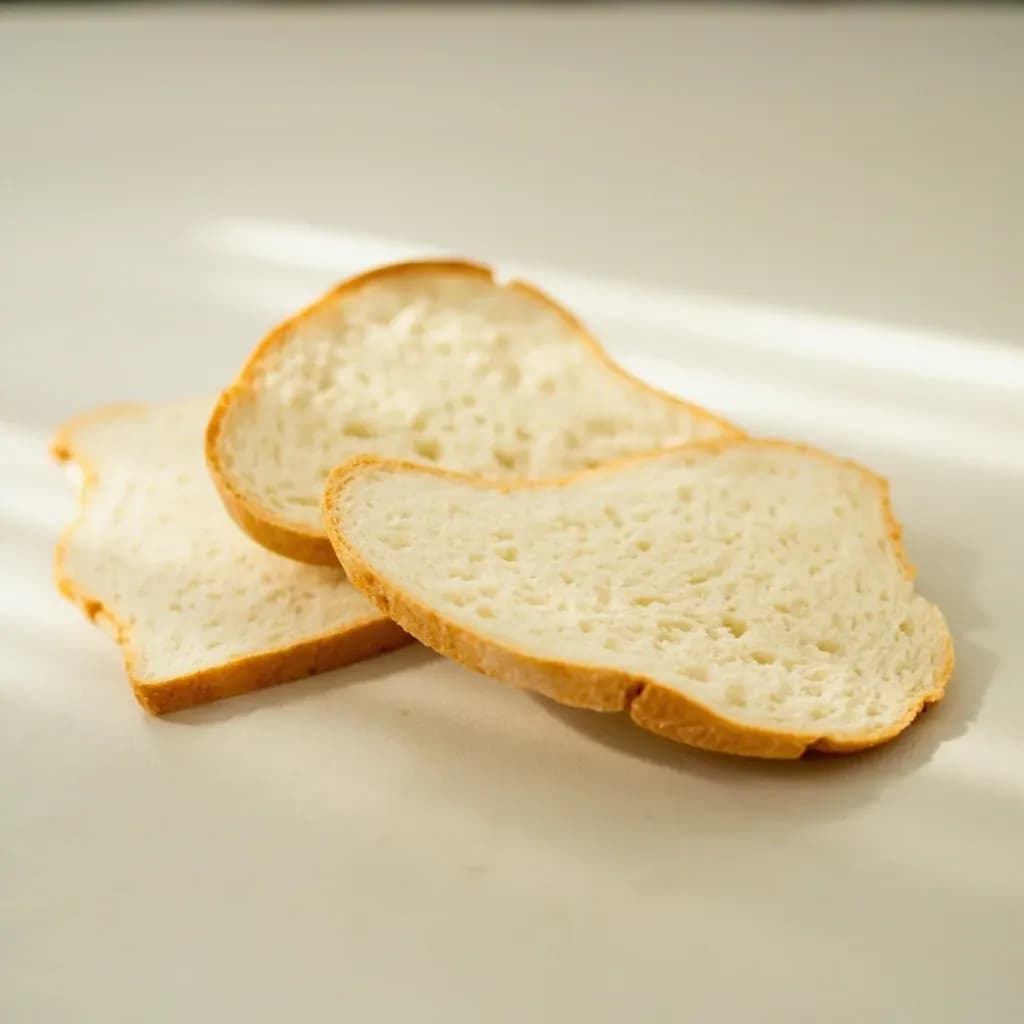
Sliced bread is a soft, pan-baked loaf cut into even slices, most commonly white or wholemeal sandwich bread. It is the everyday bread for toast, sandwiches, and French toast, and is torn for stuffing or blitzed into breadcrumbs. Thick-cut styles like Texas toast are favored for griddling and heartier sandwiches.
Sliced bread is a pre-sliced loaf bread that revolutionized home cooking when Otto Frederick Rohwedder invented the first commercial bread-slicing machine in 1928. The Chillicothe Baking Company in Missouri sold the first commercial sliced loaf on July 6, 1928, permanently changing how people prepared meals. Before this innovation, homemade and bakery bread required manual slicing, which was imprecise and inconvenient for everyday sandwich-making. Sliced bread enabled the standardization of sandwich construction and portable meals, profoundly shaping 20th-century lunch culture and home economics. The idiom "greatest thing since sliced bread" entered common usage in the 1930s, reflecting the innovation's cultural impact.
The product ranges from minimally processed artisan loaves with just flour, water, yeast, and salt to commercial varieties fortified with dough conditioners, calcium propionate as a preservative, and added sugar. Quality varies enormously—read the ingredient label to distinguish between a simple, well-made loaf and a heavily engineered one. Sliced bread's primary characteristic is its neutrality: it functions as a vehicle for stronger flavors rather than contributing significant flavor itself. This makes it exceptionally versatile but also means quality matters—the texture, structure, and freshness directly affect how well it performs in any application, from a simple peanut butter sandwich to French toast.
Proper storage is critical because sliced bread stales faster than whole loaves—the exposed cut edges lose moisture more rapidly. Room temperature storage in a sealed bag or breadbox maintains freshness for several days, while refrigeration actually accelerates staling through starch retrogradation, making bread tough and dry. Freezing works well for long-term storage; toast slices directly from frozen for best results.
- Measured in
- piece
- Storage
- Pantry
Allergens
Types & varieties
Standard American sandwich bread; soft crumb, mild flavor; most common variety
Made with whole wheat flour; denser texture, nuttier flavor, more fiber
Contains multiple grains and seeds; heartier texture and flavor
Naturally leavened with wild yeast; tangy flavor, chewy texture; increasingly available pre-sliced
Made with rye flour; denser, distinctive earthy flavor; often includes caraway seeds
Rich bread with butter and eggs; sweet, tender crumb; excellent for French toast
Italian bread with open crumb; airy texture, crispy crust; sold sliced for sandwiches
Made with rice flour, tapioca starch, or other gluten-free grains; variable texture
Made with almond flour, coconut flour, or psyllium; typically 1–3 g net carbs per slice
Thick-cut slices, approximately 2–3 times standard thickness; popular in the American South
Choosing a Better Loaf
Not all sliced bread is created equal. Commercial supermarket loaves often contain dough conditioners, preservatives such as calcium propionate, and added sugar to extend shelf life and improve appearance. Artisan bakers now produce hand-sliced loaves with short, recognizable ingredient lists and no preservatives. The difference is noticeable in taste, texture, and how the bread performs in applications like toast and sandwiches.
- Read the ingredient list: flour, water, yeast, salt (and sometimes fat) indicate a minimally processed loaf
- Squeeze the loaf gently—it should spring back when released; avoid loaves with collapsed or dented centers
- Higher-quality bread typically has a tighter, more uniform crumb structure and better flavor development
- Artisan sliced bread often stales faster than commercial varieties due to lack of preservatives—buy in smaller quantities or freeze
Reviving Stale Bread
When sliced bread becomes stale, it need not go to waste. Staling occurs when bread loses moisture and the starch molecules recrystallize, creating a firm texture. This process is reversible through reheating, which remelts the starch crystals and restores some softness.
- Run slightly stale slices under cold water and bake at 300°F (150°C) for 5–7 minutes
- For a crisper result, toast directly from slightly stale—not fully fresh—bread for better crust development
- Transform stale sliced bread into fresh breadcrumbs by drying pieces in a low oven (250°F/120°C) for 15–20 minutes, then processing in a food processor
- Cube stale bread and toast with olive oil and seasonings for homemade croutons
Common uses
Tips & pitfalls
- Check the ingredient list: fewer, recognizable ingredients indicate a less processed, higher-quality loaf
- Squeeze the loaf before purchasing—it should spring back; avoid loaves with collapsed or dented centers
- Never refrigerate sliced bread—it causes rapid starch retrogradation and accelerated staling
- Store in a cool, dry place (60–75°F / 15–24°C) in a sealed bag or breadbox to maintain freshness
- For extended freshness, freeze individual slices on a baking sheet, then transfer to a freezer bag; toast directly from frozen
- For better toast, use day-old bread—slightly dried bread develops a crispier, more even crust when toasted
- Avoid pulling slices apart by bending—use a gentle sawing motion to prevent crushing the crumb
- For grilled cheese, thick-sliced bread (like Texas toast) yields better structural integrity and more surface area for cheese contact
Nutrition
Energy
996 kJ · per 100 g
Where the calories come from
Protein
10.7g
21% DV
Carbs
43.9g
16% DV
Fat
2.2g
3% DV
Fiber
9.2g
33% DV
Sugars
5g
of which
Sodium
478mg
21% DV
Source · USDA FoodData Central · Bread, white wheat
View on FDC →In the shops
Matched grocery products
No matched grocery products for Sliced Bread yet.
Good to know
- Invented
- 1928 by Otto Frederick Rohwedder; first sold by Chillicothe Baking Company, Missouri, July 6, 1928
- Standard slice dimensions
- US: approximately 11.5 × 14 cm (4.5 × 5.5 in); UK: approximately 10 × 11 cm
- Typical loaf count
- 20–24 slices for standard 450–500 g loaf
- Calories per slice (white)
- 65–80 kcal
- Shelf life (unopened)
- 3–7 days at room temperature; check expiration date
- Shelf life (opened)
- 3–5 days in pantry; up to 1 week refrigerated
- Freezer storage
- Up to 3 months; toast directly from frozen
- Storage method
- Room temperature in sealed bag or breadbox; never refrigerate (accelerates staling)
Substitutes
- Pita bread — Split and toasted; excellent for wraps and sandwiches; slightly different texture and flavor profile
- Bagels, sliced — Toasted before use; denser, chewier; works well for breakfast sandwiches and deli items
- Tortillas (flour or corn) — Different flatbread format; flour tortillas are closest in mild flavor for everyday sandwich use
- English muffins, sliced — Slightly dense, open texture; good for breakfast sandwiches; toasts well
- Ciabatta rolls — Open crumb with chewy exterior; excellent for Italian-style sandwiches and panini
- Croissants, sliced — Buttery, flaky; best for breakfast sandwiches or as an indulgent bread option
- Hamburger buns — Slightly sweet, soft; useful for open-faced sandwiches or slider-style applications
- Focaccia — Olive oil-rich, herb-seasoned; when sliced, works as a flavorful sandwich base
- Rice cakes — Gluten-free, very light; not a close textural substitute but useful for low-carb applications
Pairs with
Also called
Sliced Pan · White Bread · Texas Toast · Sandwich Bread
Appears in these dishes
Related

All-Purpose Flour
The do-anything flour for bread, cakes, sauces, and dredging

Bread Flour
High-protein flour for chewy, well-risen breads
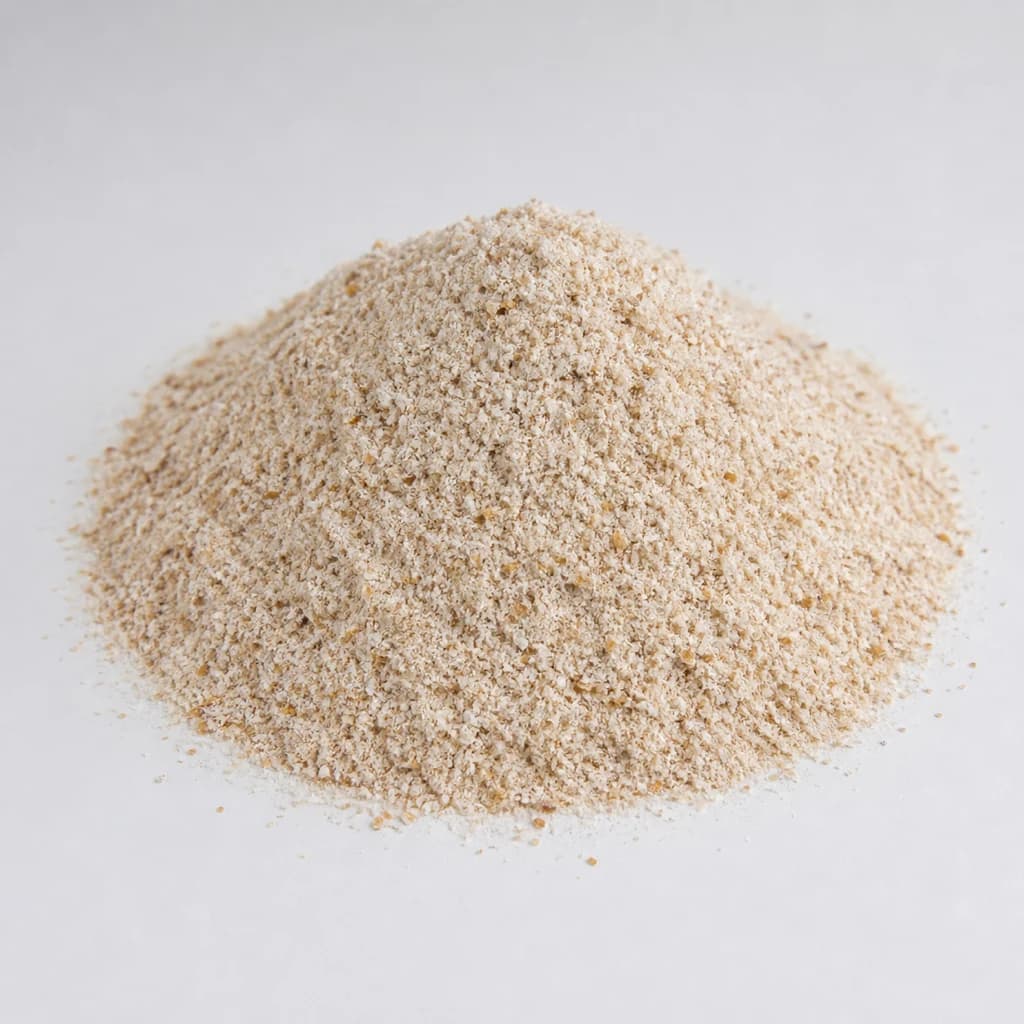
Whole Wheat Flour
Nutty, whole-grain flour for hearty breads and bakes
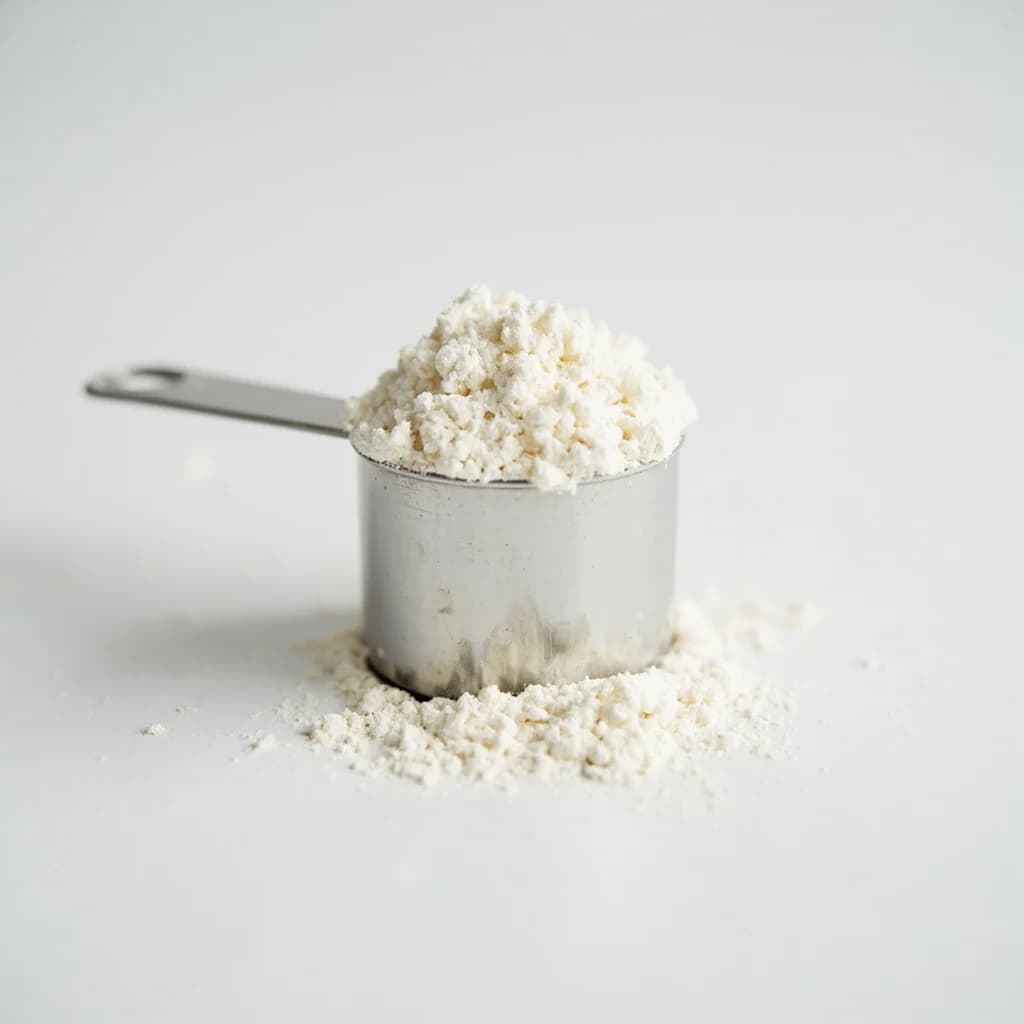
Cake Flour
Fine, low-protein flour for tender, delicate cakes
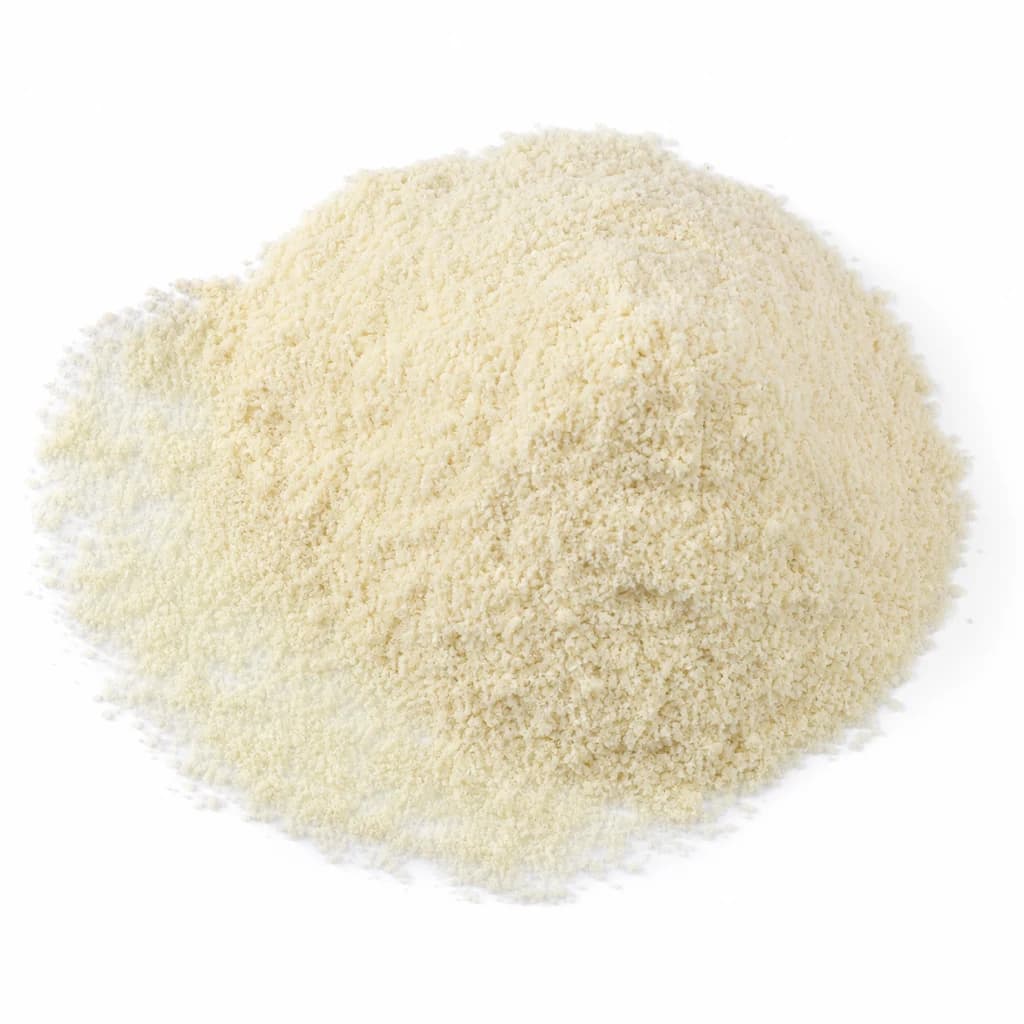
Almond Flour
Nutty, gluten-free flour for macarons and tender bakes

Baking Powder
All-in-one leavener for fluffy cakes, pancakes, and biscuits

Baking Soda
Pure leavener that needs acid to lift — and tenderize
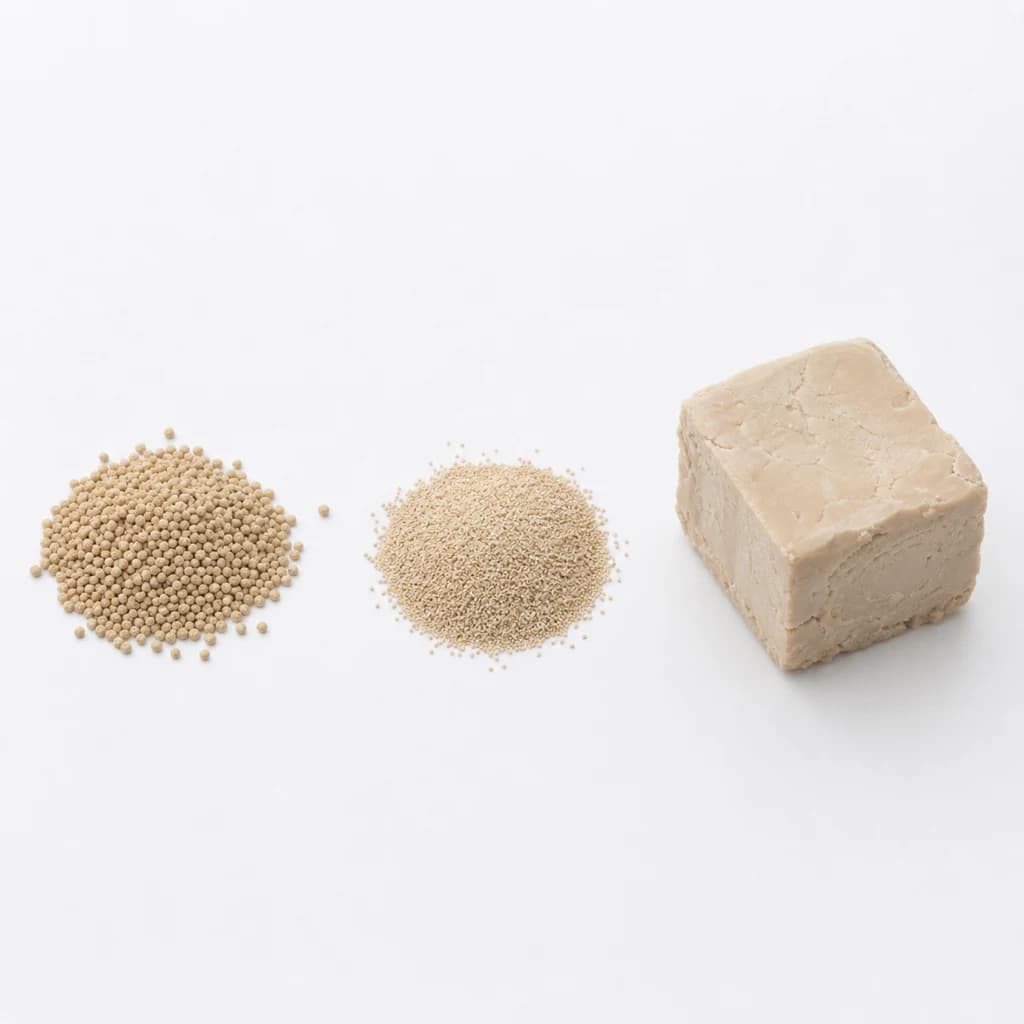
Yeast
Living leaven that makes bread rise and dough come alive