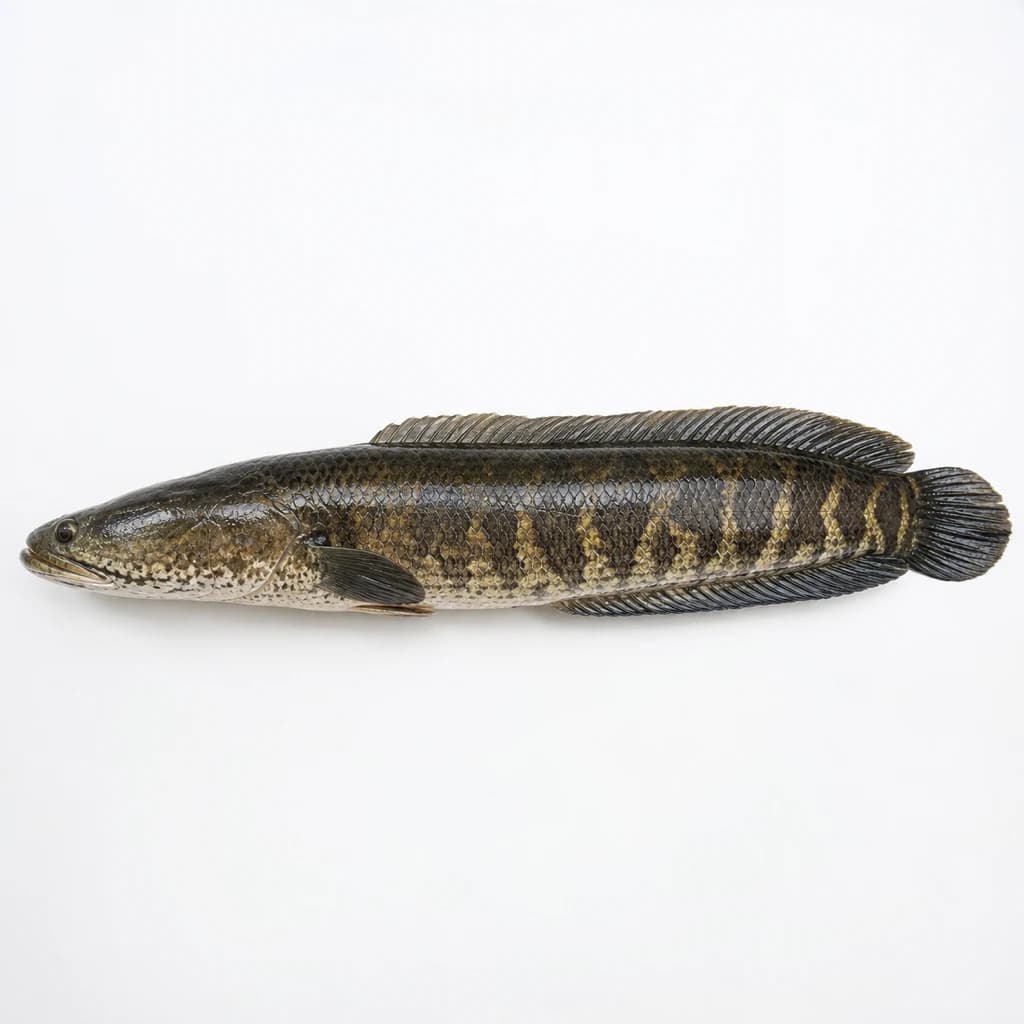
Natural form
Whole snakehead fish showing its elongated body, mottled brown-green scales, and distinctive flattened head.
Shows the reader how to identify an intact snakehead fish by its unmistakable physical form and coloration.
Proteins
Snakehead Fish (Trei Ros)
Firm freshwater fish central to Southeast Asian soups, curries, and fermented pastes.
Snakehead fish, known as trei ros in Cambodia, is a firm-fleshed freshwater fish widely used across Southeast Asia. It is grilled, fried, simmered in soups and curries, and is the traditional fish for Khmer dishes and fermented fish paste (prahok). Its meaty, mild flesh holds together well in stews.
Snakehead fish (Channa striata, known as trei ros in Vietnamese and trey chhundal in Khmer) is a firm-fleshed freshwater species native to the wetlands and rivers of Southeast Asia, with particularly deep roots in the cuisines of Vietnam's Mekong Delta and Cambodia. The flesh is white, lean, and fine-flaked, with a texture that holds together remarkably well under extended simmering — making it ideal for the soups and curries that define its use across the region. Unlike many white fish, snakehead has a mild, slightly sweet character that absorbs bold marinades and aromatics without asserting its own identity, which is precisely why it excels as a vehicle for the sour, spicy, and herbaceous flavors central to Indochinese cooking. In Vietnamese and Khmer cooking especially, trei ros is prized not as a budget substitute but as a genuinely versatile ingredient: its firm body survives stir-frying, steaming, grilling, and slow-cooking, and its bones and head make an exceptionally flavorful stock. The fish is widely farmed across Vietnam, Thailand, Cambodia, and Indonesia, and increasingly available frozen outside the region, though fresh specimens at Asian markets remain preferable for textural quality.
- Measured in
- g
- Storage
- Fridge
Allergens
Types & varieties
Most common culinary species; averaging 1-3 lbs; mild flavor, excellent for soups and light preparations
Larger species, can reach 30+ lbs; firmer, more robust flavor; often used grilled or in curries; may be called 'snakehead murrel'
Sourcing and Freshness
When purchasing snakehead, fresh is always preferable. Look for clear, bright eyes and bright red or pink gills — avoid any fish with sunken eyes, brown gills, or a strong ammonia smell, which indicates deterioration. The flesh should spring back when pressed. In Vietnamese and Khmer markets, you may find the fish alive or very recently killed, which guarantees optimal texture. Frozen snakehead is a reasonable substitute when fresh is unavailable; look for individually quick-frozen (IQF) fillets or whole fish with no ice glazing, and ensure the packaging is intact with no signs of freezer burn. Thaw frozen snakehead slowly in the refrigerator overnight for the best results — never at room temperature.
- Fresh: clear eyes, bright red gills, firm flesh that springs back
- Avoid: sunken eyes, brown gills, ammonia or sour odors
- Frozen: IQF preferred, no ice glazing, intact packaging
- Thaw in refrigerator overnight; never at room temperature
Preparation Fundamentals
Cleaning and preparing snakehead requires attention to detail. The thick skin scales easily with a blunt knife or the back of a spoon — work from tail toward head. After scaling, gut and rinse thoroughly under cold water. The dark bloodline running along the spine should be removed with a sharp knife, as it can impart a muddy or stronger fishy flavor; rinse the cavity with cold water and a squeeze of lime for best results. For soups and stews, cut the fish into thick chunks (1.5-2 inches) to prevent the flesh from disintegrating during extended cooking. For grilling or pan-frying, fillet the fish, removing all bones, and pat the flesh completely dry before cooking — and let it come to room temperature first to avoid steaming rather than searing. The head and bones are not waste: they make an exceptionally flavorful stock when simmered for 30-40 minutes with aromatics.
- Scale with blunt knife or spoon, tail to head
- Remove dark bloodline along spine for cleaner flavor
- Cut into thick chunks (1.5-2 inches) for soups to prevent breaking
- Pat fillets dry and bring to room temperature before searing
- Use head and bones for stock — simmer 30-40 minutes
Common uses
Tips & pitfalls
- Scale and clean thoroughly — snakehead has a thick skin that scales easily with a blunt knife or spoon
- Remove the dark bloodline along the spine for a cleaner flavor; rinse in cold water with a squeeze of lime
- For soups, cut into thick chunks (1.5-2 inches) to prevent the flesh from breaking apart during cooking
- When searing or grilling, pat flesh completely dry and let it come to room temperature first to avoid steaming
- Do not overcook — 3-4 minutes per side for fillets, or until flesh turns opaque and flakes slightly when pressed
- If substituting frozen, thaw slowly in refrigerator overnight; never thaw at room temperature
- The head and bones make excellent, flavorful stock — simmer for 30-40 minutes
Nutrition
Energy
519 kJ · per 100 g
Where the calories come from
Protein
20g
40% DV
Carbs
0g
0% DV
Fat
4.2g
5% DV
Fiber
0g
0% DV
Sodium
60mg
3% DV
Source · USDA FoodData Central · approx. Fish, bluefish, raw
View on FDC →In the shops
Matched grocery products
No matched grocery products for Snakehead Fish (Trei Ros) yet.
Good to know
- Origin
- Southeast Asia, widely farmed in Vietnam, Thailand, Cambodia, and Indonesia
- Species
- Channa striata (striped snakehead) most common for culinary use; also Channa micropeltes (giant snakehead)
- Vietnamese Name
- Trei Ros ( cá trei / cá rô đồng in different dialects)
- Thai Name
- Pla chon (ปลาช่อน)
- Khmer Name
- Trey chhundal
- Texture
- Firm, white flesh with fine flakes; holds together well in soups and curries
- Flavor
- Mild, slightly sweet; absorbs marinades and aromatics readily
- Fat Content
- Low; flesh is lean
- Yield
- Approximately 45-50% edible flesh after cleaning and filleting
- Storage
- Use within 1-2 days fresh; freeze for up to 3 months; keep on ice or refrigerated at 32-40°F
- Availability
- Fresh in Asian markets; also sold dried, fermented, or as fish sauce base; increasingly available frozen
Substitutes
- Catfish (Pangasius) — Similar firm texture and mild flavor; widely available; use 1:1
- Sea Bass (Barramundi) — Comparable flake and neutrality; slightly higher fat; excellent in soups; use 1:1
- Swai or Basa — Similar texture but milder; budget substitute; may be softer; use 1:1
- Carp (Common or Grass) — More available; stronger fishy flavor; rinse well and use in curries to mask; 1:1 ratio
Pairs with
Also called
Trei Ros · Mudfish
Appears in these dishes
Related
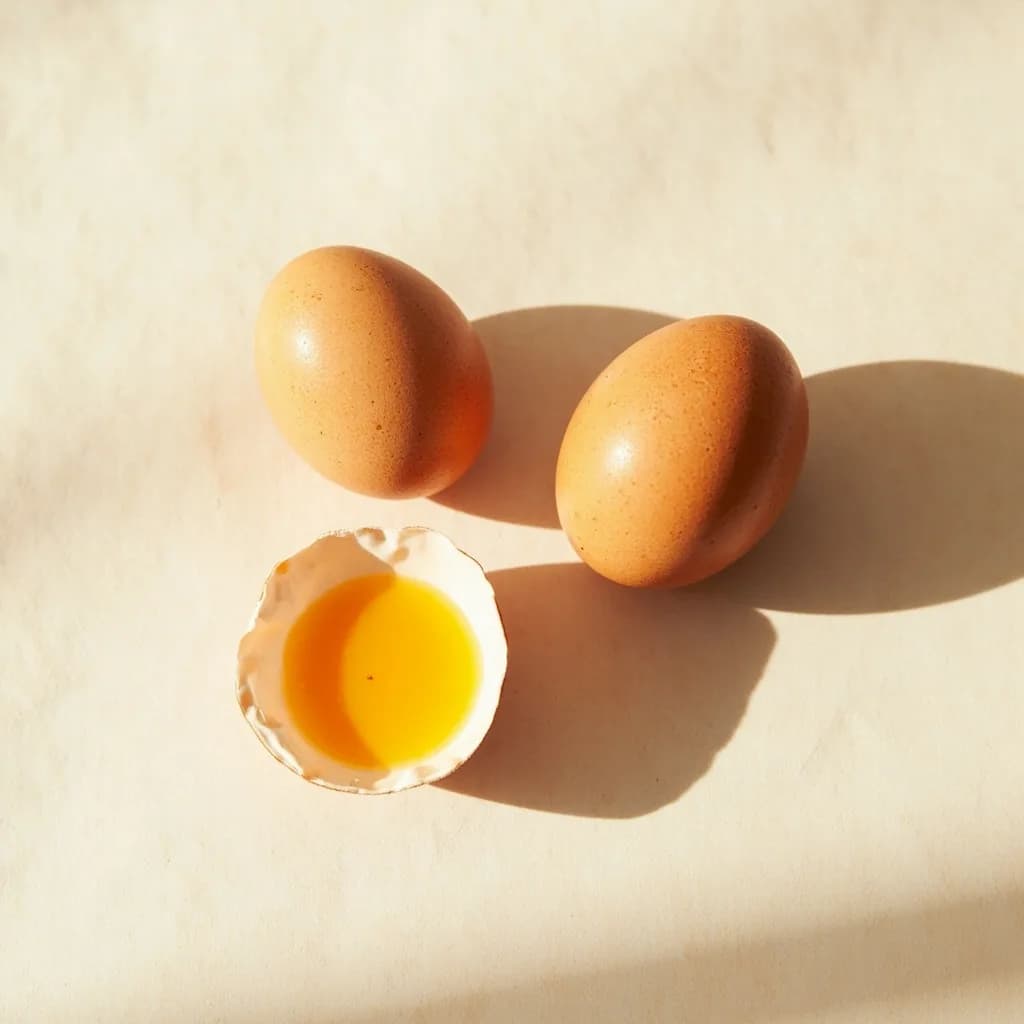
Egg
The kitchen's everything ingredient — bind, leaven, enrich, or fry
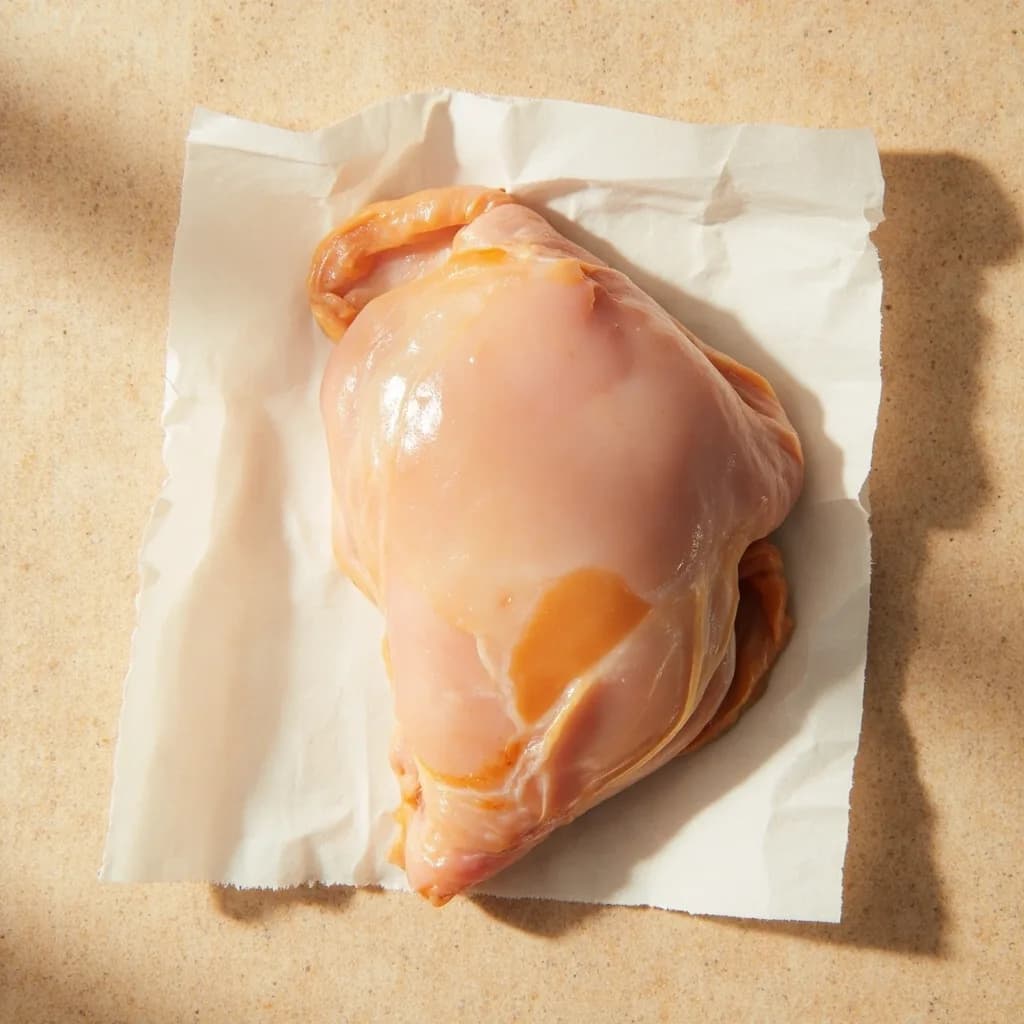
Chicken Breast
Lean, quick-cooking white meat for everyday dinners

Ground Beef
Versatile minced beef for burgers, ragù, tacos, and meatballs
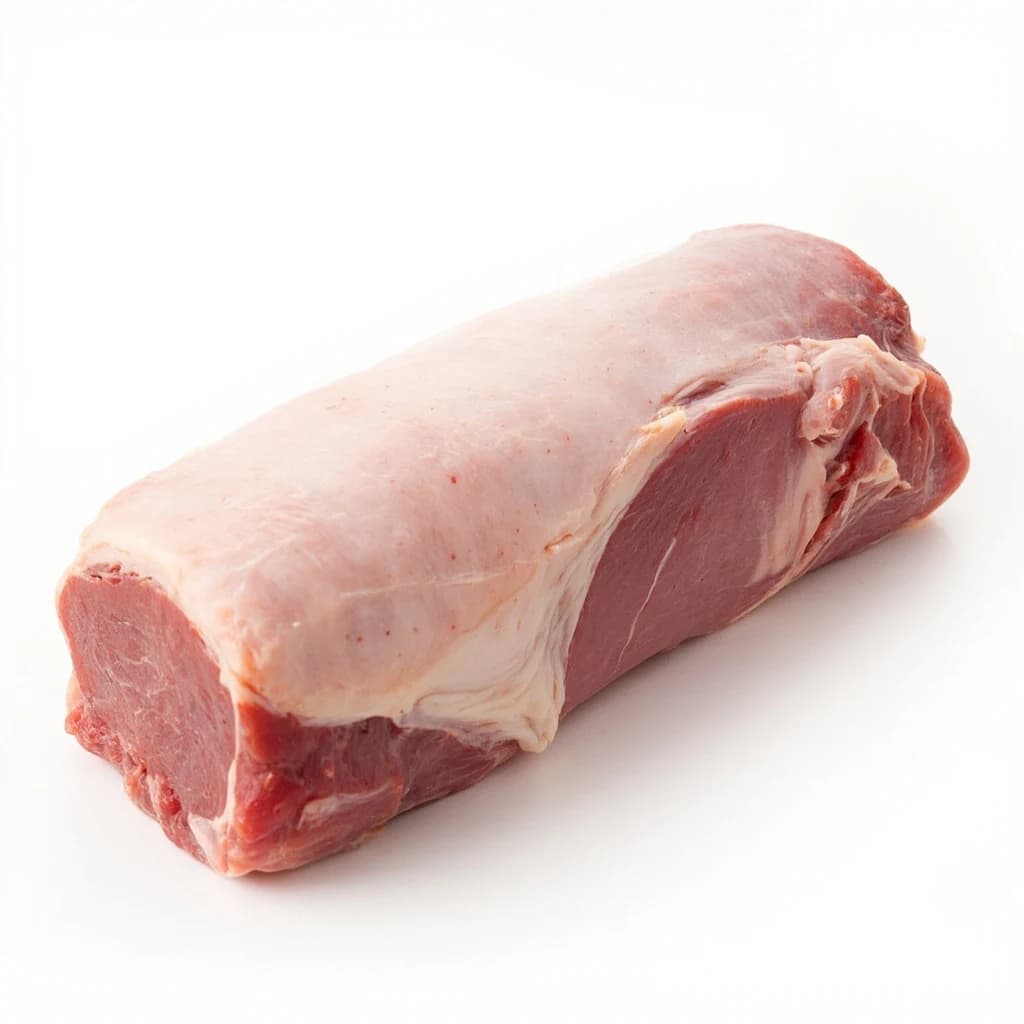
Pork Loin
Lean, tender roasting cut that stays juicy with care
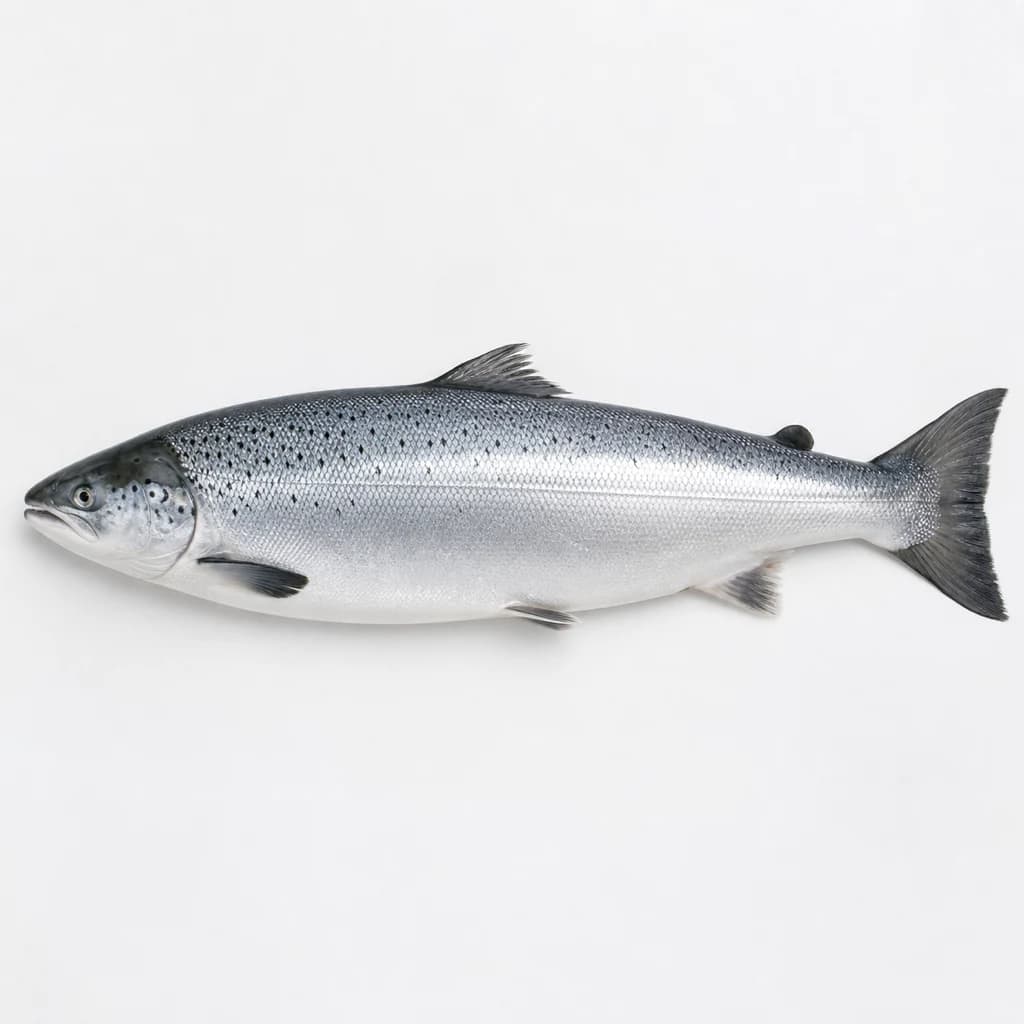
Salmon
Rich, rosy fish that roasts, grills, or cures beautifully

Egg White
Pure protein that whips to airy peaks for meringue and more

Egg Yolk
Rich, golden yolk for custards, mayonnaise, and pasta

Quail Egg
Tiny, speckled eggs for garnishing and elegant bites