Proteins
Soy Chunks
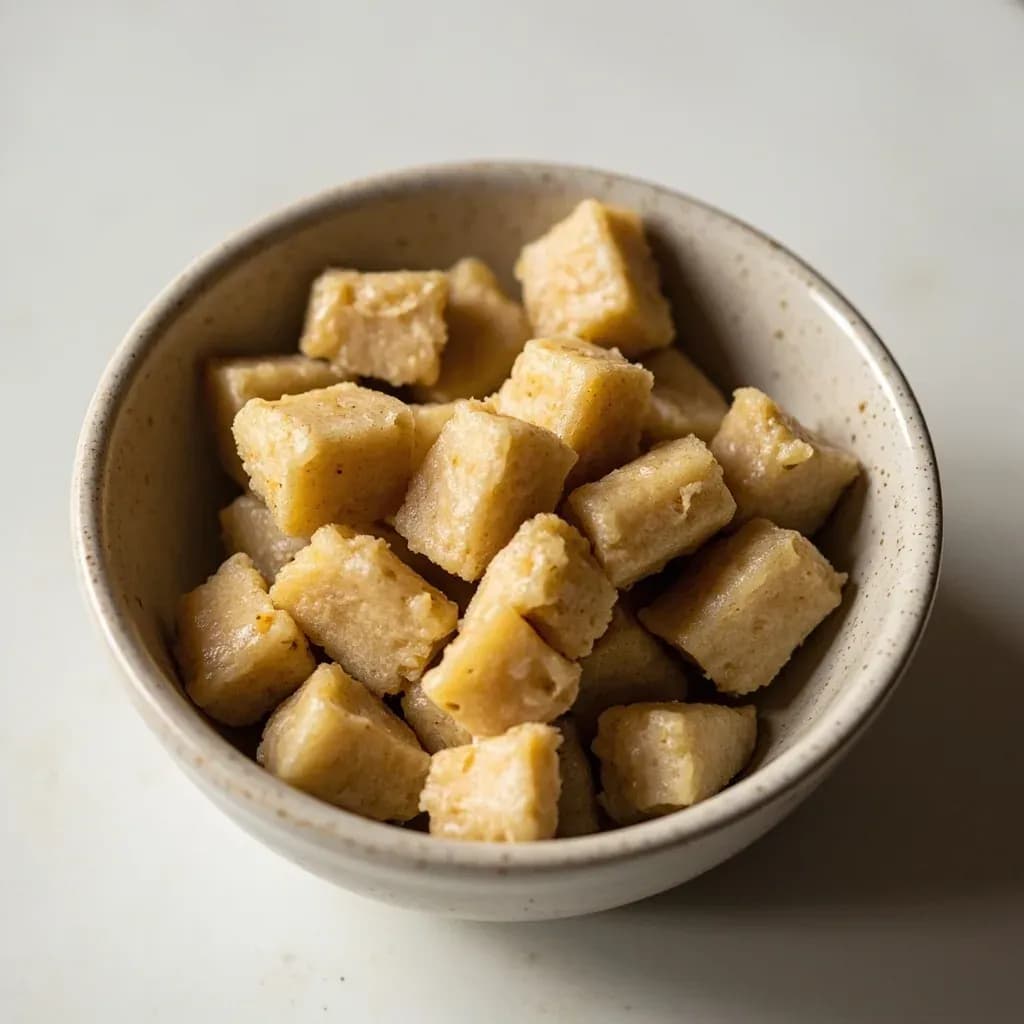
Dried defatted-soy nuggets rehydrated into a spongy, protein-rich meat substitute.
Soy chunks are dehydrated nuggets made from defatted soy flour, a popular high-protein vegetarian meat substitute especially in Indian cooking. They are boiled or soaked to rehydrate into a spongy texture, then squeezed and simmered in curries and stir-fries where they soak up sauce. They are inexpensive and shelf-stable.
Soy chunks are dried nuggets made from defatted soy flour, the protein-rich byproduct left after soybean oil has been pressed out. The flour is forced through an extruder under high heat and pressure, flash-dried, and shipped as light, porous pieces that look a bit like pale yellow rocks. Drop them in hot water and they swell to two and a half or three times their size, transforming into spongy, chewy morsels that drink in whatever you cook them in. That ability to absorb flavor — combined with a complete amino-acid profile and roughly 50 percent protein by dry weight — is why they've become one of the most economical meat substitutes on the planet, and a true pantry workhorse across the Indian subcontinent and beyond.
The chunks behave like a blank canvas with real bite. They aren't pre-cooked and they aren't seasoned, so the difference between a flat, rubbery dish and a deeply flavored one almost always comes down to how you soak, squeeze, and brown them. Treat the rehydration step as a seasoning step, and you'll get a result that holds its own in a smoky masala curry, a glossy Indo-Chinese stir-fry, or a chunky vegetable stew. Skip it, and you'll spend the rest of the cook wondering why everything tastes beany and thin.
A small bag goes a long way. A 200-gram pack — cheap enough to keep in the back of any pantry — yields well over a kilo of cooked product, which is one reason soya chunks have anchored institutional and budget-conscious kitchens for decades. They keep for one to two years sealed in a cool, dry cupboard, which makes them a more reliable protein than frozen alternatives for anyone who keeps a vegetarian kitchen.
- Measured in
- g
- Storage
- Pantry
Allergens
Types & varieties
Nugget-sized, about 1–2 cm pieces; the most common form, used in curries, pulao, and stir-fries
Crumb-sized; rehydrate in minutes and behave like ground meat in keema dishes, fillings, and pasta sauces
Mid-size between chunks and granules; newer to retail, useful when you want quicker soaking
Thin, flat pieces; rehydrate very fast and are common in snacks, upma, and porridge-style dishes
Some brands sell chunks pre-marinated (chicken-style, pepper, etc.); convenient but usually saltier
Sourced from non-GMO or organic soybeans; same product, often from specialty brands
Rehydrating and prepping
The single most important step in cooking with soy chunks is the soak. Get it right and the chunks become a meaty, flavor-absorbing asset; get it wrong and they'll dilute your gravy, refuse to brown, and taste flat. The principle is simple: heat, salt, and squeeze.
- Use boiling water or broth, not warm tap water — the heat fully opens the porous structure
- Salt the soaking liquid at about 1 teaspoon per cup of dry chunks so seasoning penetrates from the inside
- Soak 5–10 minutes for small pieces, 15–20 minutes for the largest chunks, until tender all the way through with no chalky core
- Lift out and squeeze firmly in handfuls to remove excess moisture; the drier the chunks go into the pan, the better they'll brown
- For a denser, less spongy texture, simmer the chunks in seasoned broth for 5–10 minutes after soaking
- Dry-toast unsoaked chunks in a dry pan for 2–3 minutes before soaking if you want a nuttier, firmer bite
Common uses
Tips & pitfalls
- Don't overcook in curry — add chunks in the last 10–15 minutes of simmering, or they turn soft and rubbery
- If a finished dish tastes flat, the chunks probably weren't salted during soaking and weren't squeezed dry; pan-fry them briefly first to concentrate flavor
- Stir-fry or shallow-fry rehydrated chunks until lightly browned before adding sauce — this step adds real depth and prevents a soggy finish
- Check the label: pure soy chunks list only defatted soy flour; avoid products with added starches, fillers, or MSG if you want a clean ingredient
- Rehydrated chunks freeze well in portions for 2–3 months; thaw in the fridge before using in curries or stir-fries
Nutrition
Nutrition
No USDA FoodData Central match for Soy Chunks yet. We surface a per-100 g profile once a generic whole-food entry is matched and verified.
In the shops
Matched grocery products
No matched grocery products for Soy Chunks yet.
Good to know
- Also known as
- Textured Vegetable Protein (TVP), textured soy protein (TSP), soya nuggets, soy meat
- Made from
- Defatted soy flour, a byproduct of soybean oil extraction
- Process
- Extrusion cooking: flour is forced through a die under high heat and pressure, then flash-dried
- Protein content (dry)
- Roughly 50–52% by weight, with a complete amino-acid profile
- Fat content (dry)
- Under 1%, since almost all the soy oil has been pressed out
- Rehydration ratio
- About 1 part dry chunks to 2½–3 parts boiling water or broth
- Soaking time
- 5–10 minutes in boiling liquid; longer in plain hot water
- Yield
- 1 cup dry yields roughly 2½–3 cups rehydrated
- Shelf life (dry, sealed)
- 12–24 months in a cool, dry pantry
- Shelf life (rehydrated)
- 2–3 days refrigerated in a covered container
- Gluten status
- Naturally gluten-free, but check labels for cross-contamination
Substitutes
- Tempeh — Firmer and nuttier, made from whole fermented soybeans; similar protein density but a distinct fermented flavor
- Seitan — Wheat-based; chewier and more meat-like, but not suitable for gluten-free diets
- Extra-firm tofu (pressed and cubed) — Milder flavor and softer texture; works in stir-fries but won't soak up sauce the same way
- Paneer — Indian cottage cheese; similar role in North Indian vegetarian cooking, but much higher in fat and lower in fiber
- Mushrooms (king oyster or portobello) — Provide a meaty chew and umami but far less protein; best in stir-fries and pasta, not heavy curries
- Cooked chickpeas or white beans — Mashed or whole for keema-style dishes; earthier flavor and softer texture at similar protein levels
Pairs with
Also called
Soya Chunks · Soya Pieces · Meal Maker
Related
Egg
The kitchen's everything ingredient — bind, leaven, enrich, or fry
Chicken Breast
Lean, quick-cooking white meat for everyday dinners

Ground Beef
Versatile minced beef for burgers, ragù, tacos, and meatballs
Pork Loin
Lean, tender roasting cut that stays juicy with care
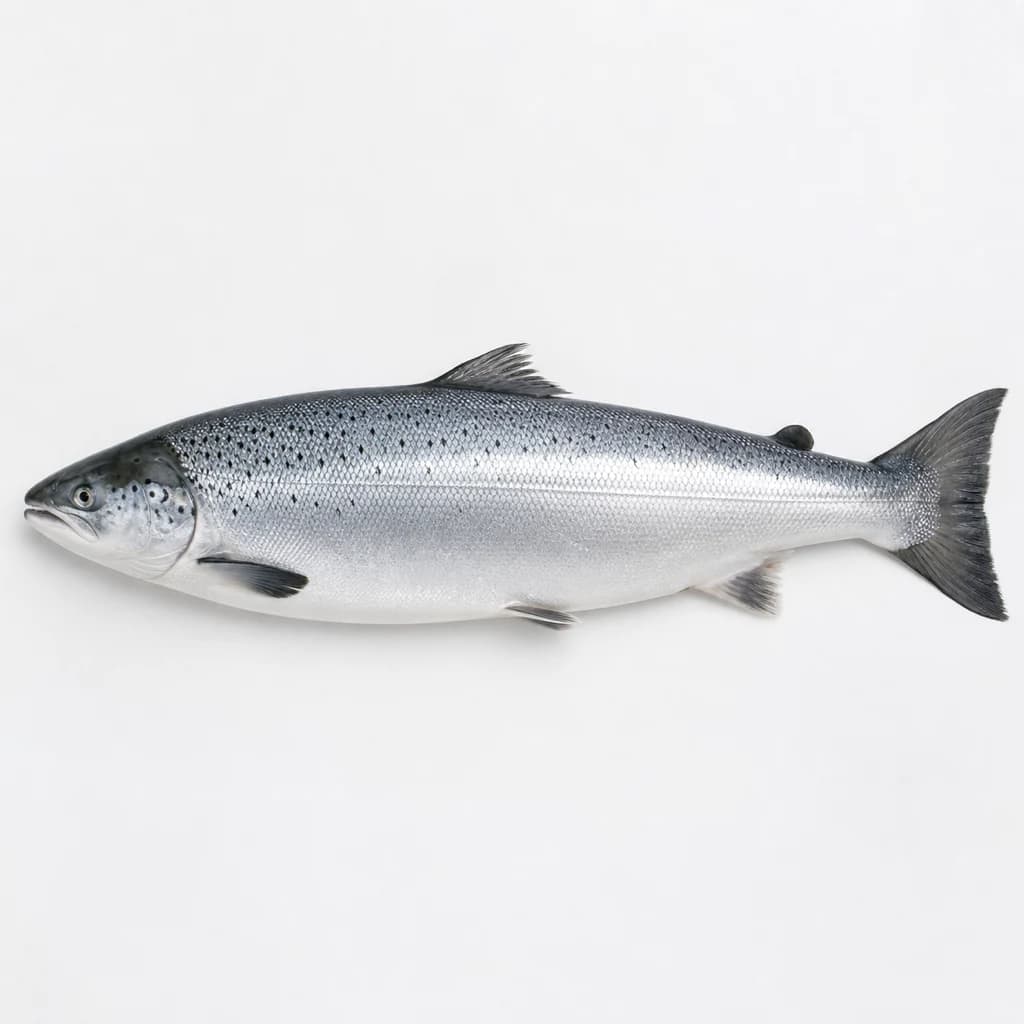
Salmon
Rich, rosy fish that roasts, grills, or cures beautifully

Egg White
Pure protein that whips to airy peaks for meringue and more
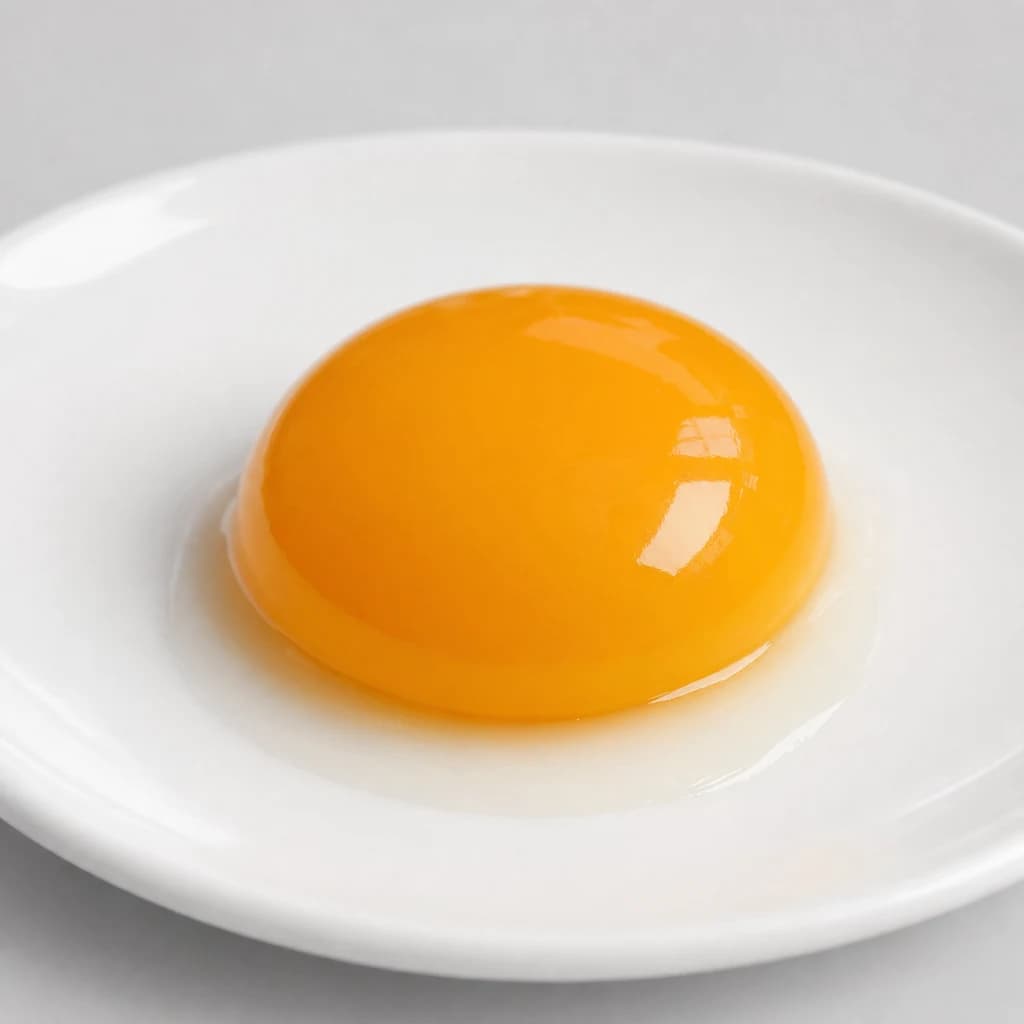
Egg Yolk
Rich, golden yolk for custards, mayonnaise, and pasta

Quail Egg
Tiny, speckled eggs for garnishing and elegant bites