Legumes & Beans
Split Pea
Dried, halved field peas (green or yellow) that cook down into thick soups and dals.
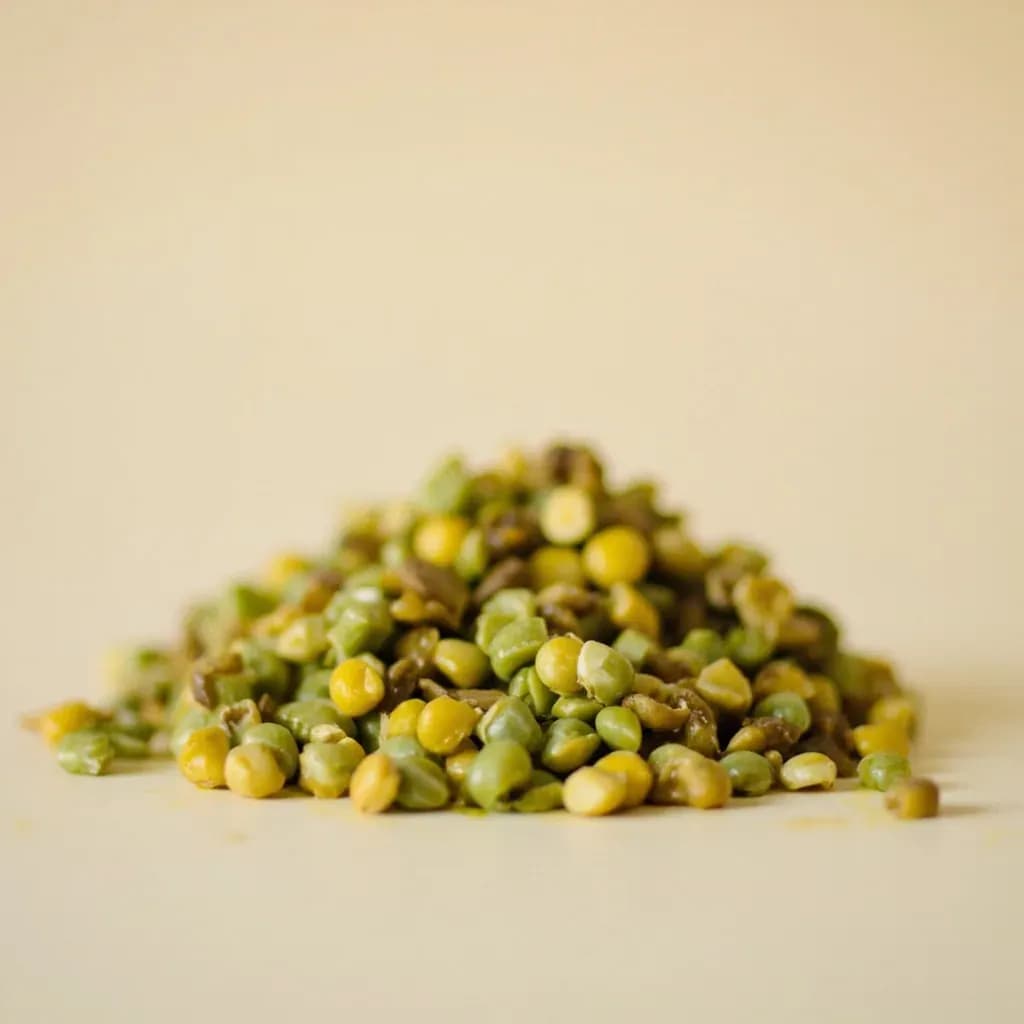
Split peas are dried field peas with the skins removed and the seeds split in half, sold in green or yellow varieties. They cook relatively quickly into a soft, starchy purée and are classic in split-pea soup, Indian dals, and Scandinavian and Caribbean stews. They need no soaking and break down into a creamy, comforting base.
Split peas are field peas that have been dried, skinned, and split along their natural seam, producing two pale-green or yellow halves. This processing removes the tough outer hull, which is why split peas cook faster and break down more readily than whole dried peas. The starch inside is released freely during cooking, creating the signature cloudy, thickening liquid that makes split peas indispensable for silky soups, smooth dals, and hearty stews. Green split peas are harvested slightly immature and retain a faint vegetal sweetness; yellow peas are harvested fully ripe and develop a milder, nuttier flavor that turns creamy when cooked. Neither variety requires soaking, though a brief 2–4 hour soak cuts cooking time by about 15–20 minutes and can improve digestibility. Split peas are among the most forgiving dried legumes: even unsoaked, they reliably turn tender in under an hour, making them a reliable weeknight protein.
- Measured in
- g
- Storage
- Pantry
Types & varieties
Slightly sweeter and more vegetal; hold their shape a bit better when cooked; most common in Northern European and North American soups.
Milder and nuttier with a slightly earthier tone; break down into a creamier consistency; the preferred choice for Indian dal.
Why split peas behave the way they do
Split peas contain no added preservatives or hardeners—they simply lack the moisture to support bacterial growth, which is why they last for years. Their quick-cooking nature comes from the removal of the outer skin during splitting; that skin is what makes whole dried peas tough and slow to hydrate. The starches in split peas are water-soluble and gelatinize rapidly, which is why the cooking liquid turns cloudy and thick. This starch is your friend when you want body in a soup, but it means that aggressive stirring during cooking will break the peas into a grainy paste before they heat through evenly. The practical rule: stir gently and only when necessary until the peas are fully tender.
- Green peas: harvested immature → slightly sweeter, more vegetal, firmer texture when cooked
- Yellow peas: harvested mature → nuttier, earthier, creamier breakdown when cooked
- Starch in cooking water is flavorful—save it or reduce it into the dish
- Acid and salt both interfere with softening if added too early
Salt and acid: timing matters
This is the most common reason split pea dishes fail. Adding salt to cooking water early causes the peas' outer layers to firm up and prevents water from penetrating the starch core—the same science behind brining meat. Acid (tomato, lemon juice, vinegar) works similarly, coating the pea surface and blocking hydration. The fix is straightforward: add salt and acid only in the last 15 minutes of cooking, once the peas are already tender. If you are building a soup with broth as the cooking liquid, use salt-free or low-salt stock and season aggressively at the end.
- Salt → add only when peas are nearly done
- Acid (tomato, citrus, vinegar) → add only in last 15 minutes
- Old peas may never soften regardless of technique—check the crop year if possible
Common uses
Tips & pitfalls
- Rinse split peas in a fine-mesh strainer before cooking to remove dust and any small debris.
- Skim the foam that rises during the first 5–10 minutes of boiling—this improves both flavor and appearance.
- Add a small piece of kombu (dried kelp) to the cooking water to speed softening and reduce the gas-causing compounds that make legumes hard to digest.
- Cook in generously salted water so the peas season evenly throughout, not just on the surface.
- Save the cooking liquid—it is starchy, savory, and makes an excellent stock or sauce base.
- For a smooth soup or dal, blend only partially cooked peas for a silkier result; fully cooked peas blend more easily but may become slightly gummy.
- Add acidic ingredients (tomato, lemon, vinegar) only in the last 15 minutes, or the peas will refuse to soften.
- Do not over-stir while the peas are cooking; aggressive stirring breaks them into a starchy paste before they heat through evenly.
- If peas remain hard after 60–90 minutes of cooking, they are too old; no amount of additional cooking will fix them.
- Season generously at the end—split peas need salt to develop their full, earthy flavor.
- For the creamiest yellow dal, rub cooked peas against the pot wall with a wooden spoon to release starch, then stir back into the mixture.
Nutrition
Energy
1523 kJ · per 100 g
Where the calories come from
Protein
23.1g
46% DV
Carbs
61.6g
22% DV
Fat
3.9g
5% DV
Fiber
22.2g
79% DV
Sugars
3.1g
of which
Sodium
5mg
0% DV
Source · USDA FoodData Central · Peas, green, split, mature seeds, raw
View on FDC →In the shops
Matched grocery products
No matched grocery products for Split Pea yet.
Good to know
- Scientific name
- Pisum sativum
- Category
- Dried legume
- Protein content
- About 26 g per 100 g dry weight
- Fiber content
- About 16 g per ½ cup dry
- Fat content
- Nearly fat-free
- Gluten-free
- Yes
- Cooking time (unsoaked)
- 45–60 minutes in plain water
- Yield
- 1 cup dry yields 2–2½ cups cooked
- Shelf life
- 2–3 years in a cool, dry pantry; longer if sealed
Substitutes
- Yellow peas — Direct substitute for green; virtually identical in cooking behavior, with slightly different flavor.
- Red split lentils — Cook faster and break down more completely; use two-thirds the amount by volume; not interchangeable where texture matters.
- Pigeon peas (toor dal) — Good for Indian-style preparations; similar cooking time and behavior.
- Marrowfat peas — Used similarly in British cuisine; slightly larger and more mealy.
- Dried green peas — Whole peas need longer cooking and soaking; texture will be firmer.
Pairs with
Also called
Split Peas · Lapeh · Yellow Split Pea · Green Split Pea
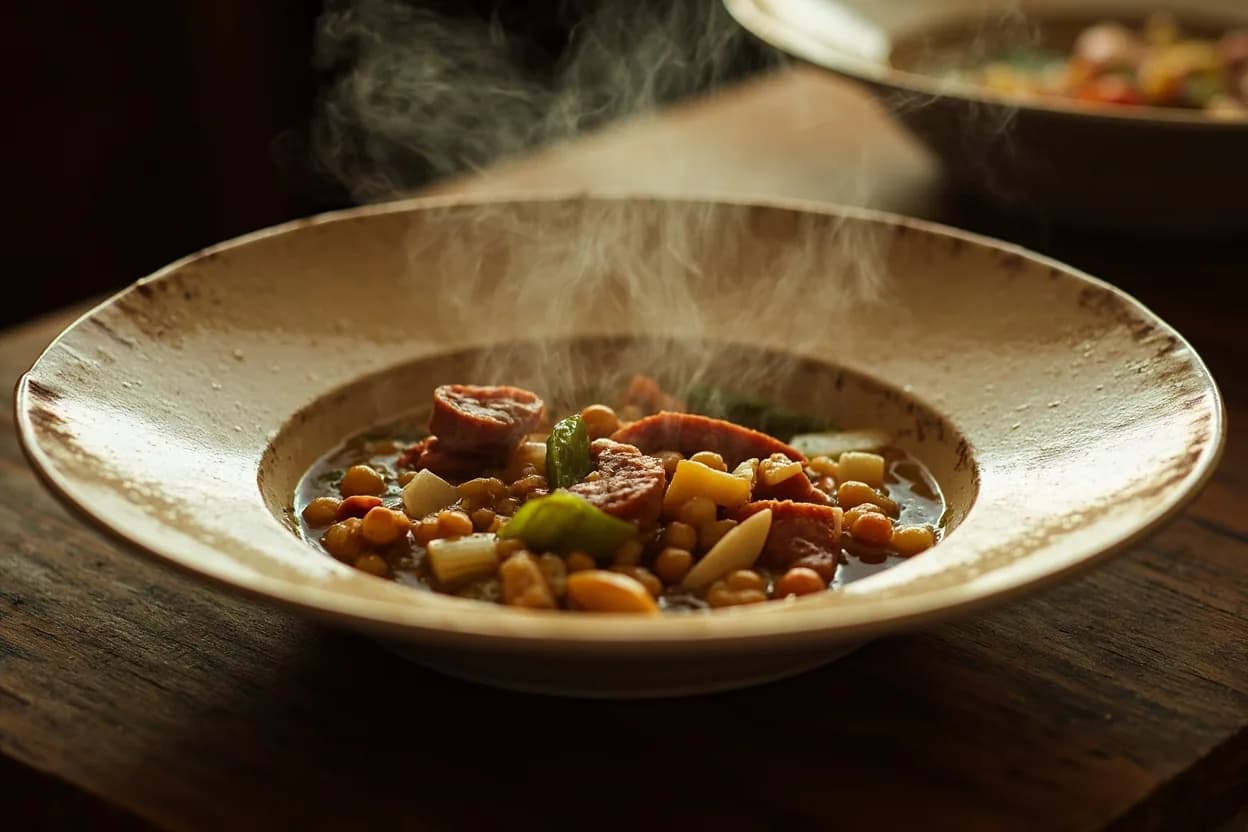
Appears in these dishes
Related
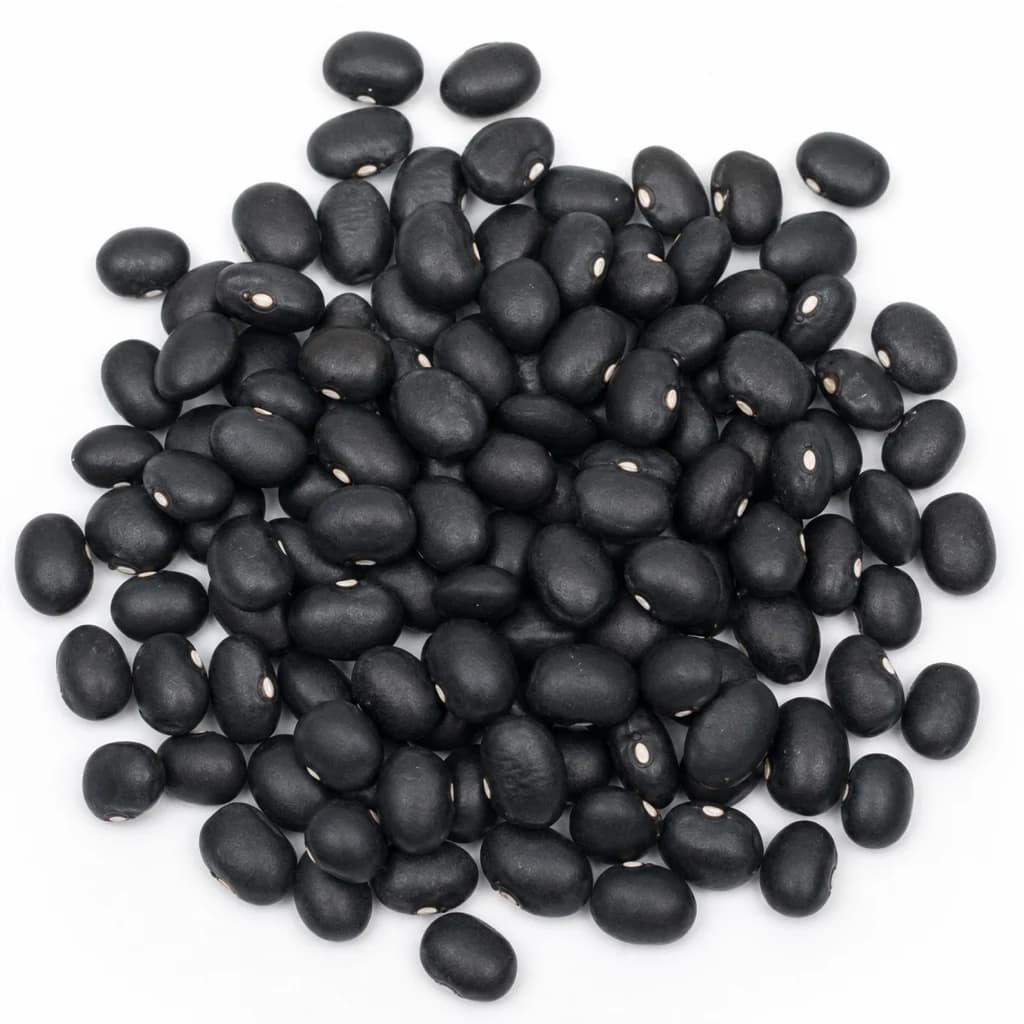
Black Beans
Earthy, creamy beans for bowls, soups, and tacos
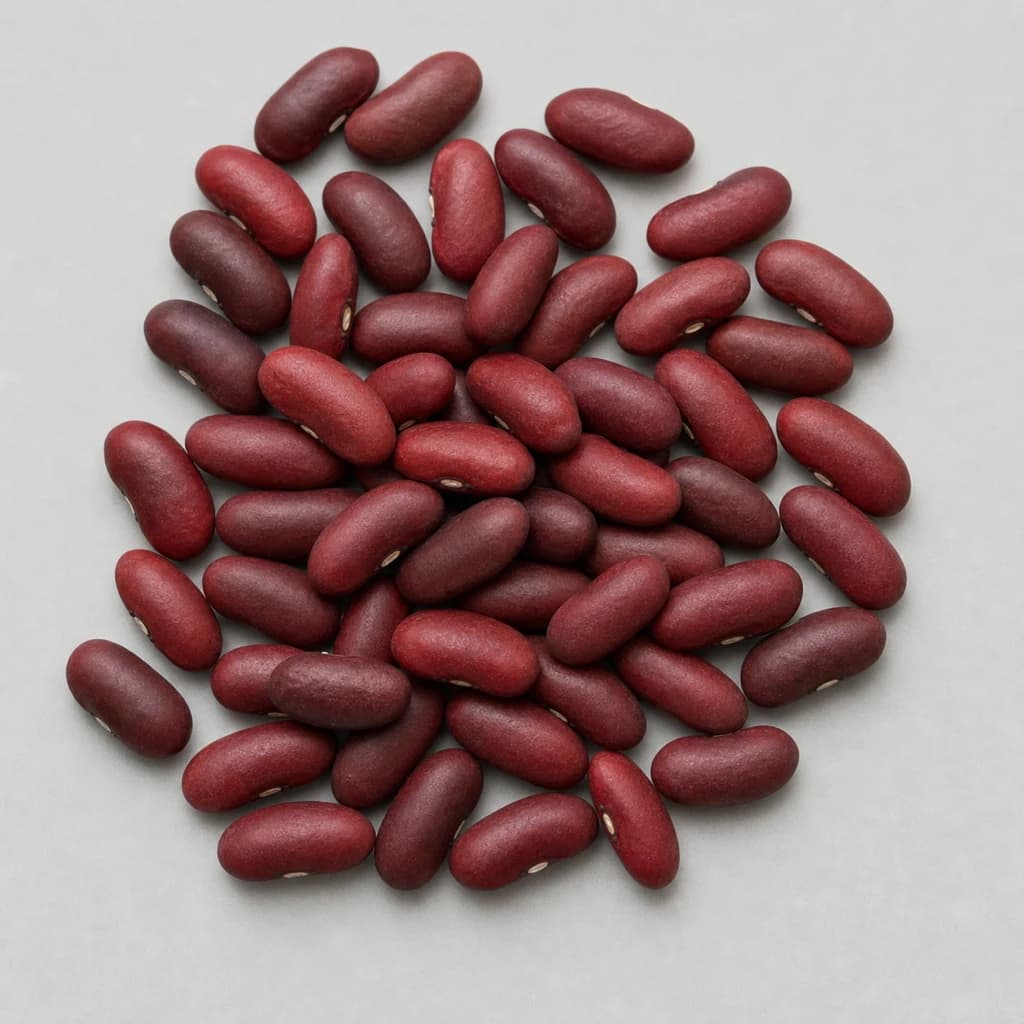
Kidney Beans
Hearty red beans that hold their shape in chili and stews
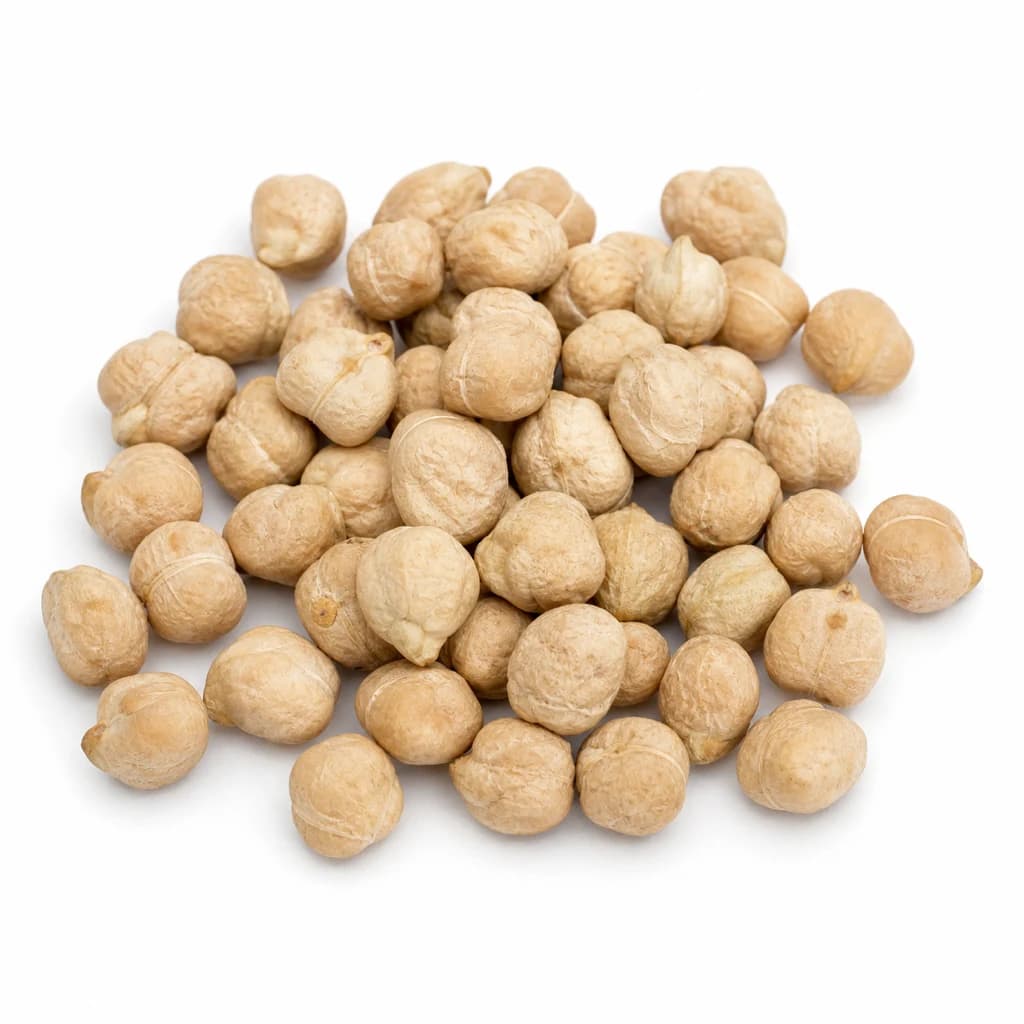
Chickpeas
Nutty, versatile beans for hummus, curries, and roasting
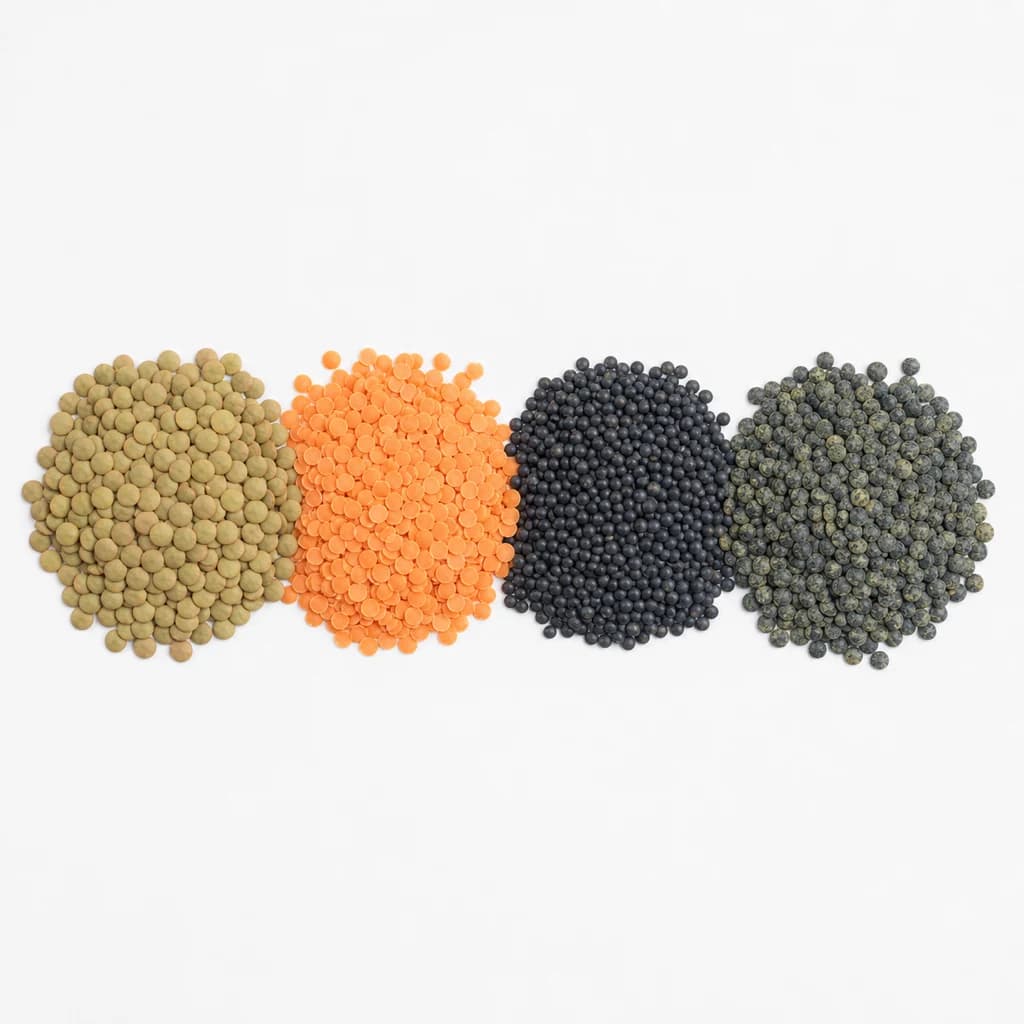
Lentils
Quick-cooking pulses for soups, dals, and hearty salads

White Beans
Creamy, mild beans for soups, stews, and silky purées
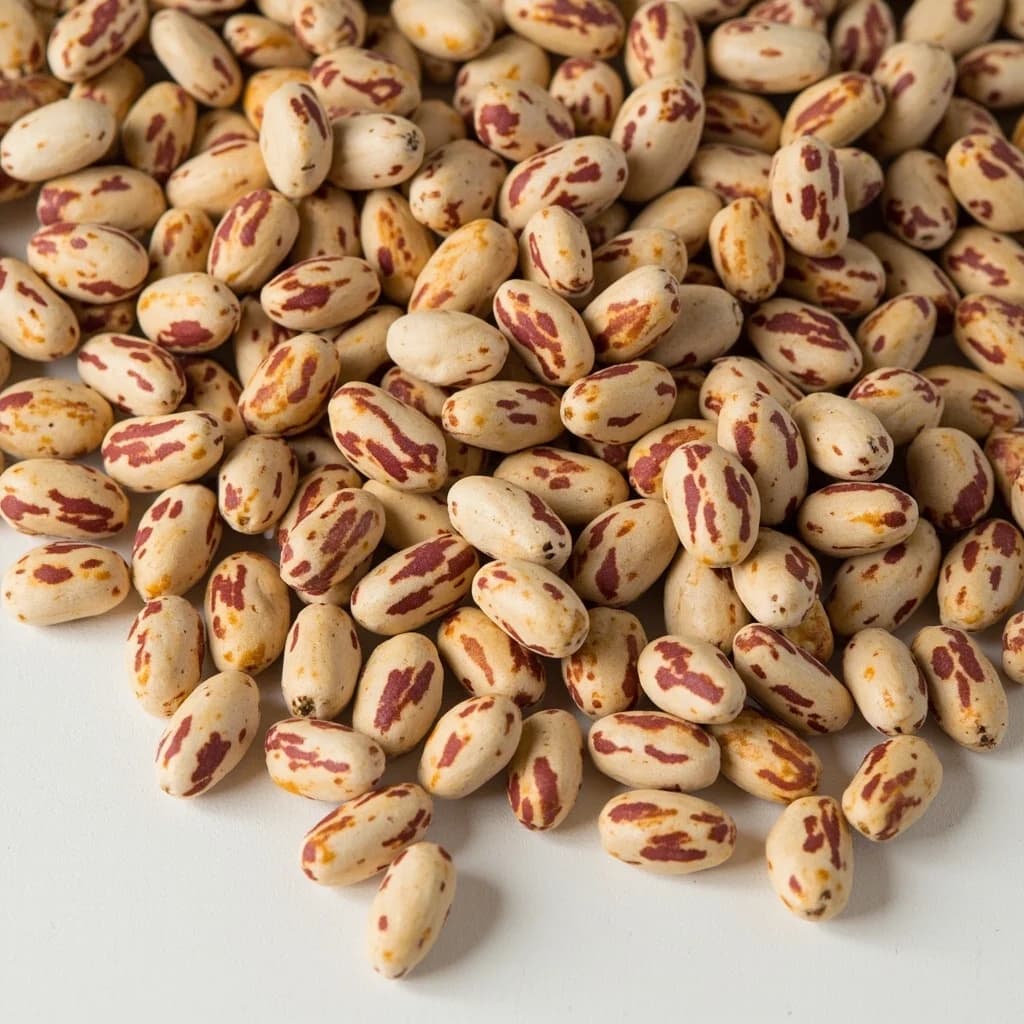
Pinto Beans
Creamy, speckled beans for refried beans and stews

Split Peas
Quick-cooking peas that melt into thick, comforting soups
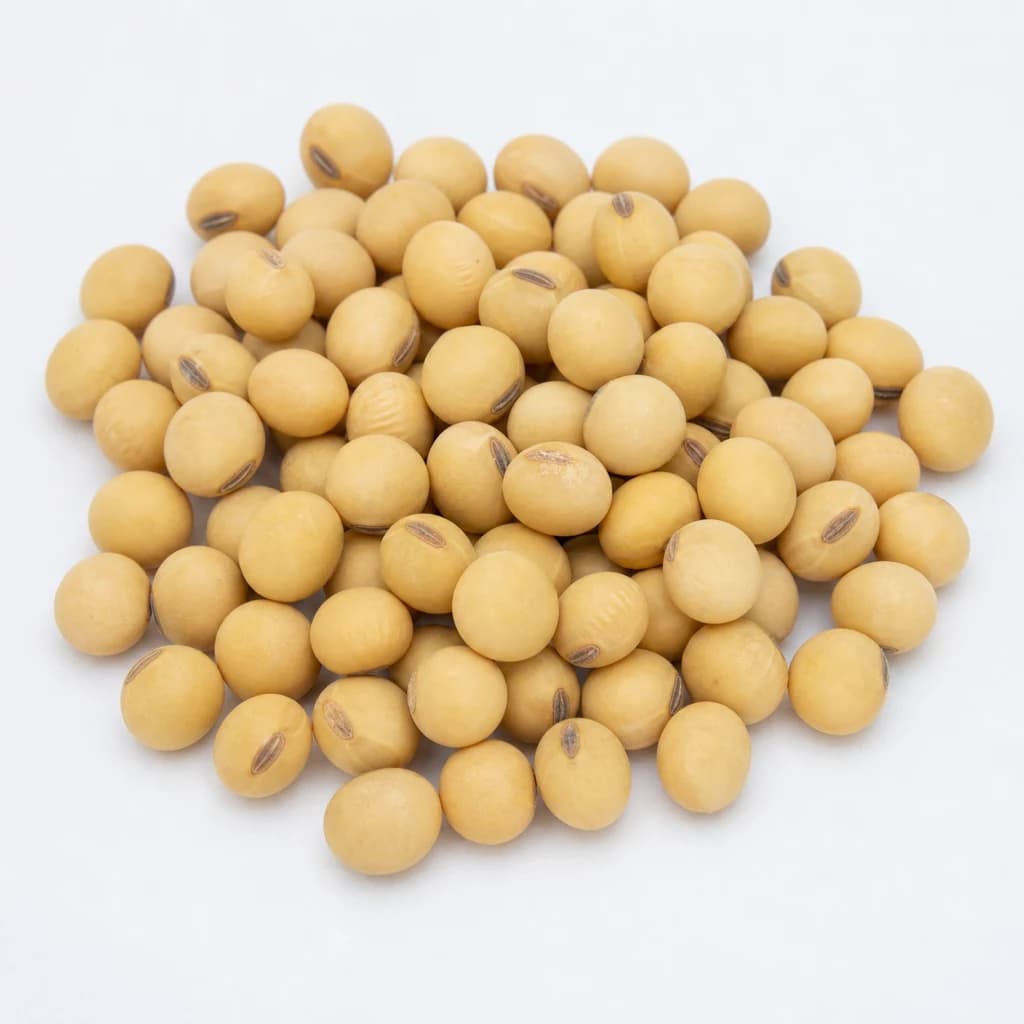
Soybeans
Protein-packed beans, the base for tofu and miso