Proteins
Stockfish
Unsalted air-dried cod, hard as wood; soaked for days then stewed in Mediterranean and African dishes.
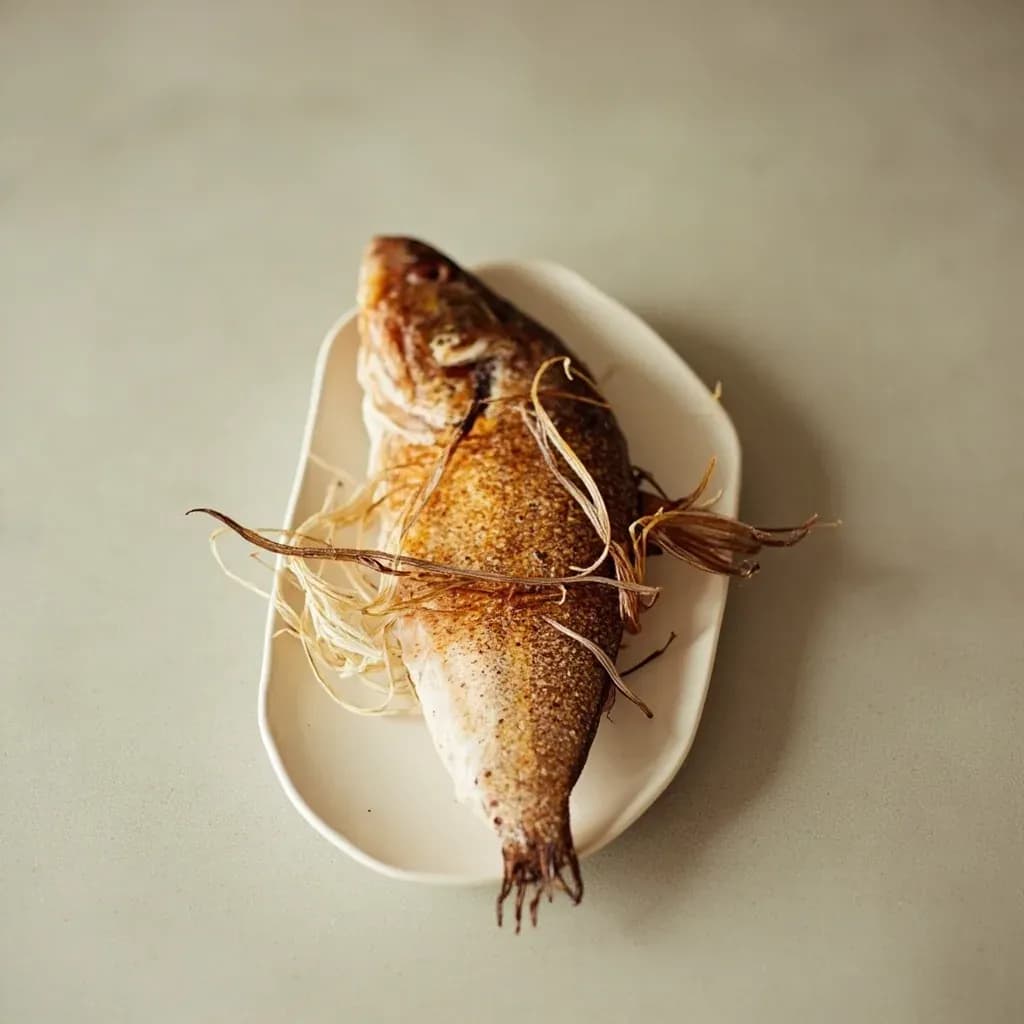
Stockfish is cod (or related whitefish) preserved by air-drying on wooden racks without salt, mainly produced in Norway. Rock-hard when dry, it must be soaked for days to rehydrate before cooking, after which it becomes a key ingredient in dishes like Italian baccalà-style stews and Nigerian okazi and egusi soups. The drying concentrates a strong, distinctive fishy umami flavor.
Stockfish is unsalted air-dried Atlantic cod (Gadus morhua) hung on open wooden racks called hjell in the cold, windy coastal climate of Norway and neighboring regions. The drying process, which takes two to four months from January through April, reduces moisture content from roughly 80% in fresh fish to just 10–15%, leaving a rock-hard product that must be soaked for days before cooking. This ancient preservation method, documented since the Viking Age around 800 AD, creates a concentrated reservoir of umami that defines the flavor of dishes across Norway, Italy, and West Africa.
The distinction between stockfish and its cousin baccalà is critical: stockfish is dried WITHOUT salt, while baccalà is salt-cured THEN dried. In Italian markets, stoccafisso specifically denotes unsalted Norwegian-style stockfish, and baccalà refers to the salted version. Confusing them will ruin a recipe—baccalà requires much less soaking and carries its own saltiness, while stockfish rehydrates to a clean, mineral sea flavor with pronounced savory depth and no saltiness whatsoever.
In West African markets, Norwegian stockfish—particularly the loins and heads—is a distinct ingredient category from local smoked or sun-dried fish. The heads and bones are prized separately for making deeply savory stocks. The texture when properly soaked and cooked is firm and meaty, yielding flakes that hold their structure in slow-cooked stews. The cooking liquid becomes naturally gelatinous from the collagen released during long simmering, making it a natural thickener and flavor base.
- Measured in
- g
- Storage
- Pantry
Allergens
Types & varieties
Whole gutted cod, headed; the most common and versatile form
Norwegian native term for air-dried fish; stockfish is technically a subset of tørrfisk referring specifically to unsalted cod; premium grades classified by quality (first, second, third) based on color, smell, and fat content
Stockfish from the Lofoten archipelago; considered the finest quality; carries PDO-style regional identity
Medium-quality stockfish from specific coastal regions of Norway
Seasonal migratory cod (January–April) used for stockfish; prized for firm texture and high fat content
Norwegian term for monkfish tail dried as stockfish; a specialty product
Italian term specifically for Norwegian-style unsalted stockfish; not the same as baccalà
Wet-salted then dried; often confused with stockfish but is a different product — salt-cured before drying; requires less soaking time
Soaking: The Make-or-Break Step
Proper soaking transforms rock-hard dried fish into cookable flesh. This is not a step to rush or approximate. The fish must be submerged in cold water (never warm—the flesh will turn mushy and hydrate unevenly), and the water must be changed every 8–12 hours to prevent the inner flesh from souring. A general rule: allow 24 hours of soaking per centimeter of thickness at the thickest part. Test readiness by pressing the thickest section—it should yield like fresh cooked fish, not resist like leather or felt. Undersoaked stockfish will be chalky and hard at the center even after hours of cooking.
- Use a container large enough to fully submerge the fish and allow water circulation
- Score deep cuts into the thickest sections to accelerate hydration
- For a slight speed advantage, soak first in lightly salted water for the first few hours, then switch to fresh water
- The soaking water itself becomes a mild fish stock—save it for soups or risottos if you like
Breaking Dry Stockfish
Never attempt to cut dry stockfish with a knife—you will damage the blade and accomplish nothing. The fish fractures like hardwood. To break it into usable pieces, place the whole fish on a sturdy surface (concrete floor or solid cutting board on the counter) and strike with a meat cleaver or heavy mallet at the natural joints. Work from the tail toward the head, or simply drop the fish onto the floor from a height of about three feet—it will crack along natural fault lines. Wear eye protection; fragments can fly. After breaking, check the spine and rib bones and remove any that would be unpleasant in the finished dish.
- Break into pieces that fit your cooking vessel—you cannot saw or chop dried stockfish
- Work over newspaper or a drop cloth; small fragments will scatter
- Examine the broken faces for any dark discoloration or off-smells indicating spoilage
Common uses
Tips & pitfalls
- Soak in COLD water — warm water will turn the flesh mushy and unevenly hydrated
- Change the soaking water every 8–12 hours to prevent souring of the inner flesh
- Allow roughly 24 hours of soaking per centimeter of thickness; undersoaked stockfish will be chalky and hard at the center
- Test readiness by pressing the thickest part — it should yield like fresh fish, not resist like leather
- After soaking, poach gently in milk (traditional Italian method) or lightly salted water to finish cooking; do not boil vigorously or the flesh will shred
- To speed soaking: score deep cuts into the thickest sections before submerging; alternatively, soak in lightly salted water for the first few hours, then switch to fresh water
- Never attempt to cut dry stockfish with a knife; use a meat cleaver or drop it on a hard surface to break — it fractures like hardwood
- Store dried stockfish in a cool, dry, ventilated area; never in sealed plastic, which traps humidity and causes mold
- When cooking West African-style, use a heavy pot — the fish releases significant collagen and the stew benefits from steady, even heat
Nutrition
Energy
1213 kJ · per 100 g
Where the calories come from
Protein
62.8g
126% DV
Carbs
0g
0% DV
Fat
2.4g
3% DV
Fiber
0g
0% DV
Sugars
0g
of which
Sodium
7027mg
306% DV
Source · USDA FoodData Central · approx. Fish, cod, Atlantic, dried and salted
View on FDC →In the shops
Matched grocery products
No matched grocery products for Stockfish yet.
Good to know
- Origin
- Norway; documented since Viking Age (c. 800 AD); also produced in Iceland, Newfoundland, and the Faroe Islands
- Primary Fish
- Atlantic cod (Gadus morhua); occasionally haddock or pollock
- Preservation Method
- Air-dried on open wooden racks (hjell) in cold, windy coastal climate; no salting, no freezing
- Drying Time
- 2–4 months, typically from January to April
- Final Moisture Content
- Approximately 10–15% (vs. ~80% in fresh cod)
- Shelf Life
- 2–3 years when stored dry in a cool, ventilated space
- Soaking Time
- 24–72 hours in cold water, depending on thickness; change water every 8–12 hours
- Flavor
- Pronounced umami; intensely savory; clean, mineral sea flavor with no saltiness
- Texture (dried)
- Rock-hard; cannot be cut with a knife; must be soaked before use
- Culinary Regions
- Norway, Italy (stoccafisso and baccalà), West Africa (Nigeria, Ghana, Senegal)
Substitutes
- Saltfish (salted cod, rehydrated) — Saltfish has been brined and carries significant sodium; it cannot fully replace the clean, intensely savory flavor of stockfish; if used, soak and change water very frequently to reduce saltiness, and expect a different result — baccalà, not stockfish
- Dried haddock — Similar drying method; slightly sweeter flesh; acceptable in Scandinavian preparations; soak and treat identically
- Fresh cod poached with MSG or dried porcini — Approximates the umami depth but not the texture or concentrated flavor; useful in a pinch for non-traditional dishes
Pairs with
Also called
Dried Cod · Tørrfisk · Okporoko
Appears in these dishes
Related
Egg
The kitchen's everything ingredient — bind, leaven, enrich, or fry
Chicken Breast
Lean, quick-cooking white meat for everyday dinners

Ground Beef
Versatile minced beef for burgers, ragù, tacos, and meatballs
Pork Loin
Lean, tender roasting cut that stays juicy with care
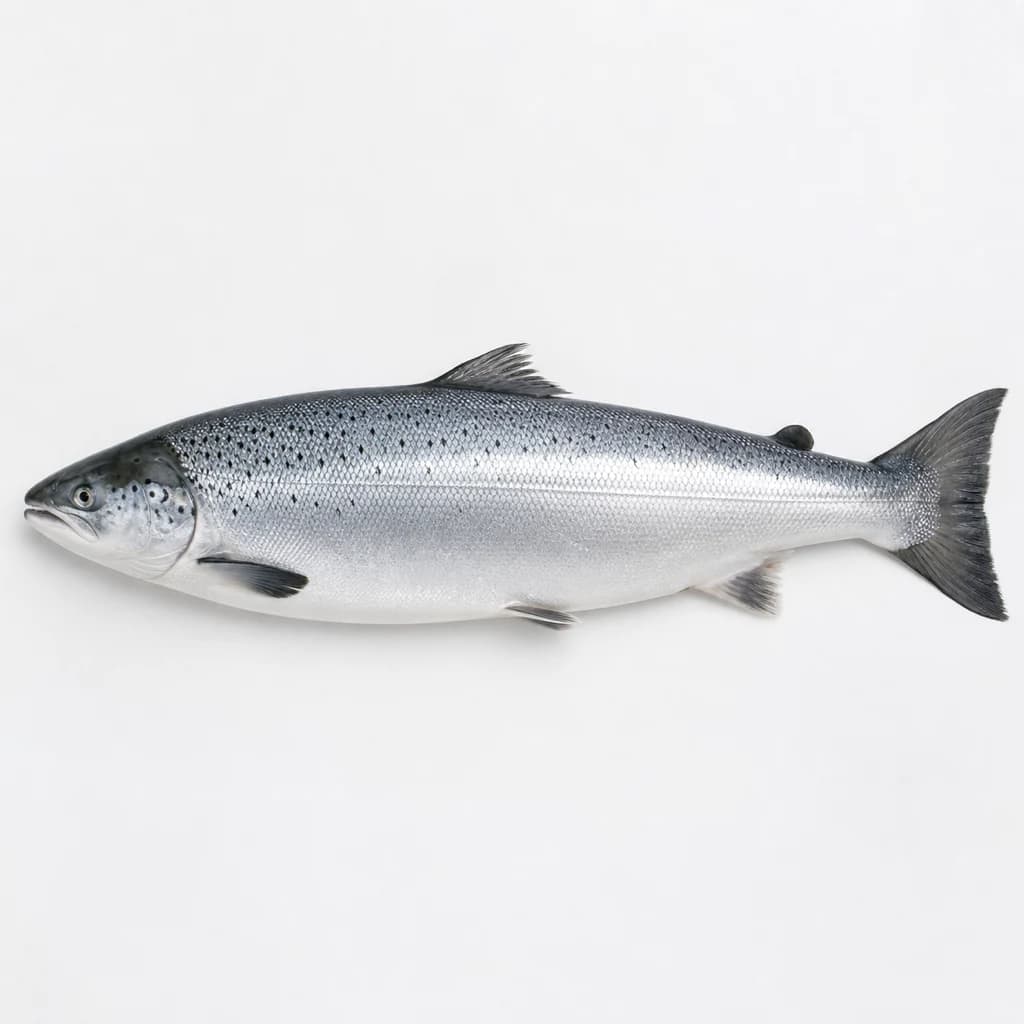
Salmon
Rich, rosy fish that roasts, grills, or cures beautifully

Egg White
Pure protein that whips to airy peaks for meringue and more
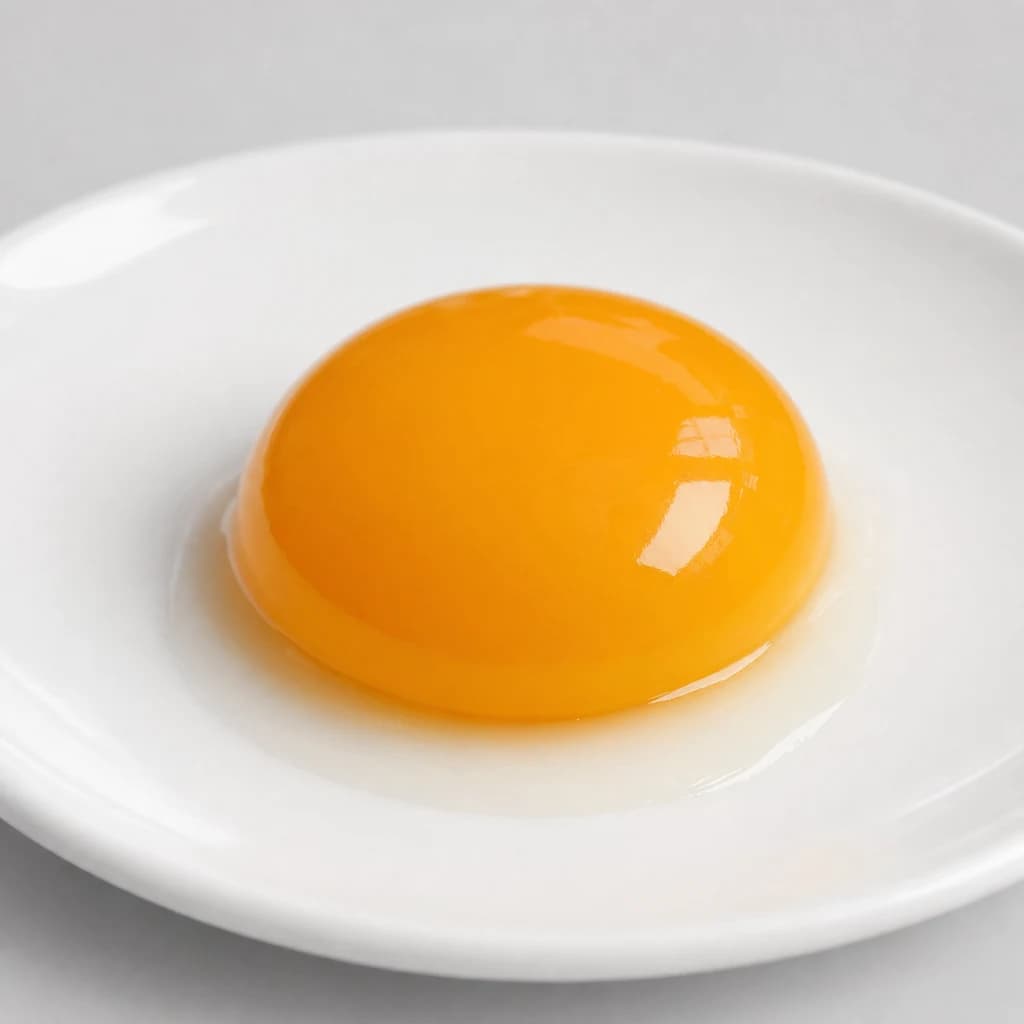
Egg Yolk
Rich, golden yolk for custards, mayonnaise, and pasta

Quail Egg
Tiny, speckled eggs for garnishing and elegant bites