
Natural form
Whole live wild mussels with dark ridged shells, closed tightly, showing barnacle texture.
Shows the reader the exact appearance of market-ready live mussels before any preparation — the key identification signal.
Proteins
Wild Mussel
Foraged rope- or rock-clinging mussel, steamed in wine and aromatics for moules and broths.
Wild mussels are dark-shelled bivalves harvested from rocks and beds in the wild, with plump, sweet, orange-tinged meat. They are scrubbed and debearded, then steamed open with white wine, garlic and herbs as moules marinière, or added to seafood soups and paella. Only tightly closed, living mussels should be cooked.
Wild mussels are bivalve mollusks harvested from their natural rocky and intertidal habitats along cold coastal waters worldwide. Unlike their cultivated counterparts grown on suspended rope lines, wild mussels cling to rocks, piers, and subtidal beds, developing thicker, darker shells as they fight tidal currents and weather their environment. This harder existence produces a more complex, intensely briny flavor with mineral notes and a sweetness that farmed mussels simply cannot match.
The flavor of wild mussels is their defining asset. A natural diet of phytoplankton and varied organic matter gives their meat a complexity—briny, sweet, with an earthy mineral finish—that elevates everything from simple steamed preparations to rich shellfish bisques. Their liquor, released generously during cooking, is not merely liquid but a concentrated essence of the sea that forms the foundation of classic preparations like moules marinières. The broth deserves as much attention as the mussels themselves; it is the dish.
Working with wild mussels demands respect for their perishability. Once harvested, they have a much shorter post-harvest life than farmed mussels—typically one to two days when properly refrigerated. They must be kept alive, never stored in fresh water or sealed plastic, which suffocates them. Their shells accumulate more debris, barnacles, and byssal threads than cultivated specimens, requiring vigorous scrubbing. But this effort is rewarded: the difference between a farmed and wild mussel in a proper Mouclade or classic steamed preparation is the difference between good and extraordinary. The flavor justifies the extra care.
- Measured in
- g
- Storage
- Fridge
Allergens
Types & varieties
North Atlantic; most common wild species in Europe and eastern North America. Deep briny flavor, firm texture.
West Coast of North America. Smaller, sweeter, thinner-shelled. Often intertidal, exposed during low tide.
Warmer waters of the Mediterranean and Black Sea. Larger, slightly sweeter, darker shell.
South American Pacific coast. Larger species, often sold as "cholga" in local markets.
Tropical Indo-Pacific waters. Distinct green lip on shell; texture is tougher, requires longer cooking.
Cleaning and Preparation
Thorough cleaning is non-negotiable with wild mussels. Under cold running water, scrub each shell with a stiff brush to remove mud, barnacles, and debris lodged in the ridges. Wild mussels accumulate more surface grit than farmed specimens, so inspect each one. Locate the byssal thread—the hairy, fibrous strand protruding from the hinge—and grip it firmly, pulling toward the hinge end in a single motion. Some cooks prefer to debeard after cooking, when the thread contracts and releases more easily; either method works. Discard any mussels with cracked shells or those that feel unusually light, which may indicate they are dead. Before cooking, tap any closed mussels sharply; live mussels will close their shells. Mussels that remain open and do not close when tapped should be discarded.
- Scrub shells under cold running water with a stiff brush
- Remove byssal thread by pulling toward the hinge
- Discard cracked shells and open, unresponsive mussels
- Tap closed mussels; they should close when tapped
Understanding Shelf Life and Safety
Wild mussels spoil faster than farmed varieties because they are not kept in circulating, oxygenated seawater after harvest. The rule is simple: buy the morning you plan to cook, refrigerate immediately, and use within 24 hours for optimal results. Never store mussels in fresh water or sealed plastic bags—these conditions suffocate them and accelerate death. The correct storage is in a bowl covered with a damp cloth in the refrigerator, with the bowl elevated so air circulates beneath it. Know your harvest source: red tide and bacterial blooms render shellfish toxic without any visible signs of contamination. Only gather or purchase from waters you know are clean and approved for shellfish harvesting.
- Buy and cook within 24 hours of harvest
- Store alive in refrigerator covered with damp cloth, not in fresh water
- Never harvest from waters under red tide or contamination advisories
- Dead mussels are dangerous—discard any with cracked shells or persistent opening
Common uses
Tips & pitfalls
- Purchase same day you plan to cook; wild mussels have shorter post-harvest life than farmed varieties
- Store alive in a bowl covered with a damp cloth in the refrigerator—never in sealed plastic or fresh water, which drowns them
- Scrub shells vigorously with a stiff brush under cold running water; wild mussels accumulate more debris and barnacles than farmed
- Remove the byssal thread (beard) by gripping and pulling toward the hinge—some cooks pull before cooking, others after
- Discard any mussels with cracked shells before cooking; also discard any that are already open and do not close when tapped
- Do not overcook: 3 minutes in a covered pot over high heat is often sufficient; they continue cooking in residual heat
- The broth is precious—season it with care and serve it; it contains the mussel's essence and any excess seasoning will dominate
- If a mussel shell won't open after cooking, it is likely dead and must be discarded—do not force it open and eat the contents
- Raw consumption of mussels is not recommended for most consumers; unlike some oysters, mussels present higher risk for vibrio and other pathogens even when very fresh
Nutrition
Nutrition
No USDA FoodData Central match for Wild Mussel yet. We surface a per-100 g profile once a generic whole-food entry is matched and verified.
In the shops
Matched grocery products
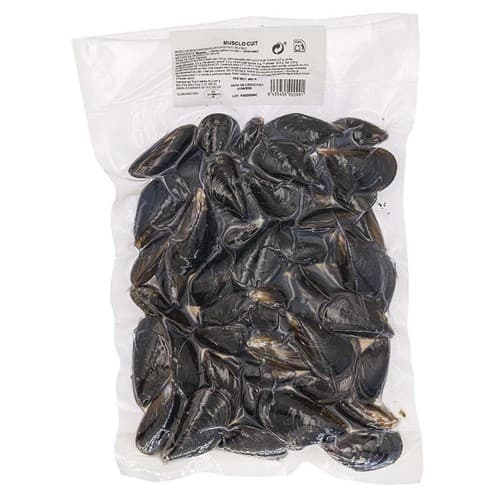 €4.99
€4.99Cooked Mussel
kg · Bonpreu
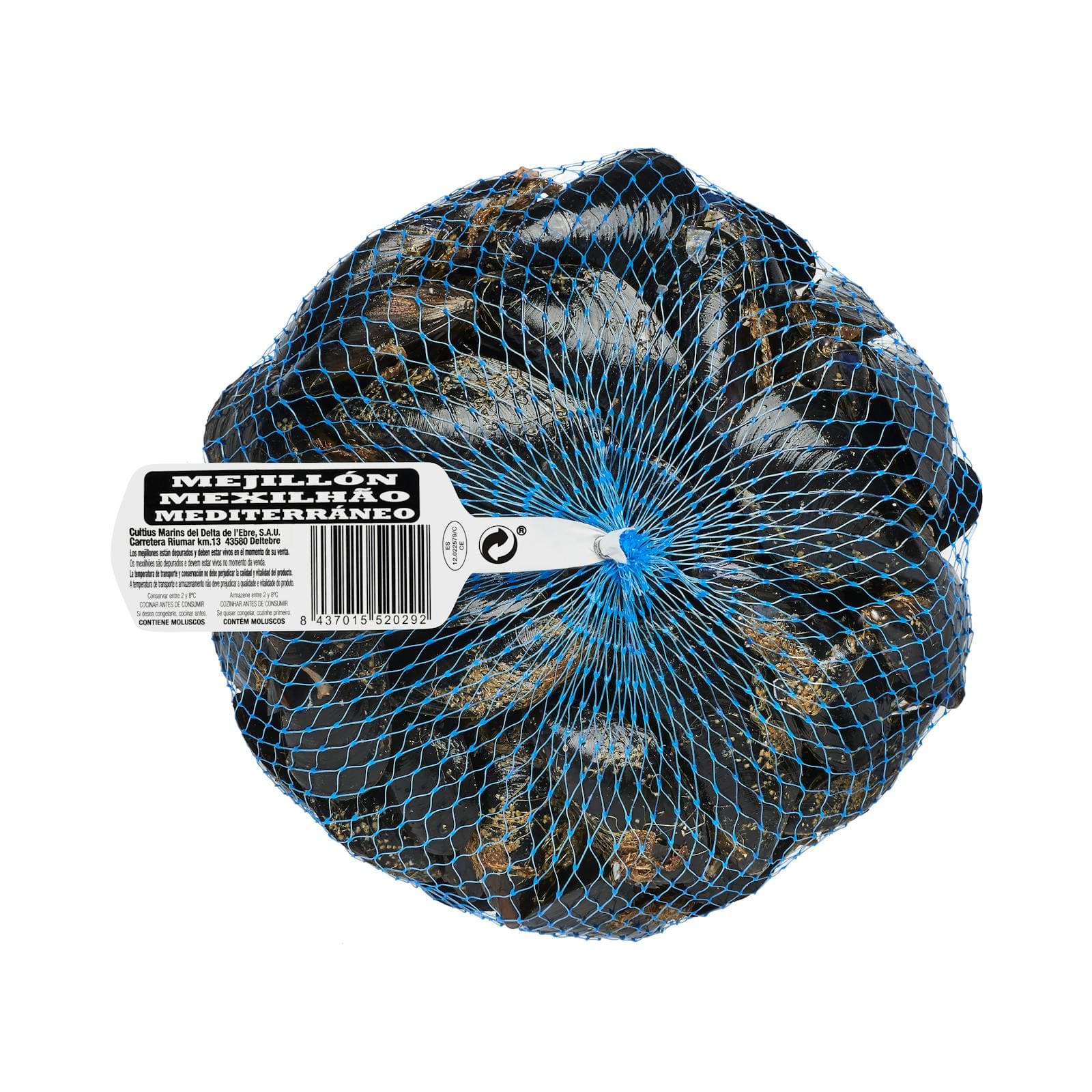 €6.50
€6.50Mediterranean Mussel
1 kg · Mercadona
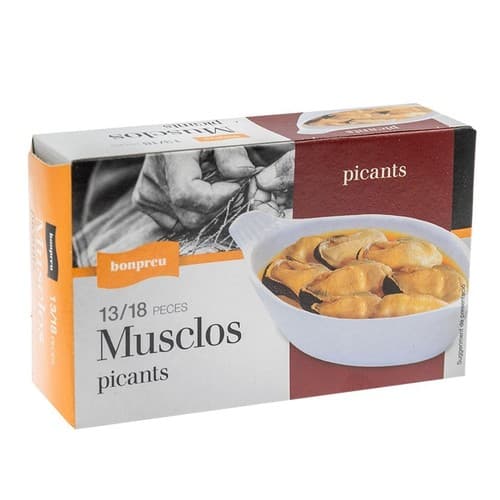 €1.99
€1.99Spicy Mussels 13/18
BONPREU · kg · Bonpreu
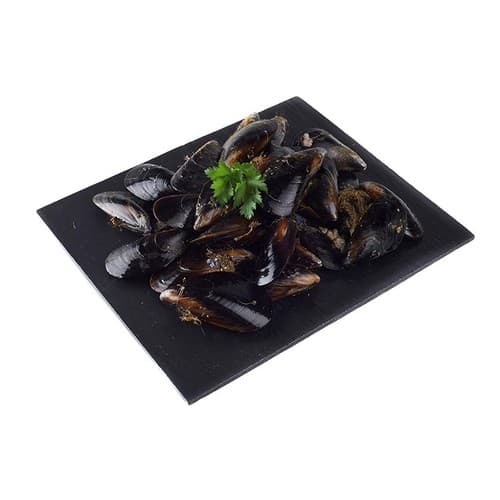 €3.99
€3.99Mussel in 1kg Mesh Bag
kg · Bonpreu
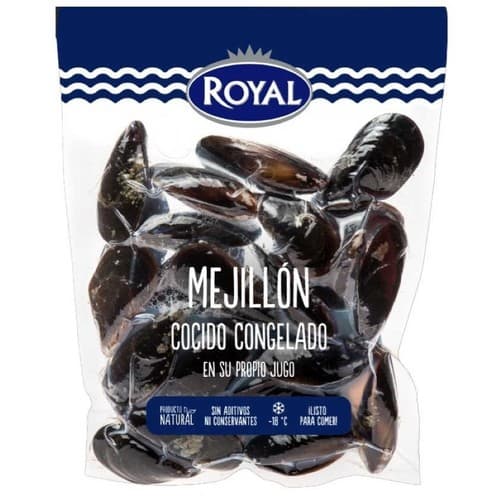 €6.95
€6.95Cooked Mussels with Shell
ROYAL · kg · Bonpreu
 €2.95
€2.95Spicy Pickled Mussels 14/18
PAY PAY · kg · Bonpreu
Good to know
- Scientific Name
- Mytilus edulis, Mytilus galloprovincialis, Mytilus trossulus (varies by region)
- Origin
- Cold coastal waters; Atlantic, Pacific, and Mediterranean populations
- Harvest Method
- Hand-gathered from intertidal rocks, rocky shores, and subtidal beds
- Peak Season
- September through April (colder months when meat is fullest)
- Flavor Profile
- Intensely briny, sweet, with mineral notes; more complex than farmed mussels
- Typical Size
- 2–4 inches (5–10 cm) in length
- Shelf Life
- Alive 1–2 days refrigerated; do not store in fresh water or sealed plastic
- Meat Yield
- Approximately 25–30% of total weight after cooking
- Cooking Time
- 3–5 minutes for steaming; overcooking makes them rubbery
- Doneness Test
- Shells open; discard any that remain closed after cooking
Substitutes
- Farm-raised Mussels — Cultivated on rope lines; cleaner shells, longer shelf life, milder flavor. Most direct substitute; cook identically.
- Manila Clams — Smaller, sweeter, similar cooking time. Use 1.5× the volume to account for size difference.
- Little Neck Clams — Available year-round; firmer texture. Requires longer cooking to open; adjust timing to 5–7 minutes.
- Cockles — Smaller, rounder shells; intensely briny. Often sold already cleaned; excellent in quick-steamed preparations.
- Oysters — Similar briny sweetness; not a direct substitute due to size and serving style but works in stews and soups.
Pairs with
Also called
Foraged Mussel
Related
Egg
The kitchen's everything ingredient — bind, leaven, enrich, or fry
Chicken Breast
Lean, quick-cooking white meat for everyday dinners

Ground Beef
Versatile minced beef for burgers, ragù, tacos, and meatballs
Pork Loin
Lean, tender roasting cut that stays juicy with care
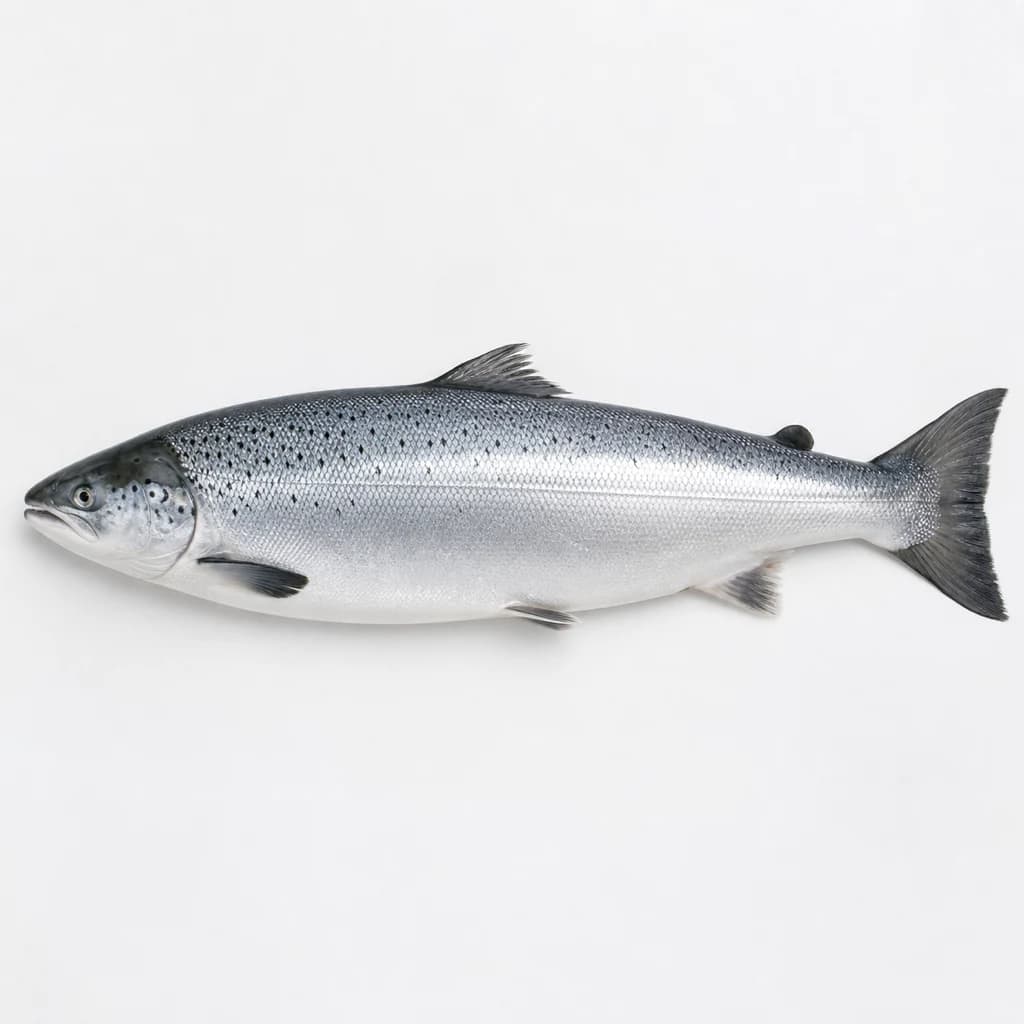
Salmon
Rich, rosy fish that roasts, grills, or cures beautifully

Egg White
Pure protein that whips to airy peaks for meringue and more
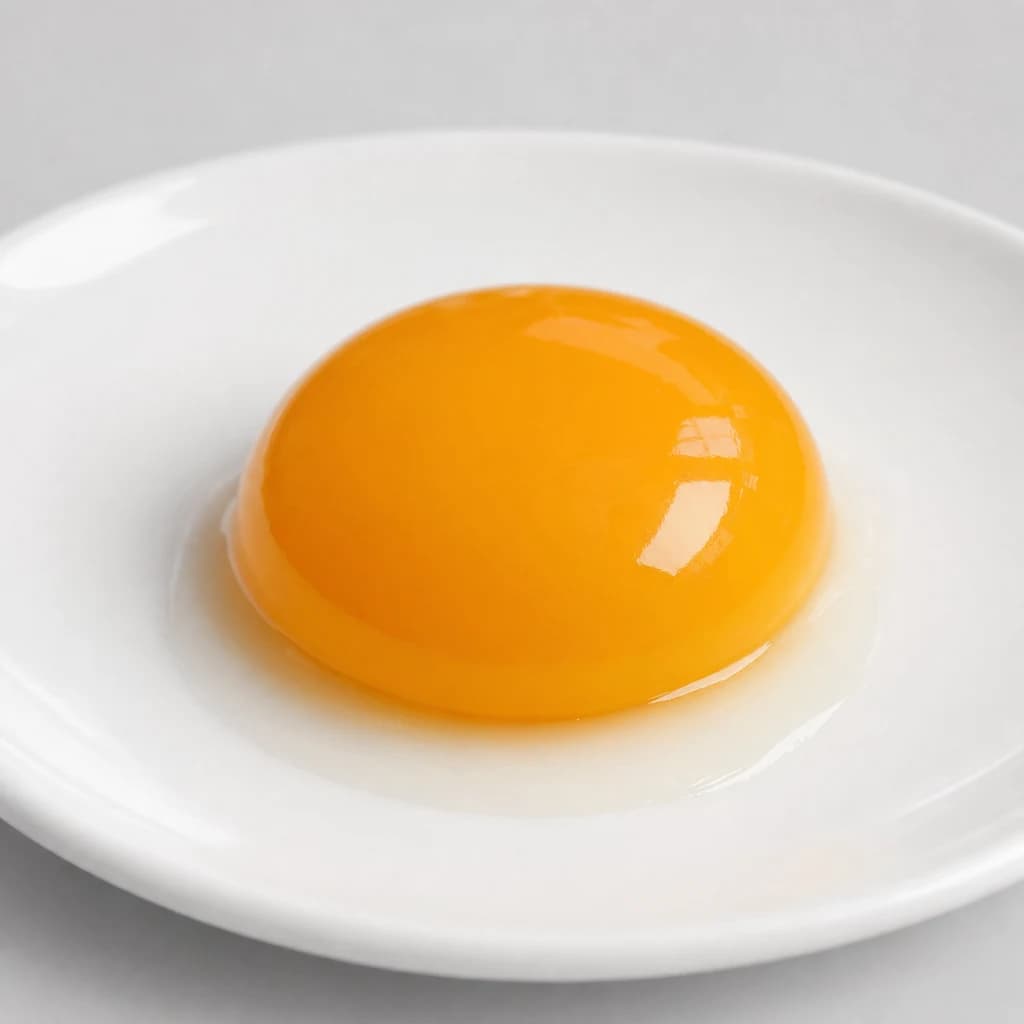
Egg Yolk
Rich, golden yolk for custards, mayonnaise, and pasta

Quail Egg
Tiny, speckled eggs for garnishing and elegant bites