
Natural form
Whole dried bellflower roots showing their slender ivory strands before soaking.
Shows the most common market form — pale, fibrous dried roots — so readers can recognize doraji at a Korean grocery.
Produce
Bellflower Root
Chewy, slightly bitter Korean root (doraji) used in namul and seasoned sides.
Bellflower root (doraji) is the firm, ivory root of the balloon flower, a staple in Korean cooking. It is soaked to reduce bitterness, then blanched and seasoned into namul side dishes or stir-fried with chili and sesame. The texture is fibrous and chewy with a mildly bitter, earthy flavor, and it is also valued in herbal teas.
Bellflower root (Campanula glomerata, locally called doraji) is a perennial root vegetable central to Korean cuisine, prized for its firm, slightly elastic texture and a characteristically bitter-sweet flavor that mellows beautifully with proper preparation. The root has a tapered shape resembling a pale parsnip, with a tan to light brown skin and a creamy white interior. Its chewiness—somewhere between a dense radish and a tender artichoke heart—holds up well in seasoned sides and stir-fries, making it a backbone ingredient in Korean home cooking rather than a mere garnish. In Korean culinary tradition, doraji appears on ritual tables during holidays and carries symbolic weight for wishes and prosperity, but its everyday role is equally important: it provides textural contrast and a slightly medicinal earthiness that balances richer dishes. Outside Korea, it appears in Japanese and Chinese cuisines in different preparations, but the most developed technique for managing its bitterness belongs to Korean practice.
- Measured in
- g
- Storage
- Fridge
Types & varieties
Whole tapered roots, pale brown; the most common fresh form
Thinly sliced dried roots; used for tea and long-cooked dishes
Ground dried root; used to make doraji-cha (tea)
A pale-colored cultivar with slightly milder bitterness
Mastering the Bitterness
The bitter white sap concentrated in the outer layer is doraji's defining challenge. Left unaddressed, it produces an acrid, almost medicinal taste that overwhelms the dish. Korean technique addresses this through a two-stage process: salt abrasion followed by cold soaking. Do not skip either step.
- Peel thickly or rub the sliced root vigorously with coarse sea salt, letting the sap weep out
- Soak in cold water for 30–60 minutes minimum, changing the water once
- A pinch of baking soda in the soaking water accelerates bitterness extraction
- Blanch briefly after soaking to set the final texture and eliminate any lingering sharp flavor
Common uses
Tips & pitfalls
- The bitter white sap is in the outer layer; peel thickly or soak and rub vigorously with coarse salt to remove it
- Soak sliced or julienned roots in cold water for at least 30–60 minutes, changing water once, to draw out bitterness
- A pinch of baking soda in the soaking water helps neutralize bitterness more effectively
- Always blanch briefly after soaking before seasoning — this sets the texture and removes any remaining sharp flavor
- Fresh roots should be firm and solid; avoid any that are soft, rubbery, or show mold
- Do not overcook — doraji becomes mushy; a slight chewiness is desirable in namul and stir-fries
- Dried doraji must be soaked overnight before use; discard soaking water
- Korean sesame oil and toasted sesame seeds are non-negotiable for the classic namul flavor profile
Nutrition
Energy
456 kJ · per 100 g
Where the calories come from
Protein
4.8g
10% DV
Carbs
23.5g
9% DV
Fat
0.6g
1% DV
Fiber
7.8g
28% DV
Sodium
17mg
1% DV
Source · USDA FoodData Central · approx. Wasabi, root, raw
View on FDC →In the shops
Matched grocery products
No matched grocery products for Bellflower Root yet.
Good to know
- Origin
- East Asia; primary culinary use in Korean cuisine
- Season
- Harvested in autumn; fresh roots available fall–early winter; dried year-round
- Flavor
- Slightly bitter, earthy, subtly sweet when cooked; chewy texture
- Form
- Fresh whole roots (tan to pale brown, tapered); dried sliced; dried powdered
- Where to Buy
- Korean and East Asian grocery stores; farmers markets may carry fresh
- Storage (Fresh)
- Refrigerate unwashed in a loosely closed bag with ventilation, up to 1 week
- Storage (Dried)
- Airtight container in a cool, dark pantry, up to 1 year
- Key Preparation
- Soak, rub with salt to remove white sap and bitterness, then blanch
- Nutritional Note
- High in inulin (prebiotic fiber); low calorie
Substitutes
- Burdock Root (Ueo) — Closest texture (chewy, fibrous) with a more earthy, starchy flavor; widely available at Asian markets
- Asian Radish (Mu) — Milder flavor; does not have the same chew but works in raw or blanched preparations
- Celery Root — Similar texture when cooked; flavor is milder and slightly nutty
- Parsnip — Comparable sweetness and slight fibrous texture when roasted or sautéed; less bitter
Pairs with
Also called
Doraji · Bellflower Root · Balloon Flower Root
Related
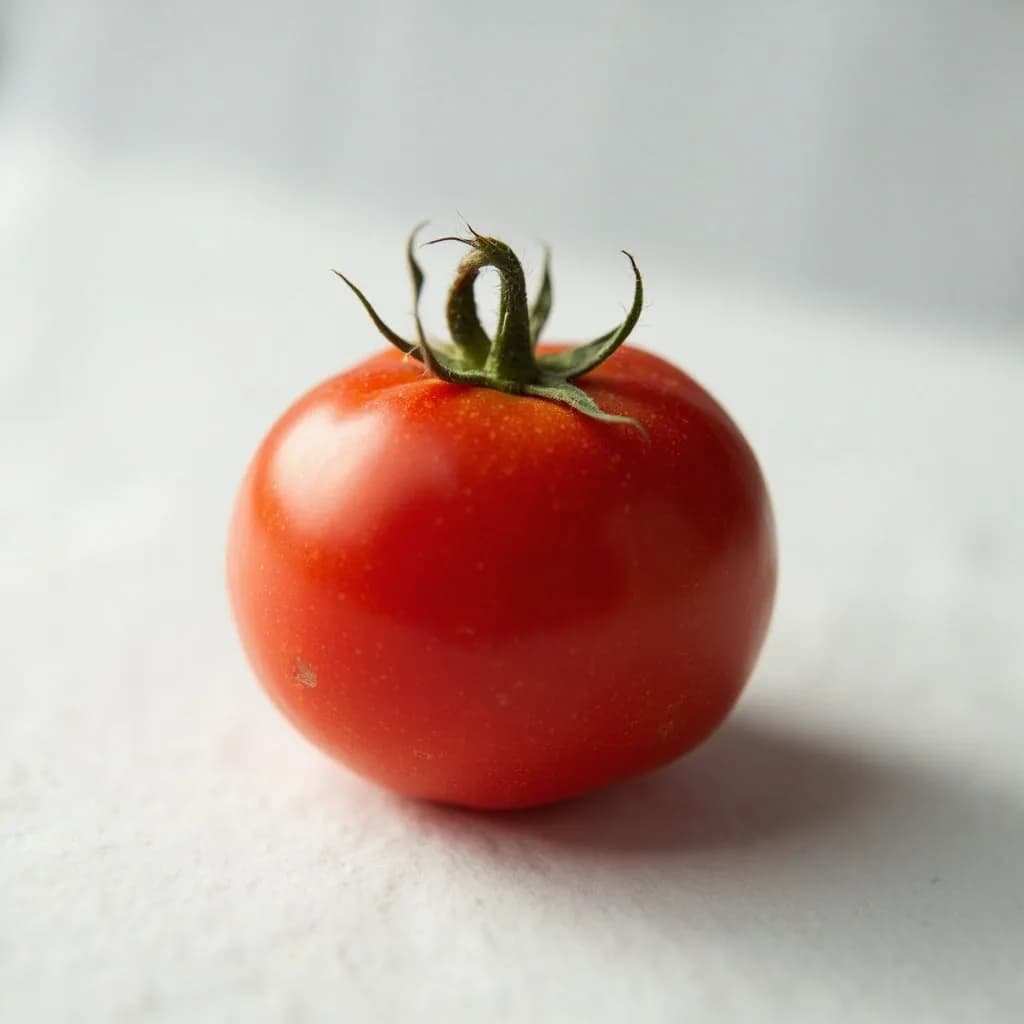
Tomato
Juicy, sun-sweet fruit for sauces, salads, and slow-cooked depth
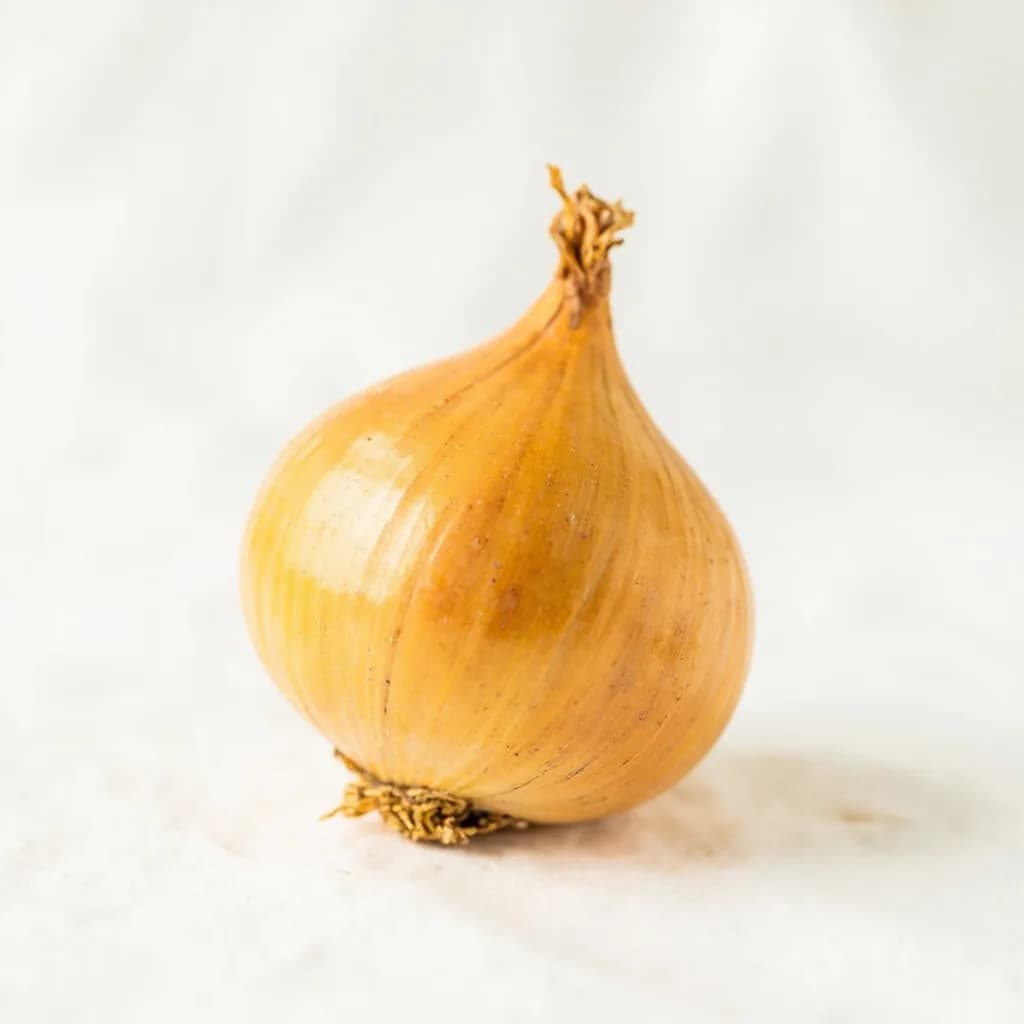
Yellow Onion
The aromatic backbone of soups, sofritos, and braises
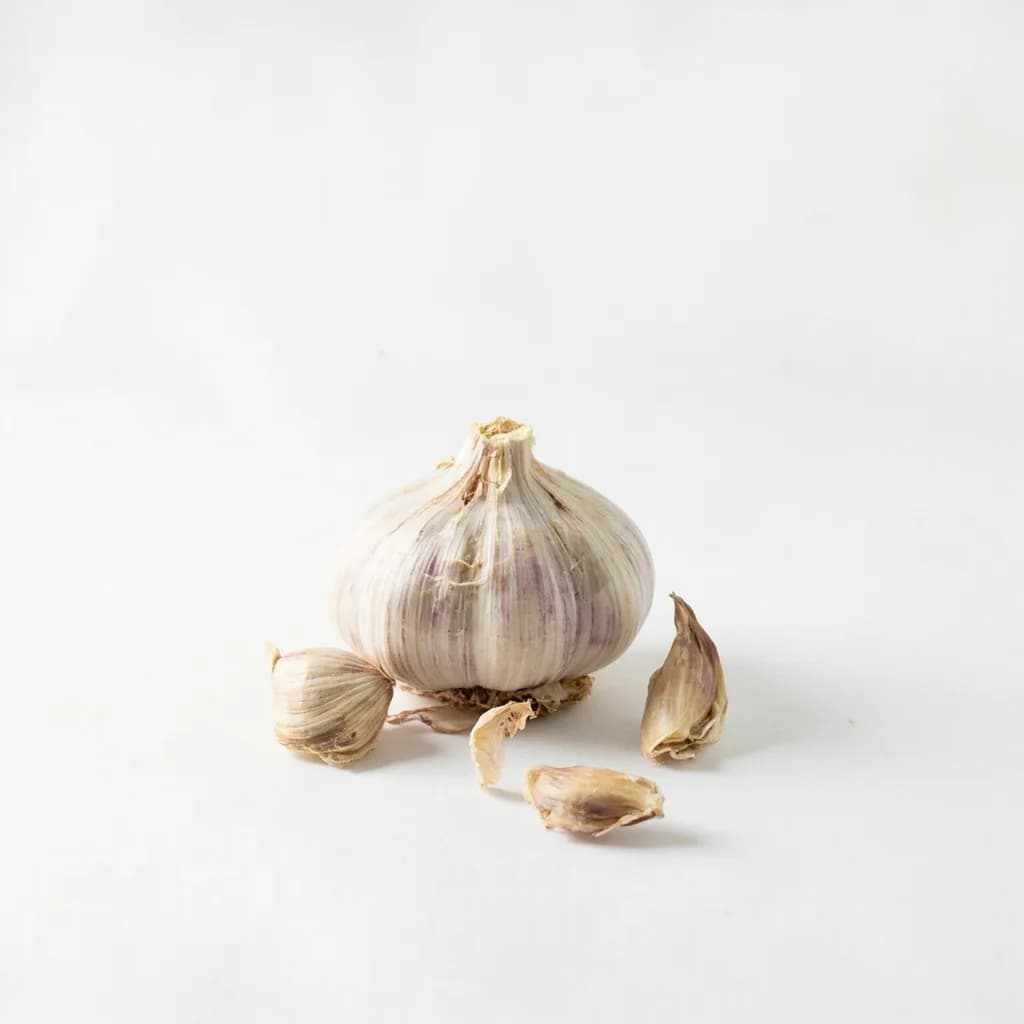
Garlic
Pungent cloves that perfume nearly every savory dish
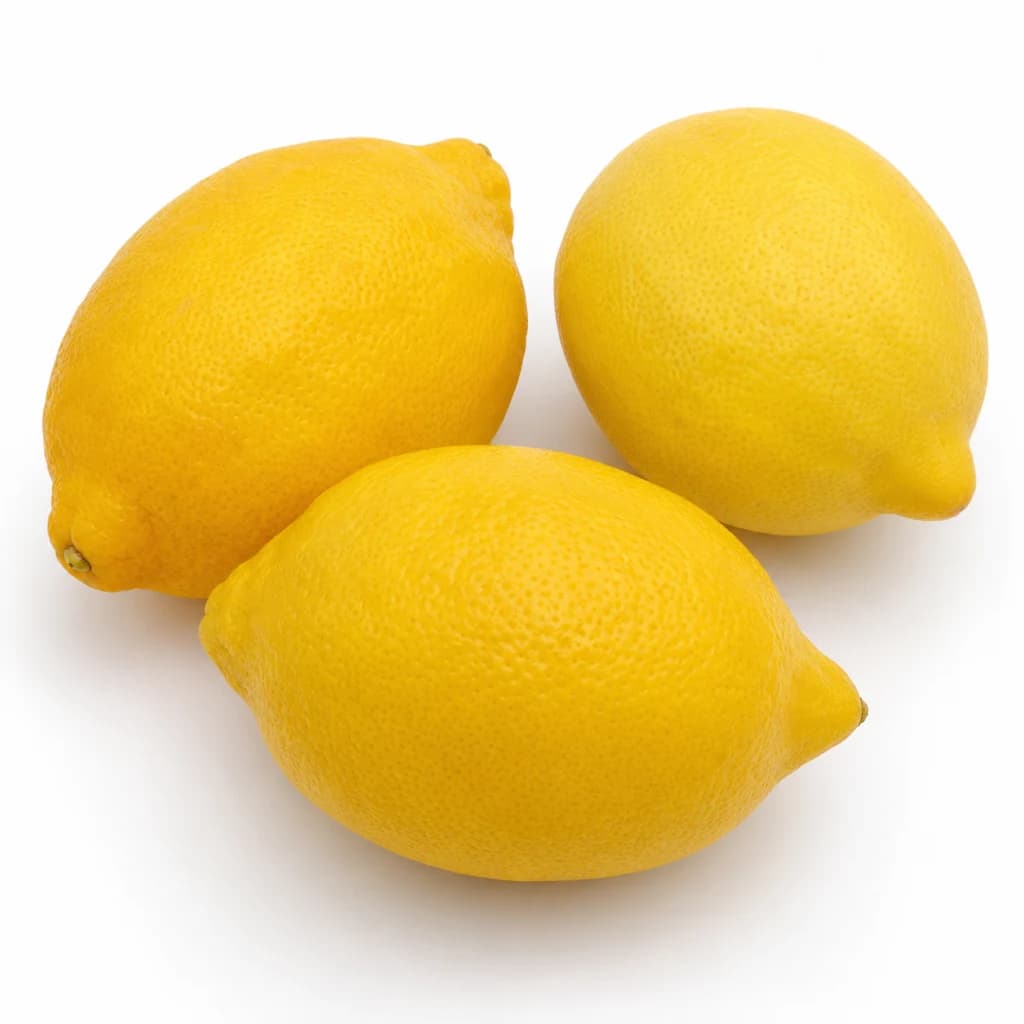
Lemon
Bright, acidic citrus that wakes up almost any dish
Potato
Humble, hearty staple — roast, mash, fry, or boil
Carrot
Sweet, crunchy root — raw, roasted, or the base of a sofrito
Cucumber
Cool, crisp, and watery — for salads, pickles, and tzatziki

Lettuce
Crisp leaves for salads, wraps, and a fresh crunch