Proteins
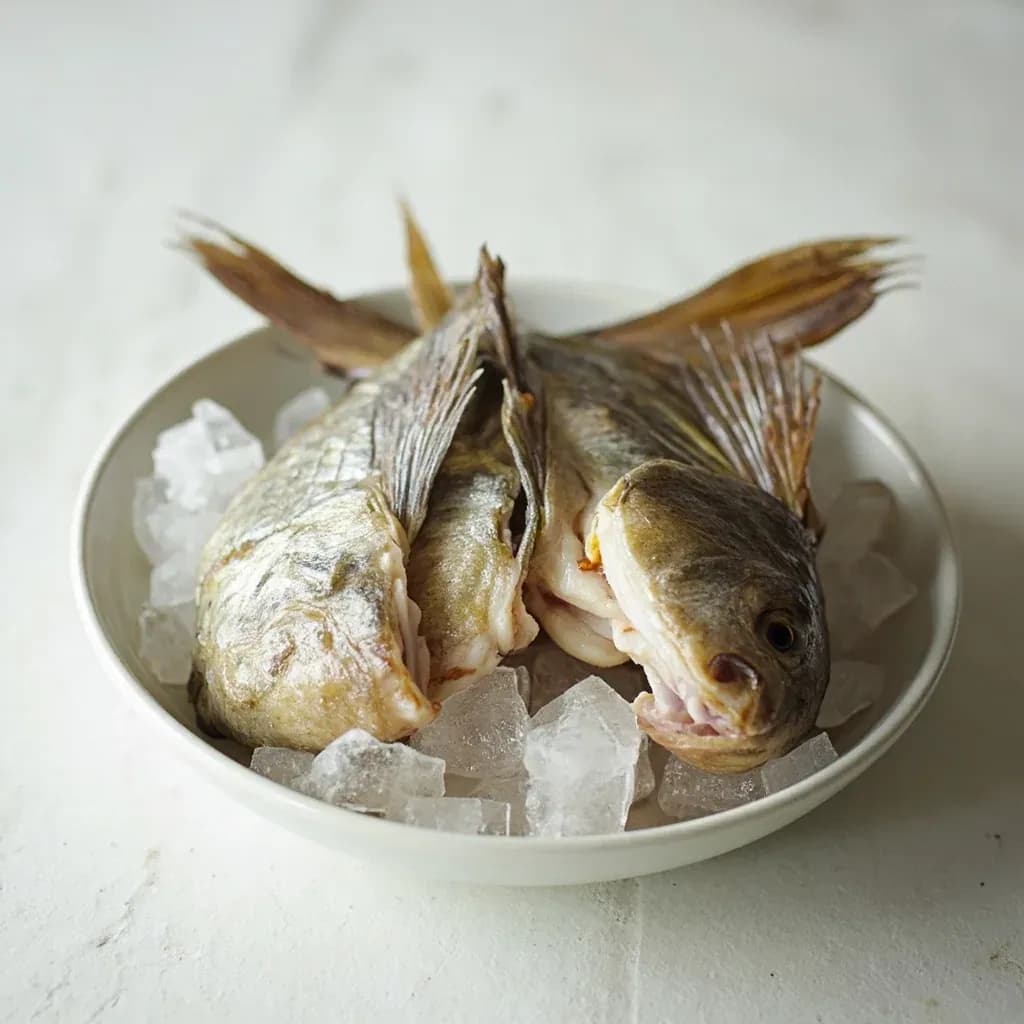
Bream (Gilthead)
A firm, sweet white-fleshed Mediterranean sea fish, classically roasted or grilled whole.
Bream, especially gilthead bream (orata), is a prized Mediterranean fish with firm, sweet white flesh and delicate flavor. It is most often roasted or grilled whole, stuffed with herbs and lemon, and is a fixture of Spanish, Italian, and Greek coastal cooking. Its low fat content and clean taste make it forgiving and elegant on the plate.
Gilthead bream (Sparus aurata) is the benchmark species among the Sparidae family, distinguished by the iridescent golden crescent—or "gilthead"—between its eyes. Native to the Eastern Atlantic from the British Isles to Cape Verde, the Mediterranean, and the Black Sea, it has become one of the Mediterranean's most important aquaculture species, with Greece, Turkey, and Spain leading production. The farmed variety now dominates supermarket supply year-round, while wild specimens peak from September through February and command premium prices.
The flesh offers a firm, moist, fine-flaked texture that holds together remarkably well across cooking methods—roasting, grilling, pan-searing, or poaching all yield reliable results. Its flavor is sweet and clean with a mild briny character, lacking the strong fishiness that deters some cooks when properly fresh. Wild bream develops a more pronounced oceanic sweetness and slightly darker flesh along the lateral line, while farmed bream tends toward milder flavor and higher fat content. This fat differential matters in the kitchen: farmed fish benefit from trimming the belly fat for leaner preparations, while wild specimens need no such adjustment.
Selection and handling are straightforward but matter enormously. The firm texture forgives minor timing errors, but overcooking remains the primary pitfall—the flesh dries quickly once it passes the point of doneness. Bream yields approximately 45–50% meat from a whole fish and 35–40% from fillets, with the cheeks producing a small amount of particularly sweet, tender meat that professional cooks consider a delicacy. Pin bones are firm and require needle-nose pliers and firm pressure to remove cleanly; work close to the spine and along the rib cage for the cleanest fillet.
- Measured in
- piece
- Storage
- Fridge
Allergens
Types & varieties
The benchmark species; golden mark between eyes is diagnostic. Look for ASC-certified farmed specimens.
Over 150 species exist; other common market species include Pandora (Pagellus erythrinus) and Common Sea Bream (Pagrus pagrus).
Smaller, darker flesh, stronger flavor; common in British and Channel Islands waters.
Deepwater species; darker, oilier flesh; common in Spanish and Portuguese markets.
Larger predator bream; considered a delicacy in Mediterranean cuisine; firmer, coarser texture.
Filleting Bream
Work with a sharp, flexible filleting knife. Place the fish on its side, make a cut behind the gill plate down to the spine. Turn the blade toward the tail and run it along the backbone with steady pressure, staying close to the bones. For the second side, flip the fish and repeat. Bream has firm pin bones— locate them by feel along the fillet's center line, then make a shallow incision on each side and extract them with needle-nose pliers, applying firm, direct pressure. The cheeks yield a small amount of particularly sweet, tender meat; cut them free by working around the eye socket and jawbone.
Cooking Whole Bream
Scale the fish thoroughly before any preparation—scales stick to the flesh and create an unpleasant texture even when roasted. Score the flesh on both sides 2–3 times down to the bone; this allows heat to penetrate to the spine and ensures even cooking throughout. Bring the fish to room temperature 20 minutes before cooking to avoid a cold core. After roasting, rest the fish 5–8 minutes before serving—carryover cooking continues and the flesh firms slightly, making filleting at the table easier and giving the flavors time to settle.
Pan-Searing Fillets
Score the skin lightly in 3–4 places to prevent curling. Use high heat to render the fat layer beneath the skin and achieve a crispy result. Place the fish skin-side down in a hot pan with a small amount of oil. Press gently with a spatula for the first 30 seconds to ensure full contact. Cook skin-side down until the flesh turns opaque halfway up the fillet, then flip and cook briefly—just 30–60 seconds on the second side. The fish is done when the flesh turns opaque and just begins to flake; it should still feel slightly yielding at the thickest part when pressed.
Common uses
Tips & pitfalls
- Select whole fish by checking for clear, convex eyes; bright red or pink gills; tight, shiny scales; and flesh that springs back when pressed.
- Always scale the fish before cooking, even when roasting whole—scales stick to the flesh and create an unpleasant texture.
- Score the flesh on both sides 2–3 times down to the bone before roasting to ensure even heat penetration.
- Rest the fish 5–8 minutes after roasting before serving—carryover cooking continues and the flesh firms slightly, making filleting easier.
- Bring the fish to room temperature 20 minutes before cooking to avoid a cold core that leads to uneven doneness.
- Farmed bream often has more belly fat; trim it if you prefer a leaner result, or leave it for added richness in gratins or stuffings.
- When pan-searing fillets, score the skin lightly with a knife in 3–4 places to prevent curling during cooking.
- Use high heat for skin-on fillets to render the fat layer beneath the skin and achieve crispy results.
- Wild bream has more pronounced flavor and slightly tougher texture; increase cooking time by 10–15% compared to farmed.
- Common mistake: overcooking. Bream is done when the flesh turns opaque and just begins to flake; it should still feel slightly yielding at the thickest part.
Nutrition
Nutrition
No USDA FoodData Central match for Bream (Gilthead) yet. We surface a per-100 g profile once a generic whole-food entry is matched and verified.
In the shops
Matched grocery products
No matched grocery products for Bream (Gilthead) yet.
Good to know
- Scientific name
- Sparus aurata
- Family
- Sparidae (Sea Breams)
- Origin
- Eastern Atlantic (British Isles to Cape Verde), Mediterranean Sea, Black Sea
- Typical market size
- 400–800 g whole (0.5–2 kg); yield 45–50% meat from whole, 35–40% from fillets
- Flavor profile
- Sweet, clean, mildly briny; subtle oceanic sweetness without fishiness when fresh
- Texture
- Firm, moist, fine-flaked; holds together well when cooked
- Wild vs farmed
- Wild: more pronounced flavor, leaner, darker lateral line flesh. Farmed: milder, higher fat, more consistent
- Peak season
- September through February (wild); year-round from aquaculture
- Storage
- Whole: 1–2 days on ice; fillets: 24–36 hours. Frozen: up to 3 months at -18°C (0°F)
- Aquaculture production
- Major farmed species; Greece, Turkey, and Spain lead production; most supermarket supply is farmed
- Price
- Mid-range to premium; wild specimens command higher prices than farmed
- Cooking difficulty
- Easy to moderate; forgiving texture but overcooking dries flesh quickly
Substitutes
- Sea Bass (European or Mediterranean) — Nearly identical texture; slightly milder flavor; 1:1 substitution works well.
- Red Snapper — Comparable flake and firmness; slightly sweeter; good for grilled preparations.
- Porgy (Scup) — Similar texture and mild flavor; common in Mediterranean and East Asian markets.
- Cod (thick fillet) — Flakier texture; leaner; suitable for baked preparations but less firm.
- Striped Bass — Firmer flesh, stronger flavor; reduce cooking time slightly.
- Halibut — Similar firm, white texture; slightly longer cooking time needed; good for pan-searing.
Pairs with
Also called
Gilthead Bream · Orata · Sea Bream
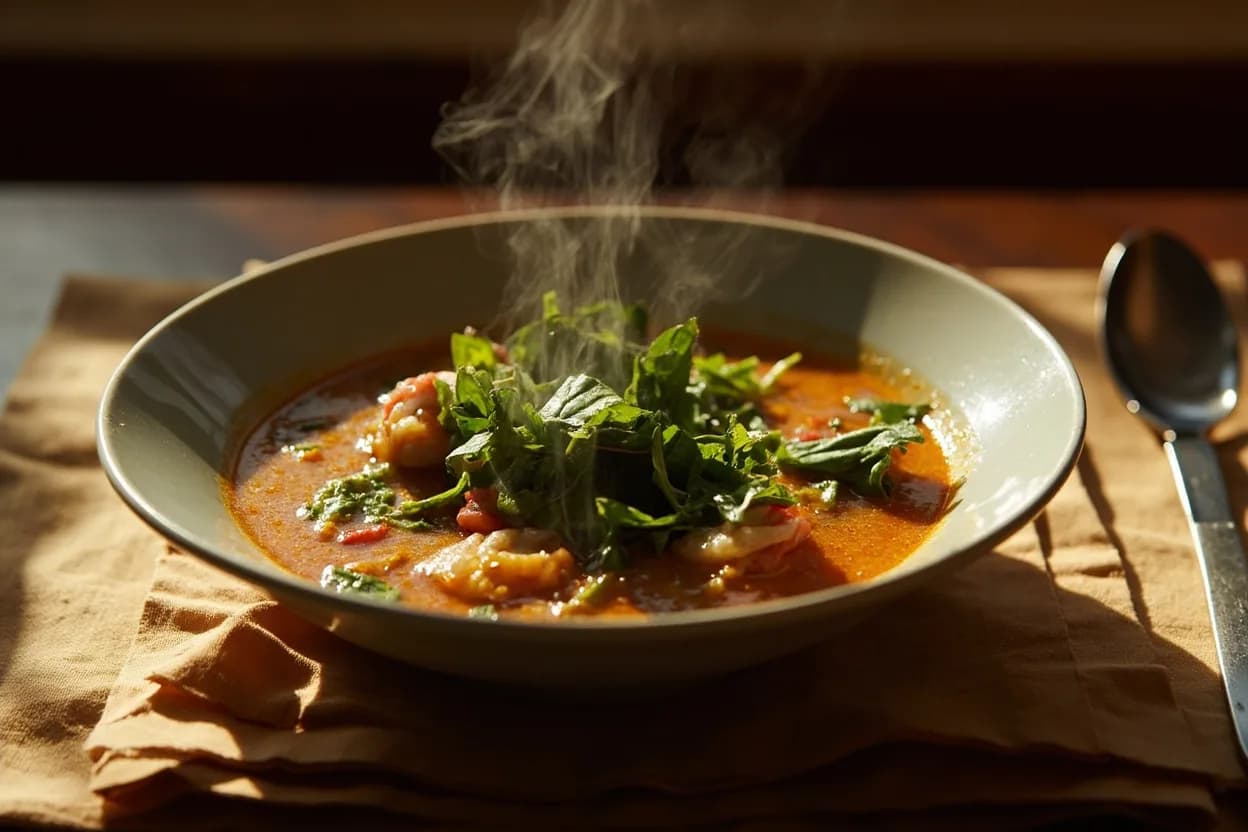
Appears in these dishes
Related
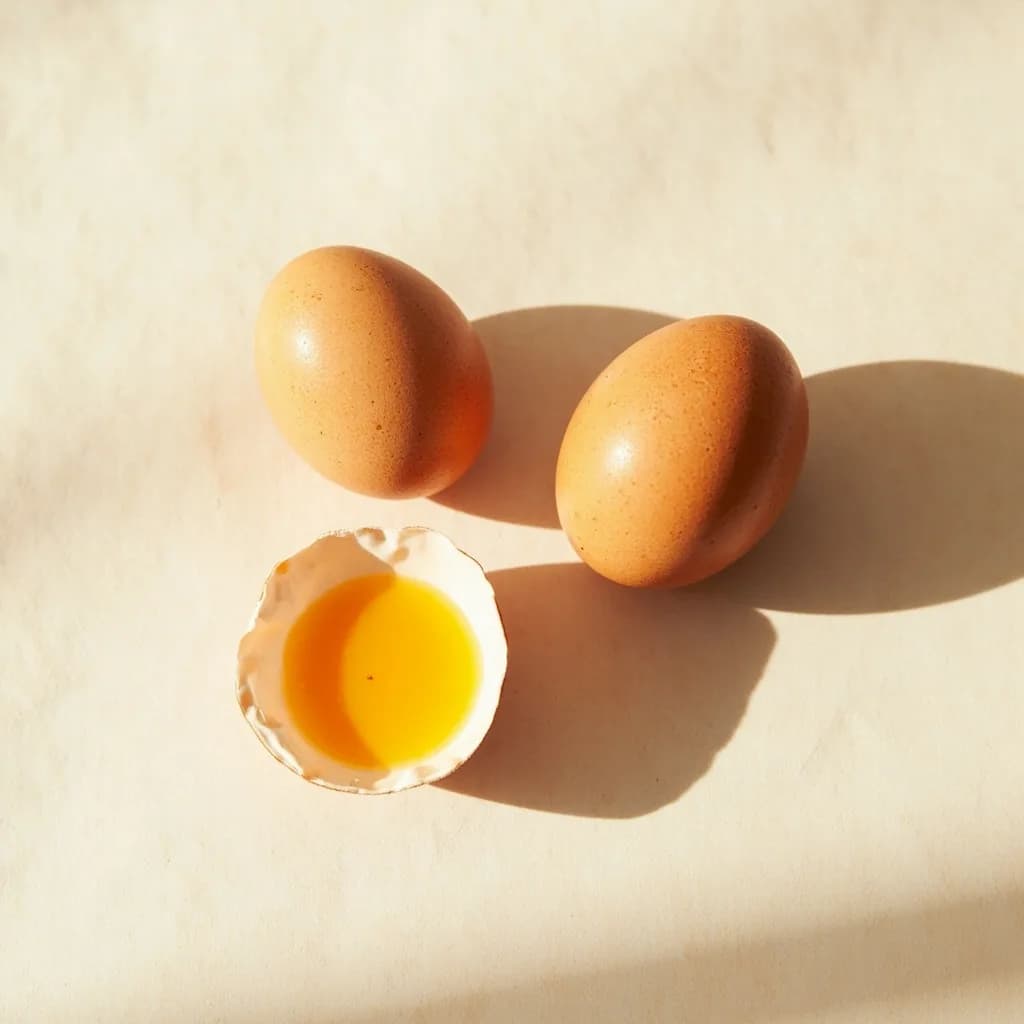
Egg
The kitchen's everything ingredient — bind, leaven, enrich, or fry
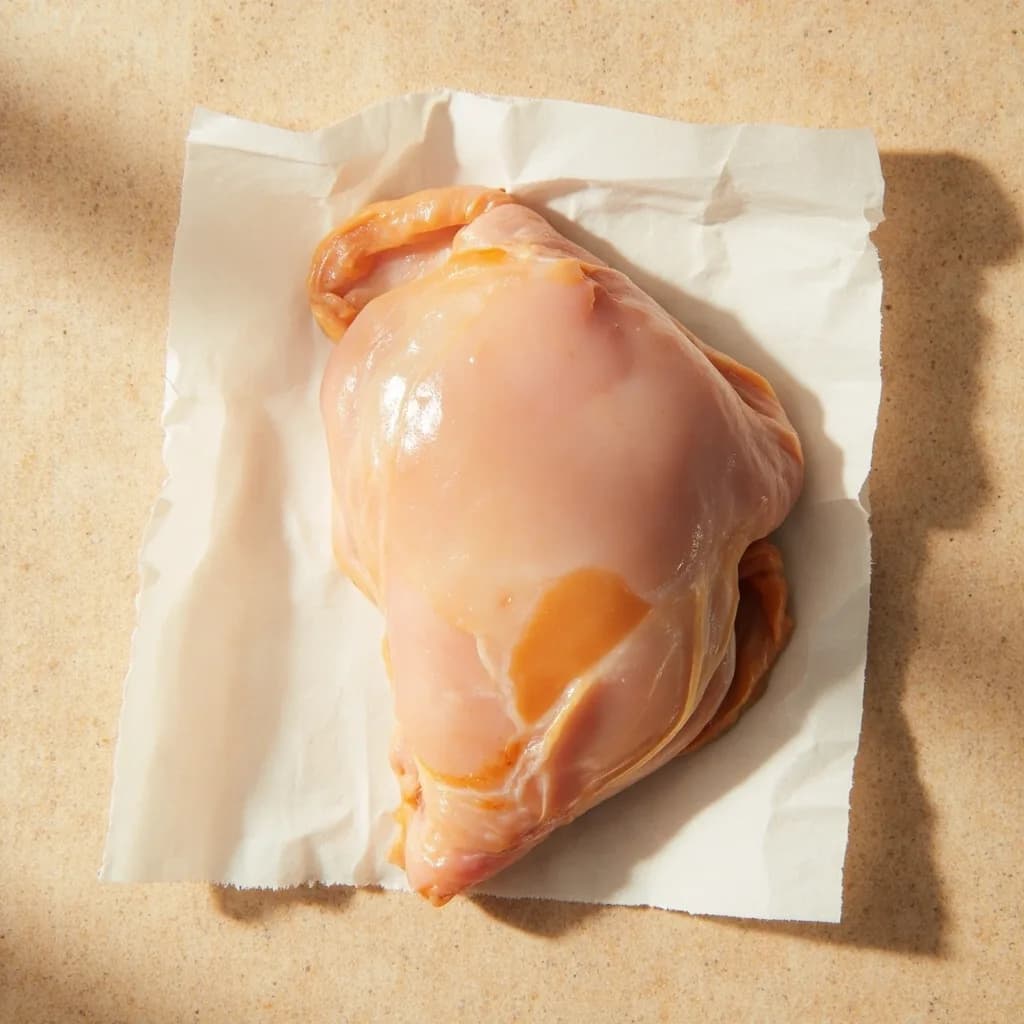
Chicken Breast
Lean, quick-cooking white meat for everyday dinners

Ground Beef
Versatile minced beef for burgers, ragù, tacos, and meatballs
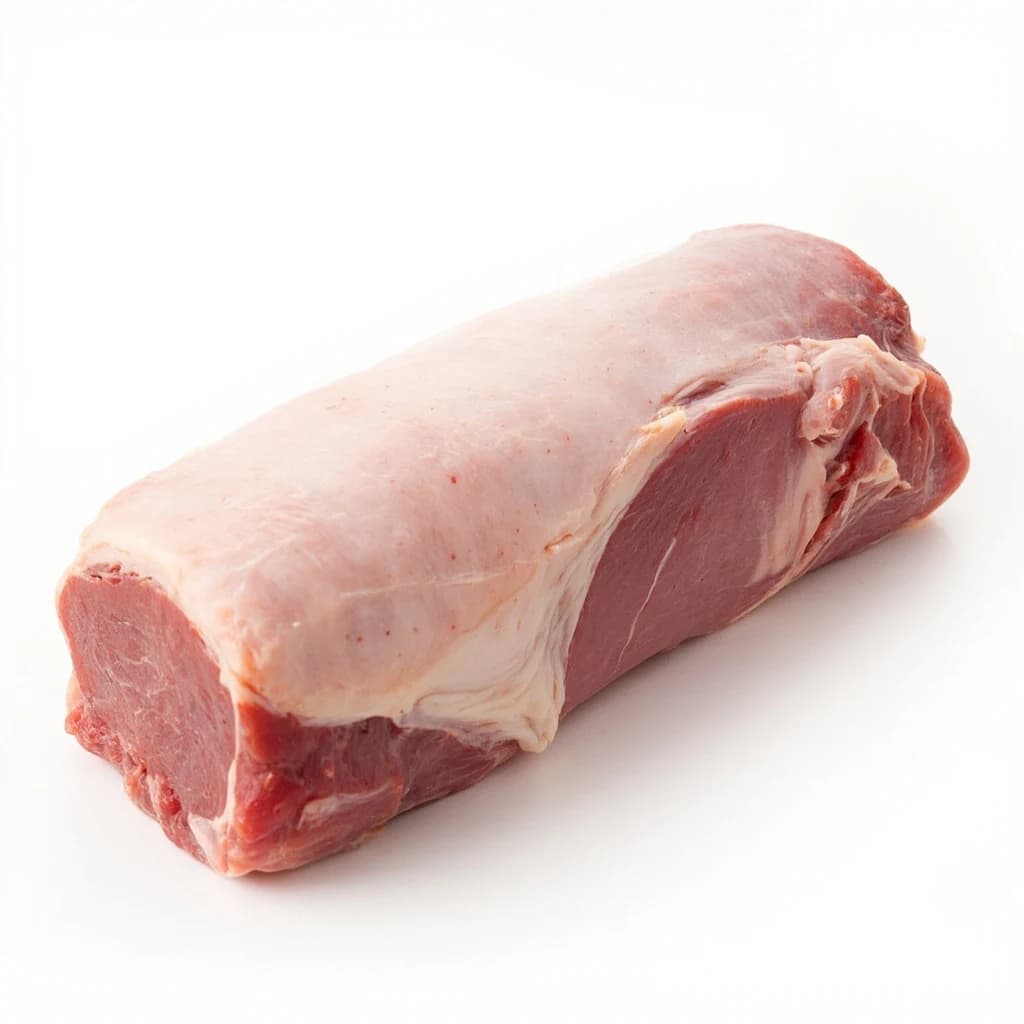
Pork Loin
Lean, tender roasting cut that stays juicy with care
Salmon
Rich, rosy fish that roasts, grills, or cures beautifully

Egg White
Pure protein that whips to airy peaks for meringue and more

Egg Yolk
Rich, golden yolk for custards, mayonnaise, and pasta

Quail Egg
Tiny, speckled eggs for garnishing and elegant bites