
Stored
Sealed tins of mackerel in tomato sauce and brine, showing the shelf-stable product as purchased.
Shows the primary form readers encounter — the sealed tin — establishing that this is a preserved, shelf-stable product.
Proteins
Canned Mackerel
Shelf-stable cooked mackerel in tomato sauce or brine — a quick, rich protein for stews and rice dishes.
Canned mackerel is cooked, oily mackerel packed in tomato sauce, brine, or oil for long shelf life. It is an affordable, ready-to-eat protein eaten straight, stirred into stews and sauces, or served over rice across Africa, Asia, and the Caribbean. The tomato-sauce version doubles as both protein and a flavorful base.
Canned mackerel is a fully cooked, shelf-stable protein made from fatty, omega-3-rich mackerel (primarily Atlantic or chub mackerel) packed in brine, olive oil, or tomato sauce. Unlike canned tuna, which can taste flat and overcooked, quality canned mackerel retains a bold, briny character with tender, flaky flesh and soft, edible bones that provide calcium. The fish is caught at peak fat content and cooked before or during canning, so it requires no additional cooking — only reheating if desired. This makes it one of the most convenient and nutritious pantry proteins available. The three primary formats serve different culinary purposes: brine offers the most control over seasoning but is significantly saltier; olive oil packing adds richness and the oil itself becomes a cooking ingredient; tomato sauce, the most common format globally (especially in Japan, Portugal, and Korea), provides built-in sweetness and acidity that pairs naturally with rice and grain dishes. Spanish mackerel, a larger species, tends toward sweeter, less oily flesh.
Mackerel is notably richer and fattier than sardines, which are leaner and more delicate in texture. The fish's high fat content means it holds together better in cooking and delivers a more assertive savory punch. The small bones, which remain soft from the canning process, are entirely edible and add calcium — but large pin bones should still be removed before serving cold in salads or sandwiches to avoid an unpleasant bite. Once opened, transfer to a sealed container and use within one to two days; the fish's bold flavor fades quickly and the texture deteriorates.
- Measured in
- g
- Storage
- Pantry
Allergens
Types & varieties
Plainest flavor; useful when you want to control seasoning. Rinse briefly under cold water to reduce saltiness if desired.
Richer mouthfeel; the oil is usable in the dish. Best for pasta, salads, and finishing applications.
Most common globally. The sauce adds sweetness and acidity; excellent for rice dishes, stews, and Japanese ochazuke.
Larger species, slightly sweeter and less oily than Atlantic mackerel. More common in East Asian markets.
Less common; smoked varieties work well for spreads, pâtés, and Scandinavian-style open-faced sandwiches.
Common uses
Tips & pitfalls
- Drain the fish unless the recipe explicitly uses the liquid — the oil or sauce brine can overwhelm a dish and make it greasy.
- Rinse briefly under cold water when using brine-packed mackerel if your dish does not require additional salt, or look for low-sodium options.
- Flake with a fork before adding to hot dishes; this distributes the fish evenly and prevents large chunks from falling apart.
- Add to soups, stews, or pasta only in the final 5–10 minutes of cooking — prolonged heat turns the fish mushy and disintegrates the texture.
- Check for and remove any large pin bones with tweezers or your fingers before serving cold in salads or sandwiches — small soft bones are edible but large ones are unpleasant to bite unexpectedly.
- The tomato-sauce liquid in Japanese-style canned mackerel is deliberately seasoned with sugar and soy; reserve it for cooking rice or seasoning a sauce rather than discarding it.
- Refrigerate opened cans immediately; transfer leftovers to a sealed container — the can itself is not suitable for long-term refrigeration.
- Always check for a 'best by' date and avoid cans that are dented, rusted, or bulging, which indicate compromised integrity.
Nutrition
Energy
653 kJ · per 100 g
Where the calories come from
Protein
23.2g
46% DV
Carbs
0g
0% DV
Fat
6.3g
8% DV
Fiber
0g
0% DV
Sugars
0g
of which
Sodium
379mg
16% DV
Source · USDA FoodData Central · approx. Fish, mackerel, jack, canned, drained solids
View on FDC →In the shops
Matched grocery products
No matched grocery products for Canned Mackerel yet.
Good to know
- Species
- Atlantic mackerel (Scomber scombrus) and chub mackerel (S. japonicus); Spanish mackerel used in some markets.
- Typical formats
- Brine, olive oil, or tomato sauce — the most common retail formats in Japan, Portugal, and the UK.
- Can sizes
- 115 g (4 oz) standard retail can; 170 g (6 oz) also common.
- Shelf life
- 2–5 years unopened; once opened, refrigerate and use within 1–2 days.
- Flavor
- Bold, briny, and distinctly 'fishy' — richer and more assertive than canned tuna.
- Texture
- Tender, flaky; holds together better than sardines; small bones are soft and edible.
- Nutrition
- Dense in omega-3 fatty acids, high-quality protein, vitamin B12, and selenium; relatively high in sodium when packed in brine.
- Sodium content
- Brine-packed varieties are significantly saltier than oil or tomato-packed; look for low-sodium options if managing salt intake.
- Key producing nations
- Japan, Portugal, Korea, and the UK are major producers and consumers.
Substitutes
- Canned sardines — Similar texture and flavor intensity; slightly smaller and bonier. Works in pasta, salads, and rice dishes as a direct swap.
- Canned herring — Higher in fat, stronger fish flavor. Good for smörgås, salads, and applications where bold fishiness is welcome.
- Canned salmon — Milder flavor and pinker color; holds together similarly. Suitable for salads, pasta, and sandwiches.
- Canned tuna — Drier texture and milder flavor; not a close substitute for the richness of mackerel, but usable in a pinch for pasta or salads.
Also called
Tinned Mackerel
Appears in these dishes
Related
Egg
The kitchen's everything ingredient — bind, leaven, enrich, or fry
Chicken Breast
Lean, quick-cooking white meat for everyday dinners

Ground Beef
Versatile minced beef for burgers, ragù, tacos, and meatballs
Pork Loin
Lean, tender roasting cut that stays juicy with care
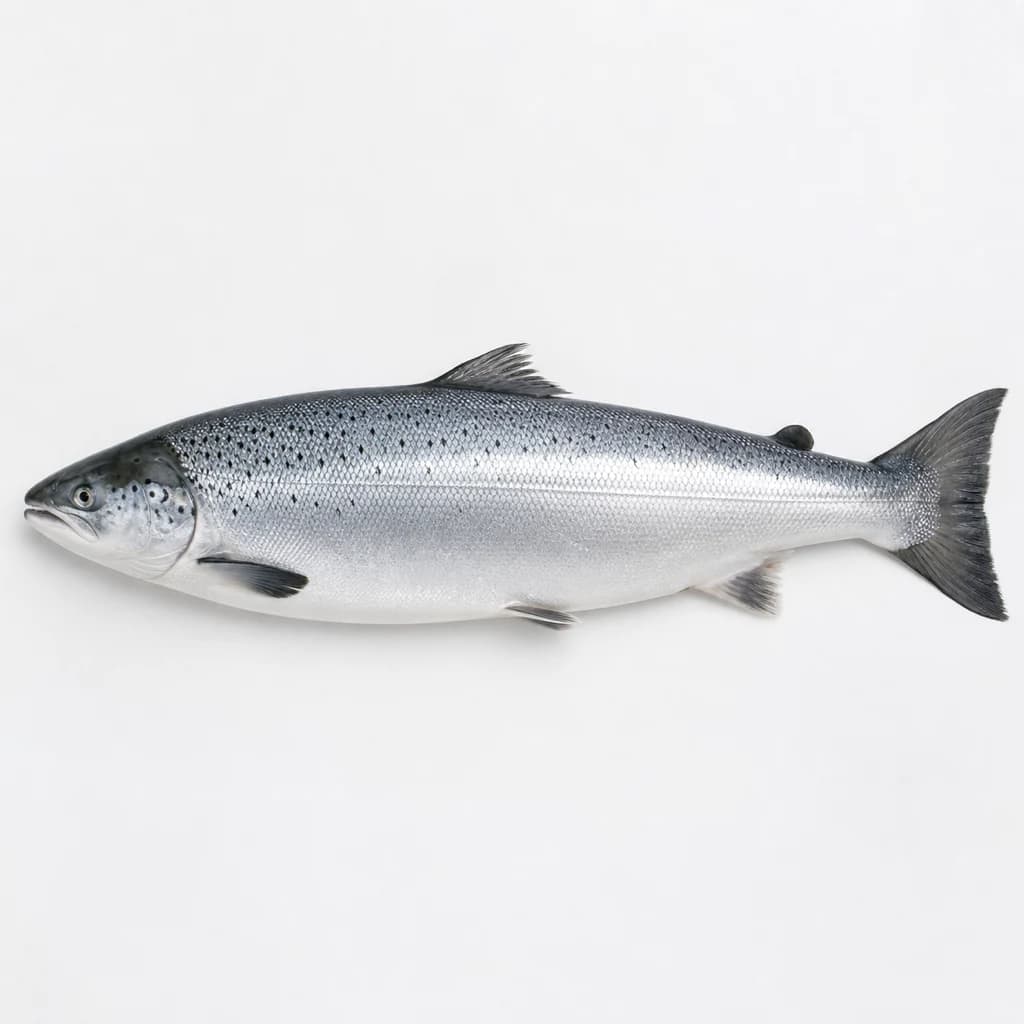
Salmon
Rich, rosy fish that roasts, grills, or cures beautifully

Egg White
Pure protein that whips to airy peaks for meringue and more

Egg Yolk
Rich, golden yolk for custards, mayonnaise, and pasta

Quail Egg
Tiny, speckled eggs for garnishing and elegant bites