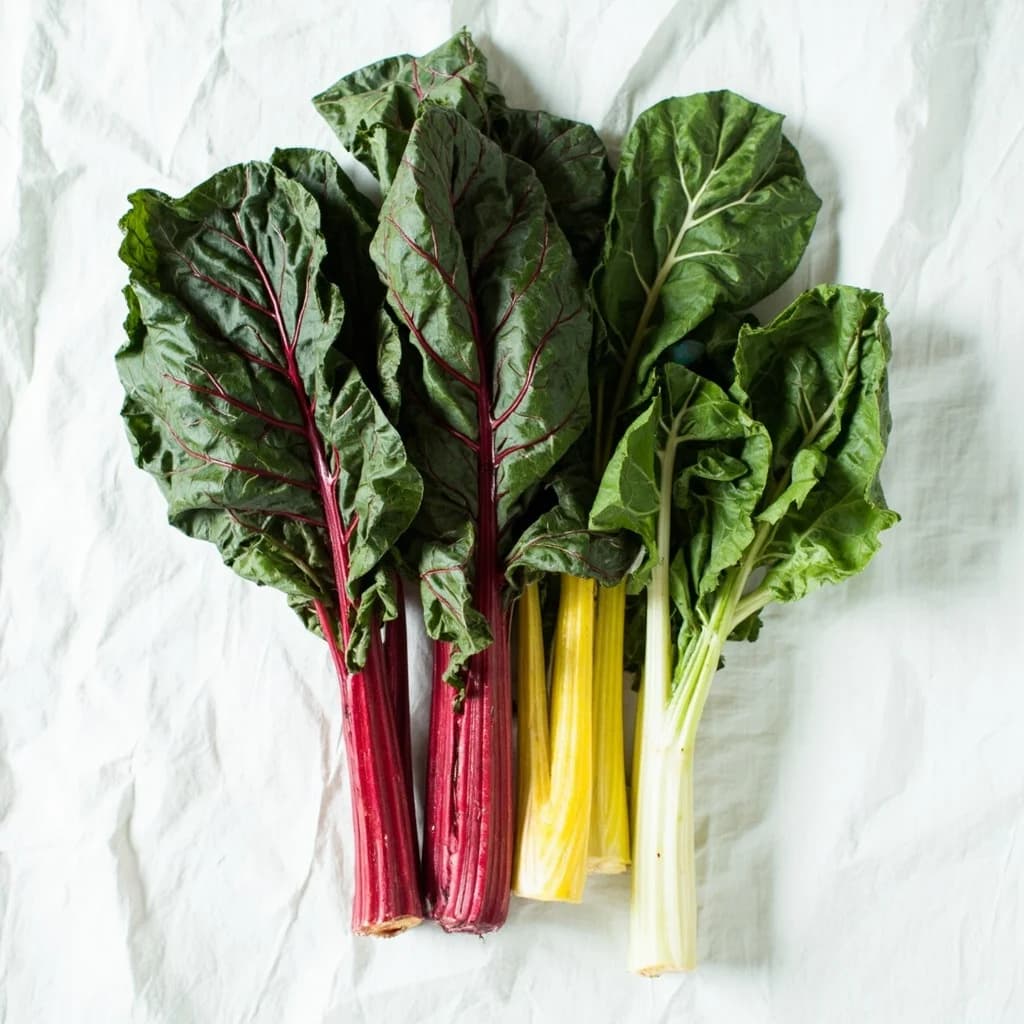
Natural form
Swiss chard's broad, crinkled leaves grow from thick, distinctly colored stems.
Shows the full plant structure — leaf blade, stem color, and overall size — so a reader can identify it at a glance.
Produce
Swiss Chard
Earthy leaves with vivid stems for sautéing and braising
Tender leaves and crunchy, colorful stems, chard sautés down like spinach while the stalks add a celery-like bite — cook them a beat longer. Keep it cold and dry.
Swiss chard is a two-in-one green: broad, tender leaves that cook down like spinach, and crunchy, colorful stems with a mild, celery-like bite. The leaves are earthy and slightly mineral; the rainbow-bright stalks add texture and color. Heartier than spinach but quicker than kale, chard sautés, braises, and folds into tarts and pastas — and the whole plant, stems and all, is good to eat if you cook them in the right order.
- Measured in
- g
- Storage
- Refrigerate
- Shelf life
- 5 days
Find it in
Types & varieties
Mixed yellow, pink, orange, red stems; pretty and mild
Crimson stems and veins; slightly more earthy
Pale crisp stalks; the classic, broad-leaved type
How to choose
Want crisp, glossy, deep-green leaves with vivid, firm, unblemished stems. Avoid wilted, yellowing, or browning leaves and stalks that look dried or split. Smaller, younger leaves are more tender and milder.
How to store and prep
Keep chard dry and cold in the crisper, loosely bagged, and use within a few days — it wilts faster than kale. Separate the leaves from the stems: the stems take longer to soften, so slice and cook them first (like you would celery), then add the quicker-cooking leaves.
- Store dry and cold; use within days
- Separate stems from leaves
- Cook stems first, leaves after
How to cook
Treat it like a hardier spinach. Sauté the chopped stems in oil with garlic until they soften, then add the leaves and cook until just wilted. It works in soups, frittatas, gratins, tarts (the Provençal sweet chard pie, tourte de blettes, is a classic), and braises. A finishing splash of lemon or vinegar lifts its earthiness.
Common uses
Tips & pitfalls
- Don't discard the stems — cook them first so they soften in time with the leaves
- Add a splash of acid at the end to brighten the mineral edge
- Use it anywhere you'd use spinach, just with a head start on cooking
- Sauté with garlic, chili, and raisins for a sweet-savory side
- Stack and roll leaves to chiffonade them quickly
Nutrition
Energy
79 kJ · per 100 g
Where the calories come from
Protein
1.8g
4% DV
Carbs
3.7g
1% DV
Fat
0.2g
0% DV
Fiber
1.6g
6% DV
Sugars
1.1g
of which
Sodium
213mg
9% DV
Source · USDA FoodData Central · Chard, swiss, raw
View on FDC →In the shops
Matched grocery products
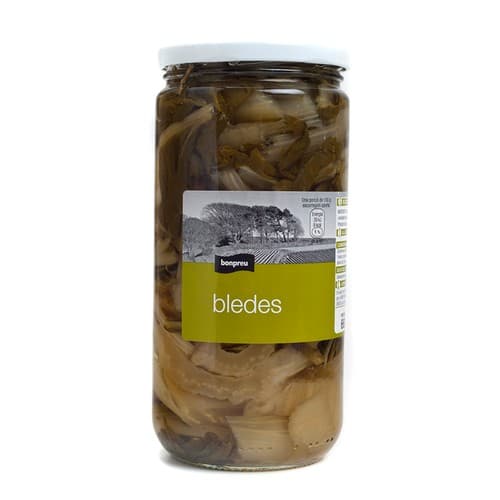 €1.80
€1.80Chard
BONPREU · kg · Bonpreu
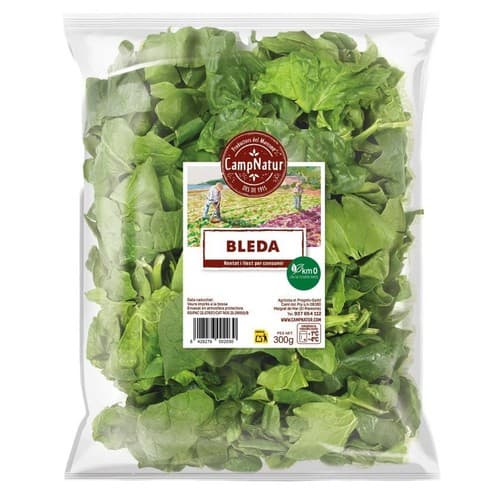 €1.39
€1.39Swiss Chard Km0 Campnatur
CAMPNATUR · kg · Bonpreu
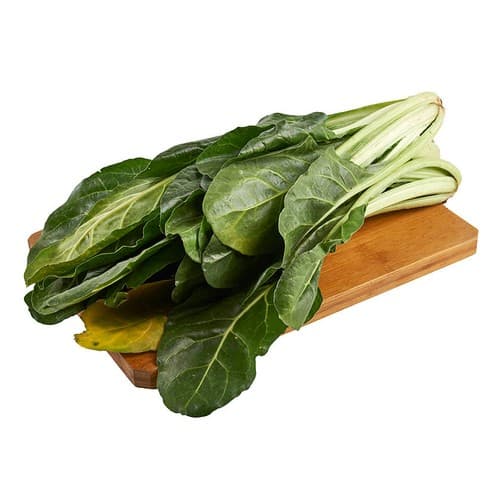 €1.69
€1.69Swiss Chard Km0 in 550g Bag
LA COLLITA · Bonpreu
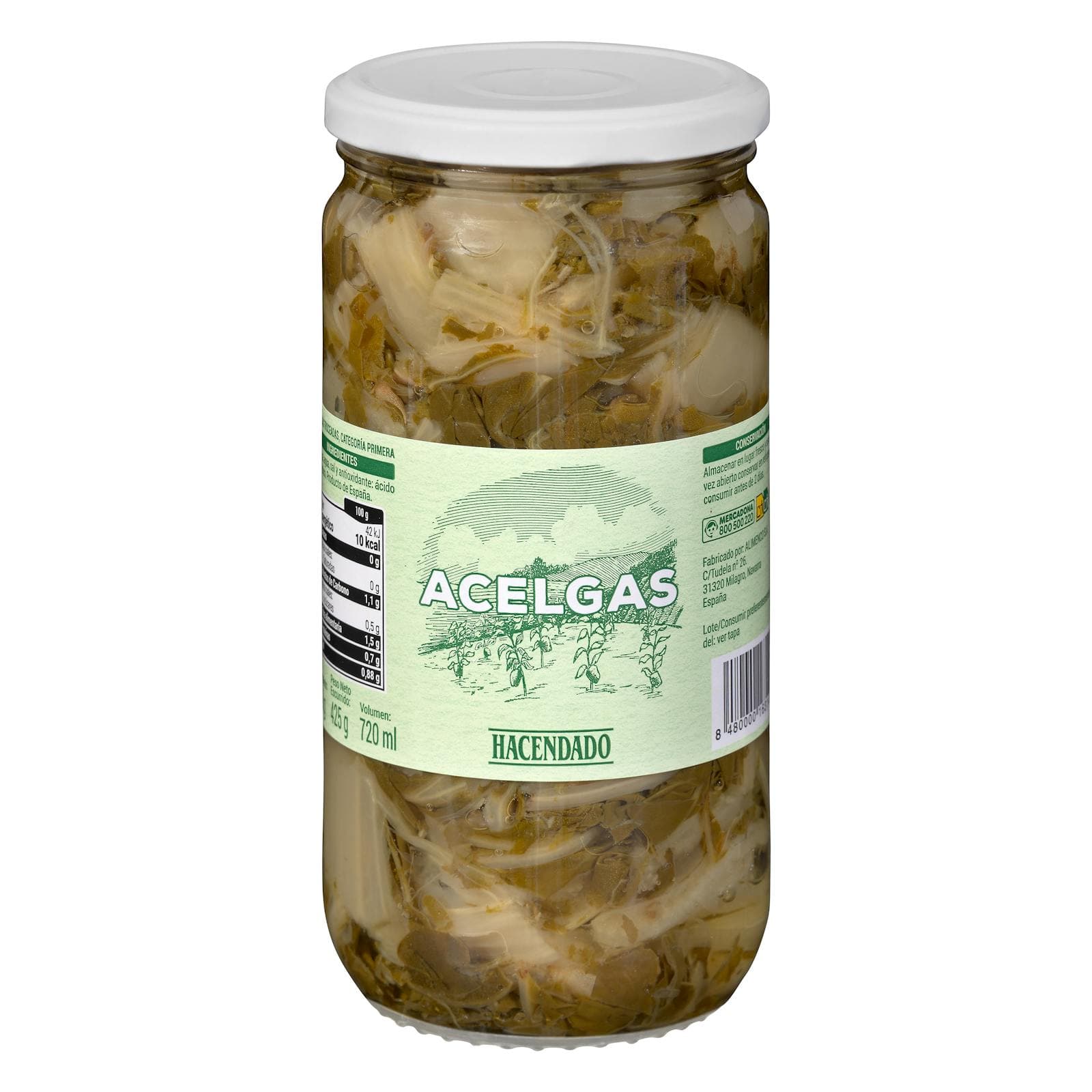 €1.80
€1.80Chopped Chard
Hacendado · 660 g · Mercadona
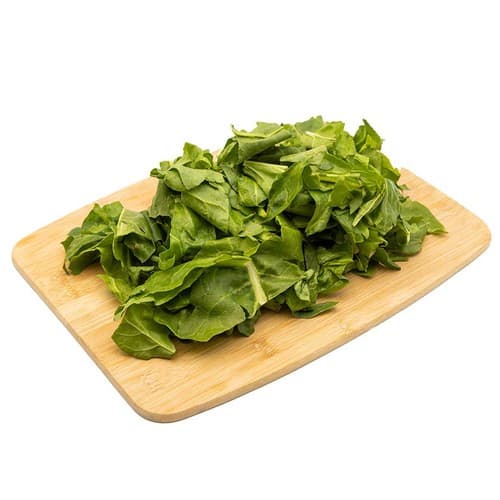 €1.35
€1.35La Collita Chard
LA COLLITA · kg · Bonpreu
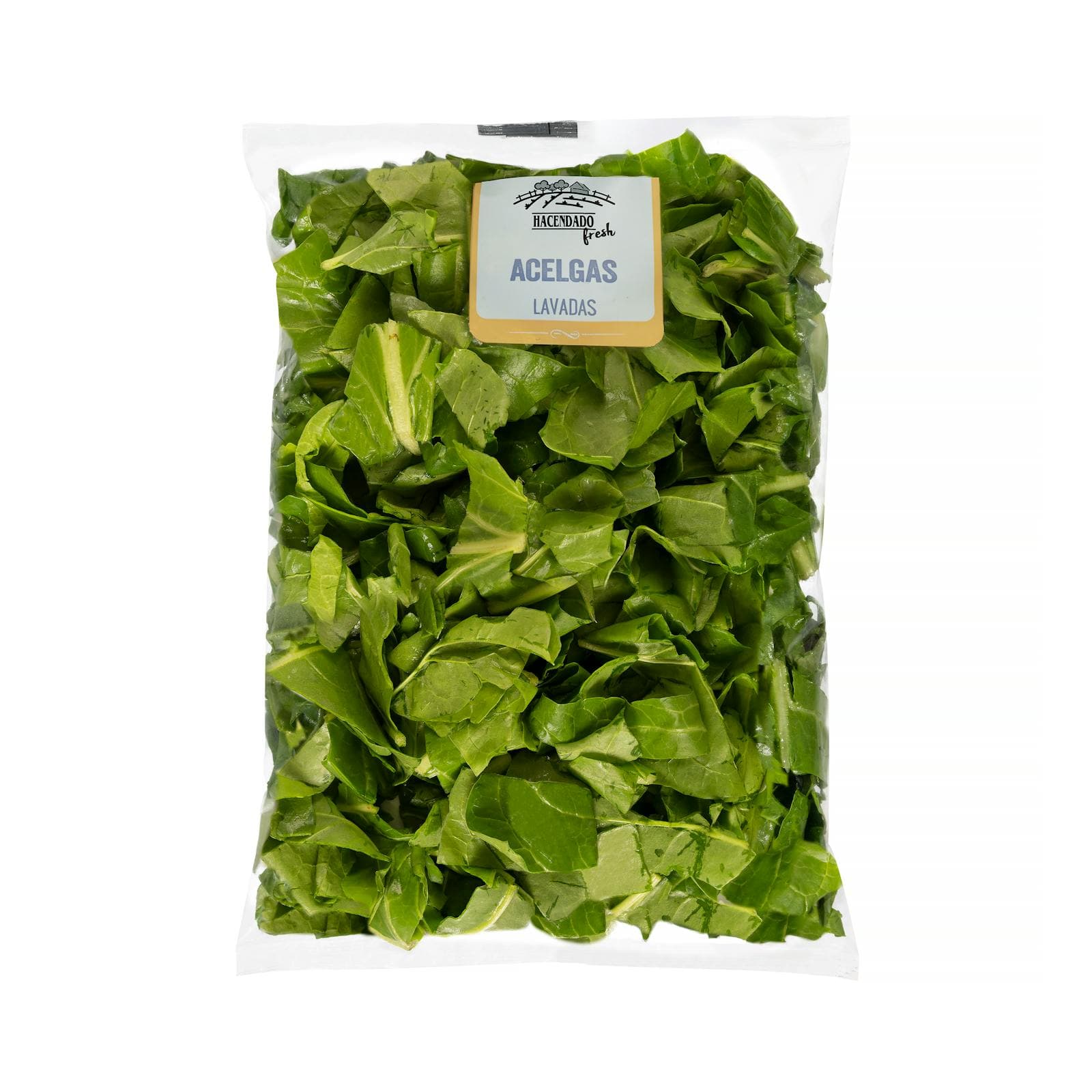 €1.35
€1.35Cut and Washed Chard
300 g · Mercadona
Good to know
- Peak season
- Summer through fall; tolerant of heat and cold
- Flavor
- Earthy, mineral leaves; mild, celery-like stems
- Origin
- Mediterranean; a beet relative grown for its leaves
- Nutrition
- ~19 kcal/100g; vitamins K, A, C; magnesium; oxalates
- How to buy
- Crisp, glossy leaves; firm, vivid stems; no wilting or browning
Appears in these dishes
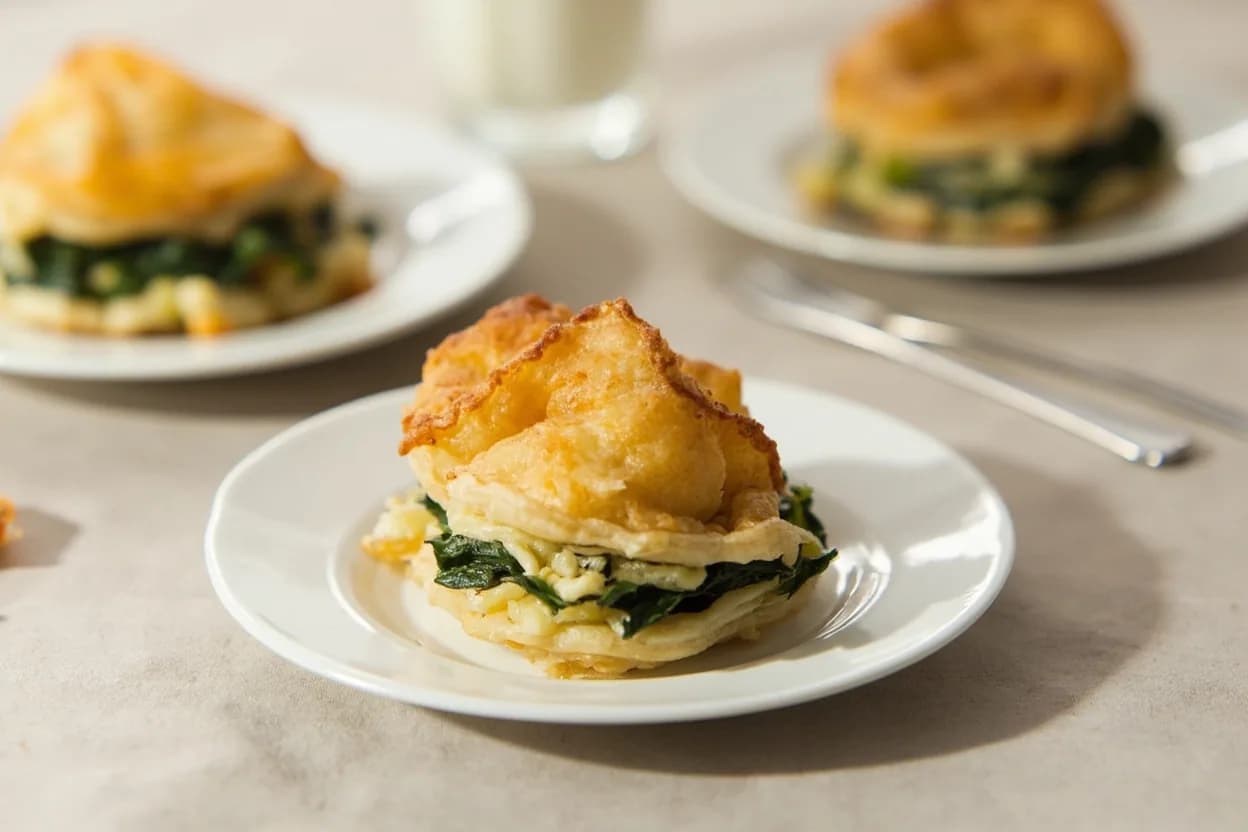
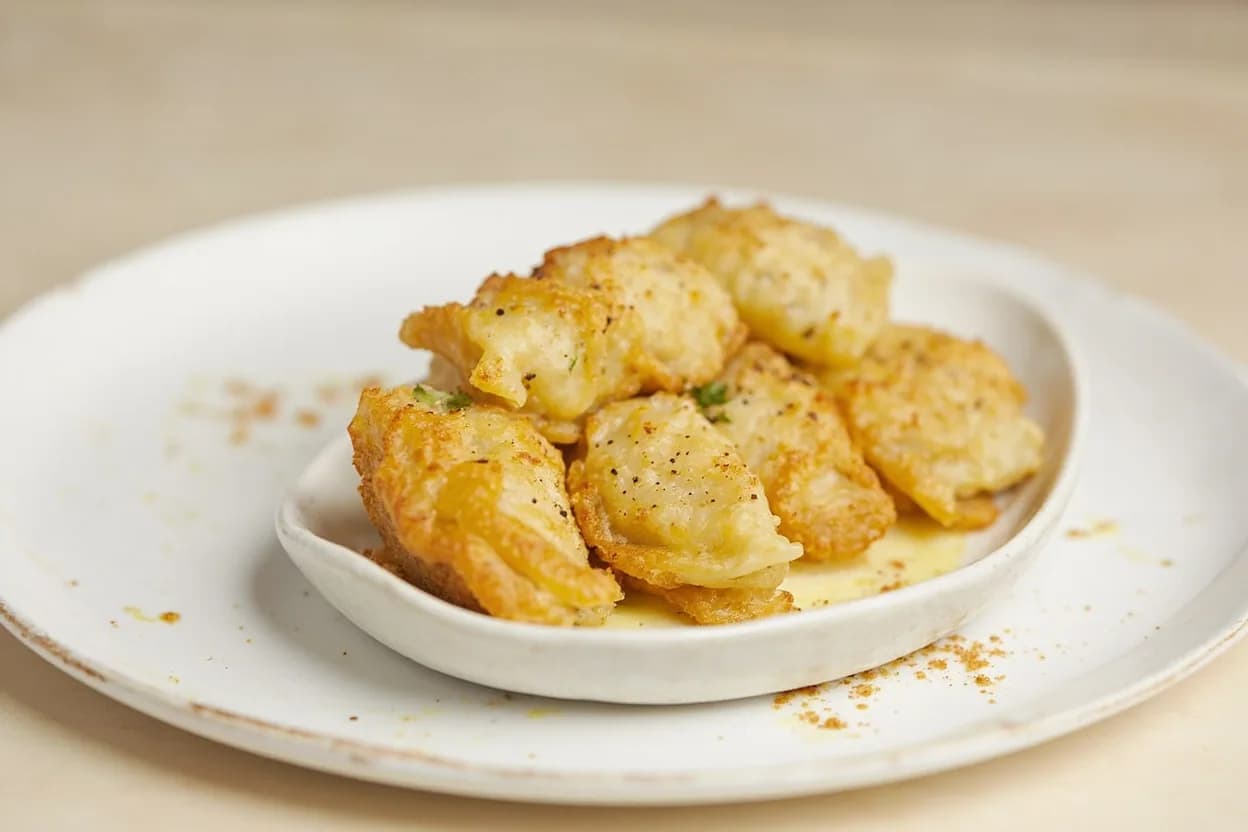
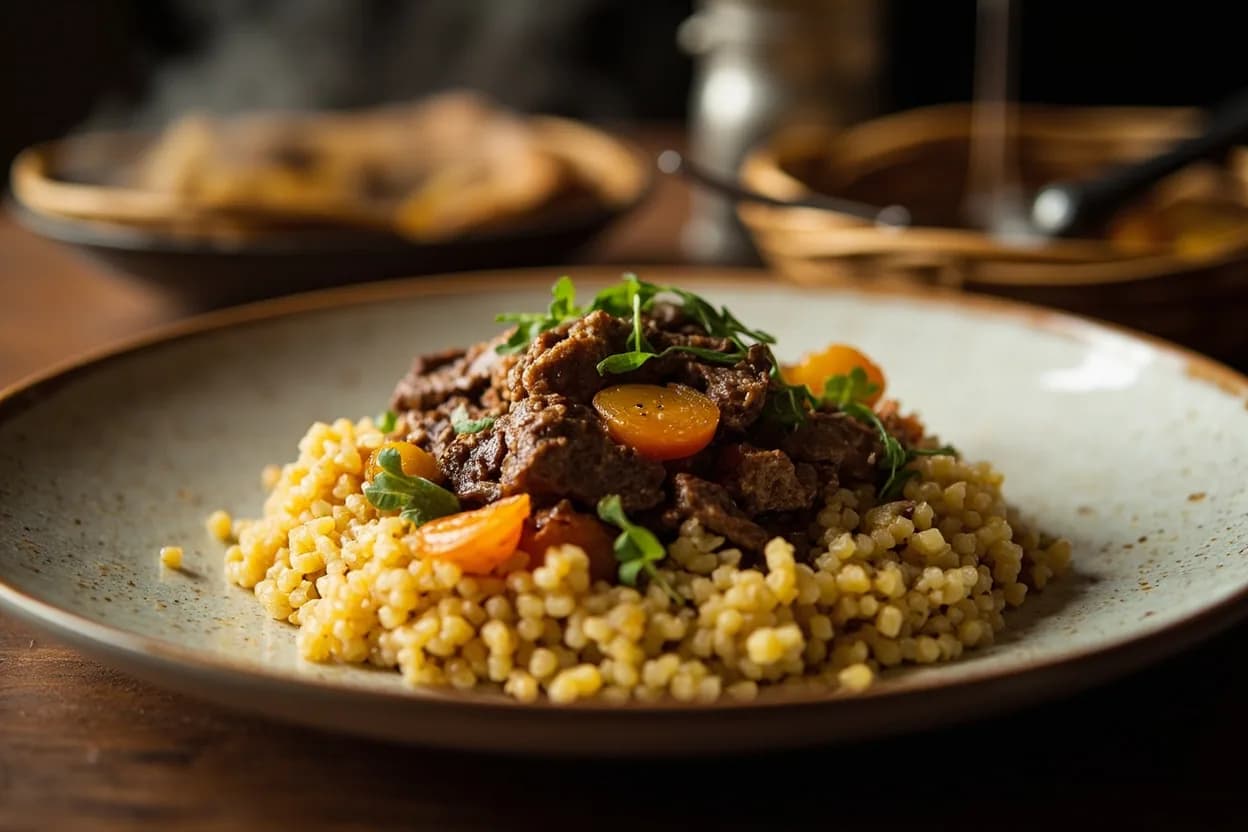
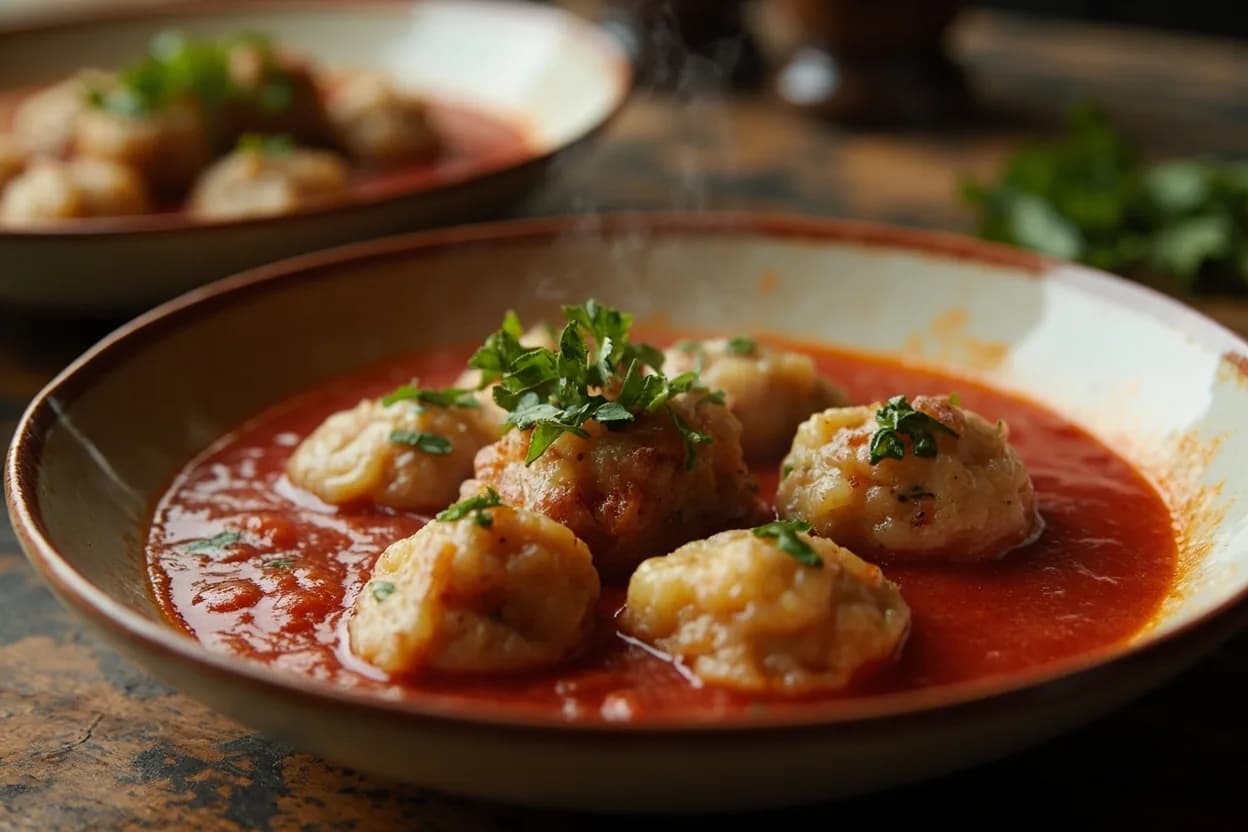
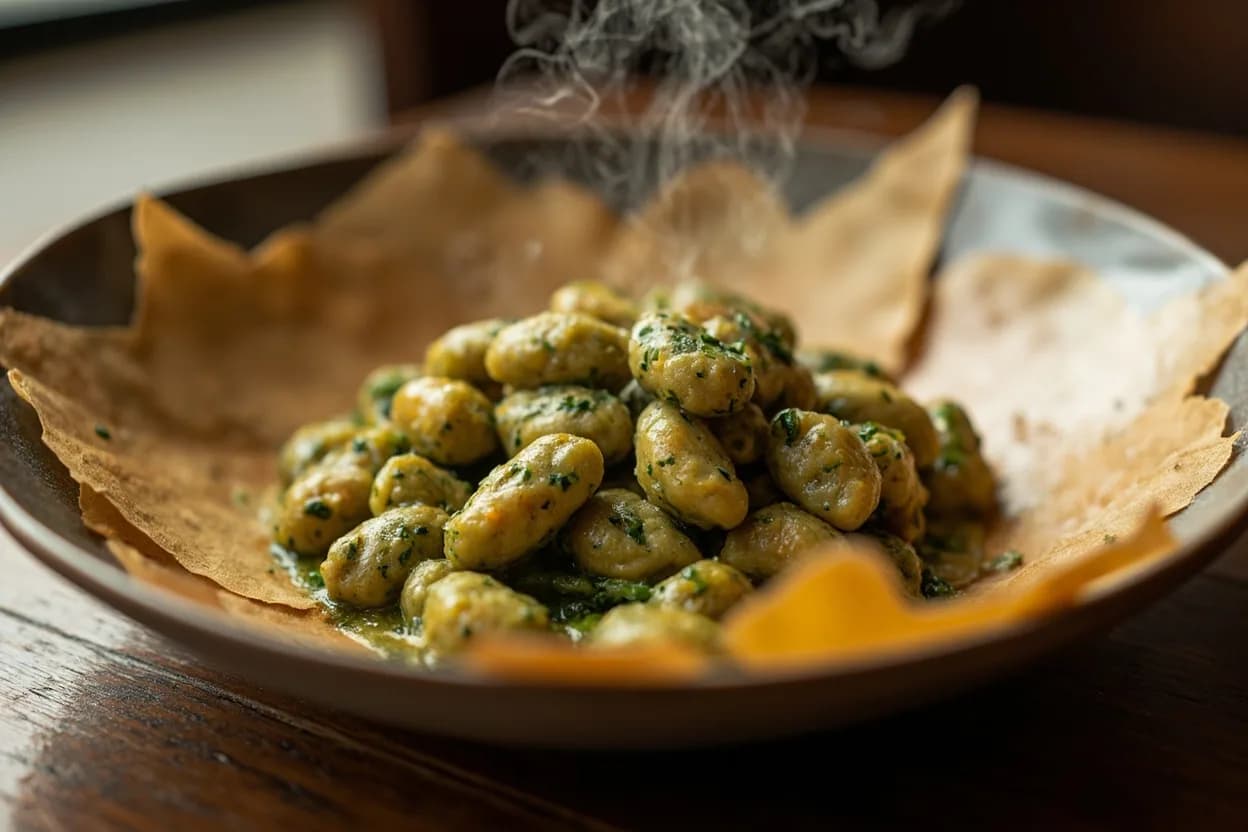
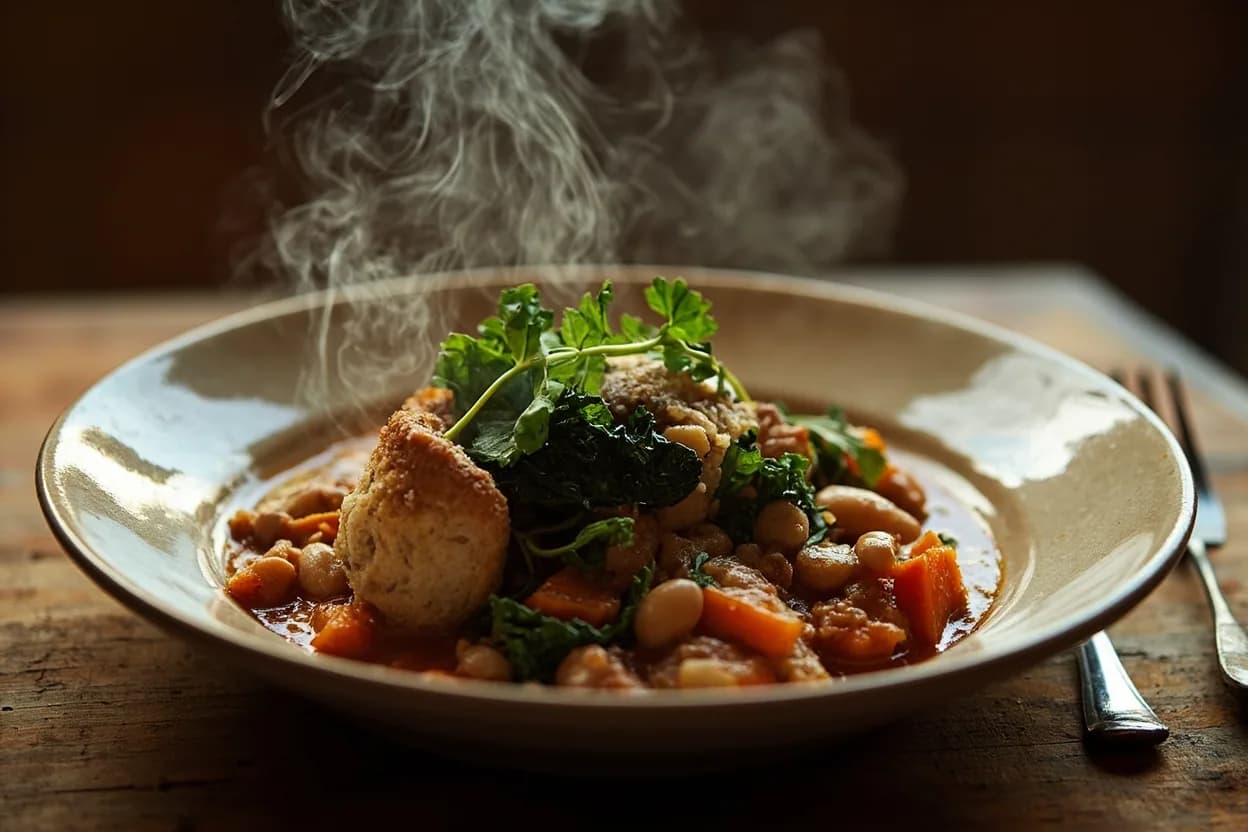
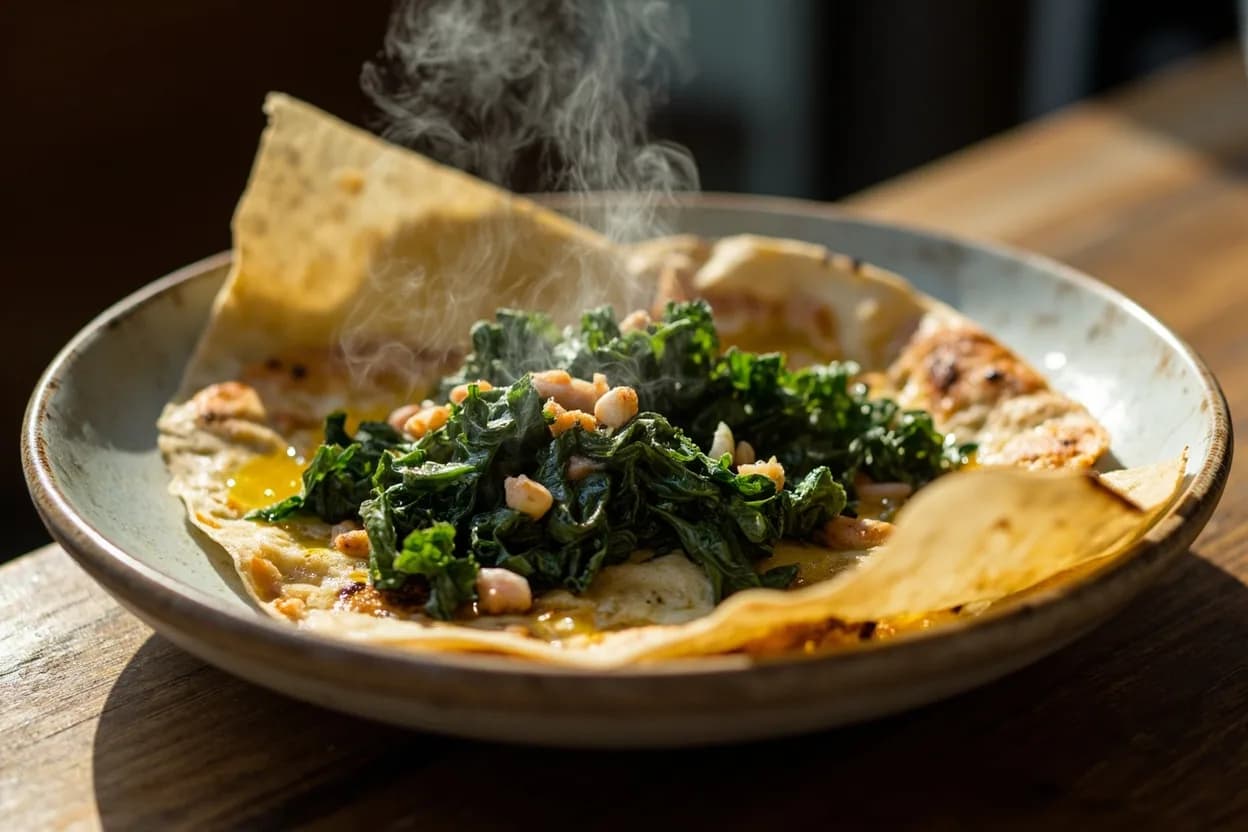
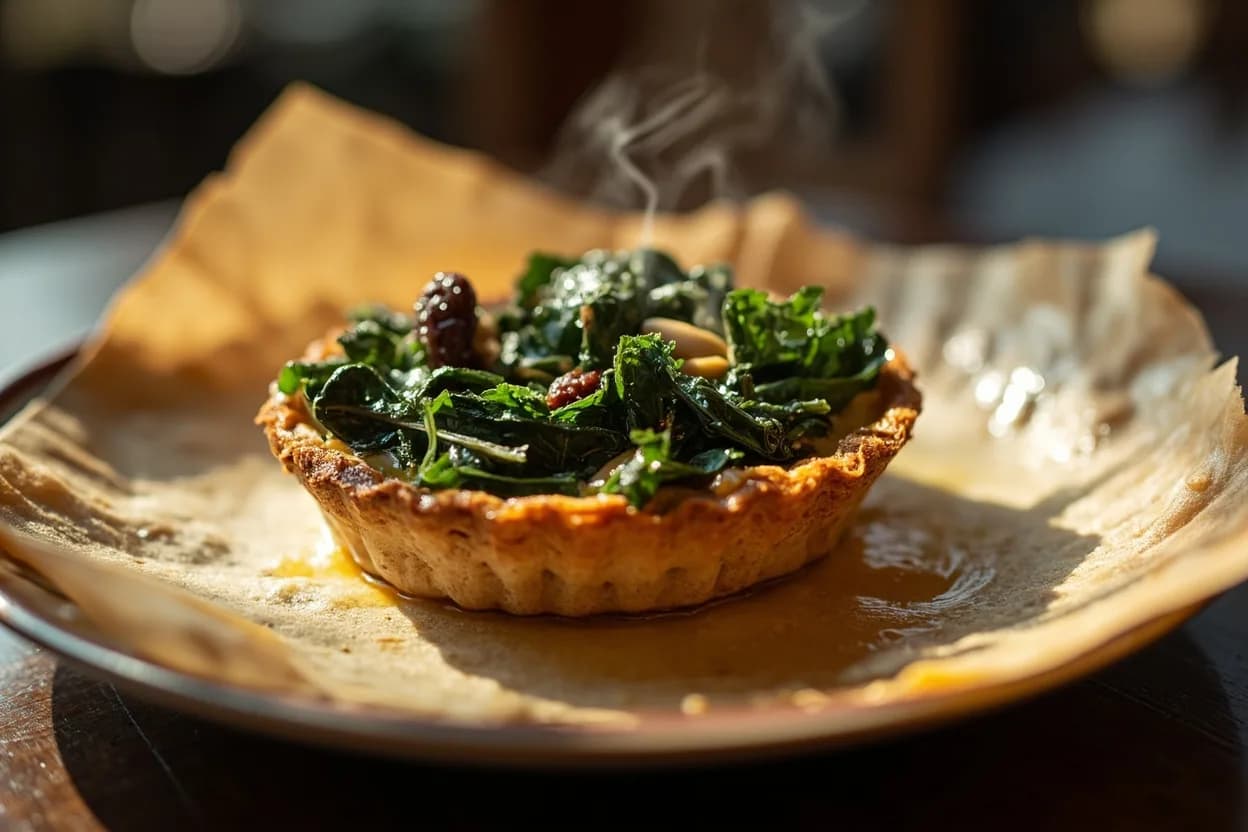
Related
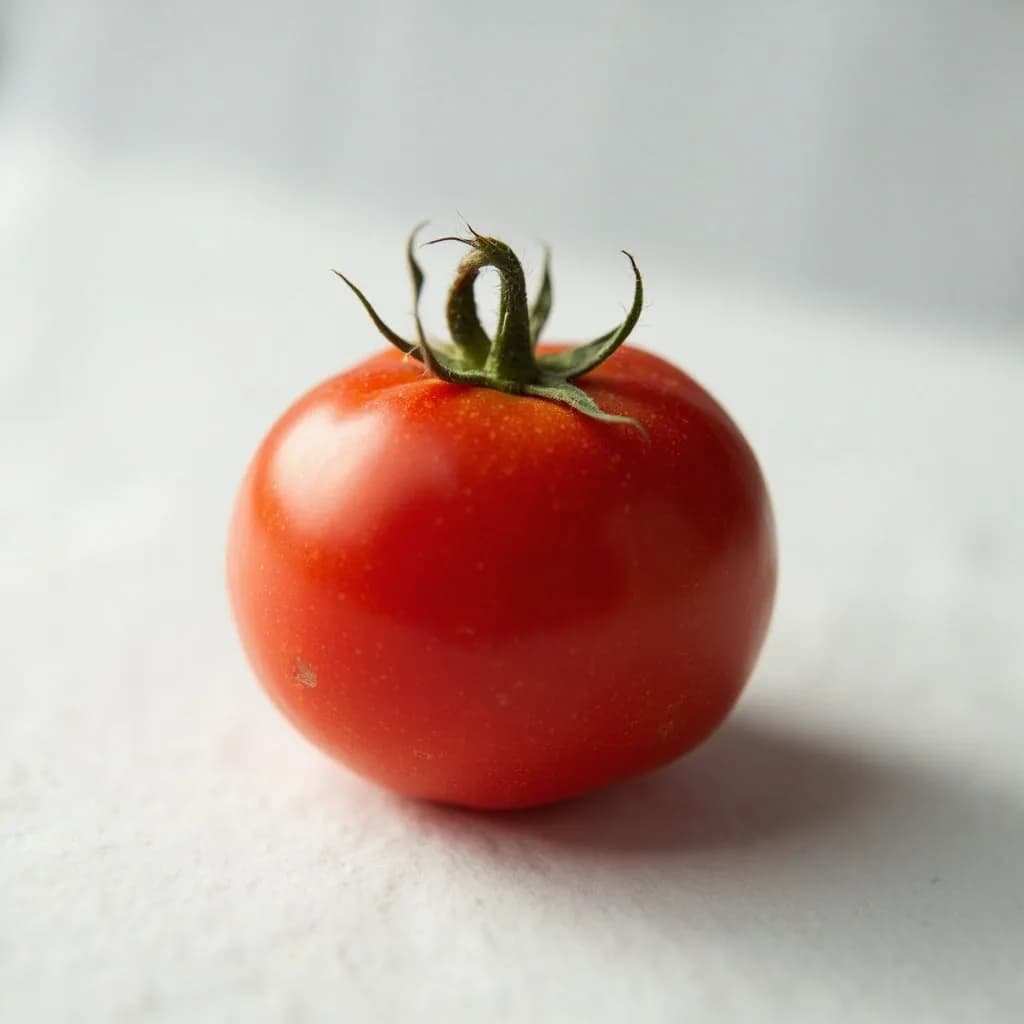
Tomato
Juicy, sun-sweet fruit for sauces, salads, and slow-cooked depth
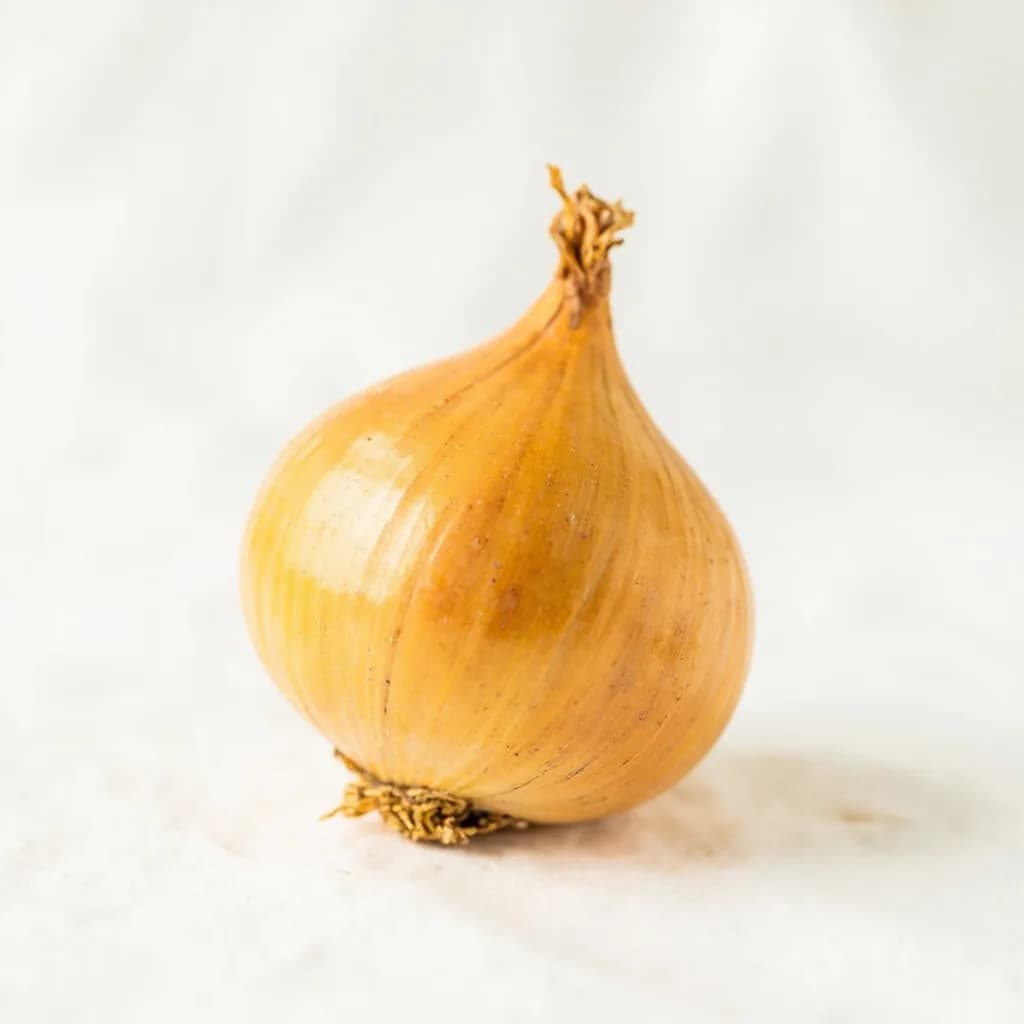
Yellow Onion
The aromatic backbone of soups, sofritos, and braises
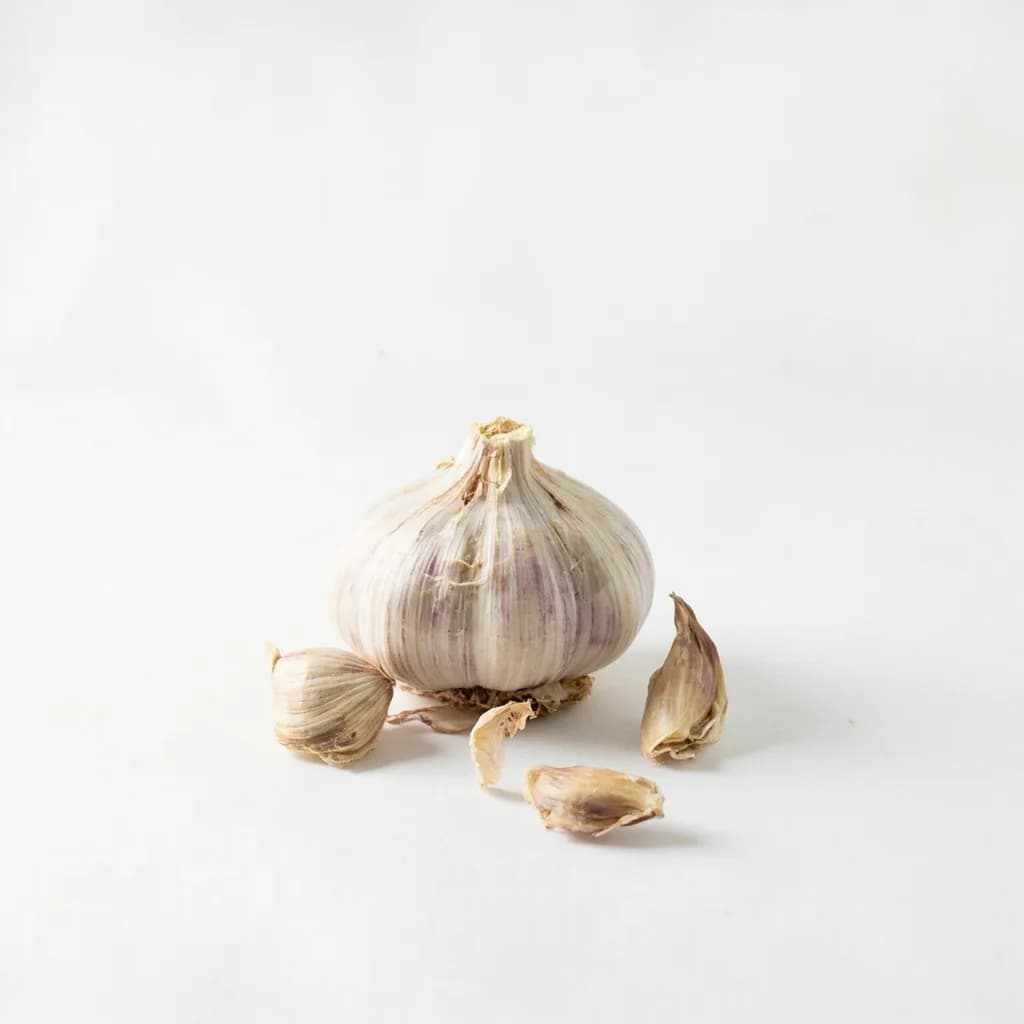
Garlic
Pungent cloves that perfume nearly every savory dish
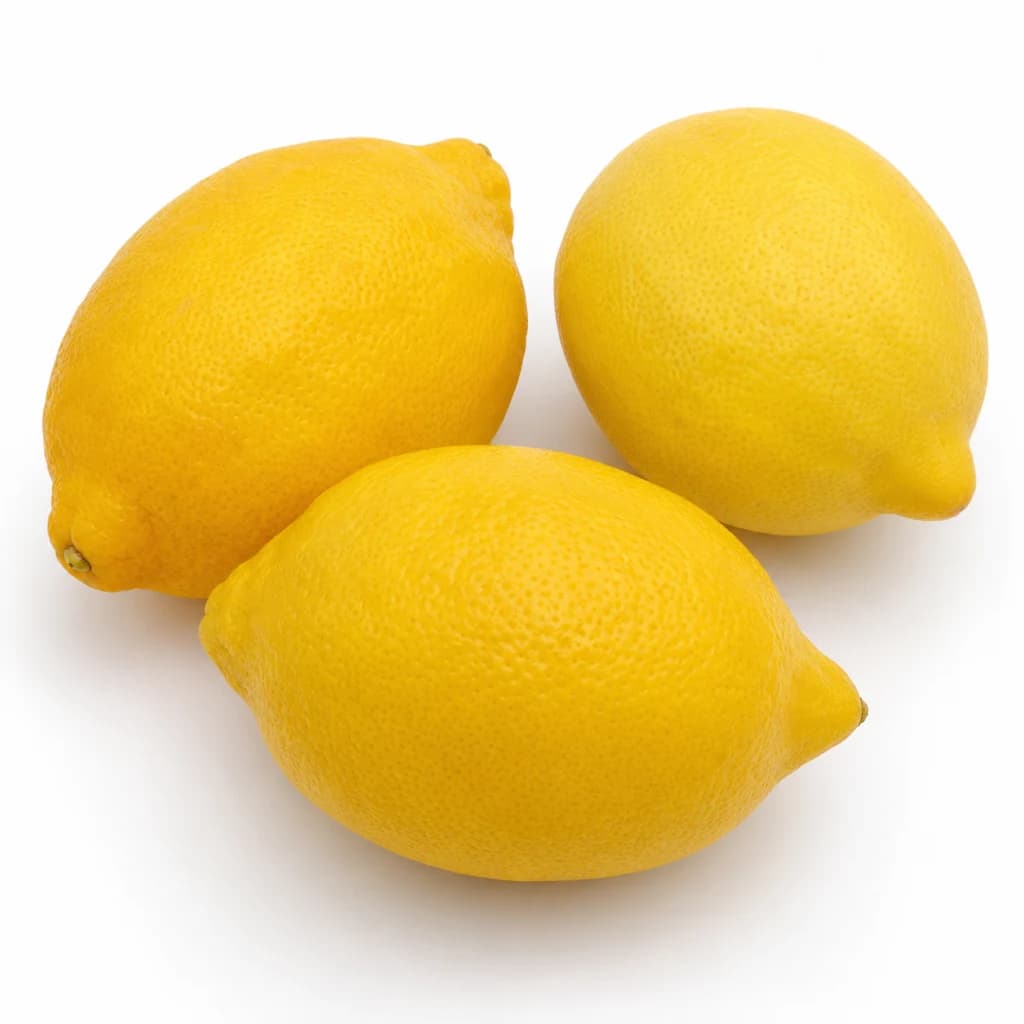
Lemon
Bright, acidic citrus that wakes up almost any dish
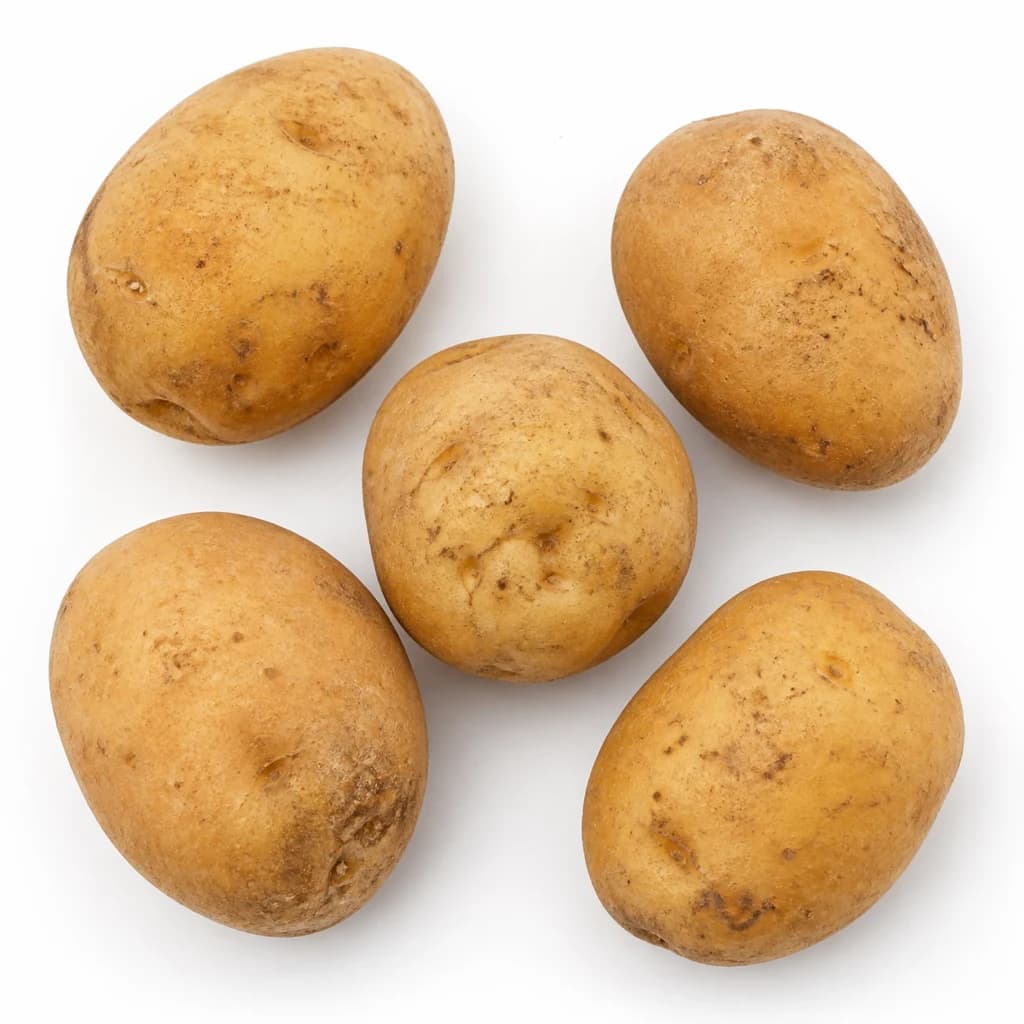
Potato
Humble, hearty staple — roast, mash, fry, or boil
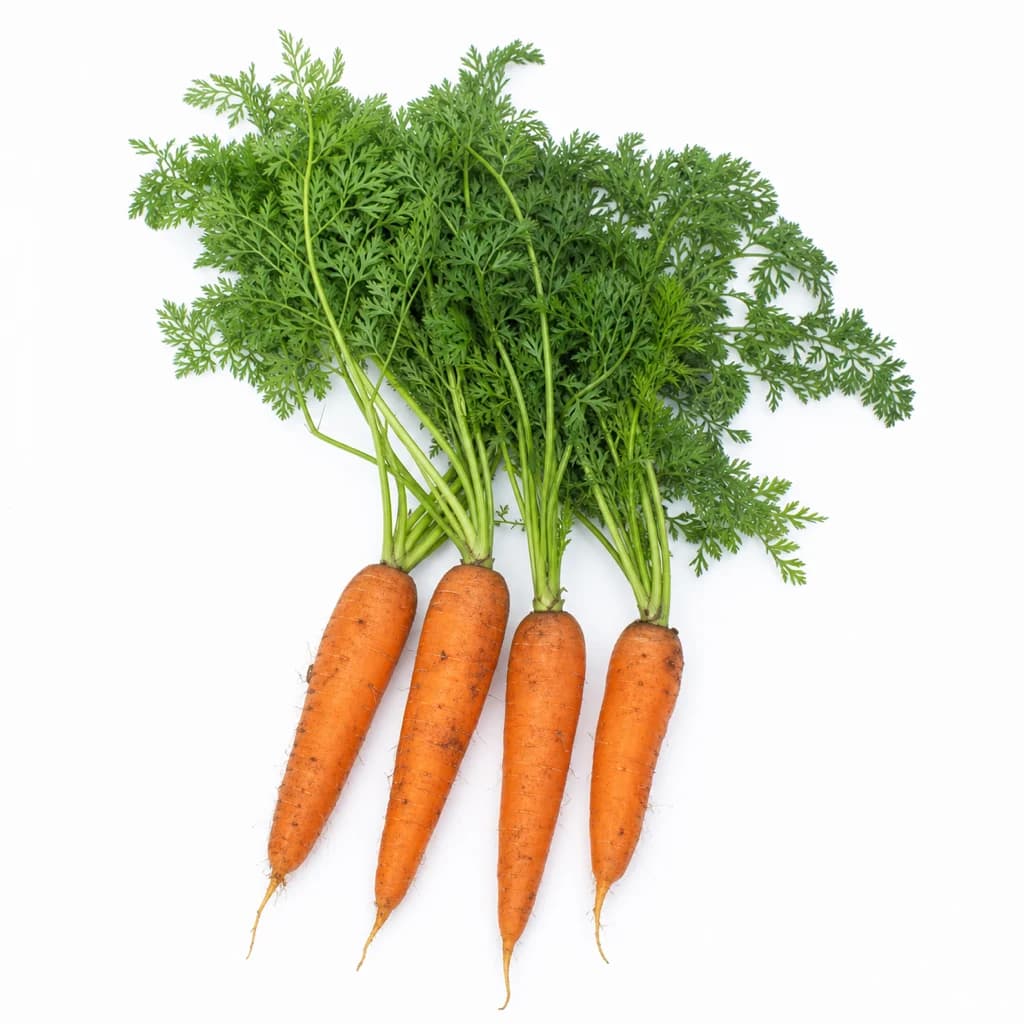
Carrot
Sweet, crunchy root — raw, roasted, or the base of a sofrito
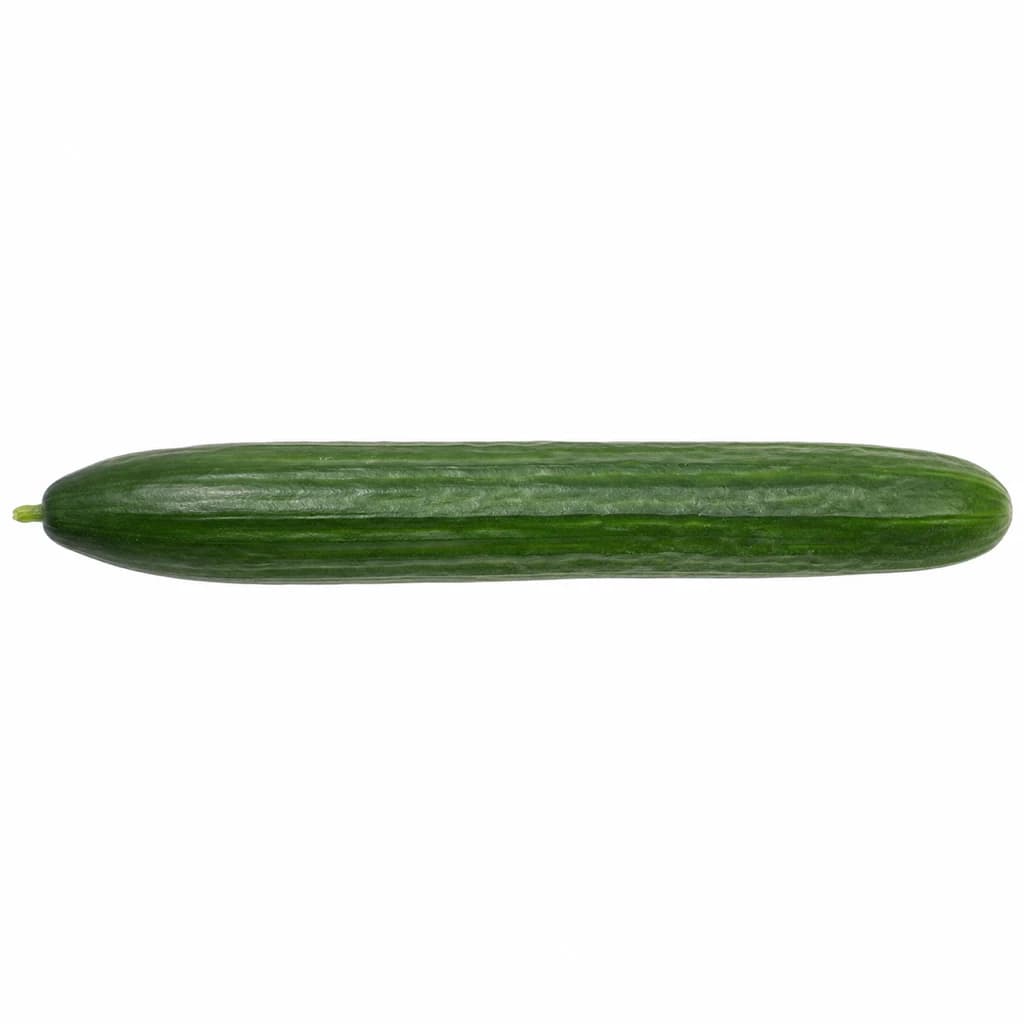
Cucumber
Cool, crisp, and watery — for salads, pickles, and tzatziki

Lettuce
Crisp leaves for salads, wraps, and a fresh crunch