Proteins
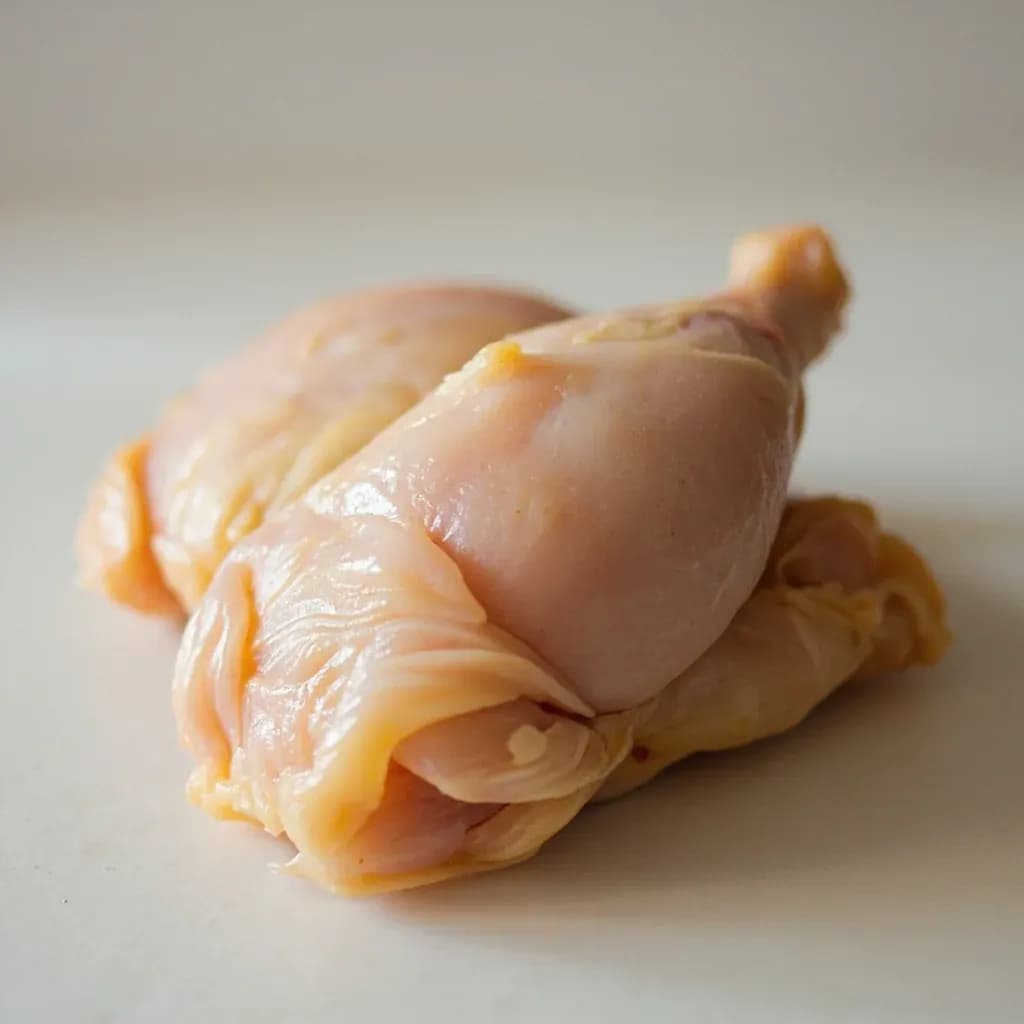
Chicken Leg Quarter
Thigh and drumstick joined in one juicy, economical cut — roasted, grilled, or braised.
A chicken leg quarter is the connected thigh and drumstick with backbone portion, an inexpensive dark-meat cut. Its higher fat content keeps it moist and forgiving when roasted, grilled, braised, or stewed. The skin crisps well and the meat carries flavor deeply, making it a favorite for one-pan and barbecue cooking.
The chicken leg quarter is a bone-in, skin-on cut that combines the thigh and drumstick with a portion of the back and hip section. Unlike a simple thigh-drumstick combo, the included back portion brings connective tissue and cartilage that transform during long cooking — the cartilage melts into gelatin, enriching sauces and braising liquids with body and depth. This is what separates a routine braise from a deeply savory, silky one.
Leg quarters are the workhorse of economical cooking. They cost less per pound than breasts, carry more fat (which renders and bastes the meat from within), and are extraordinarily forgiving. The bone and skin slow moisture loss, so even a slightly overcooked leg quarter stays more succulent than a similarly mistreated breast. The trade-off is cooking time: thigh and drumstick have different thicknesses, so methods that allow gradual, even heat — roasting at moderate temperatures, braising, smoking — produce more consistent results than high-heat quick cooks.
The cut rewards simple technique. Season under the skin, get good browning, use a thermometer to hit the right internal temperature, and let it rest. Do these four things and you will produce consistently juicy, flavorful chicken. The leg quarter is where home cooks can achieve restaurant-quality results with minimal effort and maximum margin for error.
- Measured in
- piece
- Storage
- Fridge
Types & varieties
Thigh and drumstick attached with portion of back; most common at retail
Thigh and drumstick only; fewer bones but same cooking characteristics
Includes hip bone and surrounding cartilage; popular in European butchery
Why the Back Section Matters
The portion of back attached to a leg quarter is not filler — it is functional. The back contains connective tissue and cartilage that dissolve into gelatin during extended, moist cooking. In a braise or stock, this translates directly into body and richness. A whole leg without the back will taste good; a leg quarter with the back will make the surrounding sauce taste like it came from a professional kitchen. If you are buying leg quarters specifically for braising or stock, do not trim away the back section.
- Cartilage and collagen in the back section begin melting around 160–180°F (71–82°C), well within braising temperatures
- This gelatin enrichment is why leg quarters excel in slow-cooked preparations
- Save trimmed-back portions for stock if you prefer the visual simplicity of a whole leg
Common uses
Tips & pitfalls
- Season under the skin every time — loosen the skin with your fingers and apply salt, herbs, or a spice rub directly to the meat surface
- Use an instant-read thermometer; overcooking is the primary mistake with leg quarters and leads to dry, stringy thigh meat
- For crispy skin, start skin-side down in a hot heavy pan, or begin at high oven heat (425°F/220°C) for 15–20 minutes then reduce to finish cooking
- Let the meat rest 5–10 minutes after cooking; carryover heat will raise internal temperature 5–10°F and the juices will redistribute
- Bone-in, skin-on holds together better on the grill than boneless cuts, which tend to twist and char unevenly
- For braising, always brown the skin first in a hot Dutch oven before adding liquid — this builds the foundation of flavor
- If spatchcocking (removing the backbone and flattening), cooking time drops significantly; check at 30 minutes at 425°F (220°C)
- Brining is optional with this cut — the fat content keeps the meat moist without it, though a 1-hour brine in 5% salt solution will improve seasoning penetration
- When roasting, position leg quarters skin-side up on a rack so hot air circulates underneath too — this promotes even browning
- Because the drumstick is thinner than the thigh, cooking methods that allow extended time (350–375°F roasting, braising, smoking) produce more even results than high-heat quick cooks
Nutrition
Nutrition
No USDA FoodData Central match for Chicken Leg Quarter yet. We surface a per-100 g profile once a generic whole-food entry is matched and verified.
In the shops
Matched grocery products
No matched grocery products for Chicken Leg Quarter yet.
Good to know
- Cut Type
- Bone-in, skin-on whole leg section (thigh + drumstick + partial back)
- Location on Bird
- Lower posterior half of the chicken
- Typical Weight
- 8–12 oz (225–340 g) per quarter
- Fat Content
- 10–15g per 4-oz serving (with skin)
- Protein
- 25–30g per 4-oz cooked serving
- Safe Internal Temp
- 165°F (74°C) USDA minimum; most tender at 170–175°F (77–79°C)
- Refrigerator Storage
- 1–2 days raw; 3–4 days cooked
- Freezer Storage
- 9–12 months raw; 4–6 months cooked
- Cost
- One of the most economical chicken cuts per pound
- Cooking Difficulty
- Easy — forgiving due to higher fat content and bone
Substitutes
- Chicken Thighs (bone-in, skin-on) — Virtually identical cooking time and behavior; quarter the cooking time if using boneless thighs
- Chicken Leg (drumstick only) — Cooks faster; adjust time accordingly; lacks the thigh's substantial meaty texture
- Turkey Leg — Much larger; requires up to 2 hours at 350°F; similar flavor profile and cooking behavior
Also called
Leg Quarter · Chicken Quarter
Related
Egg
The kitchen's everything ingredient — bind, leaven, enrich, or fry
Chicken Breast
Lean, quick-cooking white meat for everyday dinners

Ground Beef
Versatile minced beef for burgers, ragù, tacos, and meatballs
Pork Loin
Lean, tender roasting cut that stays juicy with care
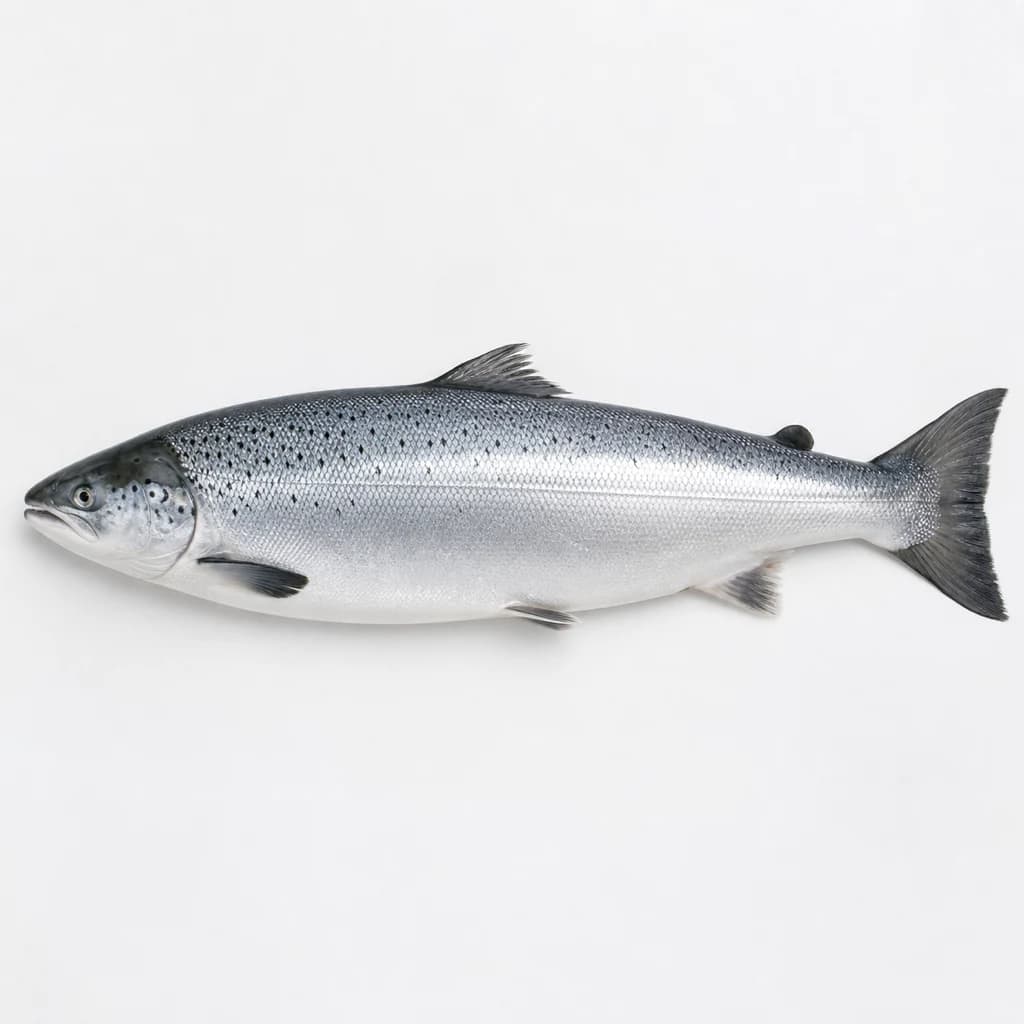
Salmon
Rich, rosy fish that roasts, grills, or cures beautifully

Egg White
Pure protein that whips to airy peaks for meringue and more
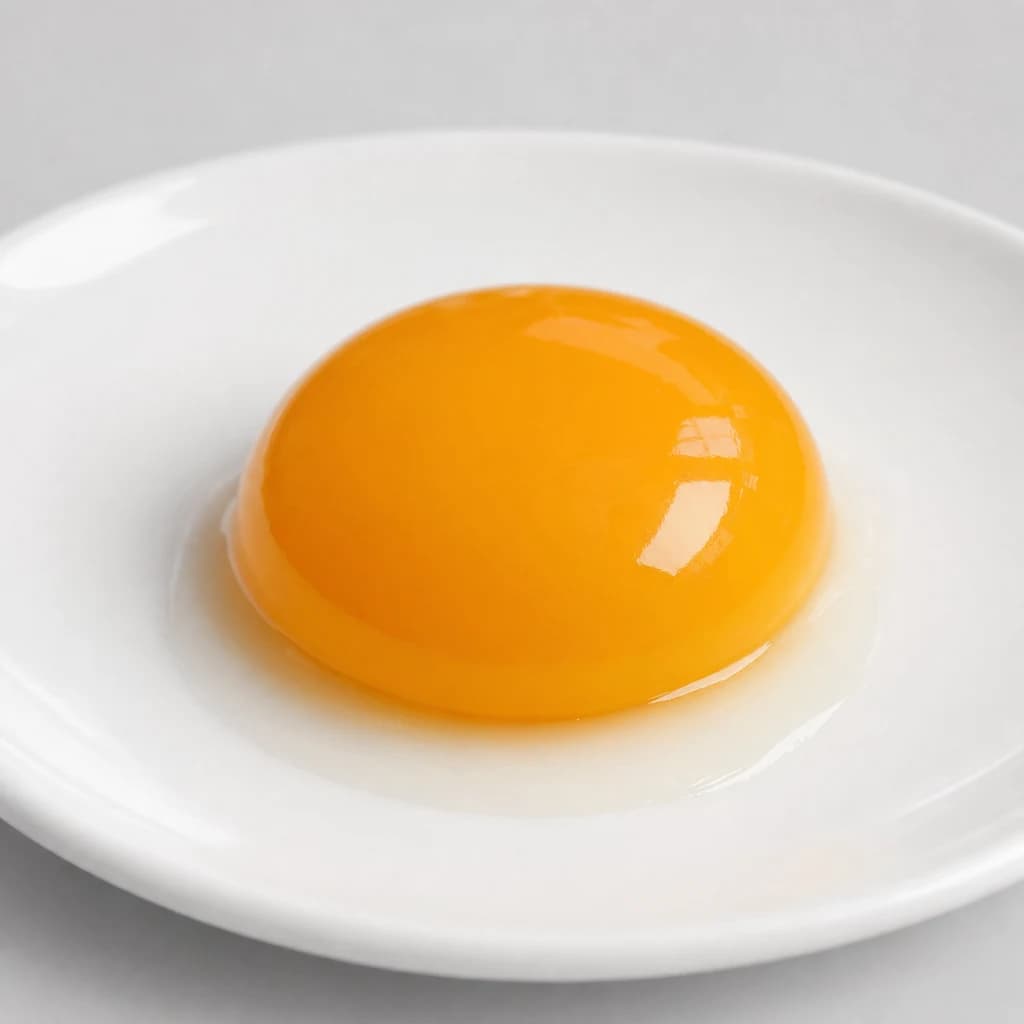
Egg Yolk
Rich, golden yolk for custards, mayonnaise, and pasta

Quail Egg
Tiny, speckled eggs for garnishing and elegant bites