Baking
Chocolate Chips
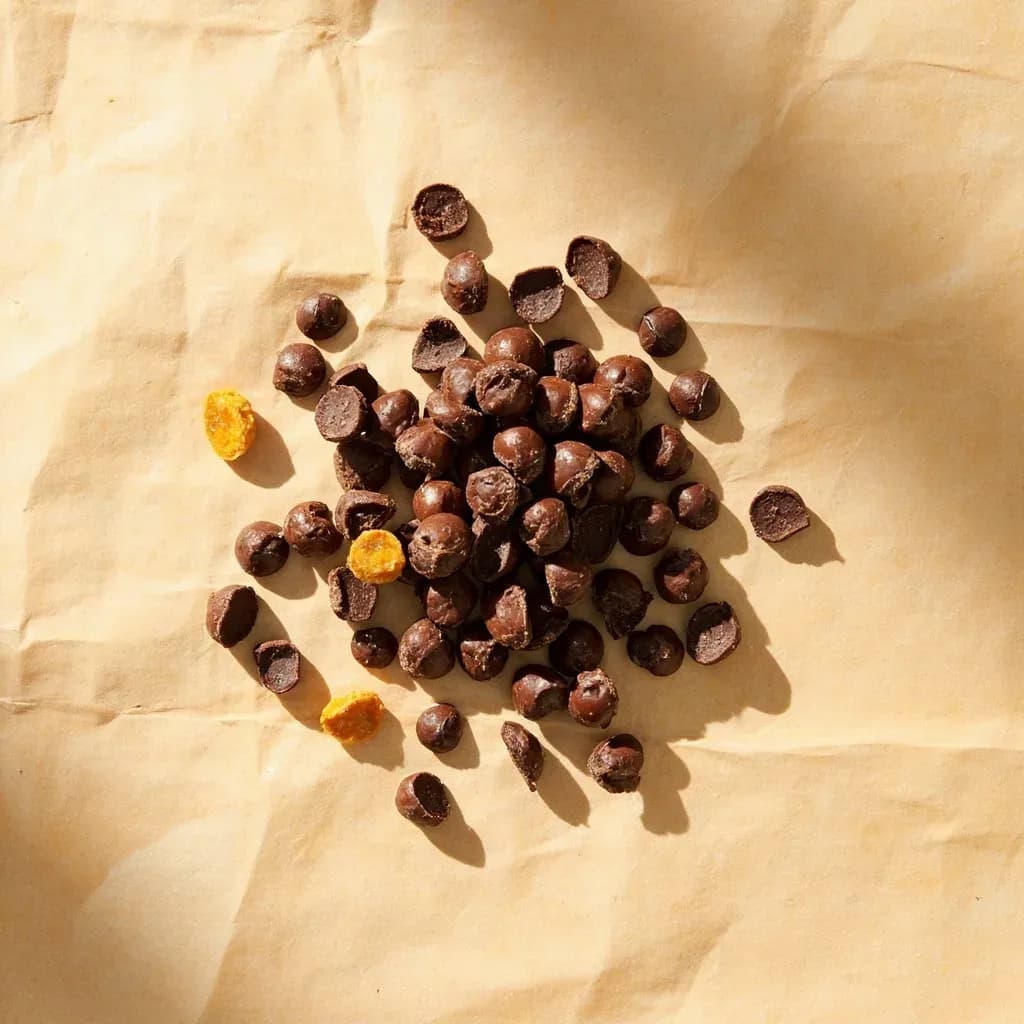
Stabilizer-laced morsels that hold their teardrop shape through baking, so they stud cookies and muffins without fully melting out.
Chocolate chips are best understood not as small pieces of chocolate but as a deliberately engineered baking ingredient. Standard chips are formulated with less cocoa butter than a bar of the same cacao percentage and rely on extra emulsifiers — typically soy lecithin, sometimes PGPR — plus added cocoa butter equivalents or vegetable fats to keep their teardrop shape intact once oven heat hits them. That single design decision is the reason a chocolate chip cookie looks like a chocolate chip cookie: drop a chopped bar into the same dough and the chocolate slumps into glossy puddles rather than studding the surface. The trade-off is that chips melt poorly for ganache, dipping, or any application that wants smooth, glossy chocolate, and most are noticeably less chocolatey on the palate than a good bar of equivalent cacao percentage.
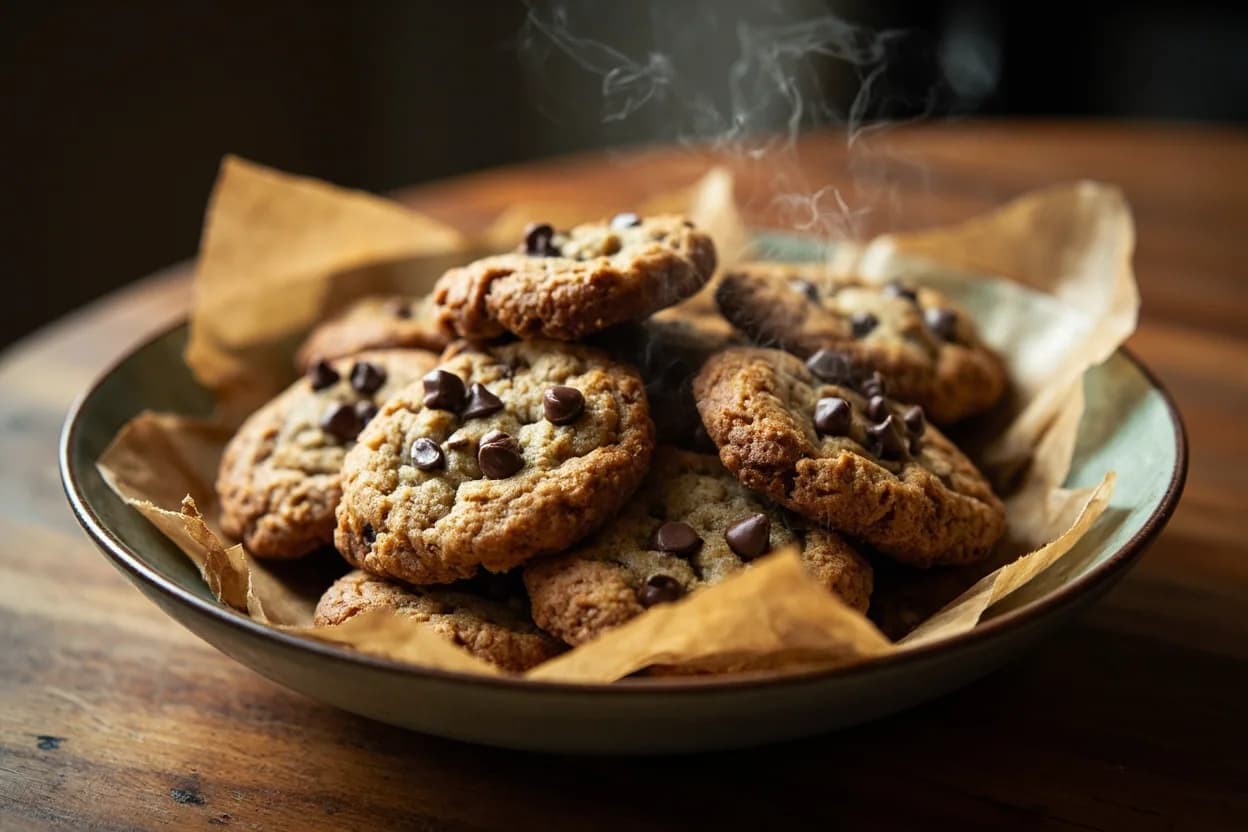
The format was born in 1937–38 at Ruth Wakefield's Toll House Inn in Whitman, Massachusetts, when she chopped a Nestlé semisweet bar into a butter cookie dough expecting the pieces to melt through. They didn't, and the Toll House cookie was the result. Nestlé bought the recipe in 1939 and began stamping out chips (originally called 'morsels') by machine, launching both the cookie and the chip as American pantry staples. Today's market runs the gamut from the familiar supermarket bag — usually 40–60% cacao semisweet with a fair amount of added fat — to premium chips from Guittard, Ghirardelli, Scharffen Berger, and Callebaut that read closer to actual chocolate in blind tastings.
Picking a chip is mostly a question of cacao percentage, fat source, and intended use. For Toll House–style cookies and most kid-leaning baking, the standard supermarket semisweet is the right tool. For brownies, grown-up cookies, or anything where the chocolate flavor should lead, a 60–72% bittersweet chip (or a chopped bar) makes a real difference. Anything labeled 'chocolate flavored' or 'chocolatey' is built around vegetable fat rather than cocoa butter; it bakes identically and looks the same, but the chocolate flavor is muted and the melt has a waxy edge — fine for a child's birthday cake, less fine for dessert that needs to taste of chocolate.
- Measured in
- g
- Storage
- Pantry
Find it in
Suits
Types & varieties
The classic Toll House style; modern formulas 40–60% cacao; the workhorse chip for cookies, muffins, and quick breads.
60–72% cacao; richer and less sweet; ideal for grown-up cookies and brownies where chocolate flavor should lead.
Sweeter and creamier; pairs especially well with peanut butter, banana, and shortbread.
Technically not chocolate — cocoa butter, sugar, milk solids; melts at a relatively low temperature (around 110°F / 43°C) and scorches easily; good for visual contrast.
Brown sugar and butter flavoring, no chocolate; classic in Scotcheroos, oatmeal cookies, and peanut butter blondies.
Reformulated peanut butter with stabilizers; the intended partner of chocolate chips, not a substitute.
Soften rather than hold; best stirred into batter last or used as a topping.
Cinnamon, espresso, mint, pumpkin spice, and similar seasonal infusions; read loudly, so portion sparingly.
About half the volume of regulars; distribute evenly in pancakes, muffins, and quick breads where you don't want a giant molten pocket.
Visual impact — press a few on top of cookie dough before baking for the bakery look.
Irregular broken pieces or thick shards; melt unevenly for a marbled, rustic cookie.
Brands like Enjoy Life and Hu use dairy-free, nut-free, soy-free formulations for inclusive baking.
Reading the Bag
The single most useful piece of label literacy for chips is the distinction between 'real chocolate' and 'chocolate flavored.' Real chocolate chips list chocolate (or chocolate liquor, which is the same thing in industry language) in the ingredients, with cocoa butter as the primary fat. 'Chocolate flavored' or 'chocolatey' chips substitute palm, sunflower, or other vegetable fats for cocoa butter, and they say so. The two look identical in the bowl and bake to the same teardrop, but the flavored version has a noticeably waxy melt and a flatter, sweeter chocolate note. For cookies and muffins where appearance and texture are the point, the flavored chips are perfectly serviceable and usually cheaper. For anything that should taste deeply of chocolate — a brownie, a ganache-adjacent filling, an adult cookie — the real chocolate chips earn the price gap.
- Cacao percentage is a useful proxy: supermarket semisweet typically lands at 40–60%; bittersweet at 60–72%; milk chocolate around 30%.
- Premium brands (Guittard, Ghirardelli, Scharffen Berger, Callebaut, Valrhona) use more cocoa butter and conch the chocolate longer, which gives a rounder, more chocolatey flavor.
- Many 'accidentally' dairy-free chips exist — check the back of a standard Nestlé bag; semisweet often has no milk in the ingredients.
The Sinking Problem
Chips are denser than most batters, so they sink during the bake unless you help them along. The standard fix is a teaspoon of flour tossed with the chips before folding them in: the starch thickens the batter slightly around each chip and slows the descent. Muffin and quick-bread batters benefit most — banana, blueberry, and zucchini breads are notorious for a chocolate layer at the bottom. Cake batters are thin enough that even floured chips can puddle; consider switching to minis, which suspend more reliably, or accepting the lower layer as a feature.
- Toss chips with about 1 tsp flour per cup of chips before folding in.
- Reserve a quarter of the chips and press them on top of the dough just before baking — both for looks and to ensure visible chips in every bite.
- Don't overmix once chips go in; overworked batter streaks with chocolate and toughens gluten.
Common uses
Tips & pitfalls
- Don't reach for chips when a recipe calls for melted chocolate — their lower cocoa butter and added emulsifiers resist smooth melting. Use a chopped bar or pistoles/Callets instead.
- White chocolate chips melt at a relatively low temperature (around 110°F / 43°C) and scorch easily; melt them in a double boiler over barely simmering water, not a microwave on high, and pull the bowl off the heat a touch early.
- Refrigeration causes fat bloom and condensation on the surface; store chips at cool room temperature in a sealed bag, and freeze only for long keeping.
- Measure by weight, not volume — chip volumes vary wildly by size and shape, and a kitchen scale makes Toll House cookies reproducible across brands.
- To improvise chips from a bar, pulse the chocolate briefly in a food processor with a tablespoon of flour; the flour keeps the small pieces from clumping and slightly slows the melt so they hold their shape in the dough.
- For raw cookie dough you want to freeze, use chips rather than chunks; chunks tear up the dough under freezer wrap and leave bald spots when baked from frozen.
- Grey or white streaks on stored chips (fat or sugar bloom) are cosmetic only — bake with them as you would fresh.
- If a recipe wants the chocolate to streak through the cookie (rather than stud it), reach for chunks or chopped bar chocolate; chips are designed to stay put.
Nutrition
Energy
1887 kJ · per 100 g
Where the calories come from
Protein
4g
8% DV
Carbs
61g
22% DV
Fat
21.3g
27% DV
Fiber
1.5g
5% DV
Sugars
38g
of which
Sodium
321mg
14% DV
Source · USDA FoodData Central · approx. Cookies, chocolate chip, refrigerated dough
View on FDC →In the shops
Matched grocery products
No matched grocery products for Chocolate Chips yet.
Good to know
- Invented
- 1937–38 at the Toll House Inn, Whitman, Massachusetts, by Ruth Wakefield
- Commercialized
- Nestlé began mass-producing chocolate chips in 1939 after buying the Toll House cookie recipe
- Standard size
- Roughly 1,000 chips per pound (about 0.16 g each); minis run about half that volume; chunks 2–4× regular
- Composition
- Sugar, chocolate liquor, cocoa butter, lecithin (often soy), vanilla; lower cocoa-butter content than bar chocolate
- Shelf life
- 12–24 months sealed at cool room temperature; indefinitely when frozen
- Storage
- Cool (60–70°F), dry, airtight; refrigeration causes fat bloom and is not recommended
- Bloom
- White or gray surface streaks are fat or sugar bloom — harmless cosmetic change, still good to bake with
- Real vs. flavored
- 'Real chocolate' chips list chocolate in the ingredients; 'chocolate flavored' chips substitute vegetable fats for cocoa butter
Substitutes
- Chopped semisweet chocolate bar — The closest substitute by flavor; chop to roughly chip size. Trade-off: more irregular melt and less defined shape in cookies.
- Chocolate pistoles / callets / feves — Tempered disc-shaped chocolate from pastry suppliers (Valrhona, Callebaut, Guittard). Melt cleaner than chips; standard in professional baking.
- Chocolate chunks — Sold by most chip brands in larger, irregular pieces; same formula, bigger visual impact, less even distribution.
- Cacao nibs — For a less-sweet, slightly bitter, crunchy result — most direct in cookies, less so in muffins or pancakes.
- Carob chips — Naturally caffeine-free and sweeter; works in cookies for kids or anyone avoiding chocolate, but the flavor is distinctly carob, not chocolate.
- Butterscotch or peanut butter chips — Same shape and behavior, completely different flavor — useful when you want chip texture without the chocolate note.
- Dairy-free / vegan chocolate chips — Drop-in for those avoiding dairy; many standard semisweet chips are dairy-free by accident, so check the label before buying specialty.
Pairs with
Also called
choc chips · chocolate morsels · pepitas de chocolate · baking chips
Appears in these dishes
Related

All-Purpose Flour
The do-anything flour for bread, cakes, sauces, and dredging

Bread Flour
High-protein flour for chewy, well-risen breads
Whole Wheat Flour
Nutty, whole-grain flour for hearty breads and bakes
Cake Flour
Fine, low-protein flour for tender, delicate cakes
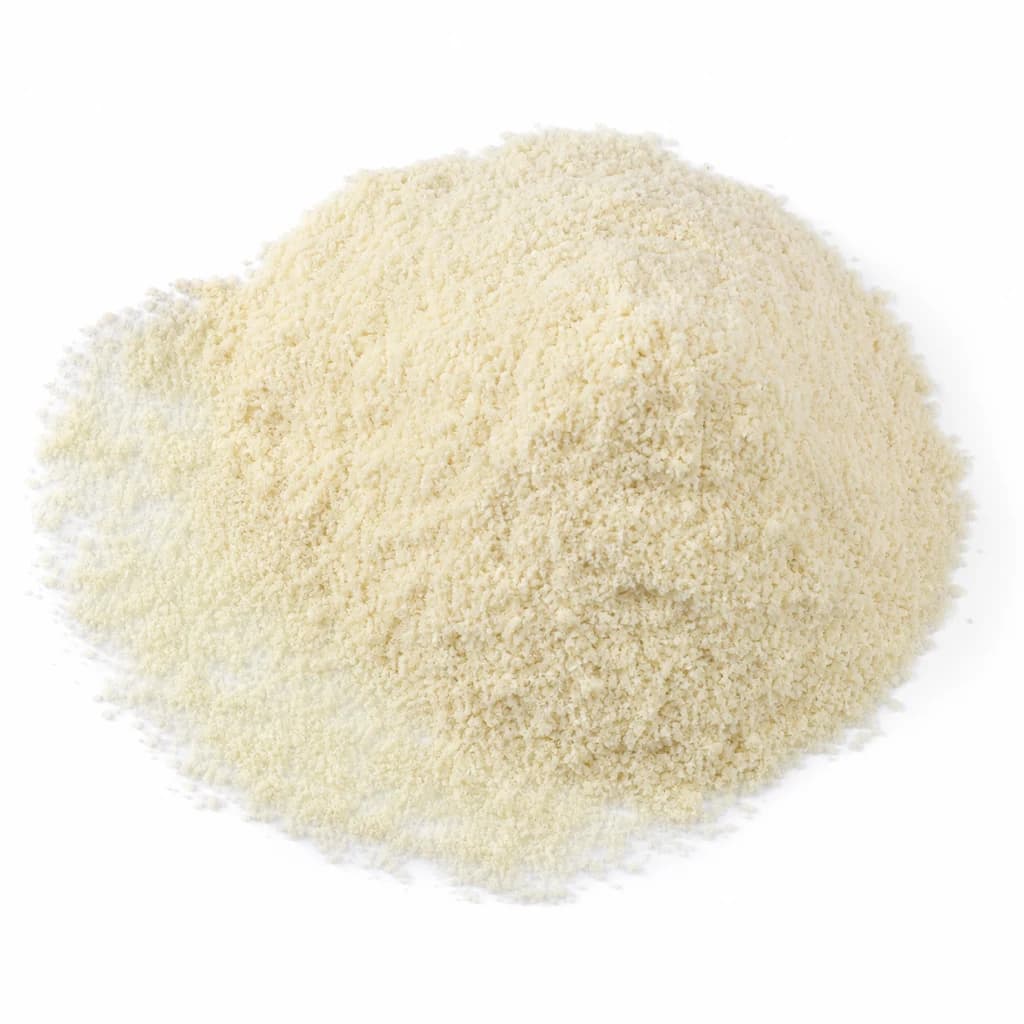
Almond Flour
Nutty, gluten-free flour for macarons and tender bakes

Baking Powder
All-in-one leavener for fluffy cakes, pancakes, and biscuits

Baking Soda
Pure leavener that needs acid to lift — and tenderize
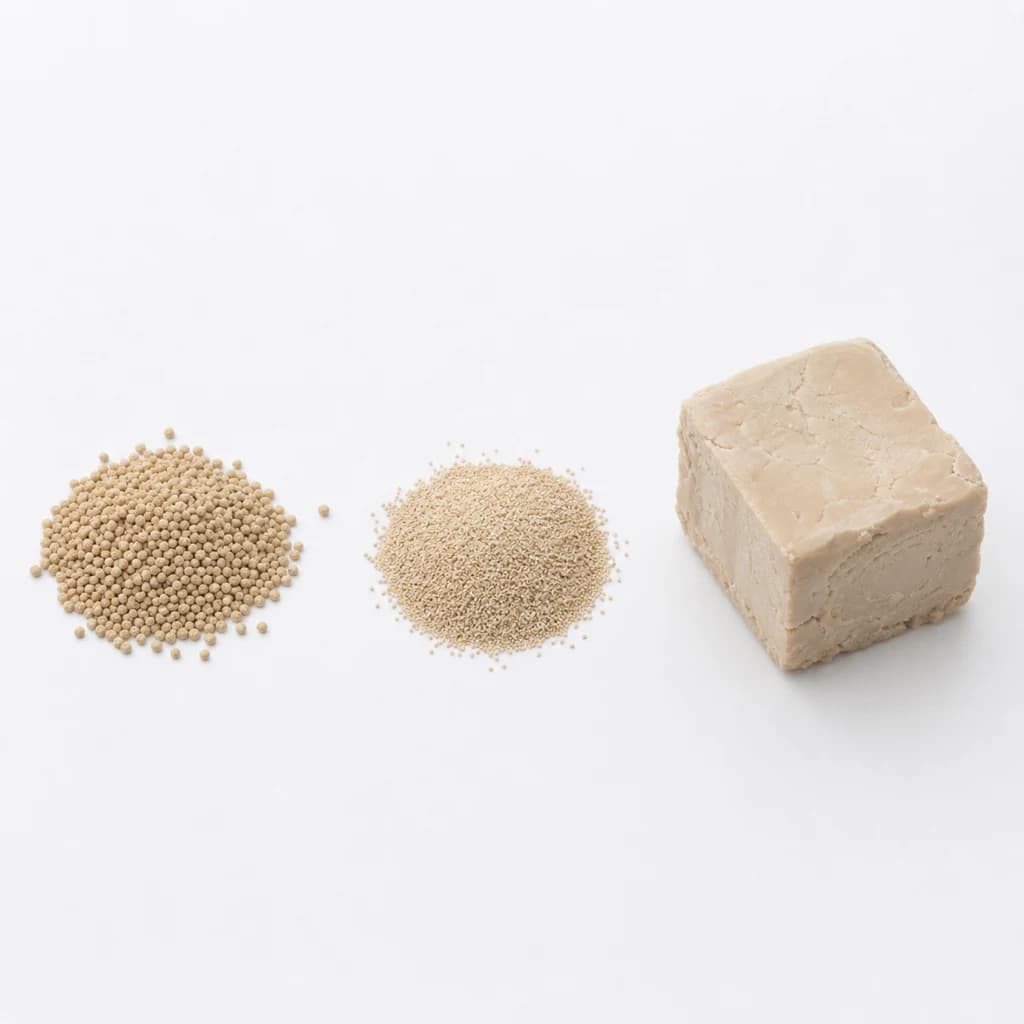
Yeast
Living leaven that makes bread rise and dough come alive