Proteins
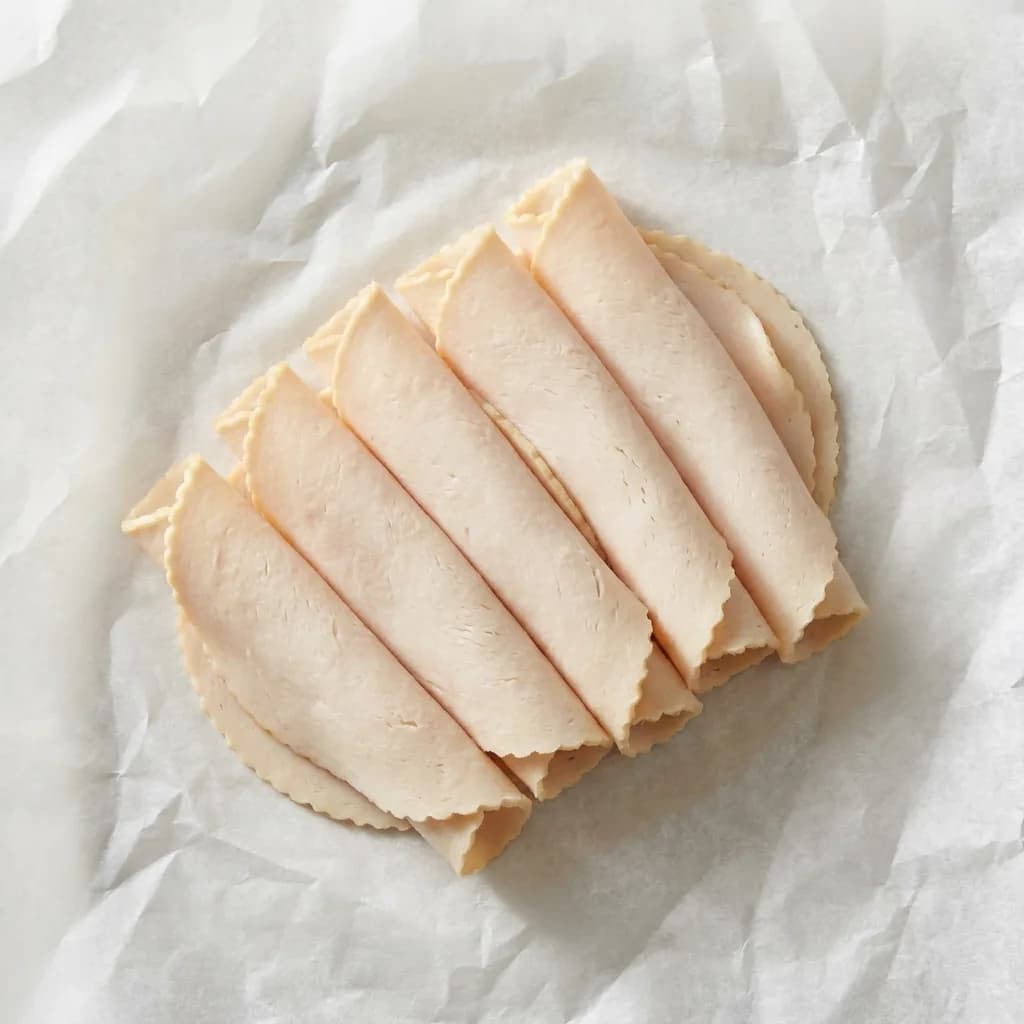
Deli Turkey
Sliced cooked turkey breast for quick sandwiches and wraps.
Deli turkey is cooked, often brined or smoked turkey breast sliced thin at the counter. It is a lean, ready-to-eat protein piled into sandwiches, wraps, and lunchboxes. Lower in fat than many cold cuts, it is a staple of casual North American lunches.
Deli turkey is pre-sliced cooked turkey breast, typically cut between 1/8 and 1/4 inch thick, sold either pre-packaged or freshly sliced at the deli counter. The vast majority of commercial deli turkey is "enhanced"—injected or tumbled with saline solutions that can comprise up to 15% of the final product by weight. These solutions typically contain salt, sodium phosphates, and sometimes natural flavorings or celery powder for color. The enhancement improves moisture retention and extends shelf life, but it significantly increases sodium content and can dilute true turkey flavor.
The distinction between deli-sliced and pre-packaged matters for quality. Fresh-sliced from a whole roasted breast offers superior texture and flavor compared to formed turkey loaves, which are processed into loaves and sliced. Pre-packaged varieties often contain mechanically separated turkey—a paste-like product with noticeably inferior mouthfeel. Read ingredient lists carefully: "mechanically separated turkey" or "turkey leg meat" indicate lower quality. For the cleanest experience, seek packages listing "turkey breast" as the primary ingredient with minimal additives, or request fresh-sliced breast at the deli counter.
- Measured in
- g
- Storage
- Fridge
Types & varieties
The standard variety; mild, slightly savory flavor with salt, pepper, and natural turkey flavorings
Glazed with honey before roasting; sweeter profile with caramelized notes; slightly higher in sugar
Cold-smoked or hot-smoked with hickory or apple wood; deeper amber color; robust, smoky flavor
Seasoned with paprika, garlic, onion, and cayenne; reddish-brown exterior; notably spicier than standard
Cured with coriander, black pepper, and garlic; similar to beef pastrami in seasoning style
Reduced to 200-400mg sodium per serving; often uses potassium chloride as partial salt substitute
From birds raised without antibiotics or synthetic inputs; certified organic by USDA; typically fewer additives
Minimal processing; no artificial ingredients; cleaner ingredient list than standard commercial varieties
Uses celery powder or other natural sources for color; no synthetic nitrates; pinker color than conventional
Whole muscle cuts sliced fresh; cleaner ingredient list than formed deli turkey; often premium priced
Coarsely ground and emulsified turkey; fully cooked; mild flavor; similar to beef bologna texture
Understanding Enhancement
Most commercial deli turkey is "enhanced" with up to 15% added solution by weight. This means a significant portion of what you're buying is not actually turkey. Enhancement improves moisture retention and extends shelf life, but it substantially increases sodium content—sometimes doubling it—and can dilute the authentic turkey flavor. Some enhanced products use sodium phosphates and carrageenan to improve texture and water-holding capacity.
- Enhanced turkey is often pinker from added solutions; natural turkey may appear grayish-pink
- Excessive liquid pooling in the package indicates over-enhancement or improper storage
- For lower sodium, choose low-sodium varieties or opt for fresh-roasted turkey breast
Whole Muscle vs. Formed
The production method significantly affects quality. "Whole muscle" turkey breast is sliced from an actual roasted breast, maintaining proper texture and authentic flavor. "Formed" deli turkey is manufactured from smaller pieces or trimmings that are pressed into loaves and then sliced—a more processed product with different mouthfeel. Watch for "mechanically separated turkey" (MSM) in budget varieties; it produces a paste-like substance with no discernible muscle fiber structure.
- Request "fresh-sliced" at the deli counter for whole-muscle turkey
- Check ingredient lists: "turkey breast" should be first for whole-muscle products
- Pre-packaged formed turkey often costs less but delivers inferior texture
Common uses
Tips & pitfalls
- Look for "turkey breast" as the first ingredient, not "mechanically separated turkey" or "turkey leg meat" which indicate lower quality products
- Sodium content varies dramatically between brands (400-850mg per serving); weigh actual portions rather than relying on slice count for sodium monitoring
- Buy the freshest available and check sell-by dates—near-expiration turkey has diminished flavor and texture even when unopened
- Don't rely on color alone to judge quality; enhanced turkey is often unnaturally pink while natural turkey may appear grayish-pink
- Request thinner slices for wraps where you need flexibility, thicker slices for cold-cut platters where structural integrity matters
- Re-wrap deli turkey tightly in plastic wrap or a zip-top bag after opening; original packaging allows airflow that dries out slices
- Let sliced turkey sit at room temperature 10-15 minutes before assembling sandwiches—cold deli turkey tastes flat and rubbery
- Avoid packages with excessive liquid pooling at the bottom—this indicates over-enhancement or improper cold-chain storage
Nutrition
Energy
444 kJ · per 100 g
Where the calories come from
Protein
14.8g
30% DV
Carbs
2.2g
1% DV
Fat
3.8g
5% DV
Fiber
0g
0% DV
Sugars
0.9g
of which
Sodium
898mg
39% DV
Source · USDA FoodData Central · Turkey breast, sliced, prepackaged
View on FDC →In the shops
Matched grocery products
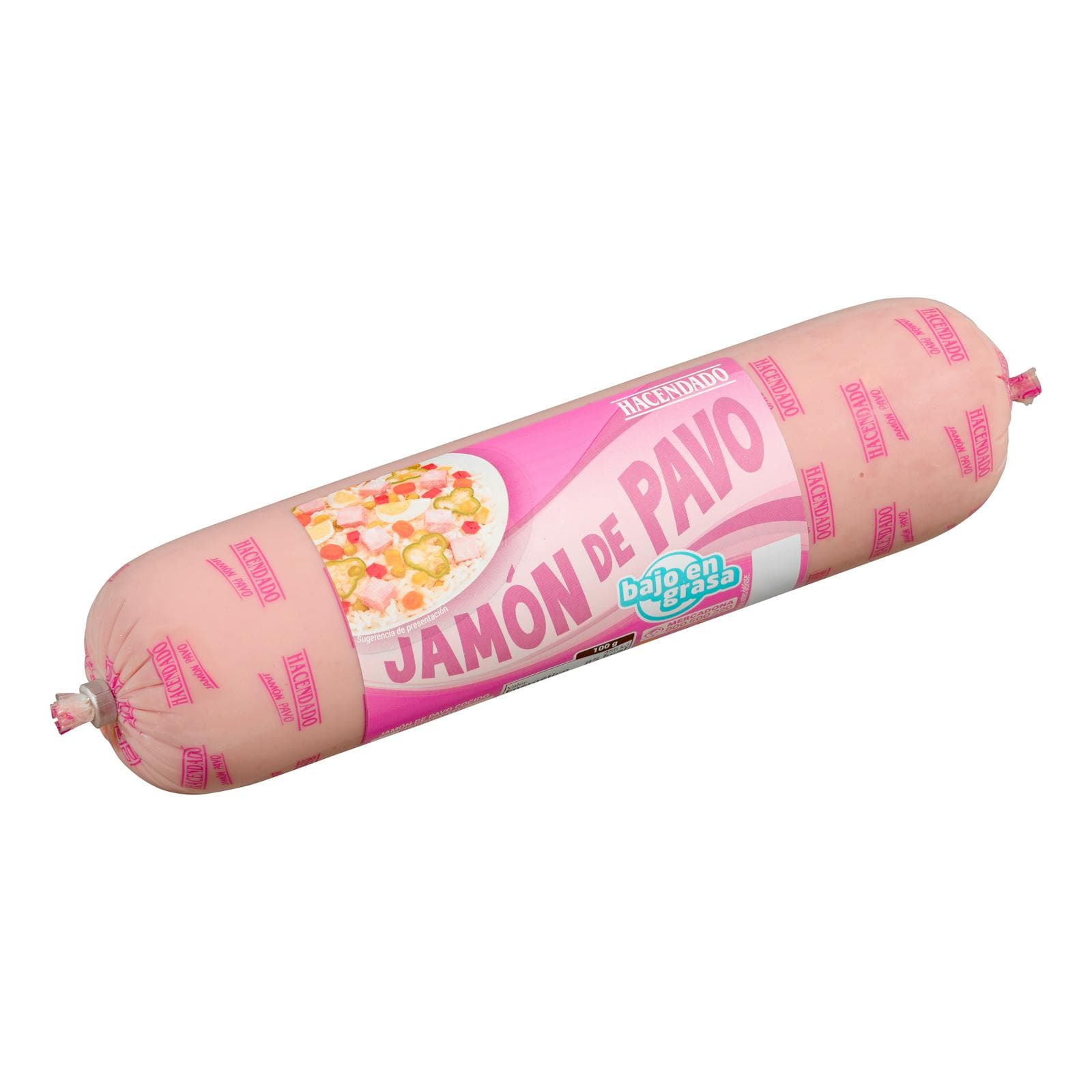 €2.85
€2.85Turkey Ham
Hacendado · 500 g · Mercadona
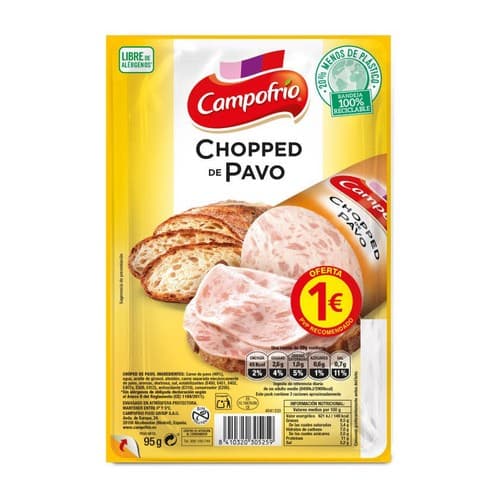 €1.00
€1.00Turkey Xoped
CAMPOFRIO · kg · Bonpreu
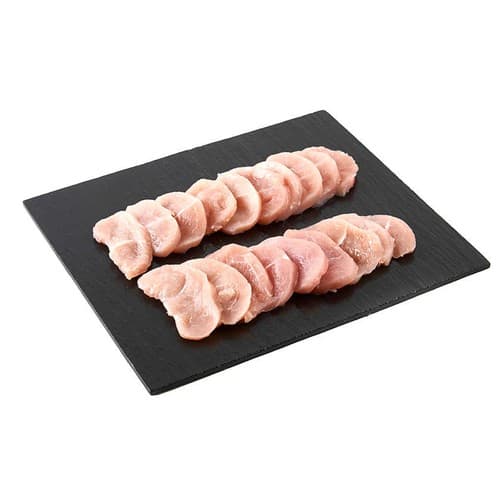 €3.99
€3.99Turkey Filet
BONPREU · kg · Bonpreu
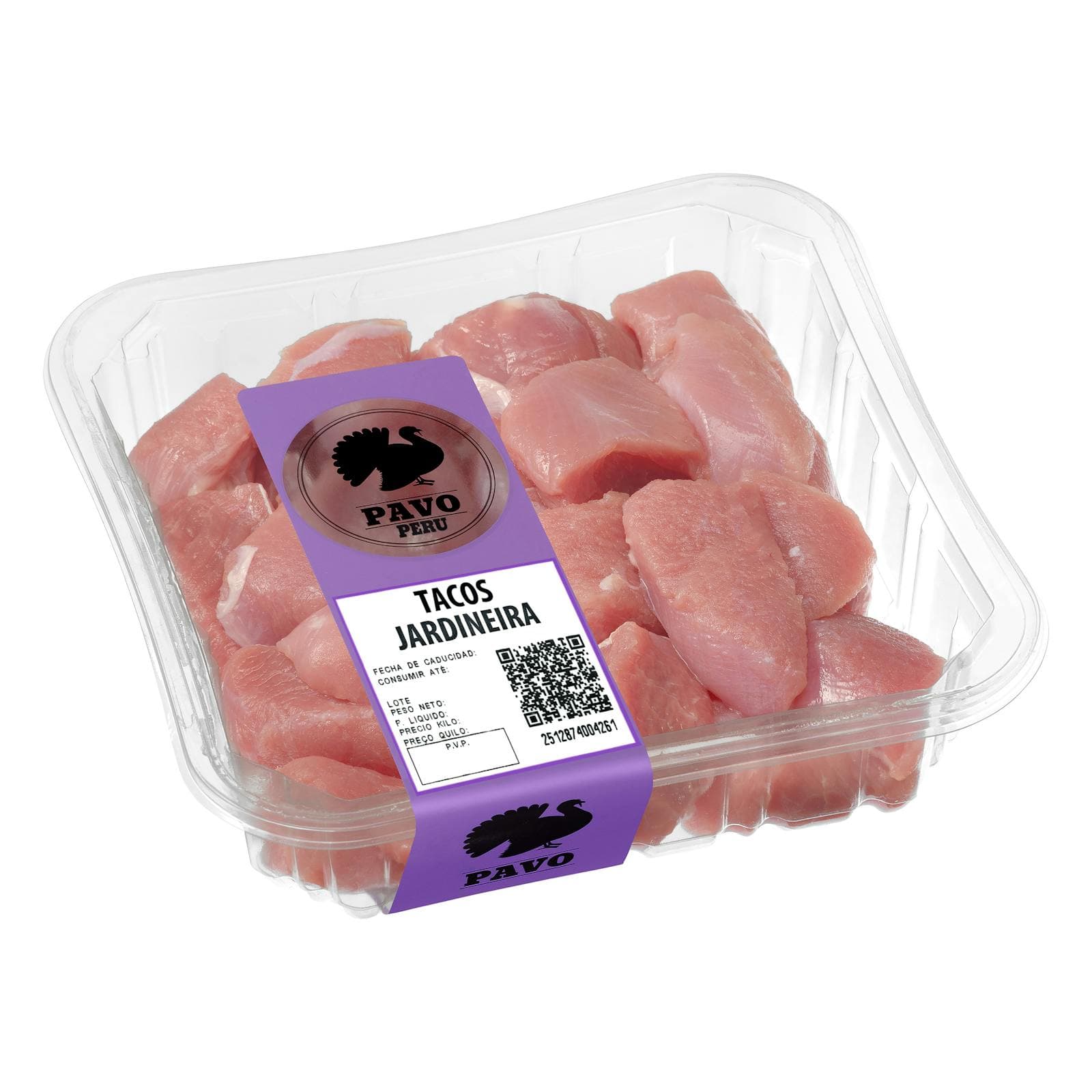 €4.16
€4.16Turkey Tacos
570 g · Mercadona
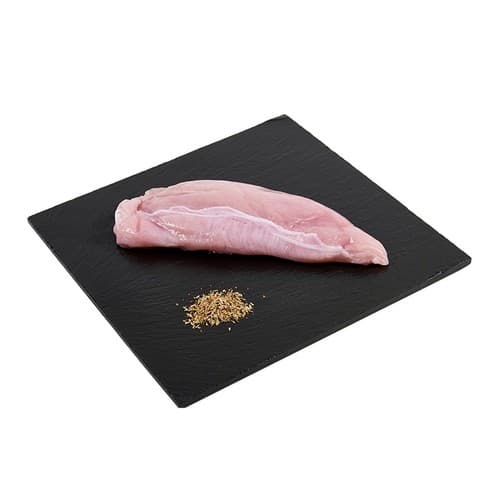 €3.50
€3.50Turkey Fillet
BONPREU · ud · Bonpreu
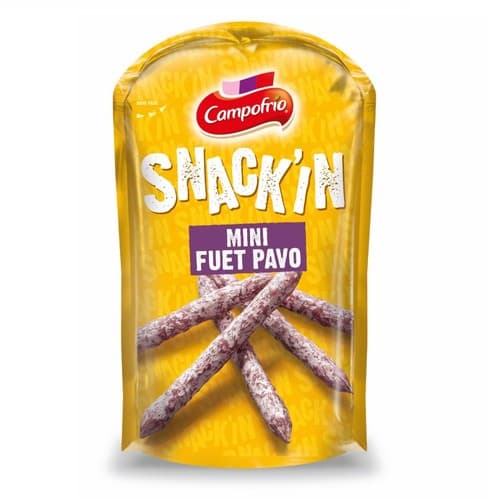 €1.49
€1.49Mini Turkey Fuet
CAMPOFRÍO · kg · Bonpreu
Good to know
- Form
- Pre-sliced cooked turkey breast, typically 1/8 to 1/4 inch thick
- Sodium Content
- 400-850mg per serving (conventional); 200-400mg for low-sodium varieties
- Protein
- 10-14g per 2-oz serving (2-3 slices)
- Shelf Life
- 5-14 days refrigerated unopened; 3-5 days after opening
- Composition
- Approximately 90-95% turkey meat with 5-10% added broth, seasonings, and preservatives
- Quality Indicator
- Avoid "mechanically separated turkey"—a paste-like product with inferior texture
- Typical Serving
- 2 oz (56g), about 2-3 slices; 50-70 calories per serving
Substitutes
- Roasted Turkey Breast (homemade or rotisserie) — More authentic turkey flavor, likely lower sodium, fewer or no additives; slice thin for similar applications
- Sliced Roast Chicken Breast — Similar texture and mild flavor profile; works in most applications; check sodium if store-bought
- Sliced Ham (black forest, honey, or smoked) — Different flavor but similar sandwich utility; acceptable swap when turkey is unavailable or to vary flavor profiles
- Canned Chunk Chicken or Turkey — Drained and flaked; works for chopped salads and cold sandwiches; moister but less refined texture than deli slices
- Smoked Turkey Leg — Pulled or chopped; stronger, smokier flavor from dark meat; good for wraps and salads where texture variation is acceptable
- Extra-Firm Tofu (seasoned) — For vegetarian/vegan diets; press and marinate with turkey-style seasonings (salt, smoked paprika, garlic powder); won't replicate texture but accepts flavor well
- Seitan Deli Slices — Wheat gluten-based meat alternative; chewy texture; seasoned to mimic turkey; suitable for vegan diets
Pairs with
Also called
Sliced Turkey · Turkey Breast Cold Cut
Related

Egg
The kitchen's everything ingredient — bind, leaven, enrich, or fry
Chicken Breast
Lean, quick-cooking white meat for everyday dinners

Ground Beef
Versatile minced beef for burgers, ragù, tacos, and meatballs
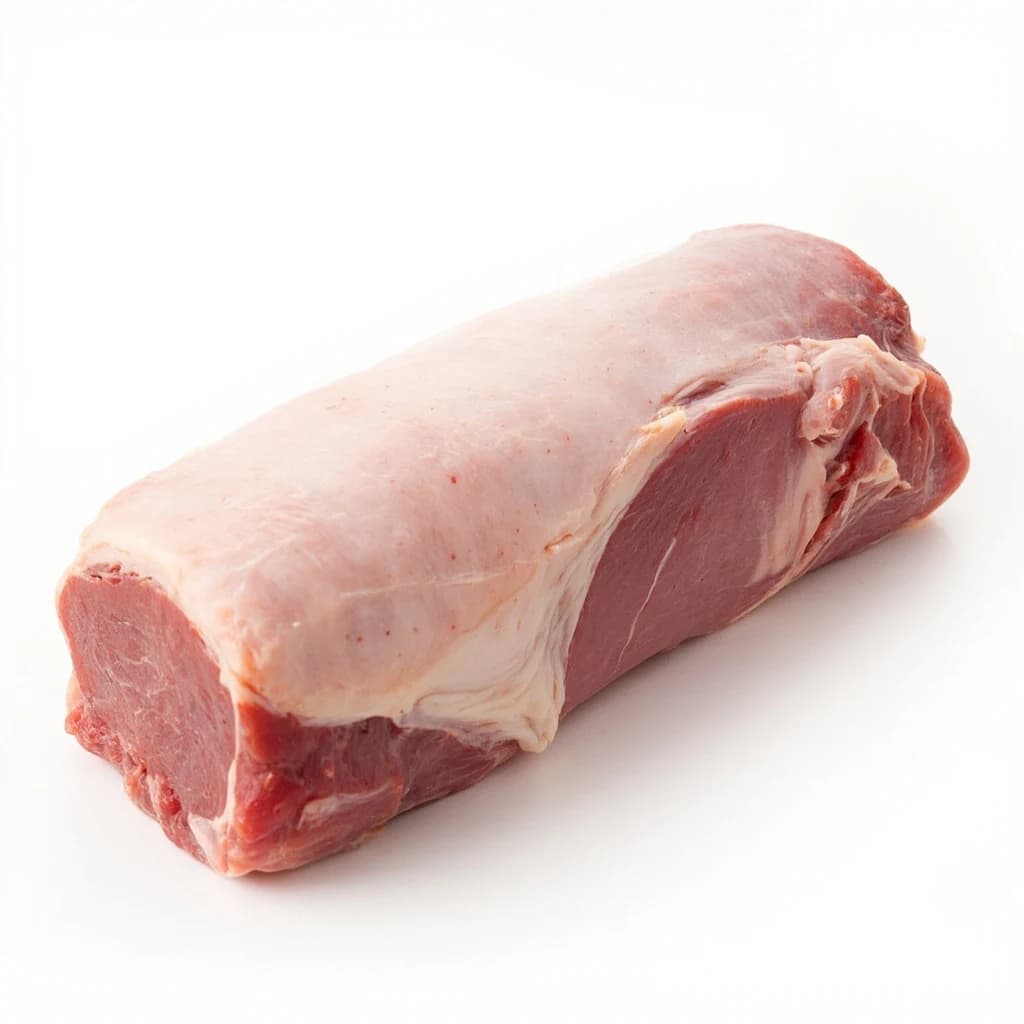
Pork Loin
Lean, tender roasting cut that stays juicy with care
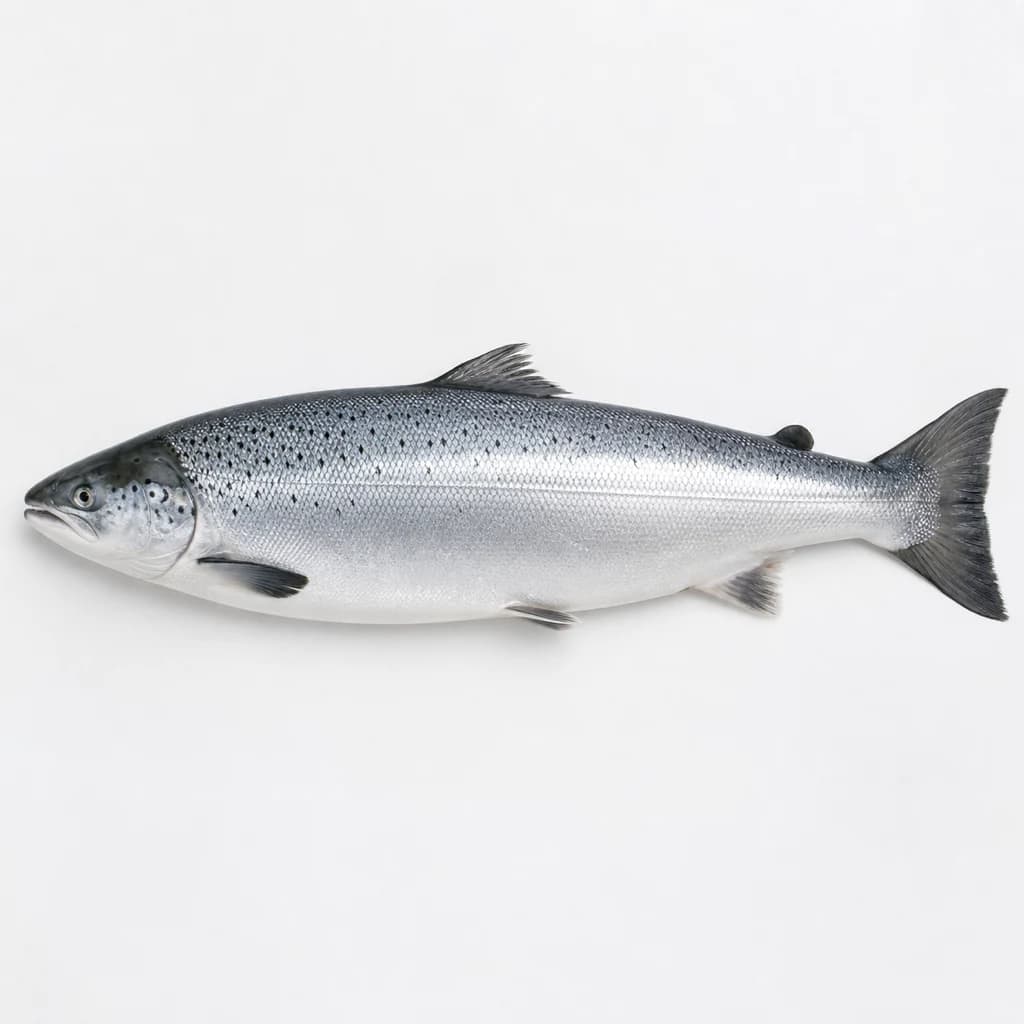
Salmon
Rich, rosy fish that roasts, grills, or cures beautifully

Egg White
Pure protein that whips to airy peaks for meringue and more

Egg Yolk
Rich, golden yolk for custards, mayonnaise, and pasta

Quail Egg
Tiny, speckled eggs for garnishing and elegant bites