Baking
Emmer Flour
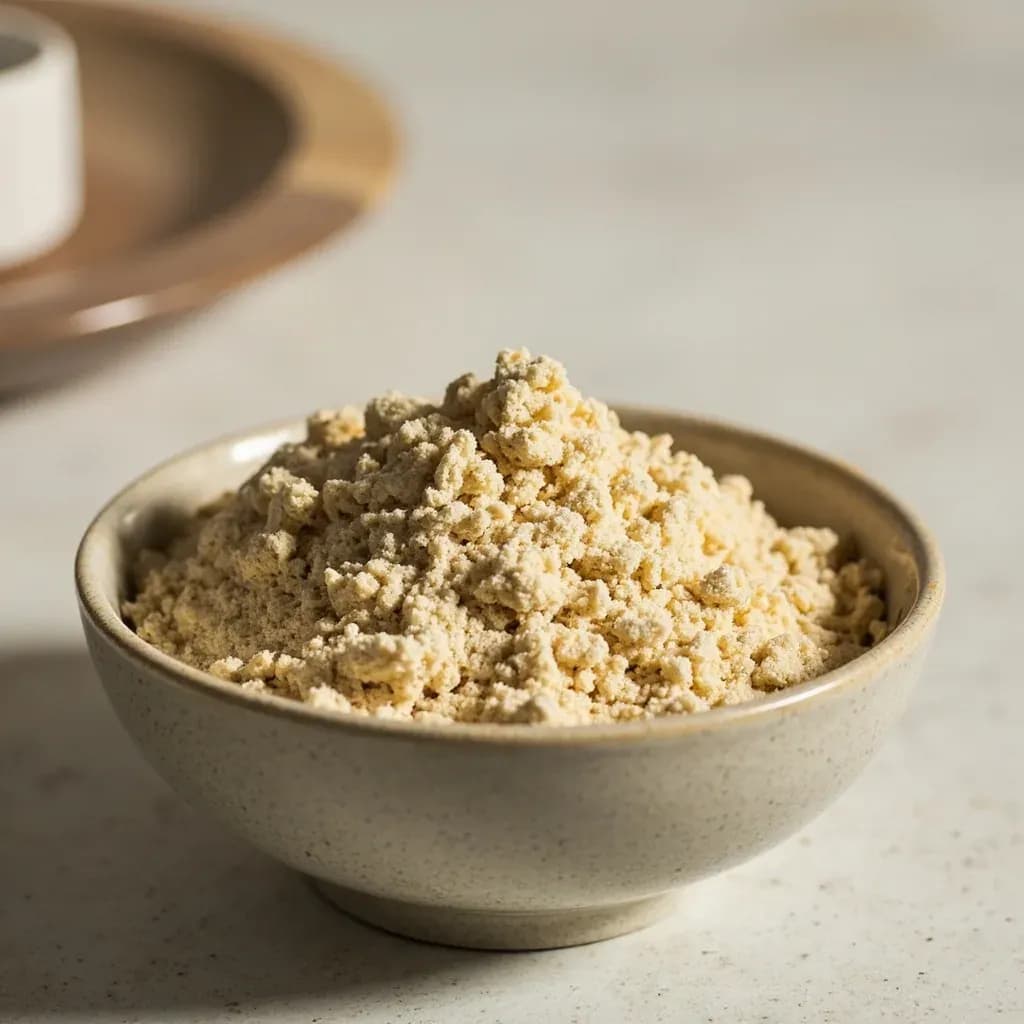
Flour from ancient emmer (farro) wheat, earthy and nutty for rustic breads and pasta.
Emmer flour is milled from emmer, an ancient hulled wheat also known as farro. It has a deep, earthy, nutty flavor and is used in rustic breads, pasta, and crackers. Its gluten is workable but weaker than modern bread wheat, giving denser, hearty results.
Emmer (Triticum dicoccum), the ancient wheat the Italians call farro medio, was one of the first grains deliberately domesticated by humans, originating in the Fertile Crescent around 10,000 BCE. It is a hulled wheat, meaning the tough outer chaff remains locked around the grain kernel until processing—a feature that protected the crop in the wild but required labor-intensive removal that made emmer fall out of favor as free-threshing modern wheats were developed. The hull must be stripped before milling, adding a processing step that distinguishes emmer from conventional wheat from the very start.
Emmer flour delivers a flavor profile that modern wheat simply cannot match: nutty, earthy, and faintly sweet, with a complexity that serious bakers prize for rustic applications. This taste comes partly from emmer's higher lipid content compared to modern varieties. In terms of protein, emmer outperforms most modern bread wheats at 14–18%, yet its gluten structure behaves quite differently. The glutenin and gliadin in emmer form weaker, less elastic bonds than in modern wheat, producing doughs that resist the lofty, open crumb of a standard baguette but reward you with dense, tender, and notably flavorful results. If you expect airy sandwich bread, you will be disappointed. If you want bread with genuine character, emmer delivers.
- Measured in
- g
- Storage
- Pantry
Allergens
Types & varieties
Contains entire grain; stone-ground common; strongest flavor, shortest shelf life
Partially de-branned; lighter color and milder flavor; still higher in nutrients than refined wheat
Further refined than white; similar to medium-grade conventional flour
Contains more bran; stronger earthy flavor; best for dense rustic breads
The Hull Matters
Emmer is a hulled wheat, meaning the tough outer chaff (the husk) remains attached to the grain kernel until after harvest. This is not a problem to be ignored—it is a fundamental characteristic that shaped emmer's history and its current behavior in your kitchen. The hull protected the grain from pests and weather in ancient times, which is why emmer survived millennia while more fragile wheats did not. When modern agriculture demanded faster, easier processing, hulled wheats were largely abandoned in favor of free-threshing varieties where the grain naturally separates from the chaff. For the cook, this means emmer requires additional processing before it reaches you as flour, and it behaves differently once hydrated: the bran in whole emmer is coarser and absorbs water more slowly than the fine bran in conventional whole wheat flour. Adjust your hydration accordingly, and plan for longer rest periods so the flour can fully hydrate.
- Whole emmer flour retains the entire grain including germ and bran
- The coarser bran requires 10–20% more liquid than standard recipes call for
- Expect slower absorption; autolyse (rest) periods are not optional but essential
Working with Emmer's Weaker Gluten
Emmer's gluten is a honest broker: it exists, it provides some structure, but it will not perform the alchemy of modern bread wheat. The glutenin and gliadin in emmer form shorter, less elastic chains than those in modern wheat. This means dough will not develop the smooth, extensible elasticity you expect from a baguette dough. It will tear more readily under tension. It will not trap gas as efficiently, resulting in less oven spring and a denser, more closed crumb. None of this is failure—it is the nature of the ingredient. Sourdough embraces this character particularly well, because slower fermentation gives emmer's gluten time to relax and the culture time to develop flavor. Yeasted breads benefit from a blend: adding 20–30% modern wheat flour helps with rise while keeping emmer's flavor prominent.
- Emmer doughs are not meant to be kneaded aggressively; reduce mixing intensity
- A 30–60 minute autolyse before kneading dramatically improves hydration and dough handling
- Expect a dense, tender crumb in bread—this is the intended result, not a mistake
Common uses
Tips & pitfalls
- Increase hydration 10–20% compared to recipes using modern wheat; emmer absorbs liquid slowly and the coarse bran demands more water
- Let dough rest 30–60 minutes after mixing (autolyse) before full kneading—this is not optional with emmer, it is how you achieve proper hydration
- Use lower hydration for pasta (55–60% hydration) to keep dough workable; roll thin and expect a heartier texture than durum pasta
- Combine with 20–30% modern wheat flour for more reliable rise in yeasted breads; the blend preserves emmer flavor while improving structure
- Expect denser crumb and less oven spring; this is characteristic of emmer's weaker gluten, not an error in your technique
- Store whole-grain flour in the freezer if using beyond 1 month; thaw sealed before use to prevent rancidity from higher lipid content
- For sourdough: emmer ferments quickly; monitor closely for over-proofing (signs: domed top flattening, dough spreading in the banneton)
- When substituting for wheat flour in any recipe: reduce mixing intensity to avoid developing a tough, dense crumb that defeats emmer's tenderness
Nutrition
Nutrition
No USDA FoodData Central match for Emmer Flour yet. We surface a per-100 g profile once a generic whole-food entry is matched and verified.
In the shops
Matched grocery products
No matched grocery products for Emmer Flour yet.
Good to know
- Scientific name
- Triticum dicoccum (hulled wheat)
- Protein content
- 14–18% (higher than modern bread wheat)
- Gluten character
- Moderate amount; weaker, less elastic structure than modern wheat
- Flavor
- Nutty, earthy; faintly sweet. The taste comes from higher lipid content than modern wheat
- Color
- Warm tan to medium beige; darker than all-purpose when whole-grain
- Origin
- Fertile Crescent; domesticated circa 10,000 BCE
- Shelf life (whole grain)
- 3–6 months cool/dark; up to 1 year refrigerated or frozen
- Shelf life (white/de-branned)
- 6–12 months sealed, similar to conventional flour
Substitutes
- Einkorn flour — Another ancient wheat; nuttier flavor, more fragile gluten; use 1:1 but expect different texture
- Spelt flour — Ancient wheat with similar weak gluten; slightly sweeter; acceptable 1:1 substitute
- Whole wheat flour — More accessible; use 3/4 amount (higher gluten and different absorption); flavor will be noticeably milder
- Kamut (khorasan wheat) — Larger grain, sweeter taste; substitute 1:1 but dough will behave differently
- Rye flour — For dense bread applications; use up to 50% of flour weight; gluten-free options require additional binder
Also called
Farro Flour
Related

All-Purpose Flour
The do-anything flour for bread, cakes, sauces, and dredging

Bread Flour
High-protein flour for chewy, well-risen breads
Whole Wheat Flour
Nutty, whole-grain flour for hearty breads and bakes
Cake Flour
Fine, low-protein flour for tender, delicate cakes
Almond Flour
Nutty, gluten-free flour for macarons and tender bakes

Baking Powder
All-in-one leavener for fluffy cakes, pancakes, and biscuits

Baking Soda
Pure leavener that needs acid to lift — and tenderize
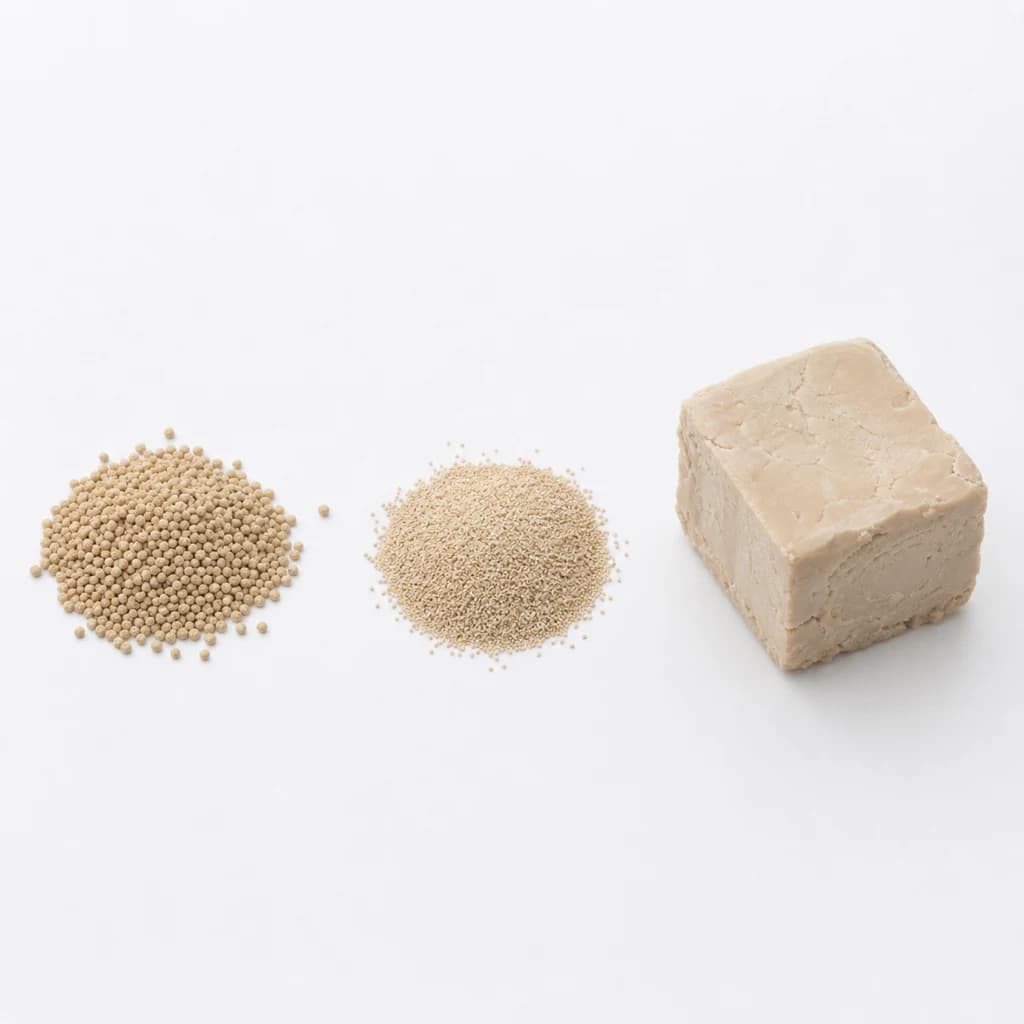
Yeast
Living leaven that makes bread rise and dough come alive