Grains & Rice
Field Corn
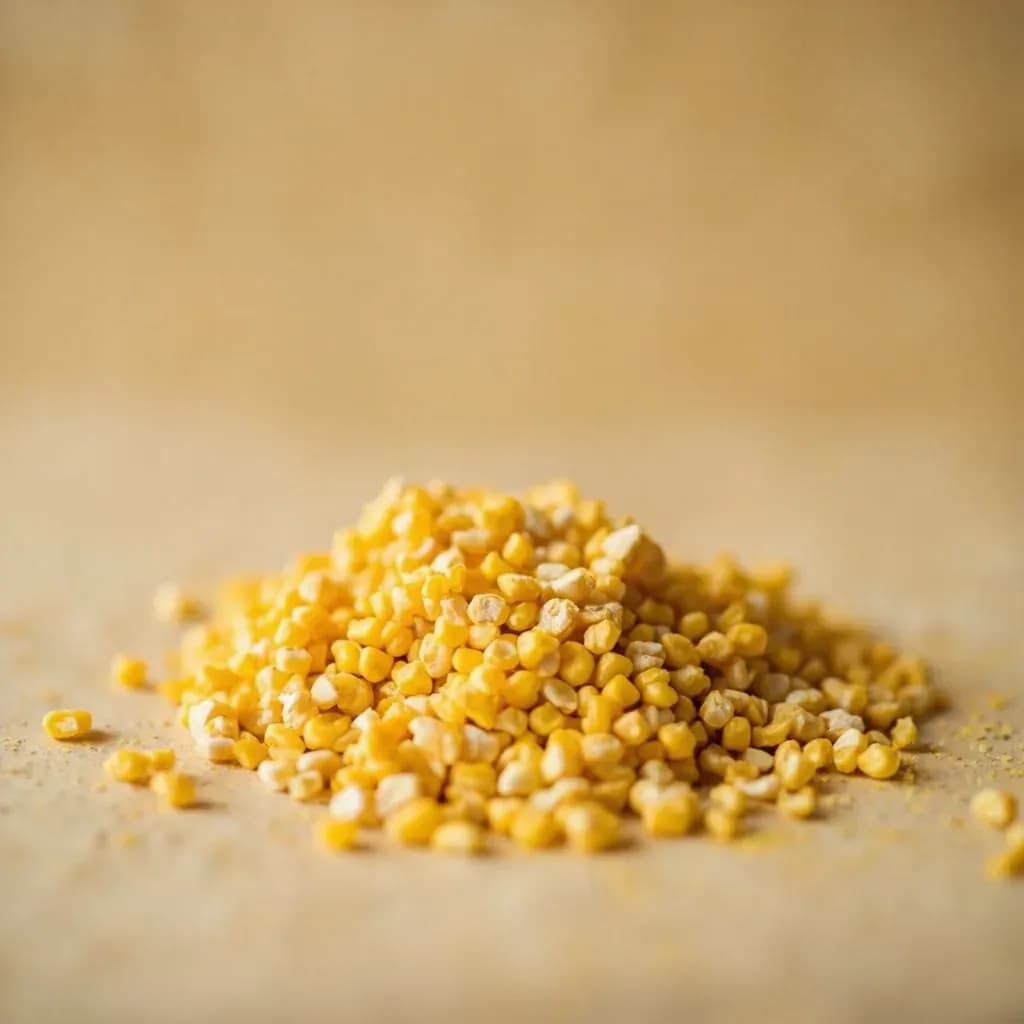
Mature starchy corn harvested dry for milling into meal, masa, and feed.
Field corn, often dent or flint varieties, is grown to full maturity and harvested dry rather than eaten fresh like sweet corn. It is milled into cornmeal, grits, and masa, or used for feed and starch. Its hard, starchy kernels are too tough to eat off the cob.
Field corn is the starch-heavy workhorse of the corn world—bred not for sweetness but for maximum dry-matter yield and processing efficiency. Unlike sweet corn, which is harvested young and eaten fresh, field corn is left on the stalk until the kernels reach 15–20% moisture (versus sweet corn's 70%+), then harvested dry for milling into meal, flour, masa, starch, and oil. The identifying characteristic of mature dent corn varieties is the small dimple or "dent" at the kernel's crown, where the soft starch shrinks during drying. This high-starch content (60–75% of dry weight) makes it ideal for processing but means the raw kernels are too hard and nutritionally incomplete to eat directly.
The critical distinction for cooks: field corn requires processing to become palatable. Grinding alone produces cornmeal; nixtamalization—treating the corn with slaked lime (cal)—transforms it into masa, the foundational dough of tortillas, tamales, and pupusas. This ancient Mesoamerican technique, practiced for at least 3,000 years, does more than soften the kernels. The alkaline treatment liberates bound niacin (preventing pellagra), reduces mycotoxins, loosens the hull for finer grinding, and imparts masa's distinctive flavor and pliable texture. Without it, human digestion of corn is poor and nutrition incomplete.
In the kitchen, field corn manifests in two broad forms: ground products (cornmeal, masa, corn flour, corn starch) and whole-kernel products (hominy, pozole). Each behaves differently—coarse cornmeal absorbs liquid slowly for creamy polenta, fine masa flour hydrates rapidly for pliable tortillas, and corn starch gelatinizes at low temperatures for glossy gravies. Understanding which processing method produced your ingredient tells you how it will perform.
- Measured in
- g
- Storage
- Pantry
Types & varieties
Dominant commercial variety in the US; high starch, neutral corn flavor; base for most cornmeal and animal feed
Preferred for tortilla and snack production; milder, slightly sweeter flavor than yellow; lower carotenoid content
Heirloom variety; earthy, slightly nutty flavor; higher protein than yellow dent; used in Southwestern cuisine and blue corn chips
Heirloom variety; used in Mexican pozole and atole; slightly sweeter; contains anthocyanin pigments
Hard starch throughout kernel; lower moisture than dent corn; resists spoilage; used for polenta and decorative purposes
Nixtamalization: The Process That Changed Corn
Nixtamalization is non-negotiable for traditional masa production. The process involves cooking whole corn kernels in a solution of water and slaked lime (calcium hydroxide), typically at a ratio of 1 liter water to 10–15 grams lime per kilogram of dry corn. The mixture is brought to a simmer and held for 25–45 minutes until the hulls loosen and the kernels swell. After resting and rinsing, the hulls rub away easily. The resulting nixtamal is ground wet into fresh masa. Commercial masa seca (dried masa flour) is simply nixtamal that has been dried and ground, then rehydrated with water before use. The lime does not add a detectable flavor when used properly—it simply transforms the corn's chemistry.
- Slaked lime (calcium hydroxide) is the traditional alkali; food-grade pickling lime is the modern equivalent
- Wood ash (containing potassium carbonate) was historically used and produces a different flavor profile
- The nixtamal cooking liquid (nejayote) was traditionally reused as a base for soups and sauces in pre-Columbian cuisine
- Over-cooking nixtamal produces a gummy masa; follow timing guidelines carefully
Why You Cannot Substitute Sweet Corn
This is the most common mistake cooks make with field corn products. Sweet corn and field corn are bred for opposite characteristics: sweet corn accumulates sugars that convert to starch slowly, while field corn prioritizes rapid starch deposition. When ground, sweet corn produces a mealy, bland powder that lacks the starch binding needed for tortillas, the absorbency for polenta, or the gelatinization properties for thickening. Recipes written for field corn products will fail with sweet corn. Conversely, field corn kernels are too hard and starchy to eat fresh—the texture is unpleasant and much of the nutrition is bound up in inaccessible forms.
- Sweet cornmeal will produce gummy polenta and crumbly cornbread
- Fresh sweet corn cannot be nixtamalized into edible masa—the sugar interferes with the process
- When a recipe calls for cornmeal, masa, or corn starch, it means processed field corn, not fresh corn
Common uses
Tips & pitfalls
- Buy nixtamalized masa flour (masa seca) for reliable home tortillas; rehydrate with water per package directions, or seek fresh masa from tortillerías for superior flavor and pliability
- For polenta, use coarse-ground cornmeal labeled 'polenta' or 'medium grind'; fine-ground cornmeal absorbs liquid too quickly and becomes gummy
- Toast dry corn kernels briefly in a dry skillet before grinding to enhance nutty flavor in homemade masa or meal
- Whole field corn kernels require extended cooking— soak overnight, then simmer 1–2 hours— to soften; pressure cooking reduces time to ~30 minutes
- Store cornmeal in the refrigerator or freezer if keeping beyond 1 month; the germ's high fat content causes rancidity at room temperature
- Grinding cornmeal fresh (using a grain mill) yields superior flavor and aroma compared to commercial shelf-stable products
- When thickening with corn starch, slurry it in cold water first—adding directly to hot liquid creates lumps
- Common mistake: substituting sweet corn for field corn in recipes expecting cornmeal or masa; results will be mushy, bland, and texturally wrong
Nutrition
Energy
360 kJ · per 100 g
Where the calories come from
Protein
3.2g
6% DV
Carbs
19g
7% DV
Fat
1.2g
2% DV
Fiber
2.7g
10% DV
Sugars
3.2g
of which
Sodium
15mg
1% DV
Source · USDA FoodData Central · approx. Corn, sweet, white, raw
View on FDC →In the shops
Matched grocery products
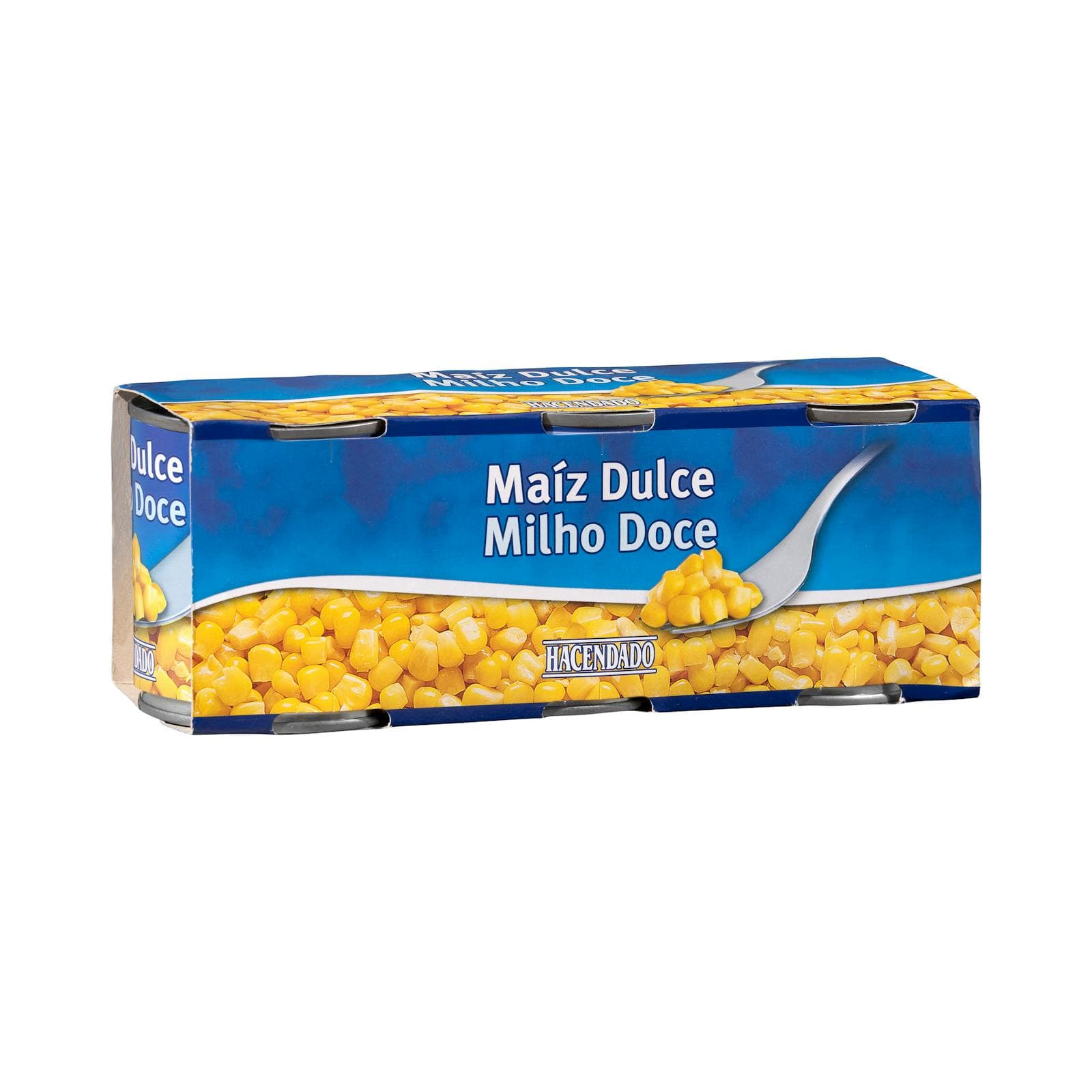 €1.55
€1.55Sweet Corn
Hacendado · 450 g · Mercadona
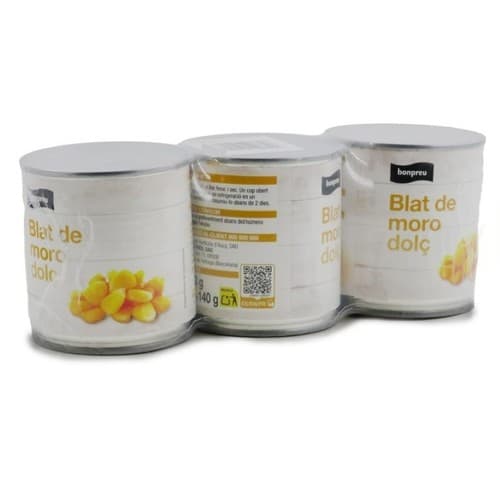 €1.59
€1.59Sweet Corn Bonpreu
BONPREU · kg · Bonpreu
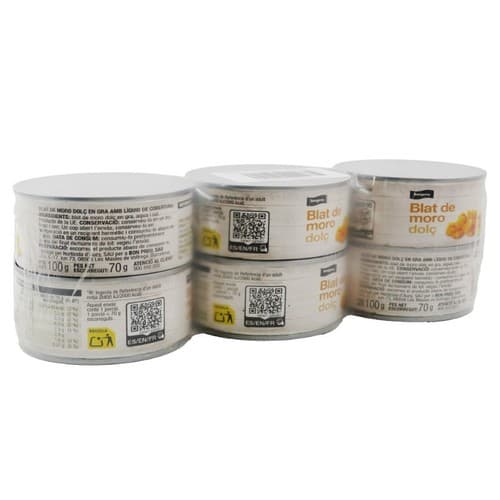 €2.49
€2.49Sweet Corn Bonpreu
BONPREU · kg · Bonpreu
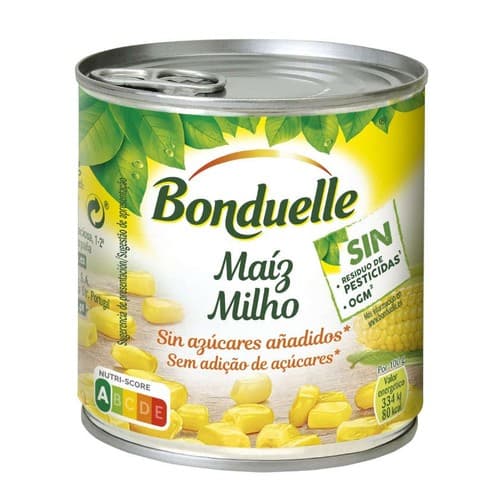 €1.99
€1.99Bonduelle Sweet Corn
BONDUELLE · kg · Bonpreu
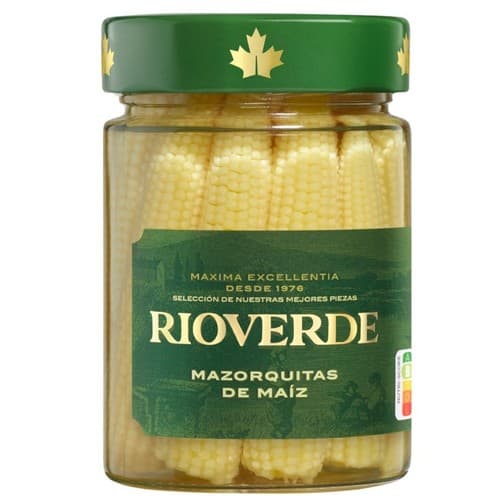 €2.99
€2.99Pickled Corn Kernels
RIOVERDE · kg · Bonpreu
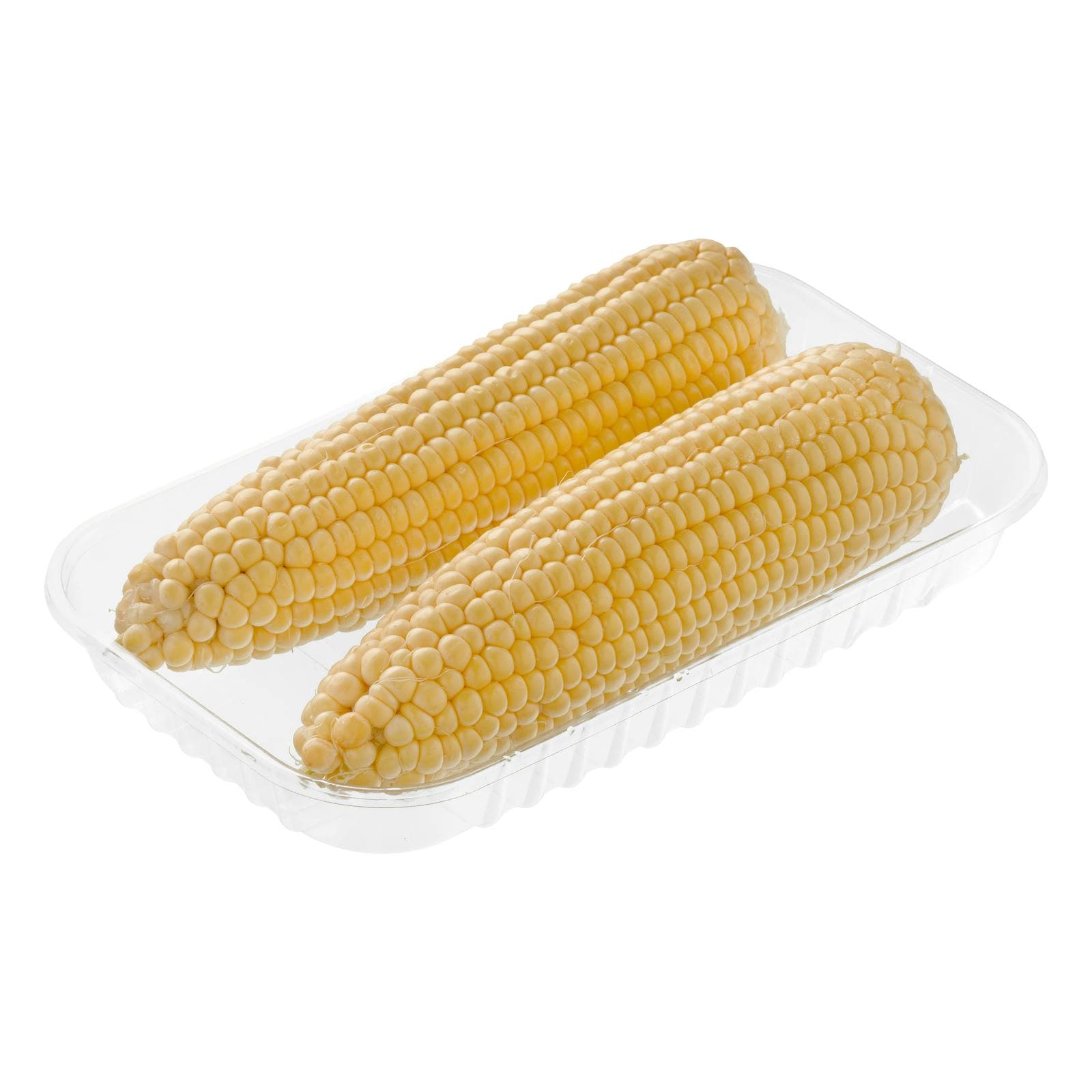 €3.15
€3.15Sweet Corn on the Cob
2 ud · Mercadona
Good to know
- Botanical name
- Zea mays indentata (dent corn varieties)
- Harvest state
- Dry, mature kernels at 15–20% moisture (vs. 70%+ for sweet corn)
- Primary use
- Processed into meal, flour, masa, starch, oil, and animal feed; not eaten fresh on the cob
- Starch content
- 60–75% of kernel dry weight
- Nixtamalization
- Slaked lime (cal) treatment required for masa production; releases niacin and improves protein availability
- Origin
- Mesoamerica; domesticated from teosinte (Zea mays parviglumis) in Mexico ~9,000 years ago
- Storage (whole kernel)
- Cool, dry, airtight container; 1–2 years with minimal quality loss
- Storage (ground meal)
- Refrigerate; use within 6 months for best flavor
Substitutes
- Instant masa mix — Acceptable substitute for nixtamalized cornmeal; not identical to fresh masa but functional for tortillas and tamales
- Fine cornmeal (from sweet corn) — Not recommended; low starch, high sugar; will not perform similarly in most applications
- Wheat flour — Only works as a textural substitute in batters; flavor and performance differ substantially
- Hominy (canned) — Can substitute for pozole and hominy-based dishes where texture is the priority
- Semolina or grits — Texturally similar for savory porridge preparations; flavor profile differs
Also called
maiz · Maize · Dent Corn
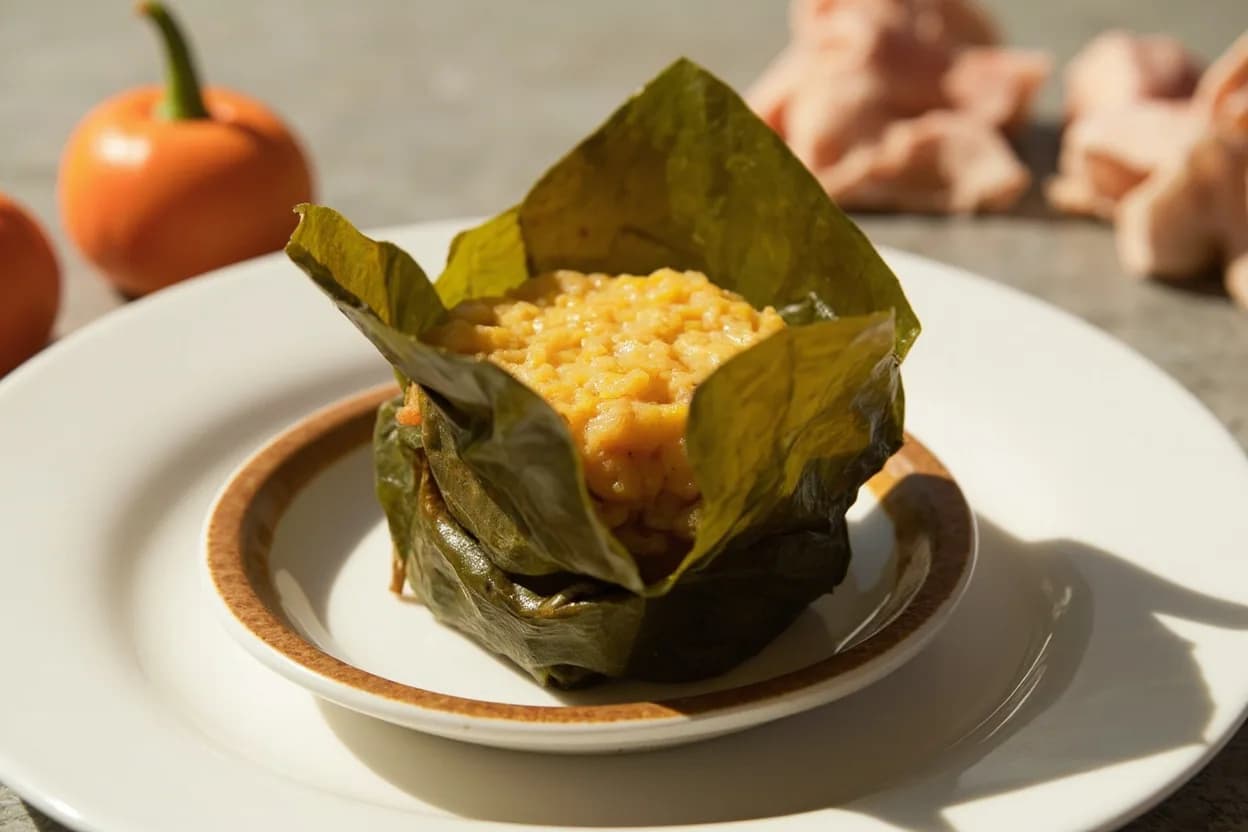
Appears in these dishes
Related

White Rice
Fluffy long-grain rice — the neutral base for almost any meal

White Bread
Soft sandwich loaf for toast, sandwiches, and crumbs
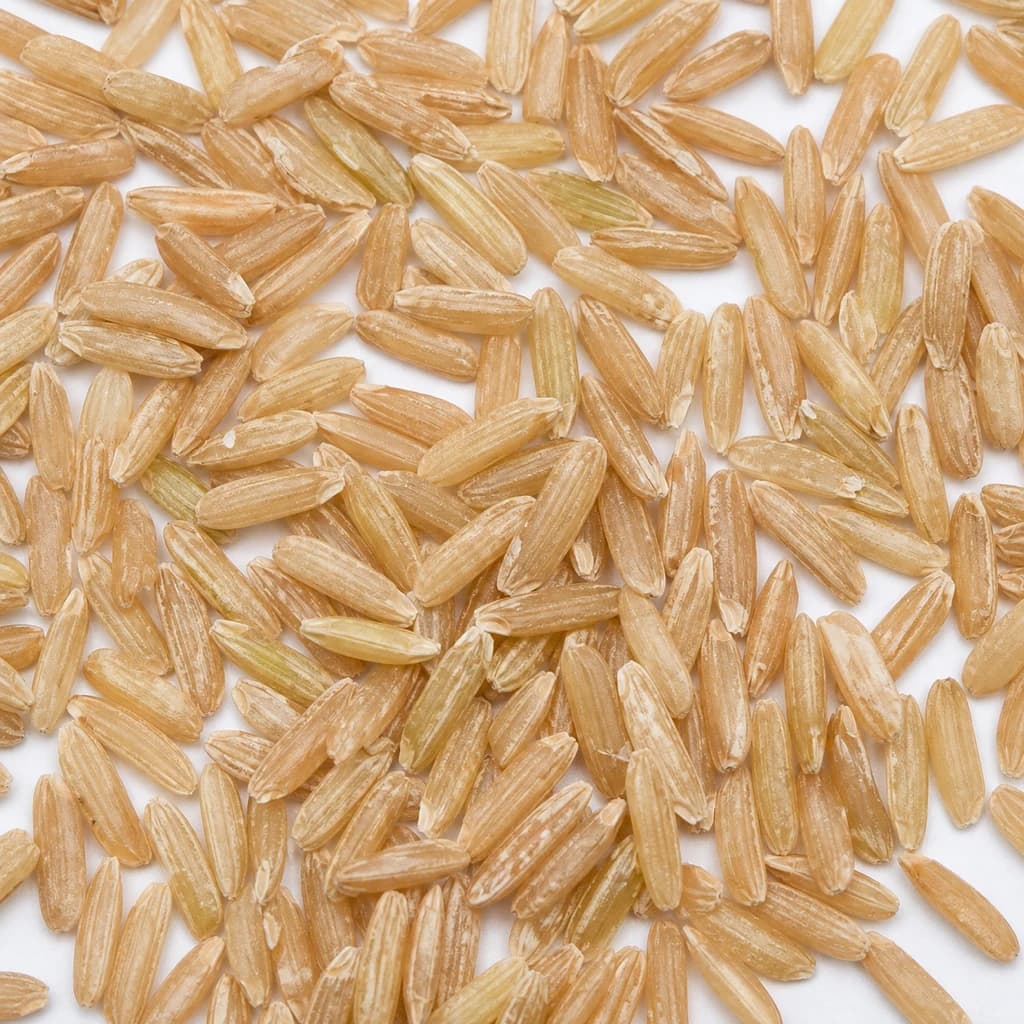
Brown Rice
Nutty, whole-grain rice with chew and extra fiber

Basmati Rice
Fragrant, long-grain rice that cooks up light and separate
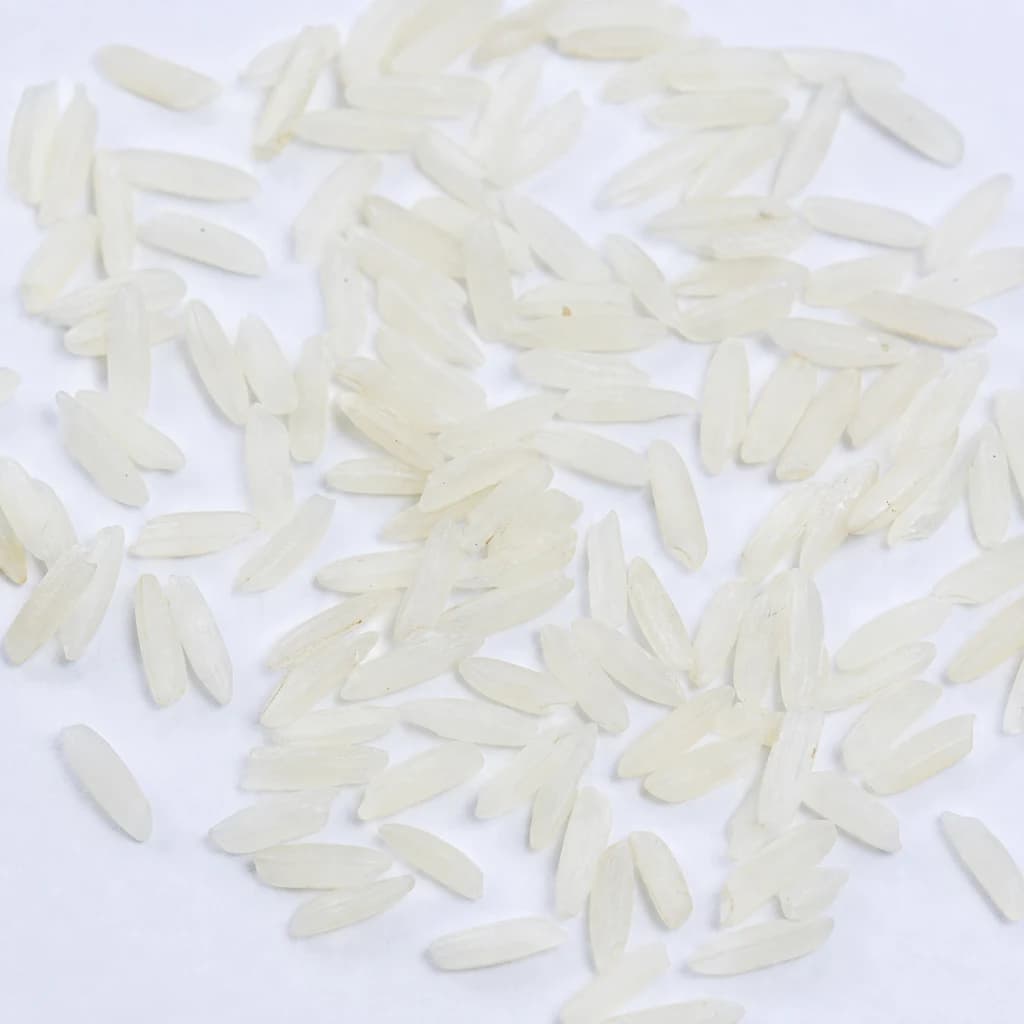
Jasmine Rice
Soft, floral-scented rice that's the pillar of Thai meals
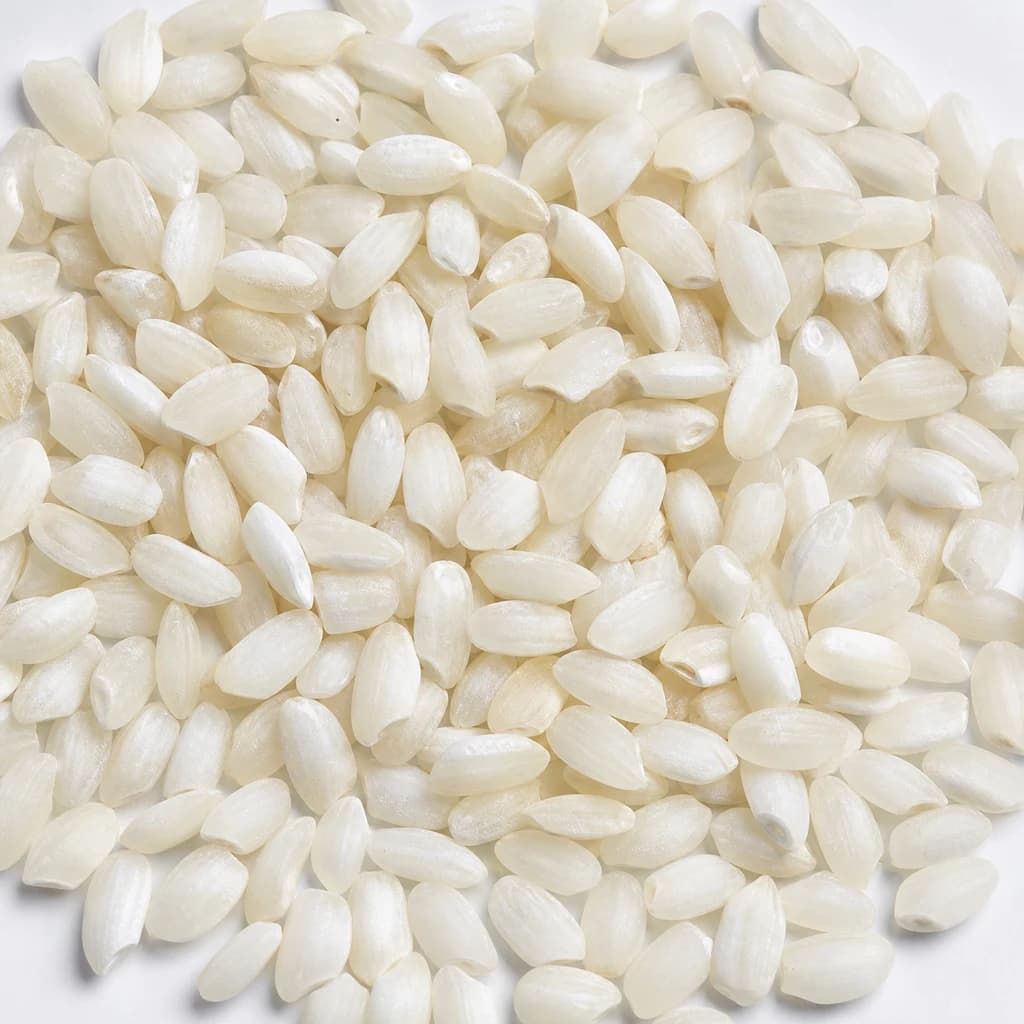
Arborio Rice
Plump, starchy rice that makes risotto creamy
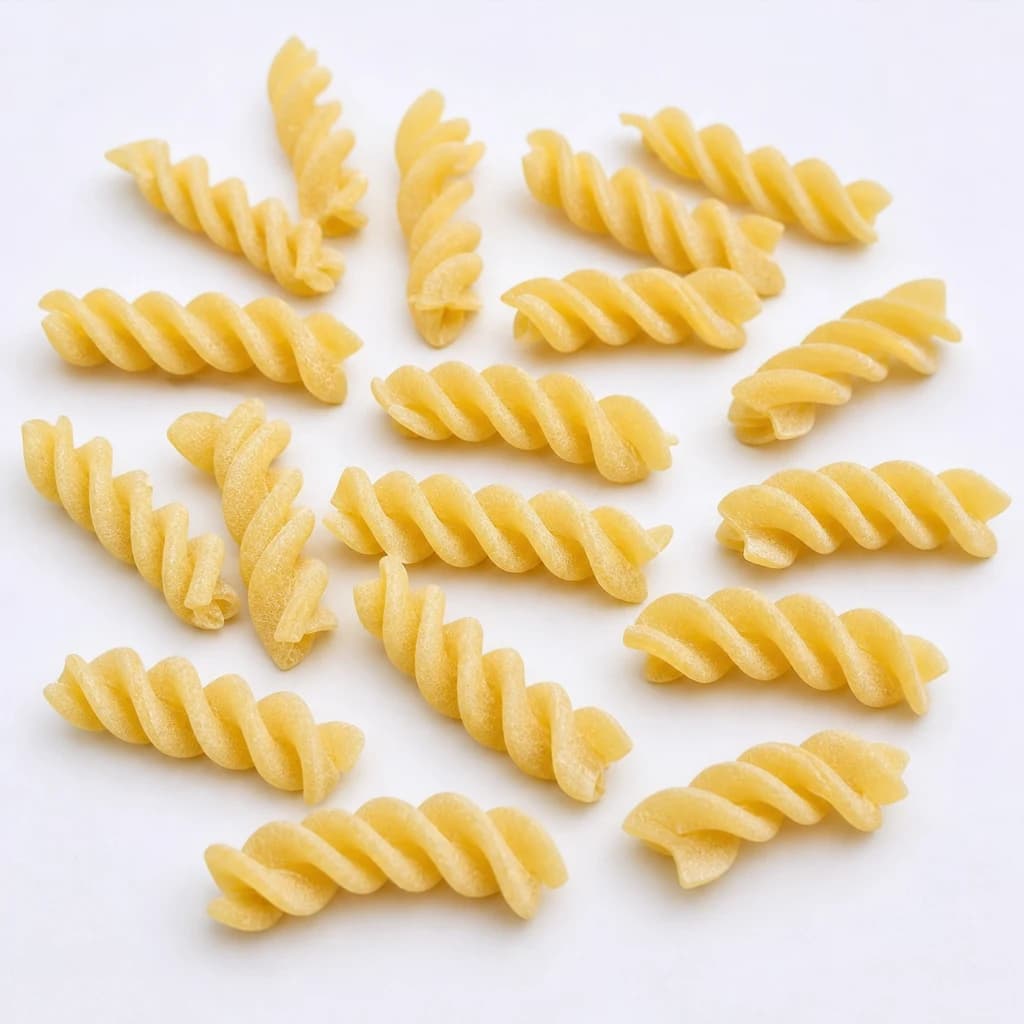
Fusilli
Spiraled pasta that twirls up sauce and dresses cold salads
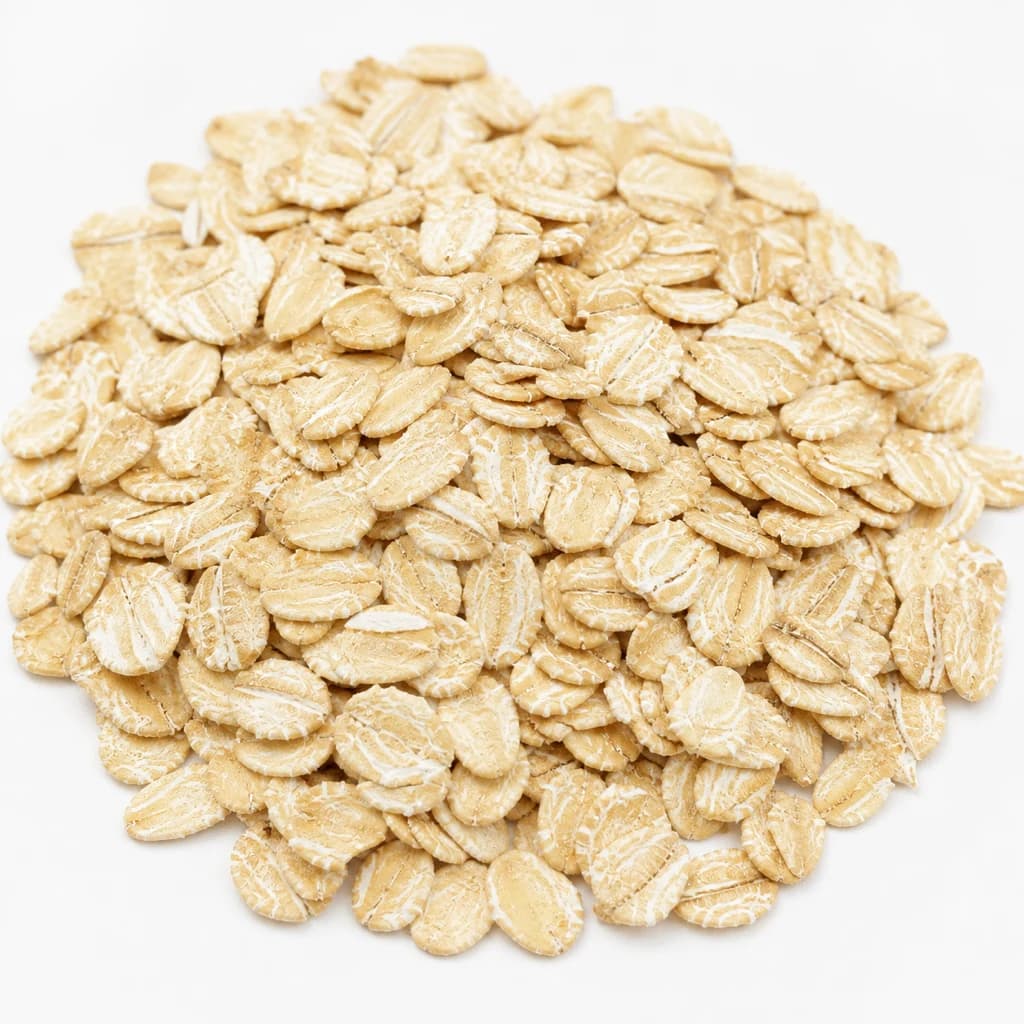
Rolled Oats
Hearty flakes for porridge, granola, and chewy cookies