Proteins
Fish Fillet
Boneless cut of fish, pan-fried, baked, or fried for quick everyday meals.
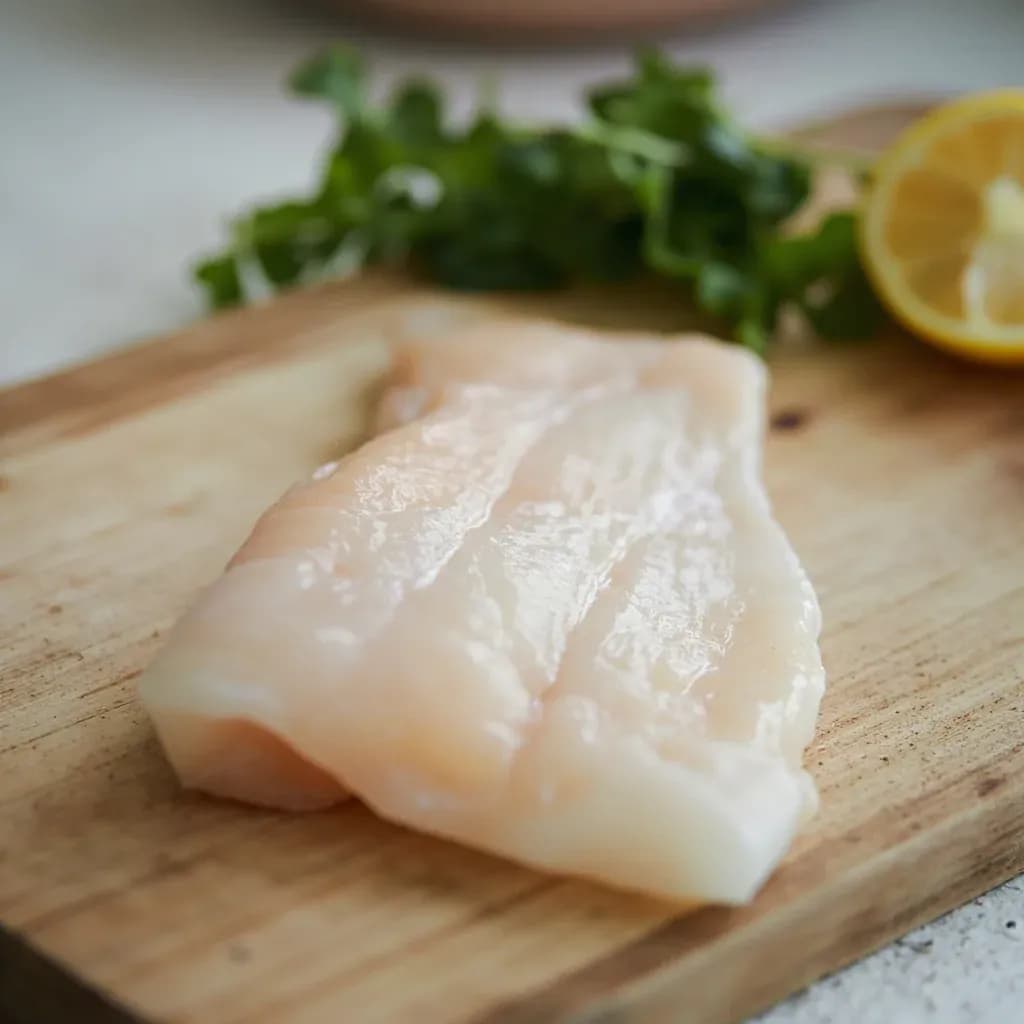
A fish fillet is a boneless, skin-on or skinless cut taken from the side of a fish. Versatile and quick-cooking, fillets are pan-fried, baked, grilled, steamed, or battered and fried for fish and chips. Thinner fillets cook in minutes and benefit from gentle heat to keep the flesh moist.
A fish fillet is a butcher's cut, not a single ingredient: it is the boneless, skin-on or skinless slab of flesh lifted cleanly from one side of a fish, sliced away from the spine and ribs. Because the bones, head, and frame are removed, a fillet cooks faster than any other cut and rewards a cook who keeps a careful eye on the clock. Yield varies from roughly 30 to 45 percent of the whole fish weight, depending on species, head size, and bone structure, which is why thick, meaty fish (salmon, halibut, tuna) command a premium — there is simply more fillet to sell.
The behavior of a fillet in the pan is governed by three things: thickness, fat content, and whether the skin is on. Thin fillets of lean white fish (sole, flounder) finish in minutes and tolerate gentle heat; thick fillets of fatty fish (salmon, bluefish) hold their moisture longer and can take a hard sear. Skin-on fillets are the cook's friend because the skin acts as a built-in insulator, protecting the flesh while it renders and crisps — the source of what most people mean when they say they love fish. Skinless fillets are better suited to poaching, baking, and any preparation where a soft skin would be unwelcome.
In practice, the fish fillet is the everyday cut: the one sold by the pound at the counter, the one written into almost every weeknight recipe, and the one a cook must learn to handle well. Mastering a few fundamentals — drying the surface, salting ahead, cooking skin-side down, pulling a few degrees early — turns a fragile, easy-to-ruin ingredient into one of the fastest, most satisfying proteins in the kitchen.
- Measured in
- g
- Storage
- Fridge
Allergens
Types & varieties
One side of the fish, fully removed from the skeleton; the standard supermarket and restaurant cut.
Both sides still joined along the belly, opened flat; common for whole roasted fish presentation.
Fillet left with the skin attached; preferred for pan-frying and grilling to render and crisp the skin.
Skin removed; used for poaching, baking, and dishes where skin texture is undesirable.
Thick, premium portion cut from the upper back of a large fish such as salmon, halibut, or swordfish; very uniform in thickness.
Thin tail end of a fillet; cooks in under a minute, ideal for quick sautés and for stuffing.
Pin bones removed with tweezers; expected for most retail fillets over 1 cm thick.
Specifically handled and frozen to destroy parasites; required for raw preparations in many jurisdictions.
Buying and storing fillets
Fresh fillets should smell of clean seawater or cucumbers, never fishy or ammoniated. The flesh should look translucent and spring back when pressed; gapped, browning, or weeping edges mean the fish is past its prime. Keep fillets cold on the way home and store them in the refrigerator at 32–38°F, wrapped in paper towels inside a sealed container so the towels can wick away moisture. If you won't cook them within 36 hours, freeze them quickly: a brief ice-water glaze before vacuum-sealing protects the flesh from freezer burn for up to six months.
Checking for pin bones
Even deboned retail fillets almost always hide a few stray pin bones, especially along the thick center line. Run your fingertip across the flesh against the grain; the bones feel like small, hard nubs and will catch on the skin of your finger. Pull them out with needle-nose pliers or fish tweezers, working in the direction they lay so they slide out cleanly rather than snap. This is the single most overlooked step in home fish cookery, and the payoff is a fillet that eats cleanly to the last flake.
Doneness and the carryover problem
Fish keeps cooking after it leaves the pan. A salmon fillet pulled at 125°F will climb to about 132°F as it rests, landing in a moist, medium zone; pulled at 140°F it will overcook to chalky. The 145°F / 63°C figure from the USDA is a food-safety floor, not a culinary ideal, and most chefs treat it as the upper end of acceptable. An instant-read thermometer is the only reliable way to hit the window; the old fork-flake test is too late by the time the flesh separates. For very thin fillets, the pan is the better instrument: count to 10 once the flesh has turned opaque three-quarters of the way up the side, then flip for 30 seconds and pull.
Sashimi and raw preparations
In the United States, the FDA requires fish intended to be eaten raw to be frozen to specific temperatures (typically -4°F / -20°C for 7 days, or -31°F / -35°C for 15 hours) to destroy parasites. Fish labeled 'sashimi-grade' or 'sushi-grade' has been handled to that standard; the term is not regulated for retail sale, so buy from a supplier you trust and ask how the fish was frozen. For home cooks in doubt, freezing your own fillets for the prescribed time is a safe, simple precaution.
Common uses
Tips & pitfalls
- Pat fillets completely dry with paper towels before seasoning; surface moisture prevents browning and crisps the skin.
- For skin-on fillets, start in a hot pan with oil and press flat for the first 30 seconds so the skin makes full contact and won't curl.
- Cook skin-side down for roughly 80% of the total time, then flip briefly to finish; this protects the delicate flesh and renders the fat under the skin.
- Use a fish spatula — its thin, slotted edge slips under fillets without tearing the flesh.
- Pull from heat a few degrees below target; carryover cooking will raise the internal temperature 5–10°F.
- Salt fillets 10–15 minutes ahead of cooking (dry brine) to season deeply and draw off excess surface moisture.
- Let fillets sit 10–15 minutes at room temperature before cooking; ice-cold centers cook unevenly and overcook at the edges.
- Common mistake: flipping repeatedly. Let the fillet release naturally from the pan before turning — if it sticks, give it another 30 seconds.
- Common mistake: overcrowding the pan. Steam from crowded fillets prevents a crust from forming; cook in batches or use two pans.
- Common mistake: skipping the pin-bone check. Even 'deboned' fillets usually have a few; a guest finding a bone is the fastest way to ruin the plate.
Nutrition
Nutrition
No USDA FoodData Central match for Fish Fillet yet. We surface a per-100 g profile once a generic whole-food entry is matched and verified.
In the shops
Matched grocery products
No matched grocery products for Fish Fillet yet.
Good to know
- Definition
- Boneless cut of fish removed from one side of the body, sliced away from the spine and ribs; may be skin-on or skinless.
- Yield
- Approximately 30–45% of whole fish weight, depending on species, head size, and bone structure.
- Common thickness
- Thin fillets (sole, flounder) 0.5–1 cm; medium (cod, snapper) 1.5–2.5 cm; thick (salmon, halibut, tuna) 2.5–4 cm.
- Doneness (internal temp)
- USDA recommends 145°F / 63°C; many chefs pull at 125–130°F for medium and let carryover heat finish the cook.
- Fresh shelf life
- 1–2 days refrigerated at 32–38°F, packed on ice or wrapped in paper towels inside a sealed container.
- Frozen shelf life
- Up to 6 months at 0°F or below; vacuum-sealed or glazed with ice for best quality.
- Key equipment
- Fish spatula, cast-iron or stainless pan, instant-read thermometer, tweezers for pin bones.
- Skin treatment
- Skin-on fillets crisp best when the skin is descaled, patted very dry, and scored in 2–3 shallow slits before cooking.
Substitutes
- Cod — Use haddock or pollock for similar flaky white texture in chowders, fries, and bakes.
- Halibut — Substitute flounder, sole, or turbot for delicate, lean fillets.
- Salmon — Arctic char, ocean trout, or steelhead trout swap in cleanly with comparable fat and color.
- Sea bass — Use branzino, snapper, or black sea bass for similar mild, white, medium-firm flesh.
- Tilapia — Catfish, basa (swai), or farmed barramundi are mild and inexpensive alternatives.
- Tuna — Swordfish or mahi-mahi work for steak-style seared fillets; king mackerel is a stronger-flavored option.
- Sole — Lemon sole, flounder, or plaice fill in for Dover or other flatfish.
Pairs with
Appears in these dishes

Related
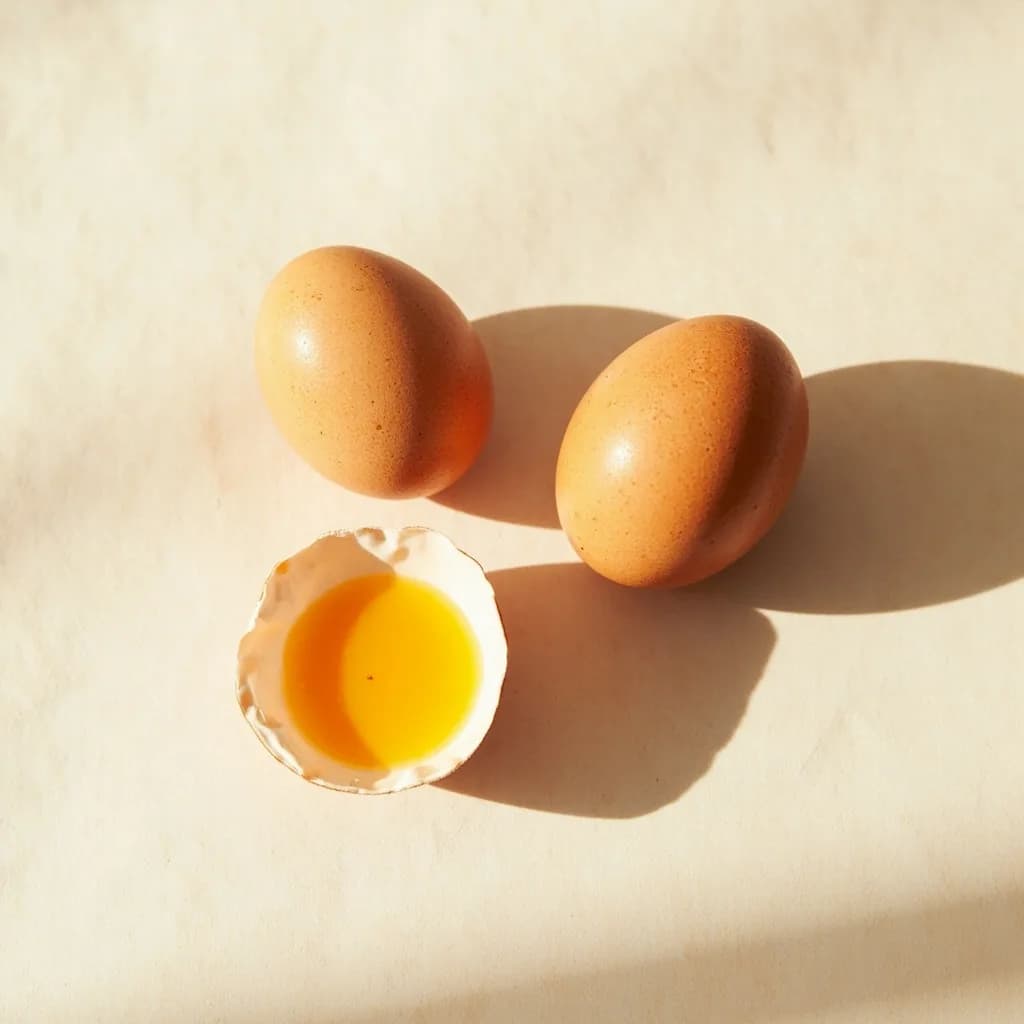
Egg
The kitchen's everything ingredient — bind, leaven, enrich, or fry
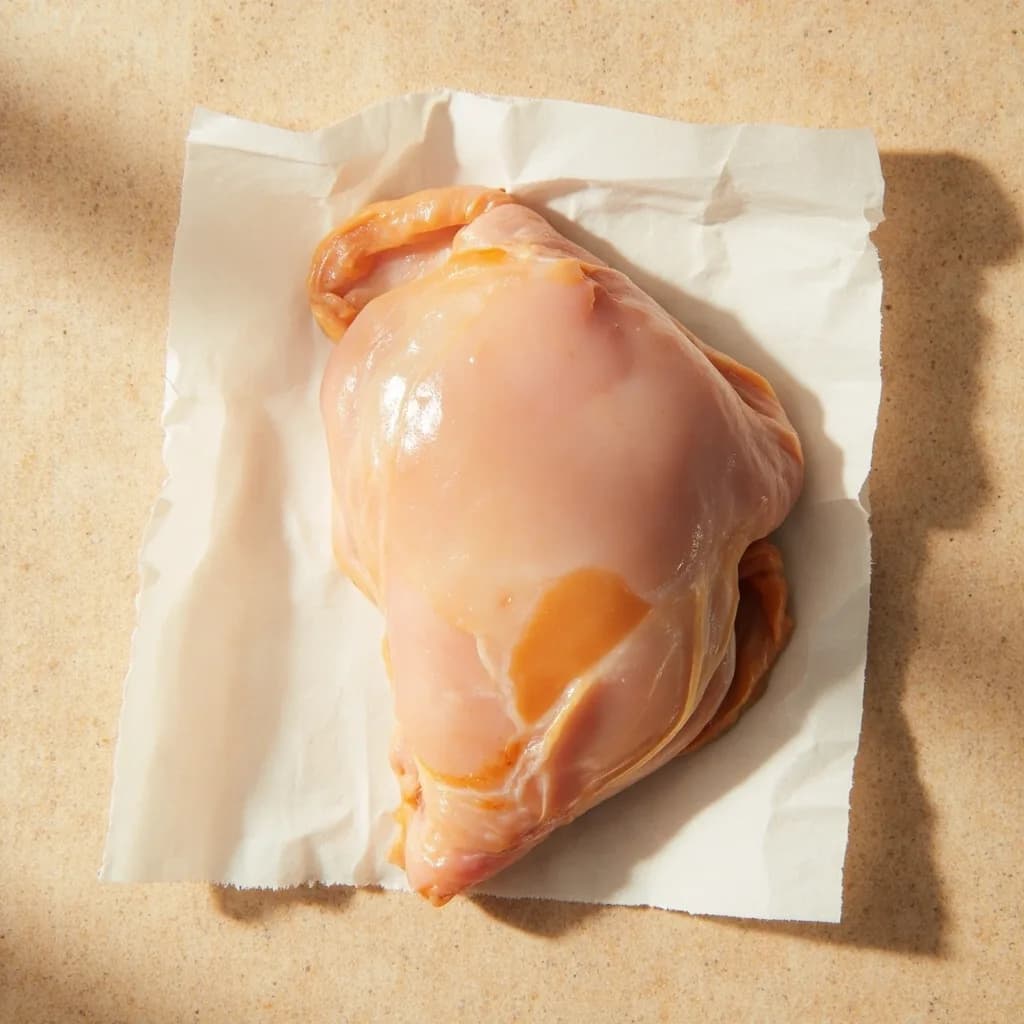
Chicken Breast
Lean, quick-cooking white meat for everyday dinners

Ground Beef
Versatile minced beef for burgers, ragù, tacos, and meatballs
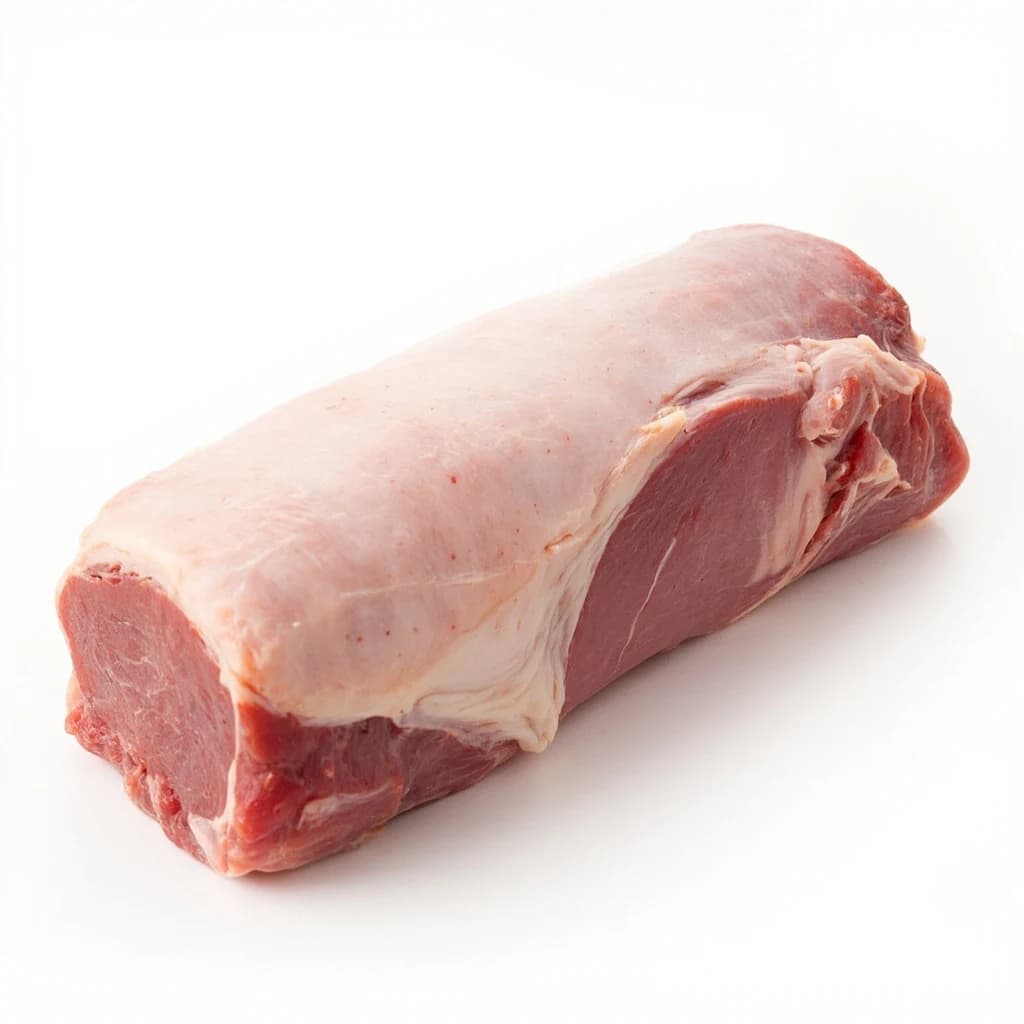
Pork Loin
Lean, tender roasting cut that stays juicy with care
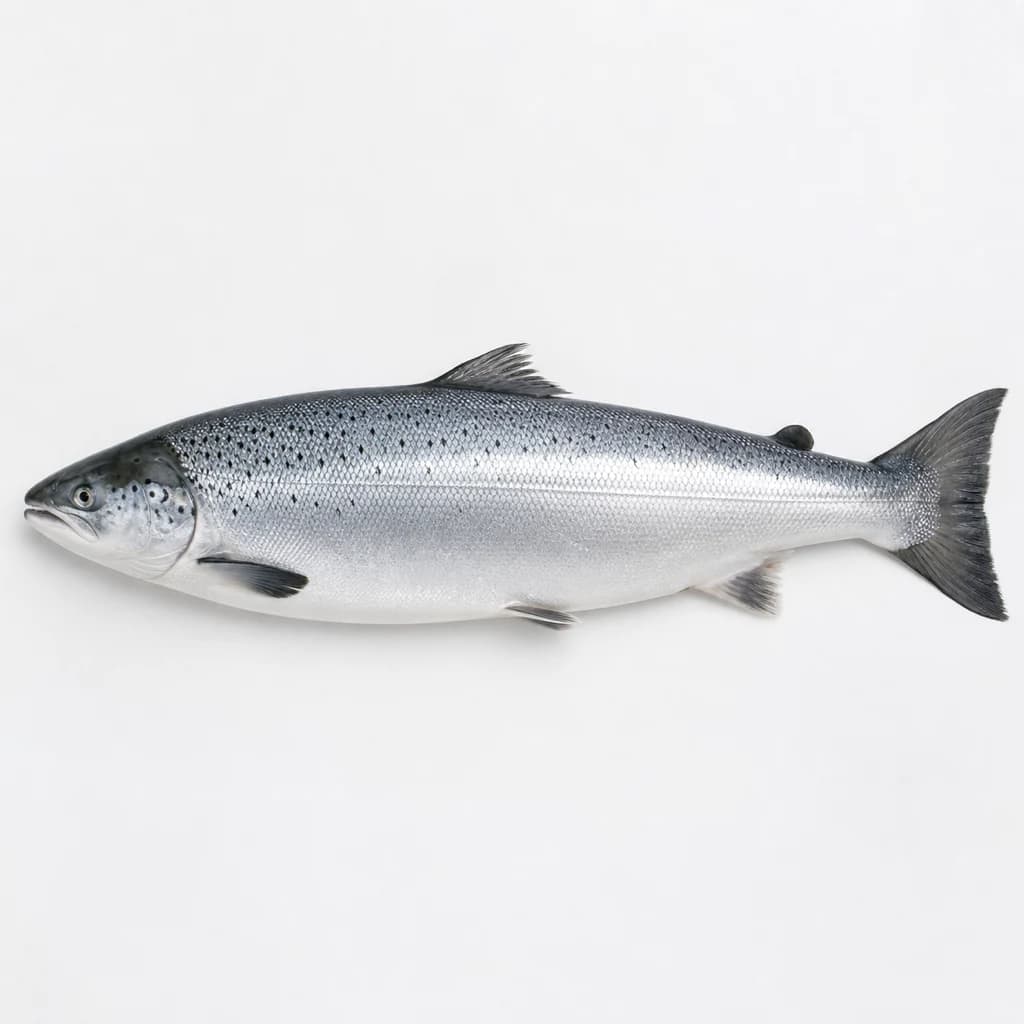
Salmon
Rich, rosy fish that roasts, grills, or cures beautifully

Egg White
Pure protein that whips to airy peaks for meringue and more

Egg Yolk
Rich, golden yolk for custards, mayonnaise, and pasta

Quail Egg
Tiny, speckled eggs for garnishing and elegant bites