
Natural form
Whole fresh flying fish displayed on a neutral surface, showing elongated body and distinctive large pectoral fins.
Establishes the fish's unmistakable silhouette — elongated silver body with oversized, wing-like pectoral fins that no other common food fish has.
Proteins
Flying Fish
Small, sweet-fleshed ocean fish — seasoned, steamed, or fried; the national fish of Barbados.
Flying fish is a small ocean fish known for gliding above the water, with delicate, sweet white flesh. It is a Caribbean staple, especially in Barbados, where it is seasoned, steamed, or fried and served with cou-cou. The thin fillets cook quickly and absorb herb and spice marinades well.
Flying fish belong to the family Exocoetidae, a group of marine fish found in tropical and subtropical waters worldwide. They are distinguished by enlarged pectoral fins that allow them to glide above the ocean surface for remarkable distances—a survival mechanism that also makes them relatively easy to catch as they launch from the water. The flesh is sweet and delicate with a clean ocean taste, comparable to sardines or small mackerel but noticeably milder. Their high oil content (roughly 5%) contributes to both nutrition and quick spoilage, demanding respect for freshness on the part of any cook.
Beyond their culinary appeal, flying fish hold profound cultural weight, particularly in the Caribbean. Barbados has claimed the flying fish as its national symbol since at least the 1600s, featuring it on the coat of arms and building national identity and cuisine around its seasonal migrations. The fish's predictable movements through Caribbean waters shaped traditional fishing calendars and island economies. Similar reverence exists in Japan, where the fish called ago commands premium prices, and in Taiwan and throughout the Pacific islands where flying fish support important local fisheries.
From a cook's perspective, flying fish present both opportunity and challenge. Their tender flesh cooks in minutes and pairs beautifully with bold Caribbean aromatics or delicate Japanese preparations. The numerous small bones, while soft enough to eat comfortably in finished dishes, require attention during preparation. The high oil content means they fry beautifully without additional fat but also means they deteriorate rapidly—use within 24 hours of catching, or properly salt, smoke, or dry them for storage.
- Measured in
- g
- Storage
- Fridge
Allergens
Types & varieties
Primary Caribbean species, also called 'blue flyingfish'; 30–38 cm; the main species for authentic Barbadian cuisine
Most widespread species; found globally in tropical waters; smaller, to 20 cm
Eastern Pacific species; used in Mexican and Central American coastal cooking traditions
Called 'ago' in Japanese; prized in Japan and Taiwan; key species for grilling and stocks
Associated with Sargassum seaweed mats; Atlantic species; smaller commercial importance
Common uses
Tips & pitfalls
- Never overcook: flying fish flesh turns dry and tough within minutes of reaching doneness; remove from heat as soon as flesh turns opaque throughout
- Cook very fresh: the delicate flavor deteriorates rapidly and acquires a stronger fishy note; ideally use the same day as catch
- Remove small bones carefully—pull them with tweezers for pan-frying, or chop finely for chowders where they dissolve into the broth
- For frying, score the skin lightly at an angle to prevent curling and ensure even browning
- Season simply: the fish needs little more than salt, pepper, and lime juice to shine; avoid overwhelming the delicate flavor
- In chowder preparations, add flying fish in the last 5–7 minutes of cooking to maintain its tender texture
- When grilling, oil both the fish and the grate lightly; keep heat moderate to prevent the thin flesh from falling apart through the grates
- Salted flying fish (called 'salt fish' in the Caribbean) must be soaked overnight in water, changing the water twice, before use
Nutrition
Energy
519 kJ · per 100 g
Where the calories come from
Protein
20g
40% DV
Carbs
0g
0% DV
Fat
4.2g
5% DV
Fiber
0g
0% DV
Sodium
60mg
3% DV
Source · USDA FoodData Central · approx. Fish, bluefish, raw
View on FDC →In the shops
Matched grocery products
No matched grocery products for Flying Fish yet.
Good to know
- Scientific family
- Exocoetidae (genera Cheilopogon, Exocoetus)
- Typical size
- 15–30 cm (6–12 inches); some species reach 45 cm
- Flavor profile
- Sweet, delicate white flesh with clean ocean taste
- Texture
- Tender, slightly oily; numerous small, soft bones throughout
- Primary habitat
- Tropical and subtropical oceans; most abundant in Caribbean and Indo-Pacific
- Peak season (Caribbean)
- December through June
- Shelf life
- Extremely perishable; use within 24 hours of catch or preserve
- National significance
- National fish of Barbados; central to Barbadian cuisine and identity
- Yield
- Approximately 40–45% edible meat from whole fish
Substitutes
- Mackerel (small Atlantic or Spanish) — Similar size and oil content; stronger flavor but valid when flying fish unavailable
- Sardines (fresh, whole) — Comparable texture and cooking behavior; more pronounced fishiness but excellent for frying and chowders
- Striped Mullet — Similar sweet flesh and delicate texture; readily available in many coastal markets
- Smelt — Closest substitute in North American markets; delicate white flesh, ideal for frying
- Grouper (small juvenile) — Sweet white flesh but denser; better suited for stews than frying
Pairs with
Appears in these dishes
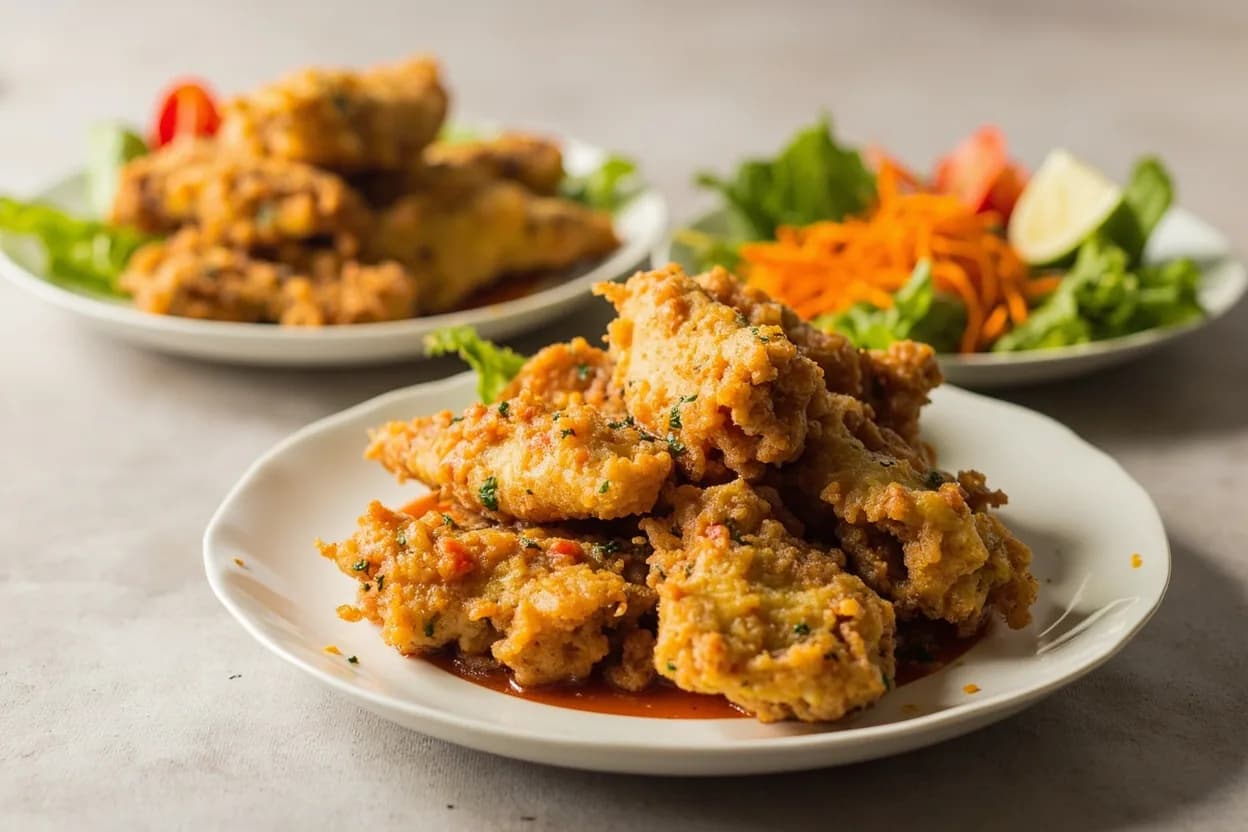
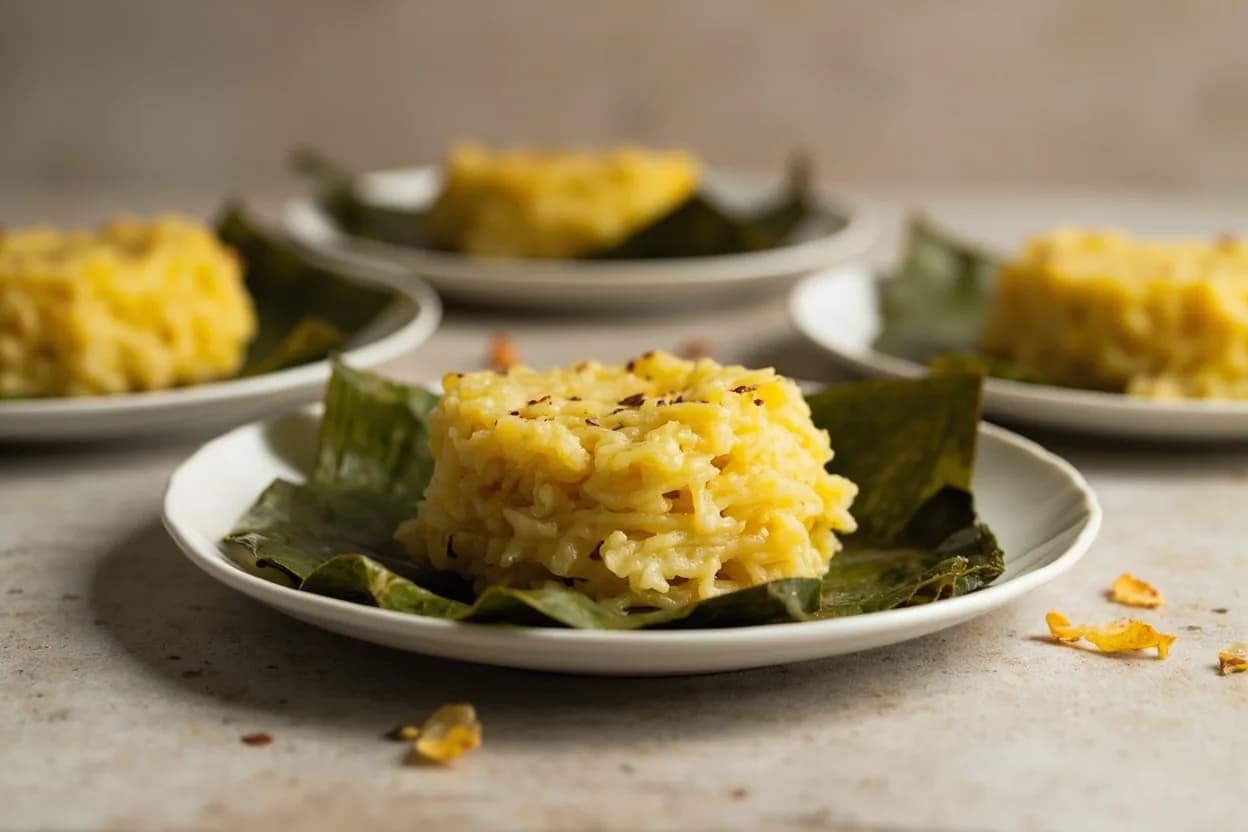
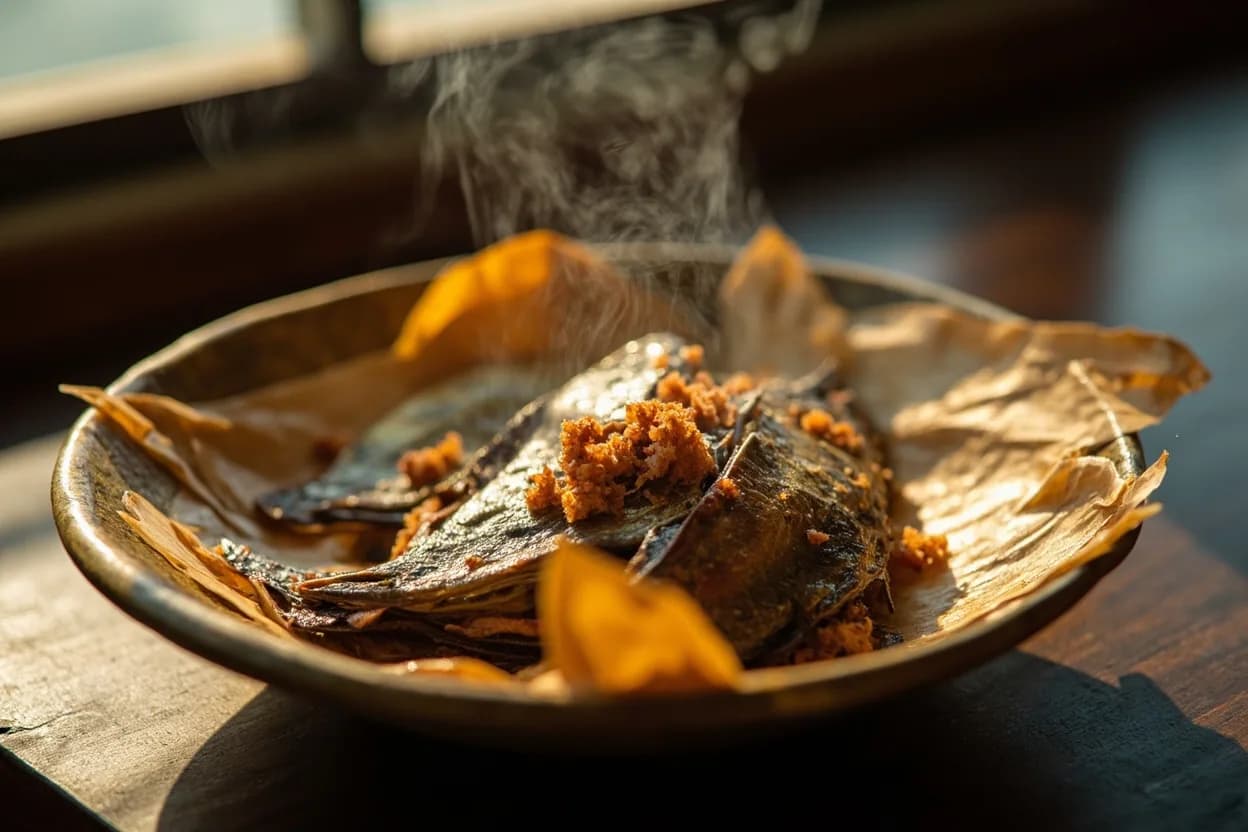
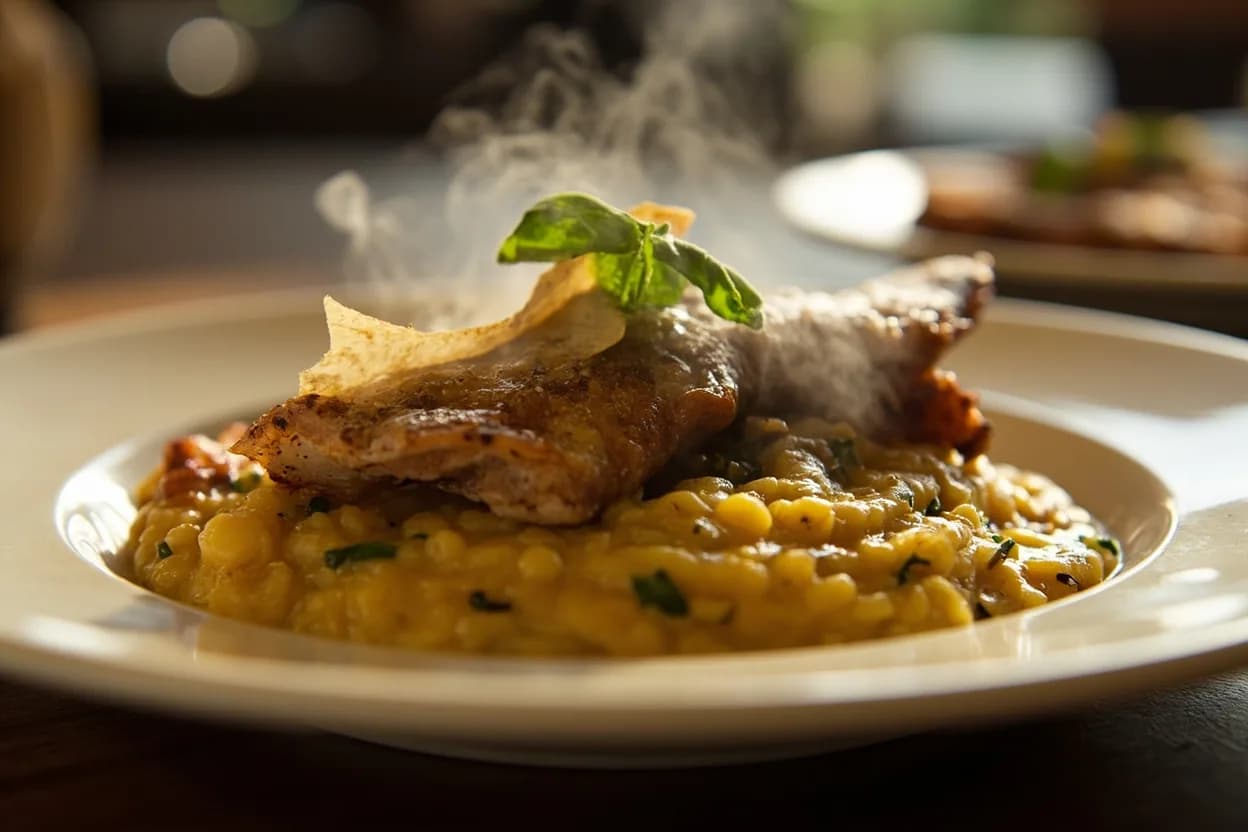
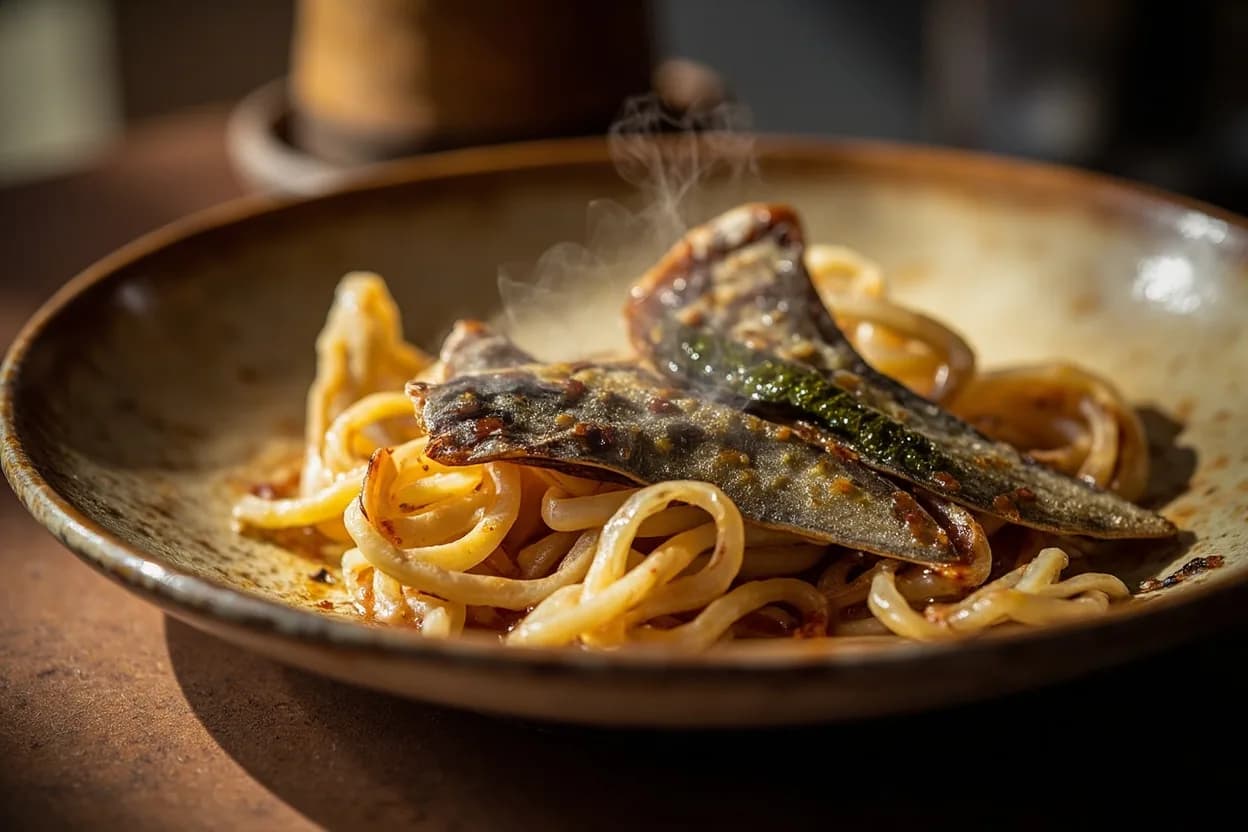
Related
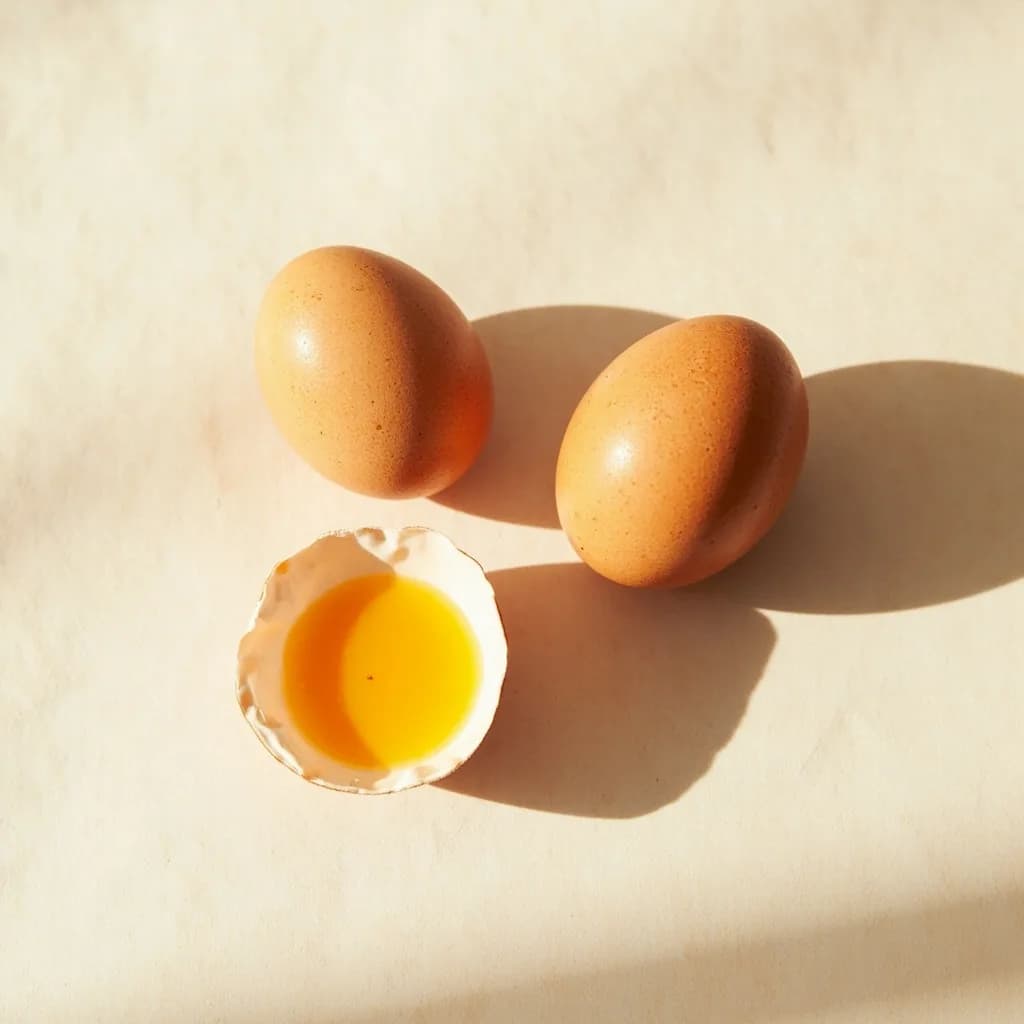
Egg
The kitchen's everything ingredient — bind, leaven, enrich, or fry
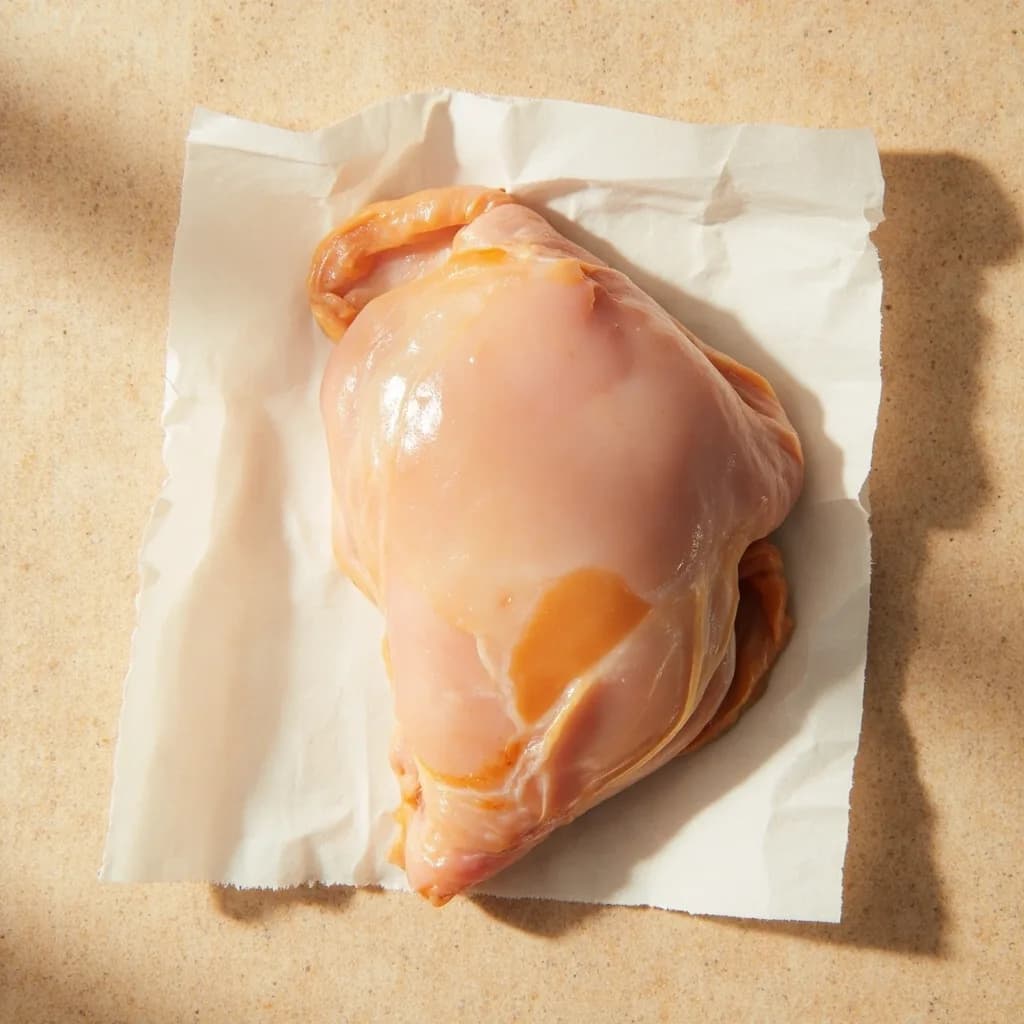
Chicken Breast
Lean, quick-cooking white meat for everyday dinners

Ground Beef
Versatile minced beef for burgers, ragù, tacos, and meatballs
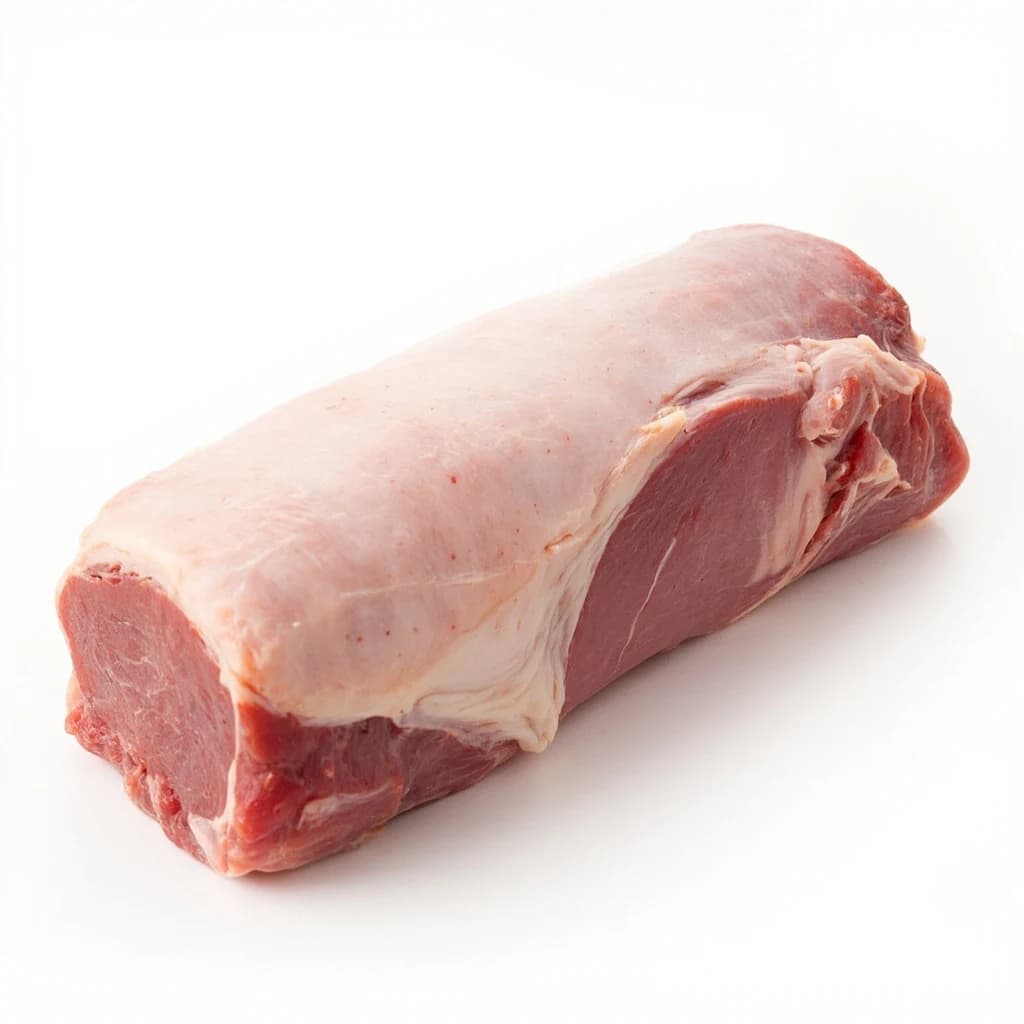
Pork Loin
Lean, tender roasting cut that stays juicy with care
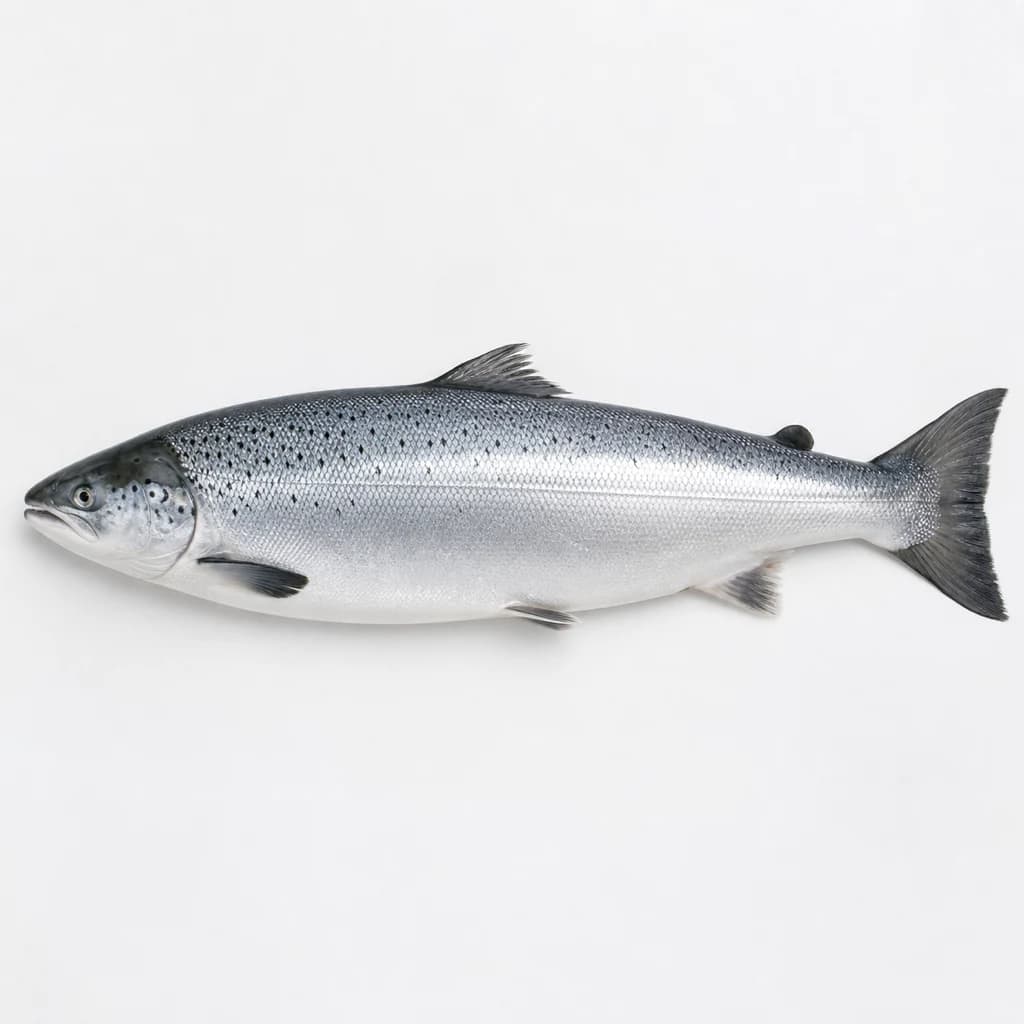
Salmon
Rich, rosy fish that roasts, grills, or cures beautifully

Egg White
Pure protein that whips to airy peaks for meringue and more
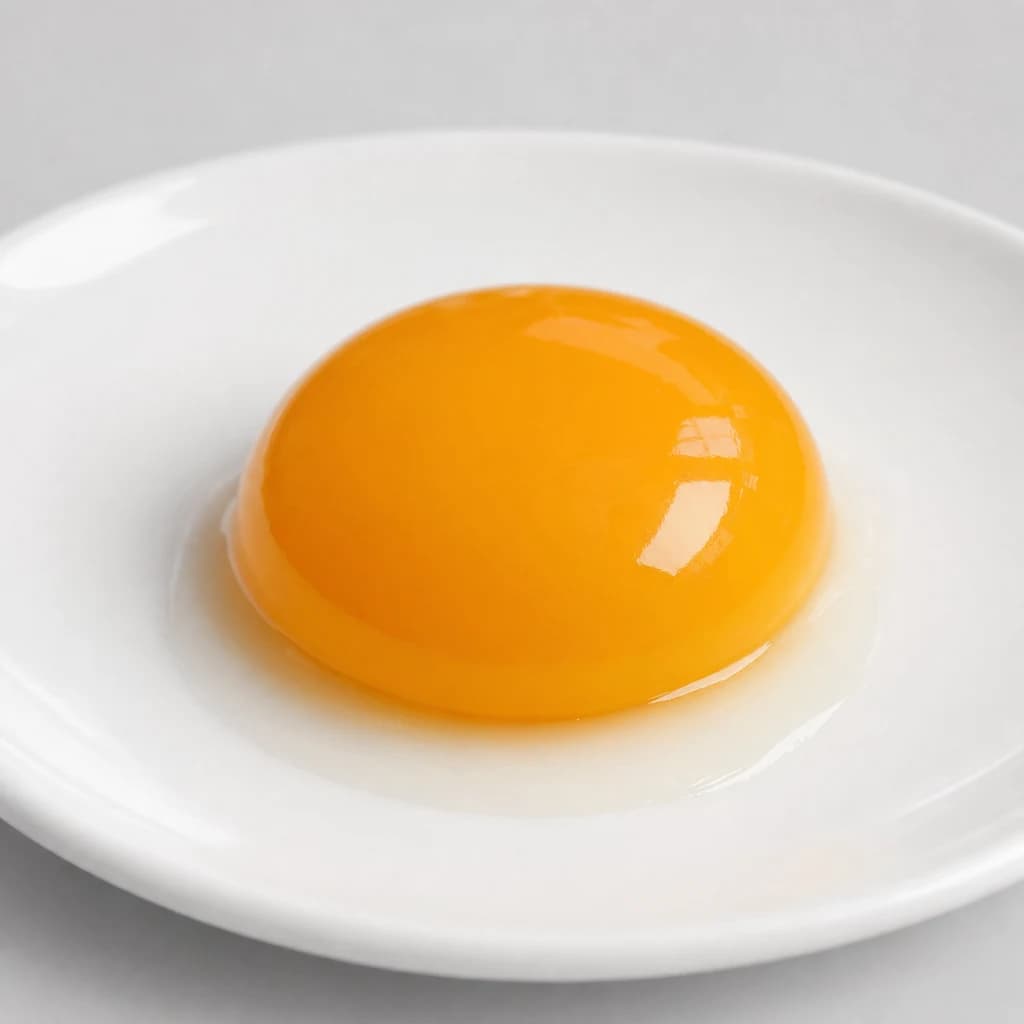
Egg Yolk
Rich, golden yolk for custards, mayonnaise, and pasta

Quail Egg
Tiny, speckled eggs for garnishing and elegant bites