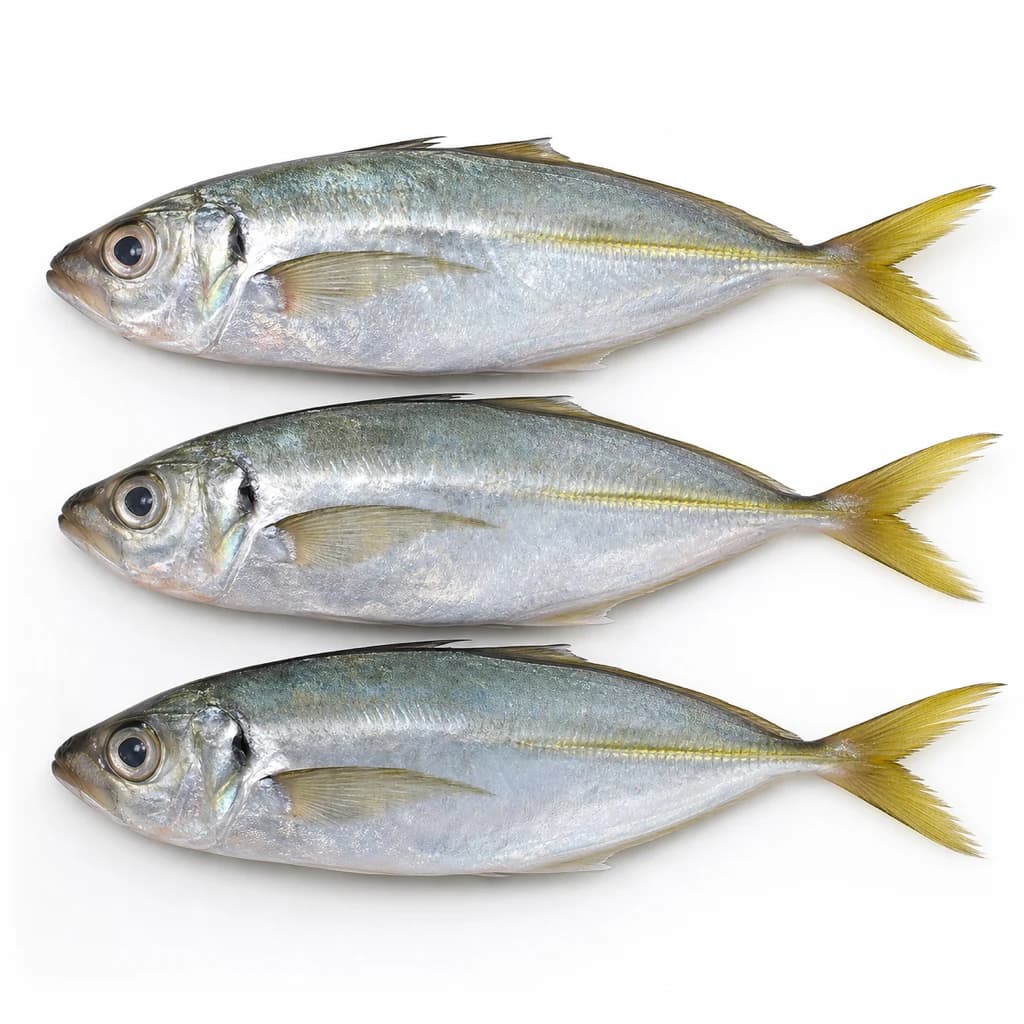
Natural form
Whole raw round scad showing its distinctive laterally compressed silver body and forked tail.
Shows the fish's identifying physical features — body shape, scale pattern, fin placement, and coloration — so a reader can recognize it at a market.
Proteins
Round Scad (Galunggong)
Affordable Filipino staple fish, usually fried whole until crisp.
Galunggong, or round scad, is a small, oily saltwater fish that is a budget staple in the Philippines. It is most often deep-fried whole until crisp and served with rice and a dipping sauce, or stewed in vinegar (paksiw). Its rich, full flavor makes it a beloved everyday fish.
Round Scad, known in the Philippines as galunggong, is a small, oily fish from the Carangidae (jack) family that has long served as the affordable, everyday protein for Filipino households. Scientifically classified as Decapterus macrosoma and closely related species within the Decapterus genus, this fish inhabits the Indo-West Pacific, with Philippine, Indonesian, and South Chinese Sea waters providing the bulk of what reaches markets. Its reputation as the "poor man's fish" (isda ng mahirap) reflects economic reality rather than quality—galunggong delivers genuine nourishment and flavor at a price point that keeps it within reach of school cafeterias, public markets, and roadside eateries across the archipelago.
In the hand, a fresh galunggong feels firm with a slight slickness from its natural oils. The flesh is tender and flaky, mildly sweet with a clean but present fishiness, and threaded throughout with fine, soft bones. Its moderate fat content—higher than lean white fish, lower than mackerel—is precisely what makes it so forgiving in the kitchen: it resists drying out even when overcooked by a minute or two, and it carries bold seasonings without being overwhelmed. The fish is almost always sold whole, head-on, which preserves freshness and allows the home cook to assess quality at a glance: bright eyes, red gills, and a clean sea smell indicate a fish in good condition. Frozen galunggong is an entirely acceptable alternative, particularly in markets outside the Philippines, and when properly flash-frozen soon after catch, the texture and flavor are nearly indistinguishable from fresh for most preparations.
- Measured in
- g
- Storage
- Fridge
Allergens
Types & varieties
Decapterus macrosoma; the standard galunggong of Philippine markets, typically 15–20 cm, the most widely available and affordable variety
Decapterus maruadsi; slightly larger than standard galunggong, found throughout the Indo-Pacific, sold under the same name in markets; marginally meatier
Decapterus kurroides; distinguishable by a reddish caudal fin; nearly identical flavor, texture, and culinary use to standard galunggong
Often grouped with galunggong as an affordable oily fish in markets; similar cooking properties and fat content, though technically a different genus
Buying and Storing
Fresh galunggong should have bright, convex eyes and bright red or pink gills—the single most reliable indicator of freshness in a whole fish. The scales should be tightly adhered and have a fresh, metallic sheen; slipping scales indicate age. A clean ocean smell, not a strong fishy or ammonia odor, confirms quality. Refrigerated on ice, fresh galunggong keeps 1–2 days, so plan to cook it soon after purchase. For longer storage, freeze immediately in airtight packaging; properly stored, frozen galunggong maintains good quality for up to 3 months. Thaw in the refrigerator overnight or under cold running water if pressed for time, never at room temperature.
- Bright, convex eyes and red gills are the primary freshness indicators for whole galunggong
- Fresh galunggong keeps 1–2 days refrigerated on ice; frozen, up to 3 months
- Thaw frozen fish slowly in the refrigerator to preserve texture
- Avoid fish with dull eyes, brown gills, or a strong ammonia smell
Preparation Before Cooking
Scaling is essential and requires attention: galunggong has small, tightly adhering scales that become bitter and gritty if left on and fried. Run a spoon or a dedicated fish scaler against the grain of the scales from tail to head, working over the entire body and under the fins. Rinse thoroughly after scaling. Gut the fish through the belly or the gill aperture if you prefer to keep the head intact for presentation—either method works. Rinse the cavity clean and pat the fish completely dry with paper towels; any residual moisture on the skin will prevent crisping during frying. Scoring—making 2–3 deep cuts on each side at a 45° angle, cutting nearly to the bone—is essential: it promotes even cooking, reduces warping as the fish flexes in hot oil, and creates more crisp surface area.
- Scale thoroughly in one direction from tail to head—missed scales become bitter when fried
- Pat completely dry before any cooking method; moisture is the enemy of a good crust
- Score 2–3 times on each side at a 45° angle, cutting nearly to the bone—this promotes even cooking, prevents warping, and creates more crisp surface area
Common uses
Tips & pitfalls
- Always scale and clean thoroughly—galunggong has small, tightly adhering scales that turn bitter and gritty when fried
- Pat the fish completely dry before cooking; any surface moisture will cause the skin to steam instead of crisp
- Score the fish 2–3 times on each side at a 45° angle, cutting nearly to the bone—this promotes even cooking, reduces warping, and creates more crisp surface area
- Maintain oil temperature at 350–375°F (175–190°C); crowding the pan drops the temperature sharply and produces soggy, greasy skin
- Do not overcook—flesh turns mealy and dry past the point of opaqueness with flakes beginning to separate; the fish continues cooking from residual heat
- The small, soft bones are technically edible when fried crisp, but they pose a choking hazard for young children; score deeply to make them more brittle and encourage thorough chewing
- For sinigang, sour soups, or adobo, the fish's moderate fat holds up well to tamarind, vinegar, and other bold souring agents without falling apart in the broth
- If the fish taste is too strong for Western palates, soak cleaned, scored fish in lightly salted cold water with a squeeze of calamansi for 15–20 minutes before cooking to mellow the flavor
Nutrition
Nutrition
No USDA FoodData Central match for Round Scad (Galunggong) yet. We surface a per-100 g profile once a generic whole-food entry is matched and verified.
In the shops
Matched grocery products
No matched grocery products for Round Scad (Galunggong) yet.
Good to know
- Scientific Name
- Decapterus macrosoma; also Decapterus spp. broadly
- Family
- Carangidae (Jack family)
- Common Names
- Galunggong (Philippines), Round Scad, Shortfin Scad, Mackerel Scad
- Origin
- Indo-West Pacific; abundant in Philippine, Indonesian, and South Chinese Sea waters
- Typical Size
- 15–25 cm length; sold whole, head-on
- Flavor
- Mildly sweet, clean fishiness; moderately oily; stands up to bold seasonings without overpowering them
- Texture
- Tender, flaky flesh; fine bones throughout; moderate fat content makes it forgiving of overcooking
- Peak Season
- Year-round; most abundant October–March in Philippine waters
- Shelf Life
- 1–2 days refrigerated on ice; up to 3 months frozen
- Yield
- Approximately 50–55% edible portion—head, fins, and bones are substantial
- Price Point
- Very affordable; the quintessential everyday fish of the Filipino kitchen
Substitutes
- Sardines (Sardinell) — Comparable size, oiliness, and price point; can be substituted in fried, sinigang, or ginisa preparations; has a slightly stronger, more pronounced fish flavor
- Mackerel (Haswig / Tangigue) — Similar oily texture and mild fishiness; larger bones make it better suited for grilling and paksiw; moderately higher price but excellent functional substitute
- Herring (Bringilla) — Similar fat content and flaky texture; works across all galunggong preparations including frying and sinigang; may be difficult to source fresh outside the Philippines
- Anchovies (Dilis) — For fried preparations only; much smaller so whole frying is impractical, but excellent in fritter or patty form; intensely savory and much stronger-flavored
Pairs with
Also called
Round Scad · GG
Related
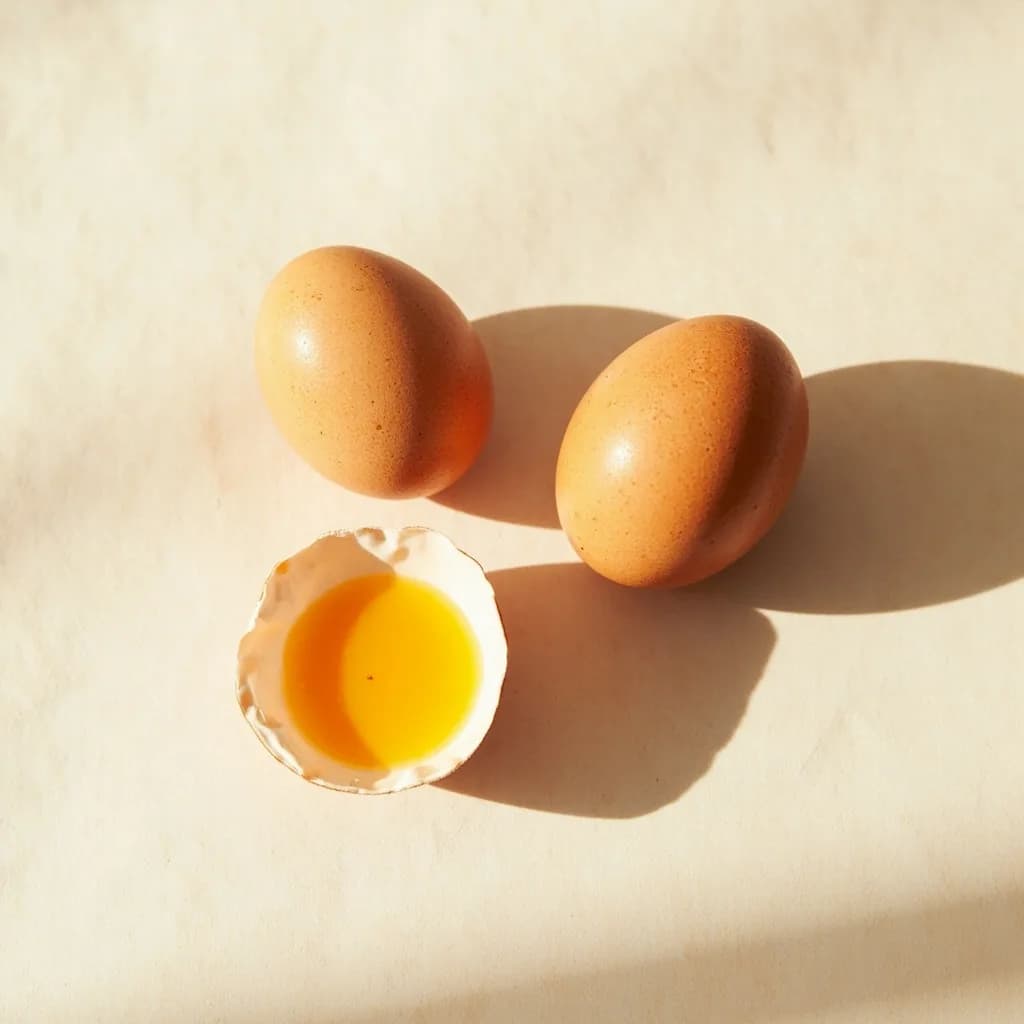
Egg
The kitchen's everything ingredient — bind, leaven, enrich, or fry
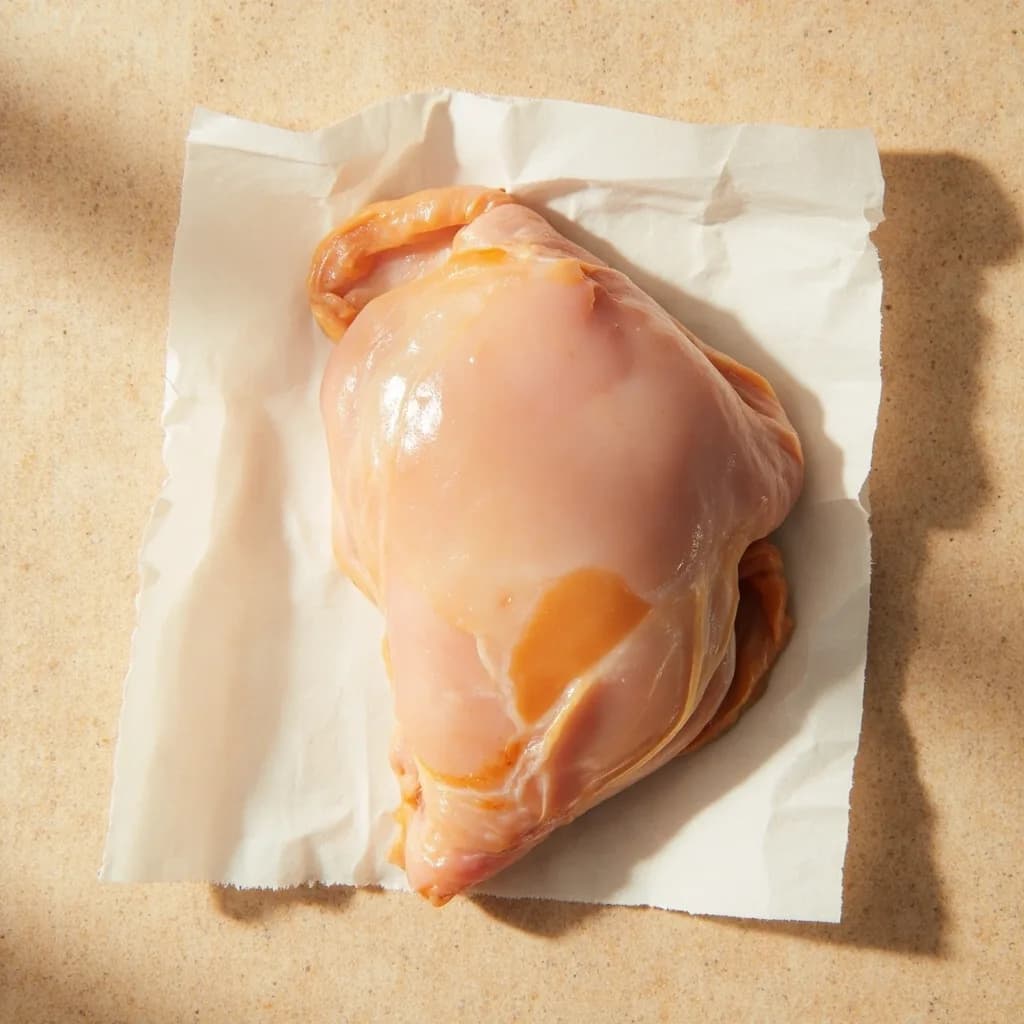
Chicken Breast
Lean, quick-cooking white meat for everyday dinners

Ground Beef
Versatile minced beef for burgers, ragù, tacos, and meatballs
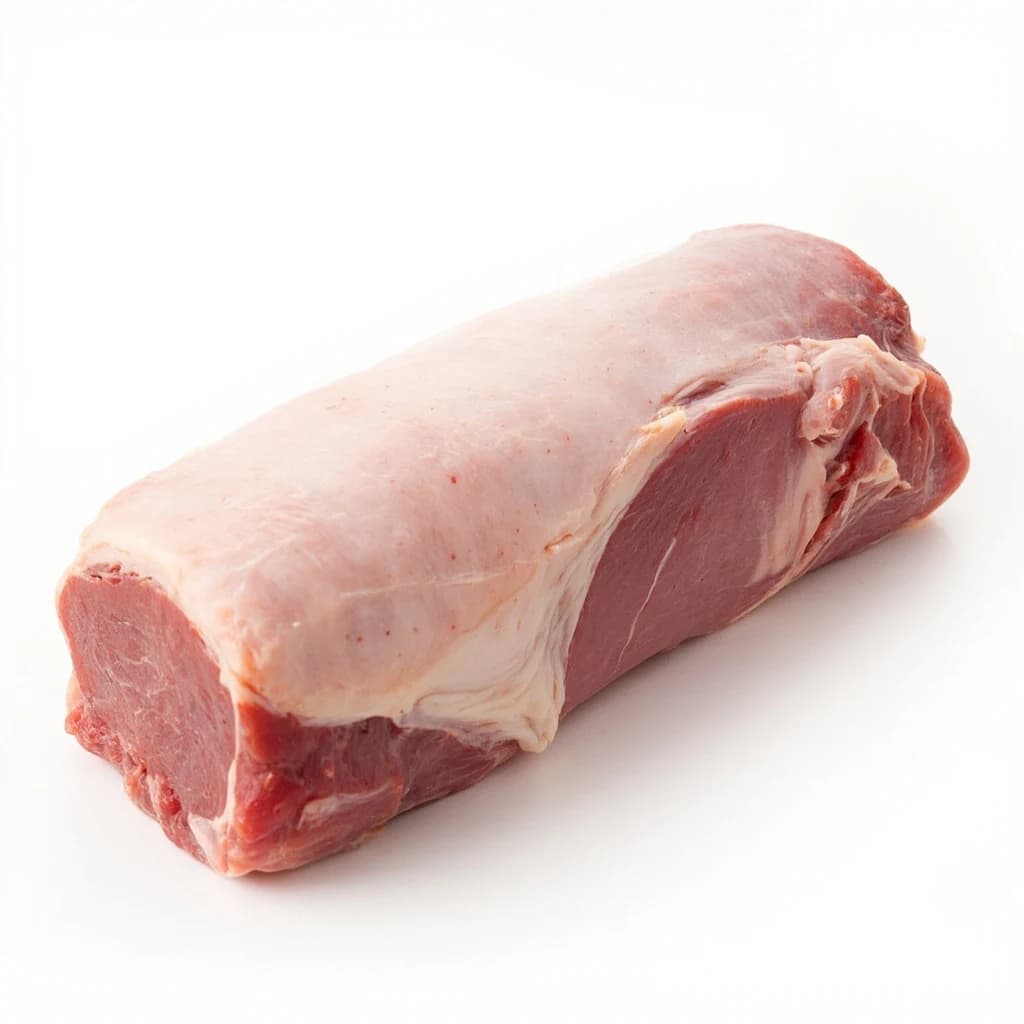
Pork Loin
Lean, tender roasting cut that stays juicy with care
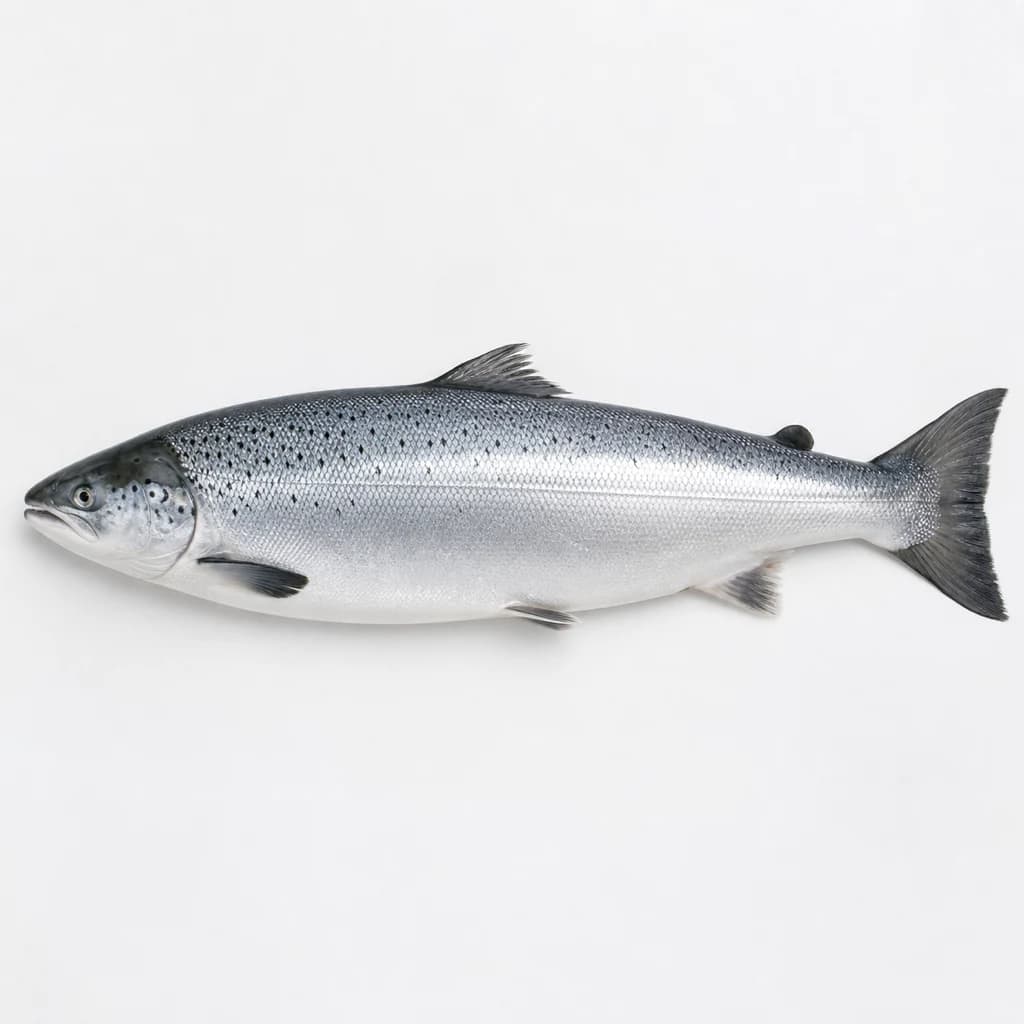
Salmon
Rich, rosy fish that roasts, grills, or cures beautifully

Egg White
Pure protein that whips to airy peaks for meringue and more
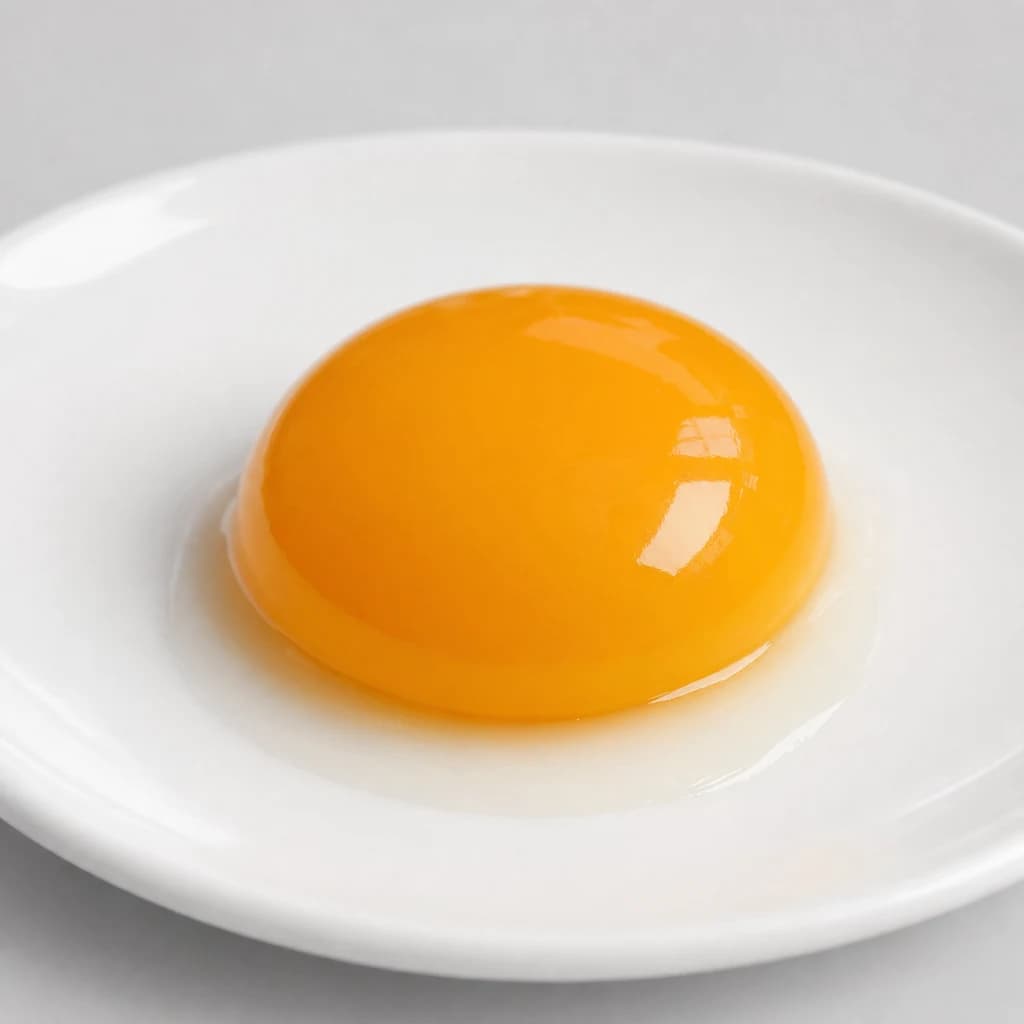
Egg Yolk
Rich, golden yolk for custards, mayonnaise, and pasta

Quail Egg
Tiny, speckled eggs for garnishing and elegant bites