Dairy & Eggs
Mizithra
Greek whey cheese, fresh and ricotta-like or aged hard for grating over browned-butter pasta.
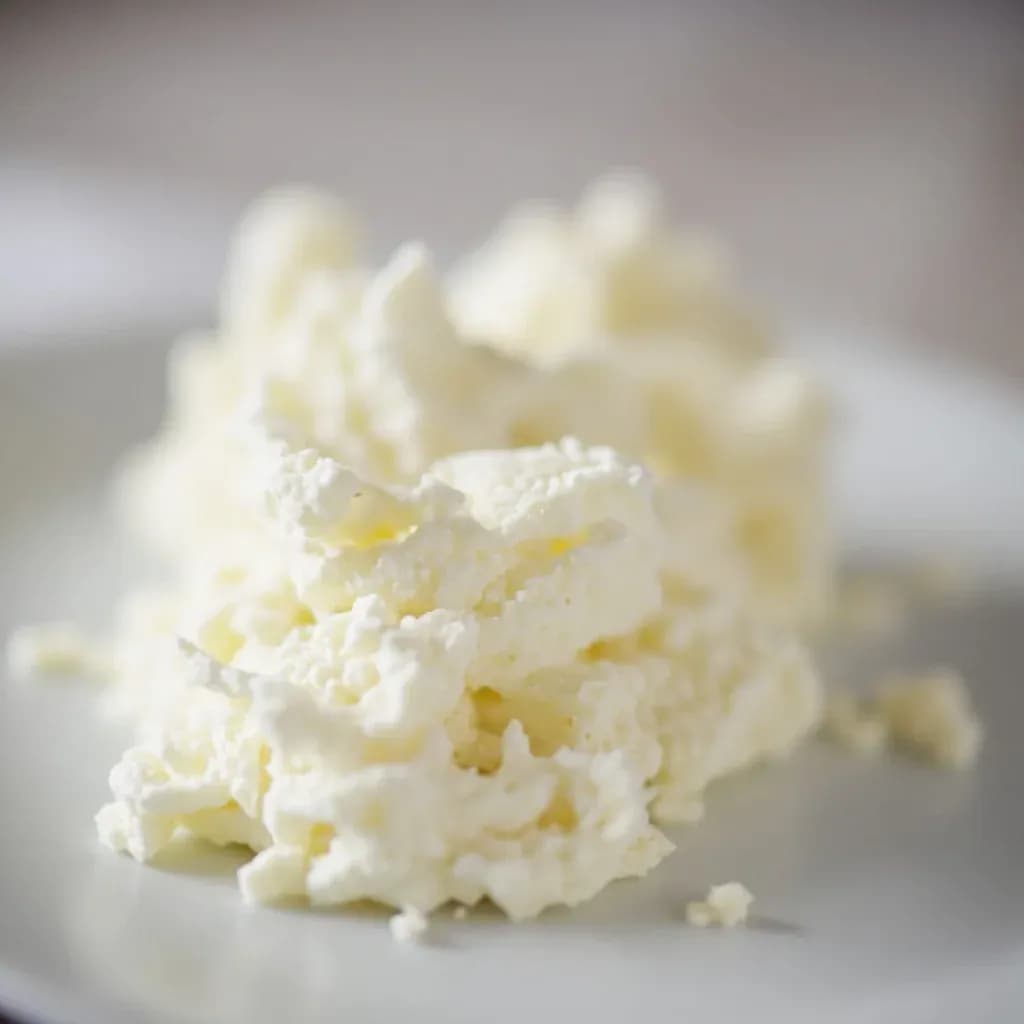
Mizithra is a Greek whey cheese made from the whey of sheep's or goat's milk, sometimes with added milk. Fresh mizithra is soft, mild, and creamy like ricotta; the aged, salted version becomes hard and is grated over pasta, classically with browned butter. It is a traditional way to use up cheesemaking whey.
Mizithra is one of Greece's most distinctive cheeses—and one of the most unusual in the world—because it is made entirely from whey, not curds. During feta production, the leftover whey is slowly reheated, causing the albumin proteins to coagulate into a soft, snow-white mass that is then drained and shaped. This makes mizithra fundamentally different from most cheeses: it is a byproduct elevated to an ingredient in its own right. The cheese is produced throughout the Peloponnese but is deeply associated with Sparta and the Laconia region, where it has been made for centuries in the same way. The fresh version is soft, mildly tangy, and spreadable; the aged version dries into a hard, intensely salty grating cheese. Neither variety is cooked or pressed heavily, so mizithra retains a delicate, clean dairy character that makes it unlike any substitute you might reach for. In Sparta, the aged variety is grated over a simple pasta dressed in browned butter—a dish so iconic it borders on sacred: mizithra me vioyitri (mizithra with browned butter) is the region's signature, traditionally made with thick handmade noodles. Understanding mizithra means understanding two distinct ingredients in one: use fresh mizithra where you want softness and mildness, and aged mizithra where you want a sharp, salty, concentrated finish.
- Measured in
- g
- Storage
- Fridge
Allergens
Types & varieties
Young, moist, spreadable. Used in pies, pastries, salads, and as a spread. Perishable—use within two weeks.
Hard and dry after months of aging. Used exclusively for grating as a finishing cheese. Look for a clean, crumbly break, not rubbery texture.
A dessert variation sometimes dressed with honey or served with fresh fruit. Less common outside Greece.
Whey Cheese: How Mizithra Is Different
Most cheeses are made by coagulating milk with rennet, which separates the milk into solid curds and liquid whey. The curds become cheese; the whey is typically discarded. Mizithra reverses this logic. The whey from feta production—still rich in albumin proteins—is gently reheated to a specific temperature. The albumin denatures and coagulates into small, soft curds that are collected, drained, and either used immediately (fresh mizithra) or pressed and aged (aged mizithra). This process means mizithra has a much lower fat content than most cheeses and a distinctly clean, whey-forward flavor. It also means mizithra is technically a byproduct, though in Laconia it has long been the primary cheese, not a secondary one.
- Contains no rennet; coagulation comes from heat alone
- Significantly lower fat than curd-based cheeses
- Fresh version has high moisture; aged version loses most of it
- Quality depends heavily on the freshness and quality of the original feta whey
Fresh vs. Aged: Choosing and Using
The two forms of mizithra serve entirely different purposes and are not interchangeable. Fresh mizithra is a soft, spreadable cheese with a mild tang—think ricotta with more character and less sweetness. It works best uncooked or in baked dishes where it won't be disturbed by aggressive heat. Aged mizithra is a hard, intensely salty grating cheese. A little goes a very long way. It is meant to be added at the table, not cooked into a dish. When buying aged mizithra, press a piece gently with your thumb: it should crumble cleanly, not flex or feel rubbery. Rubberiness indicates insufficient aging or poor quality.
- Fresh mizithra: use raw or in baked preparations
- Aged mizithra: grate as a finishing garnish only
- Do not substitute one variety for the other in recipes
- If aged mizithra feels rubbery, it is not properly dried and aged
Browned Butter Pasta: The Signature Dish
Mizithra me vioyitri—browned butter and mizithra pasta—is the dish that defines how Greeks use aged mizithra and why the quality of both elements matters. The butter is cooked over medium heat in a wide pan until the milk solids drop to the bottom, turn golden, and develop a deep, nutty aroma. The pasta—ideally thick, handmade-style noodles—is cooked separately and tossed directly in the pan with the browned butter off the heat. Aged mizithra is grated generously over the top at the table. The fat carries the cheese's salt and tang; the cheese melts slightly against the hot pasta and butter, then holds some structure for textural contrast. This is a dish of restraint: few ingredients, precise technique, and the quality of each component is exposed.
- Use a light-colored pan so you can monitor butter color accurately
- Remove butter from heat just as it turns golden—continued heat burns it
- Grate the mizithra generously; this is not a subtle garnish
- Serve immediately; the butter solidifies as the dish cools
Common uses
Tips & pitfalls
- For browned butter pasta: cook butter over medium heat until milk solids turn golden and a nutty aroma develops—do not walk away from the pan
- Aged mizithra is intensely salty; use it sparingly as a finishing garnish, not a main component of a dish
- Fresh mizithra can be drained through cheesecloth overnight in the refrigerator to achieve a firmer, drier consistency for use in pies or as a spread
- Do not cook fresh mizithra over high heat—it can seize, turn grainy, or weep water; use it raw in cold preparations or add it only to baked dishes once they are nearly finished cooking
- Authentic Greek mizithra is made without rennet; it is purely a whey cheese, which is why it behaves differently from ricotta or cottage cheese in recipes
- If authentic mizithra is unavailable, the aged variety from a Greek specialty shop is preferable to any substitute for browned butter pasta—reach for Pecorino Romano or Kefalotyri as your fallback
- Fresh mizithra should smell clean and lactic, never sour or ammonia-like; if it smells aggressively sour, it has passed its prime
- When grating aged mizithra, use a medium or fine grater; very coarse shards can feel unpleasant in the mouth against the delicate pasta
Nutrition
Energy
1628 kJ · per 100 g
Where the calories come from
Protein
25.6g
51% DV
Carbs
1.6g
1% DV
Fat
31.1g
40% DV
Fiber
0g
0% DV
Sugars
1.6g
of which
Sodium
800mg
35% DV
Source · USDA FoodData Central · approx. Cheese, fontina
View on FDC →In the shops
Matched grocery products
No matched grocery products for Mizithra yet.
Good to know
- Origin
- Greece, Peloponnese (particularly Laconia and Sparta)
- Milk base
- Sheep's milk whey, sometimes combined with goat milk whey
- Production method
- Whey cheese (albumin coagulation from reheated feta whey); no rennet
- Fresh texture
- Soft, white, spreadable, similar to ricotta but with more moisture
- Aged texture
- Hard, dry, crumbly; grates cleanly into shards
- Fresh flavor
- Mild, slightly tangy, clean dairy
- Aged flavor
- Sharp, salty, concentrated, tangy; notably lower in fat than curd-based cheeses
- Aging (aged variety)
- Several months to over a year
- Storage (fresh)
- Refrigerate in an airtight container, 1–2 weeks
- Storage (aged)
- Wrap tightly or seal in an airtight container; refrigerated, several months
Substitutes
- Ricotta (for fresh mizithra) — Closest texture match; mild and spreadable. Drain well through cheesecloth and season with a pinch of salt.
- Cottage cheese (for fresh mizithra) — Comparable texture when small-curd variety is well drained. Slightly more tang than ricotta.
- Feta, crumbled (for fresh mizithra in pies and salads) — Saltier and more assertive, but functional in baked cheese pies and salads where tang is welcome.
- Pecorino Romano (for aged mizithra) — Sharp, salty, and excellent for grating. The closest flavor match among widely available cheeses.
- Parmesan or Grana Padano (for aged mizithra) — Milder and less tangy than mizithra, but works well as a finishing grated cheese on pasta.
- Kefalotyri (for aged mizithra) — Another Greek grating cheese made from sheep and goat milk; very similar behavior and flavor profile.
Pairs with
Also called
mizithra · myzithra · mitzithra
Related

Whole Milk
Rich, full-fat milk for drinking, coffee, sauces, and baking
Butter
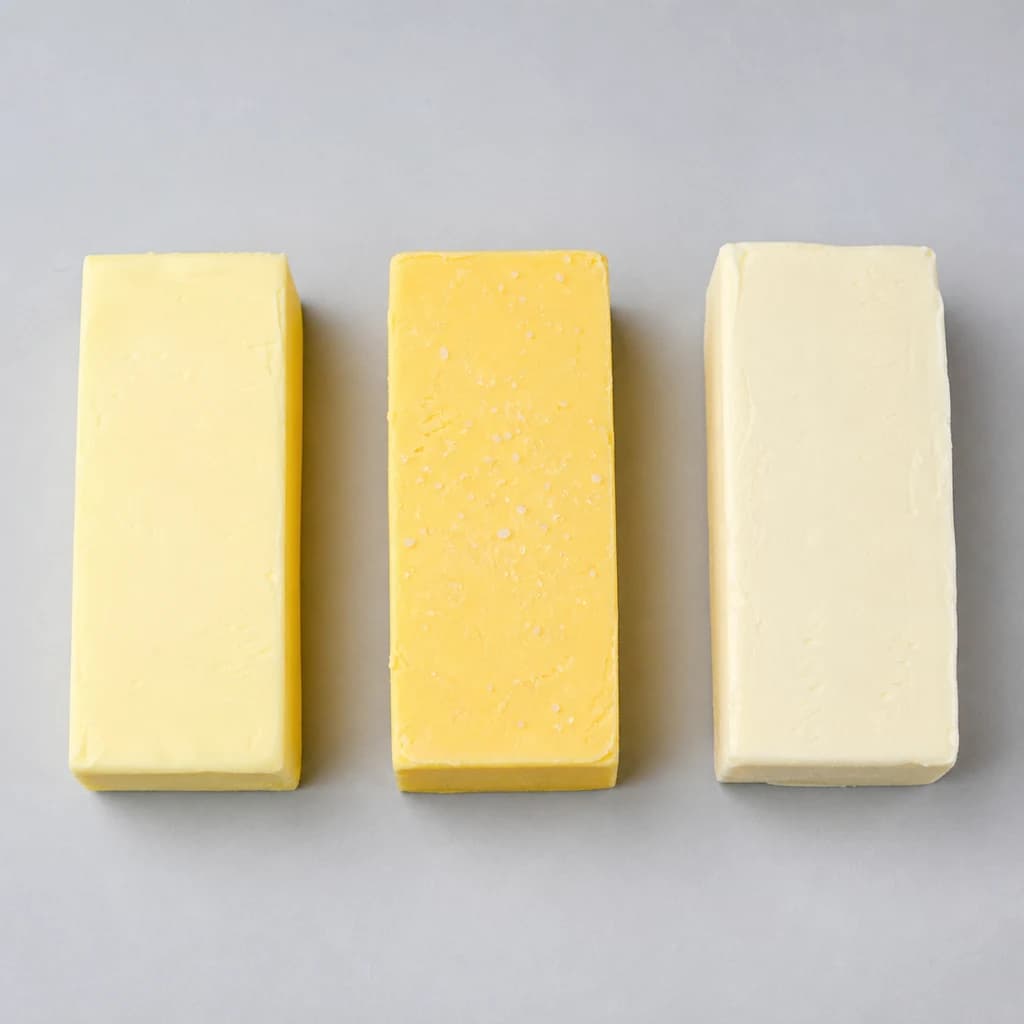
Golden fat for searing, baking, and finishing a sauce
Yogurt
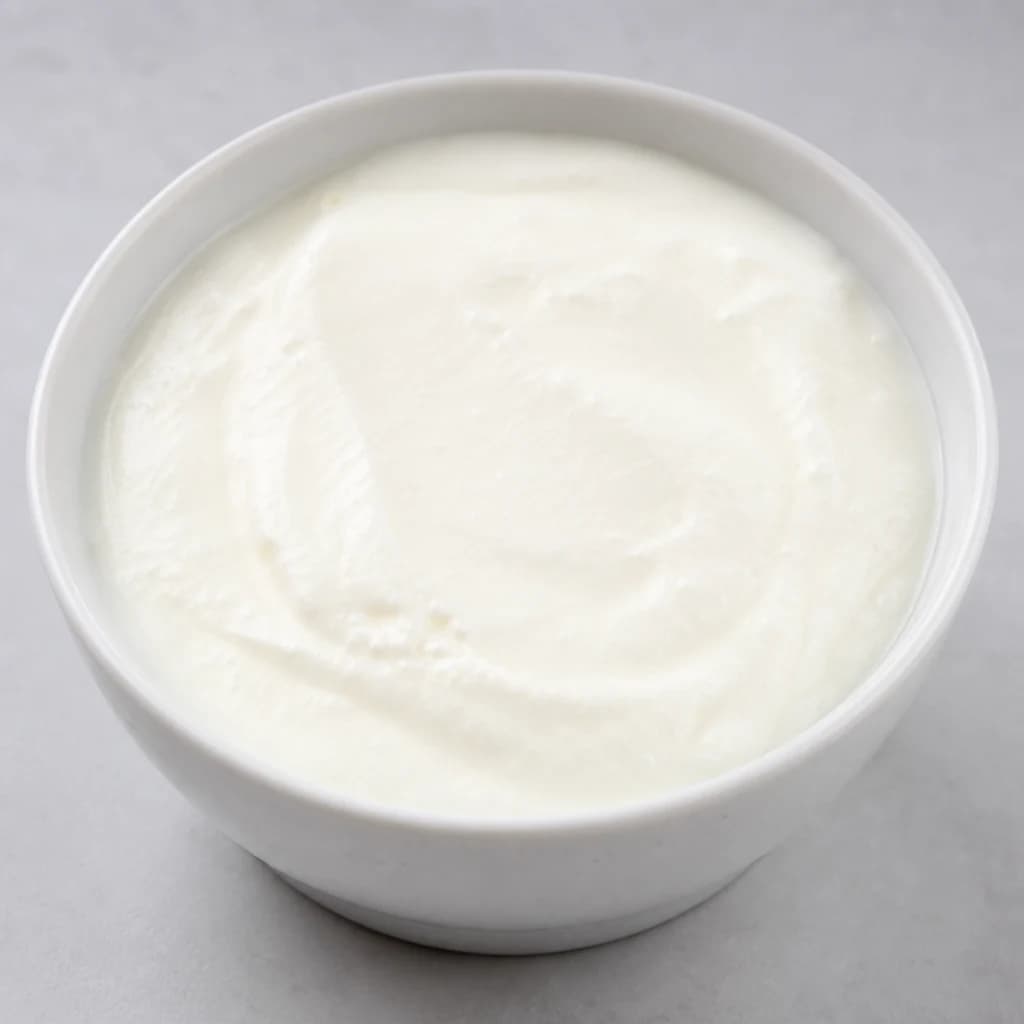
Tangy, creamy culture for breakfast, sauces, and marinades
Cheddar Cheese
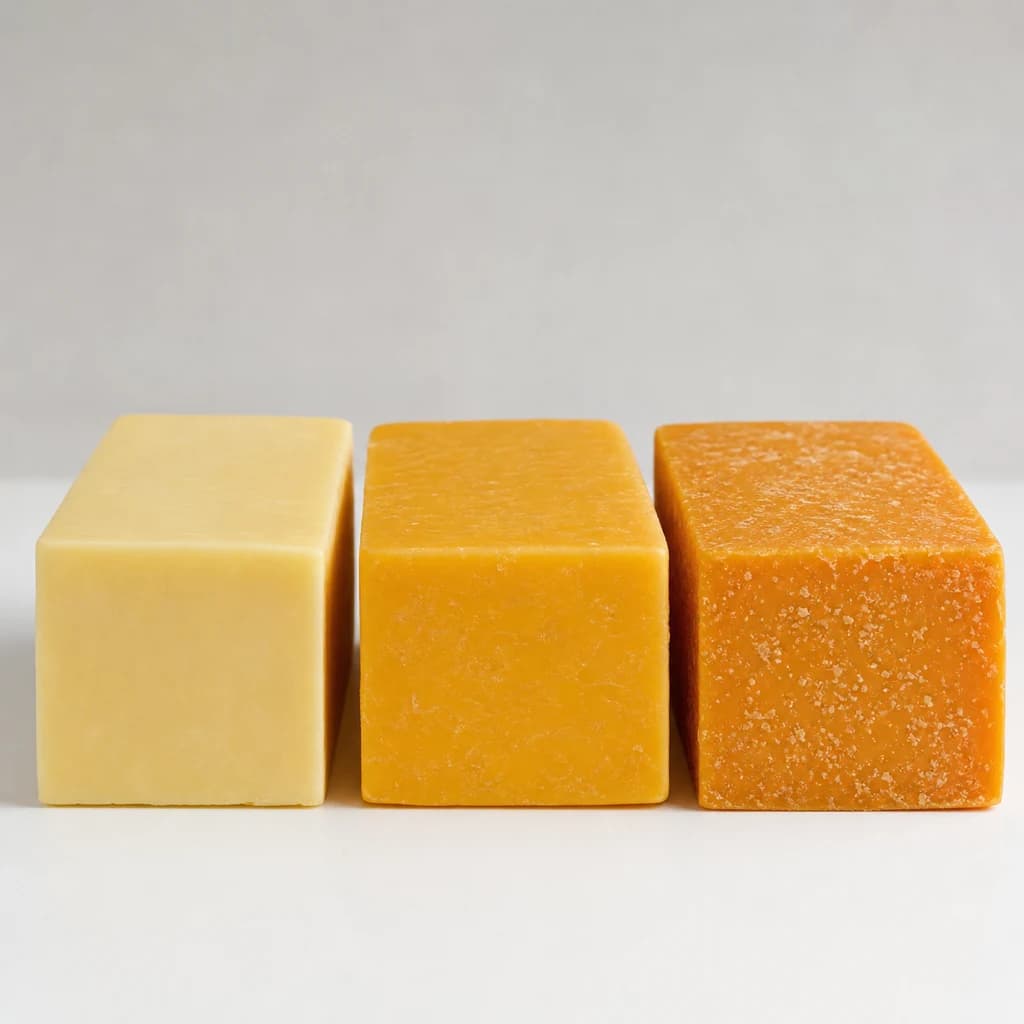
Sharp, melty cheese for sandwiches, gratins, and grating
Skim Milk
Fat-free milk for lighter drinking, coffee, and cooking
Heavy Cream
Rich cream that whips, enriches sauces, and sets ganache

Sour Cream
Tangy, thick cream for dolloping, baking, and dips
Mozzarella
Soft, milky cheese that melts into stretchy pizza pulls