
Natural form
Whole dried ñora peppers: small, round, deep mahogany-red, with papery wrinkled skin.
Shows the reader exactly what ñoras look like in their dried, shelf-stable state — the form most commonly sold and recognized.
Spices
Ñora Pepper
Small dried sweet Spanish pepper used to flavor sofritos, romesco, and rice dishes.
The ñora is a small, round, dried sweet red pepper from southeastern Spain. It has a mild, sweet, earthy flavor with no heat and is rehydrated to scrape out its pulp, which flavors romesco sauce, sofrito, and rice dishes like paella. It is a key building block of Spanish and Catalan cooking.
The ñora is a small, rounded dried sweet pepper from the Murcia region of Spain, particularly the Valle de Ricote, where it has been cultivated for centuries. It belongs to the Capsicum annuum species and is traditionally sun-dried whole until deeply desiccated—a process that concentrates its natural sugars into an intensely fruity, almost jammy sweetness with no heat whatsoever. When fresh, the ñora is bright red and about 3–5 cm long; dried, it becomes deeply wrinkled, flexible, and mahogany-dark. This pepper is not about spice—it delivers color, depth, and a subtle smokiness that defines some of Spain's most iconic preparations. In Catalonia, the ñora is the non-negotiable heart of romesco. In Valencia and Murcia, it anchors the sofrito that gives paella, arroz al horno, and cazuelas their characteristic depth. The pepper is also distinct from the related choricero: ñoras are smaller, rounder, and have thinner, more concentrated flesh. Do not confuse the whole dried pepper with commercially ground ñora powder, which loses complexity quickly.
- Measured in
- piece
- Storage
- Pantry
Types & varieties
The primary type from Murcia; small, intensely red, very sweet when dried
Related Valencian variety; slightly larger with a similar flavor profile; used interchangeably in some regions
A rounder ñora variety sometimes distinguished in specific regional recipes
The Drying Process and Why It Matters
Ñoras are traditionally cured by laying whole fresh peppers in the sun until they are deeply desiccated—a process that can take several weeks. This outdoor curing is not incidental; the combination of sun exposure and air circulation concentrates the pepper's sugars and develops complex fruity notes that differ fundamentally from oven-dried or mechanically dehydrated peppers. The result is a pepper with concentrated sweetness, vibrant color, and a subtle smoky undertone that emerges naturally from the drying method rather than from any added process.
- Traditional sun-drying preserves more natural sugars than mechanical methods
- The outdoor curing develops subtle smoky complexity
- Dried ñoras should be flexible, not brittle—brittleness indicates over-drying
Regional Traditions
The ñora occupies a specific place in Spain's culinary geography. In Catalonia, it is the defining ingredient of romesco sauce, where its sweetness balances the acidity of tomatoes and the richness of toasted nuts. In Valencia and Murcia, it anchors the sofrito base—the foundation of rice dishes, stews, and cazuelas. The pepper appears in embutidos (cured meats), adobo pastes for marinating pork, and even breads for color and flavor. Each region treats the ñora slightly differently, but all rely on its unique combination of sweetness and depth.
- Catalan romesco: ñoras provide the sweet, fruity backbone
- Valencian paella: ñoras are part of the essential sofrito trio with onion and garlic
- Murcian cuisine: ñoras flavor stews, cazuelas, and pisto manchego
Common uses
Tips & pitfalls
- Always toast dried ñoras in a dry skillet for 30–60 seconds per side before rehydrating—this develops the fruity, smoky depth and is not optional
- Rehydrate in hot water for 15–20 minutes; discard the soaking liquid or strain and use sparingly as it can be slightly bitter
- After rehydrating, scrape out the flesh with a knife or spoon; the skin and seeds are usually discarded
- Store whole dried ñoras in the freezer for extended shelf life (up to 2 years); frozen ñoras also grind more easily
- Toast and grind ñoras into a powder to add directly to bread doughs or homemade spice blends
- Common mistake: skipping the toasting step, which results in flat, muted flavor that fails to integrate with other ingredients
- Common mistake: using the soaking liquid indiscriminately—it can add unwanted bitterness to dishes
- For romesco, use 3–5 ñoras per batch, seeded with flesh-only
- When buying, choose peppers that are deeply colored, flexible (not brittle), and have a fruity aroma—avoid any that smell musty or damp
Nutrition
Energy
121 kJ · per 100 g
Where the calories come from
Protein
0.9g
2% DV
Carbs
6.5g
2% DV
Fat
0.4g
0% DV
Fiber
2.8g
10% DV
Sugars
4.1g
of which
Sodium
3mg
0% DV
Source · USDA FoodData Central · approx. Peppers, jalapeno, raw
View on FDC →In the shops
Matched grocery products
No matched grocery products for Ñora Pepper yet.
Good to know
- Origin
- Murcia region, Spain (Valle de Ricote)
- Species
- Capsicum annuum
- Heat Level
- Sweet (0 Scoville)
- Fresh Color
- Bright red
- Shape
- Small, rounded, deeply wrinkled when dried; 3–5 cm long
- Primary Form
- Sun-dried whole pepper, traditionally cured outdoors
- Storage
- Airtight container in cool, dark, dry pantry; 6–12 months
- Key Compounds
- Capsorubin and capsanthin (red pigments); natural sugars concentrated by drying
Substitutes
- Choricero pepper — Spanish dried pepper with slightly thicker flesh and very similar sweet-red pepper flavor; best direct substitute in romesco and sofritos
- Ancho chile — Dried poblano; sweeter and slightly earthy with a broader shape; use 1 ancho per 2 ñoras; good non-Spanish alternative
- New Mexico chile — Mild dried red chile; more vegetal than ñora but acceptable in a pinch; toast and rehydrate the same way
- Dried Guajillo — Lower heat, fruity, slightly tangy; not a traditional substitute but workable in non-regional cooking
- Sun-dried tomato + smoked paprika — Approximation using sun-dried tomatoes for texture and sweet depth, with a pinch of smoked paprika for the smoky element
Pairs with
Also called
Nyora · Ñora · Bola Pepper
Related
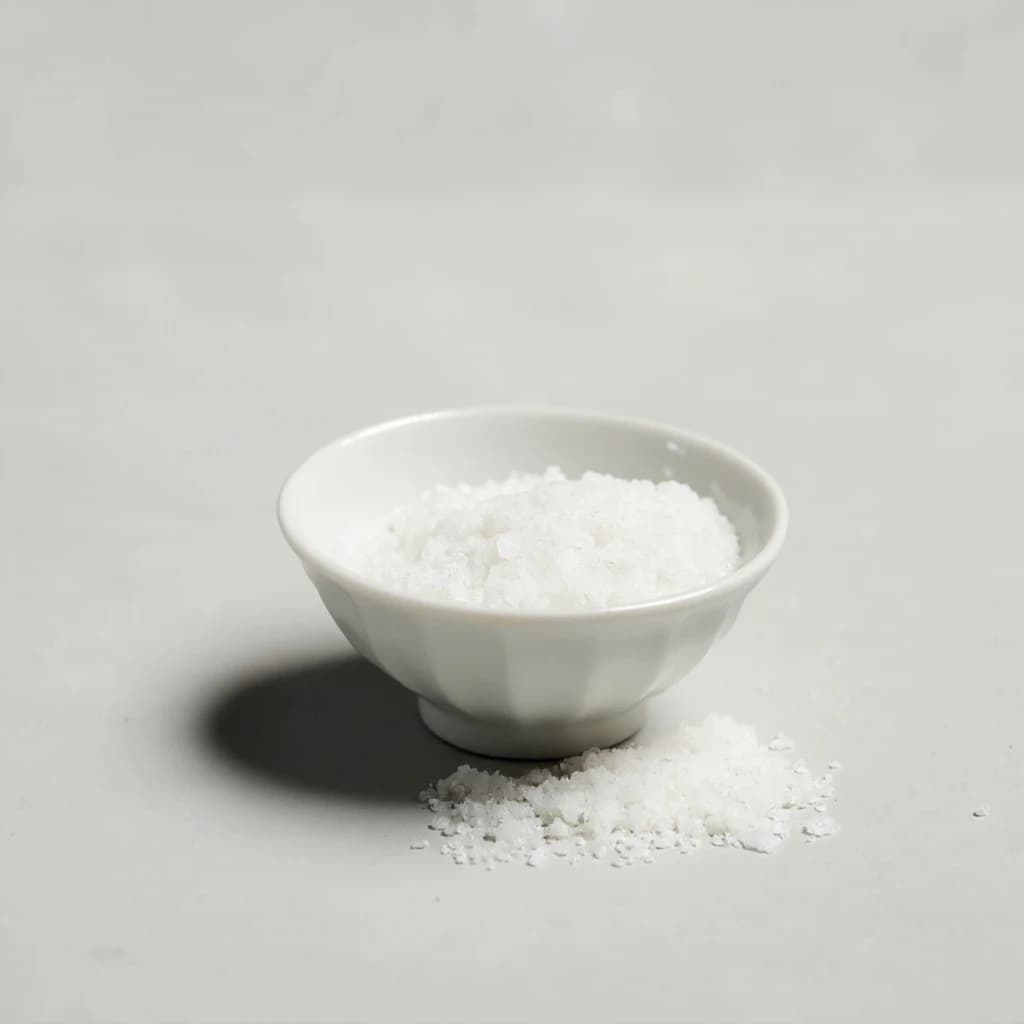
Salt
The one seasoning that makes everything else taste like itself

Black Pepper
Pungent, woody heat — best cracked fresh over anything savory
Amchur
Dried unripe mango ground to a tart, fruity souring powder
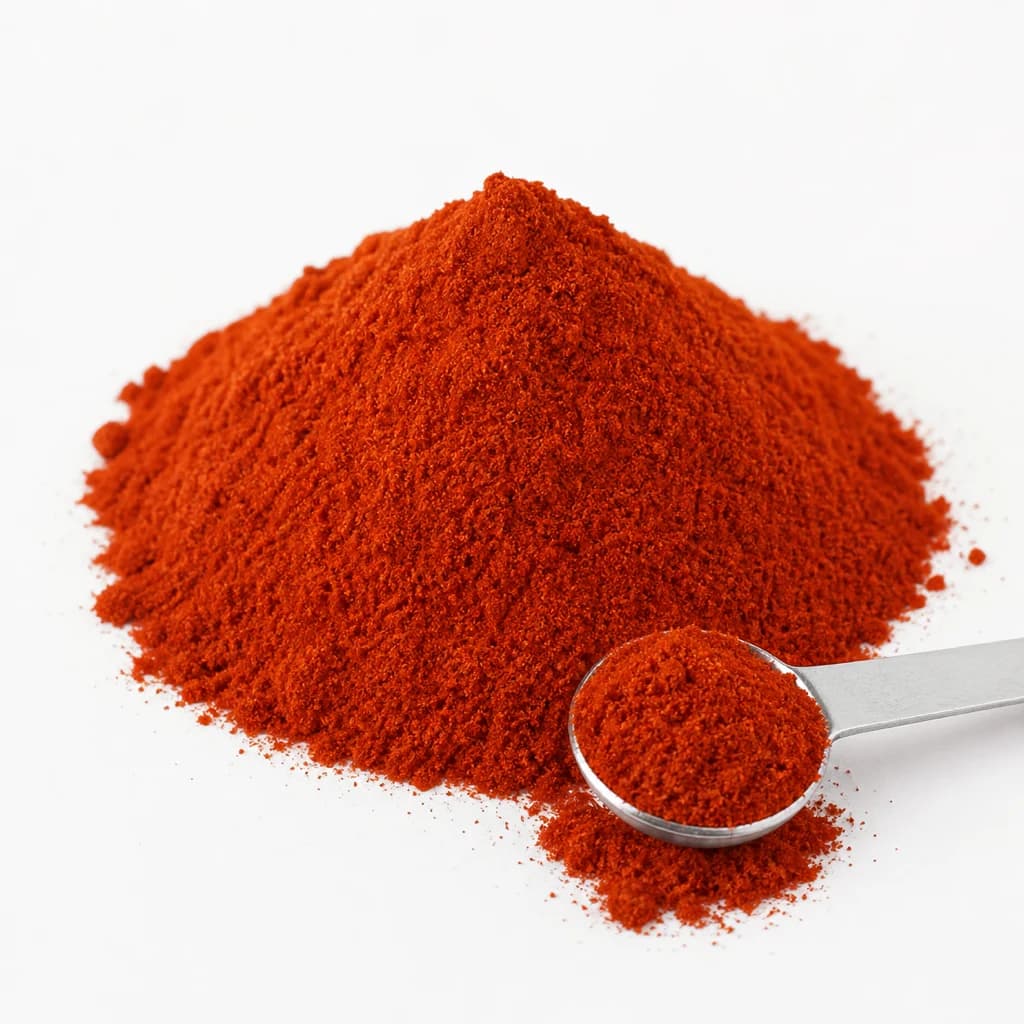
Paprika
Sweet, vivid ground pepper for color and gentle warmth
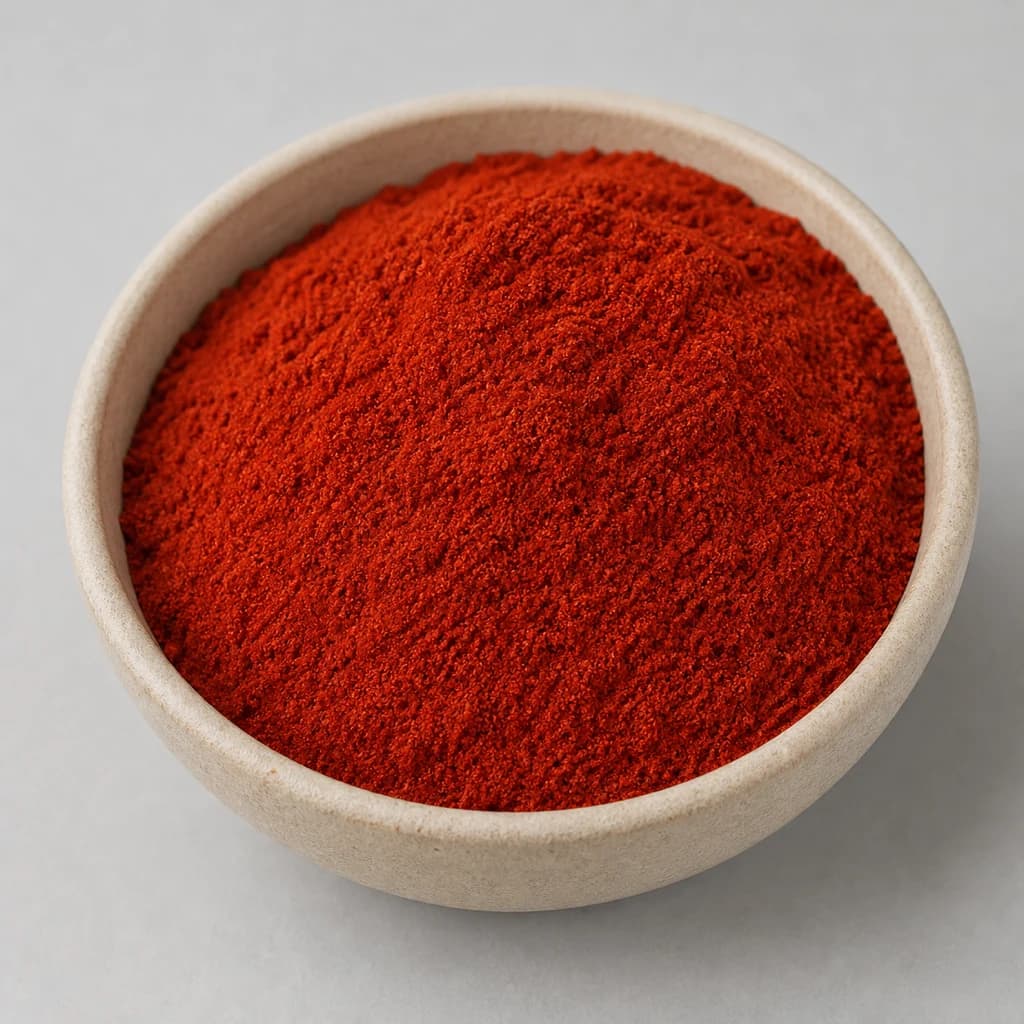
Smoked Paprika
Deep, smoky ground pepper for a campfire warmth
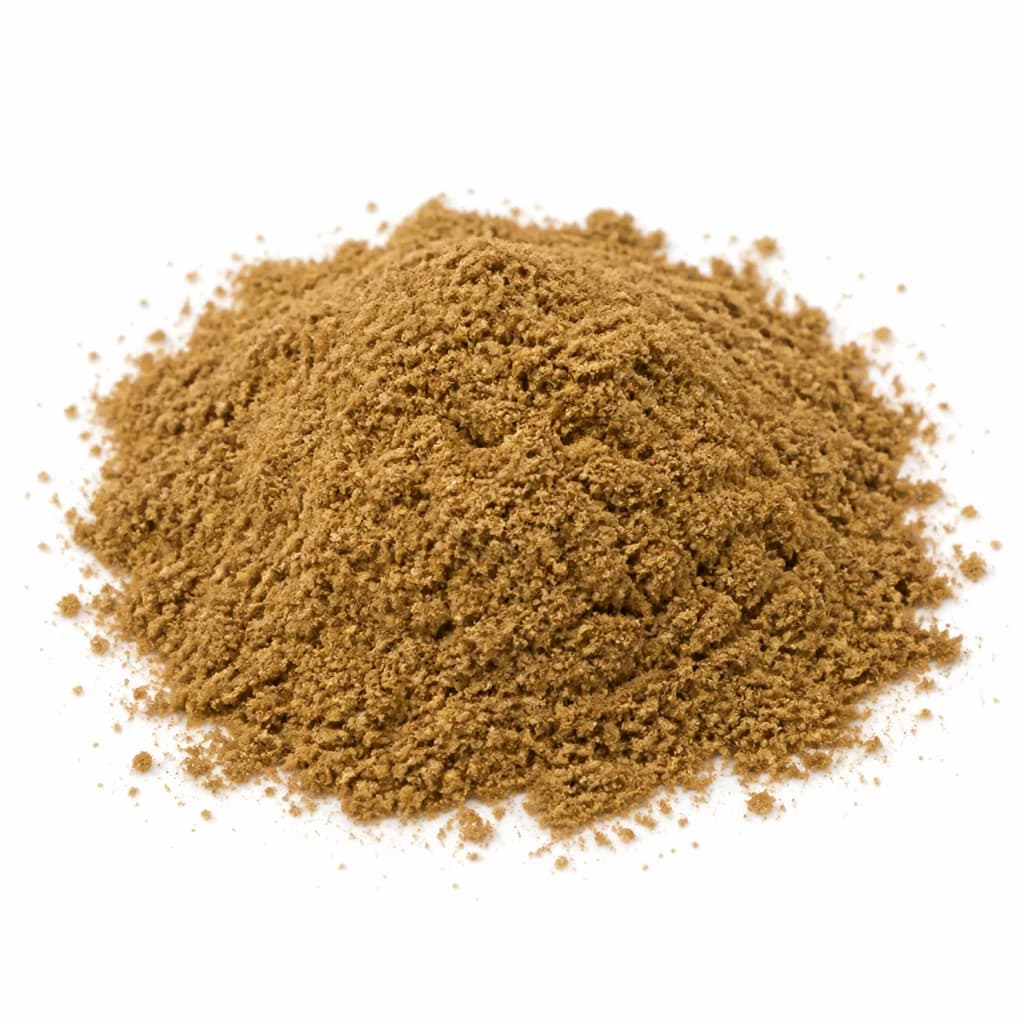
Cumin
Warm, earthy spice central to curries, chili, and tacos
Coriander Seed
Citrusy, warm seed for curries, pickles, and rubs
Turmeric
Golden, earthy spice for curries, rice, and color