
Natural form
Whole raw pig's ear showing the distinctive folded cartilage and skin structure.
Shows the reader the raw ingredient as purchased, making the anatomy and scale unmistakable before any preparation.
Proteins
Pig's Ear (Mimigaa)
Cartilaginous pork ear, boiled then sliced for a crunchy, gelatinous texture.
Pig's ear is a cut of skin and cartilage prized for its crunchy-yet-gelatinous texture once cooked. It is boiled until tender then thinly sliced and dressed cold (Okinawan mimigaa), braised, or fried crisp. It appears in Chinese, Okinawan and Spanish cooking, taking on the seasonings it is paired with.
Pig's ear is a cartilaginous cut that contains more collagen than actual meat—nearly the entire structure is connective tissue. This makes it behave unlike almost any other pork cut: raw, it is firm and rubbery, but with prolonged, gentle moist heat, the collagen dissolves into rich gelatin, leaving behind something silky and yielding. When grilled or torched after cooking, the outer skin crisps dramatically while the interior stays tender and slightly bouncy. The flavor is mild and savory, readily absorbing whatever seasonings or sauces surround it. Across Asian, European, Latin American, and Filipino traditions, this dual texture—silken within, shattering without—is precisely what makes it prized rather than overlooked as an odd cut. In Japan it is called buta no mimi (豚の耳), served simmered or grilled and salted as bar snack. In Korea it enriches stews and appears in japchae. Filipino cuisine grills and slices it for sizzling plates. The lesson for any cook: pig's ear rewards patience and heat discipline; it punishes haste and boiling agitation.
- Measured in
- g
- Storage
- Fridge
Types & varieties
Most common form; requires the most thorough cleaning effort before cooking
Easier to clean and portion; identical culinary behavior and uses
Available at some Asian markets; still rinse well before cooking as a precaution
Why collagen is the whole story
Pig's ear is roughly 80% cartilage and connective tissue by weight, meaning it is almost entirely collagen. Raw collagen is dense and rubbery—unappetizing and nearly inedible. But applied to sustained, gentle heat in the presence of moisture, collagen hydrolyzes into gelatin, the same protein that gives a good stock its body and mouthfeel. This transformation is what you are cooking toward. The ear does not 'tenderize' in the way a muscle cut does; it restructures itself entirely. That is why aggressive boiling, which can make cartilage mealy and tough rather than yielding, is the wrong approach. A bare simmer—single bubbles breaking the surface—is what you want. Two to three hours at this level, and a skewer slides through without resistance. The result is something that genuinely changes character: from raw oddment to silken, yielding, deeply savory mouthful.
- Collagen conversion begins around 160°F (71°C) and accelerates with sustained gentle heat
- Aggressive boiling can cause the cartilage to become grainy and tough rather than bouncy
- A skewer test is the most reliable doneness indicator—insert near the thickest part of the cartilage
The cleaning imperative
No cooking technique rescues a poorly cleaned pig's ear. Any hair, soot, or debris remaining on the surface will be present in the final dish. The process takes 15–20 minutes but cannot be rushed. Start by soaking the ear in cold salted water for 30 minutes—this loosens debris and begins drawing out blood. Scrub every crevice with a stiff brush under cold running water, paying particular attention to the folds where the ear curves. A kitchen torch passed quickly over the surface singes any remaining fine hairs. Alternatively, dip the ear briefly in boiling water for 10 seconds, then scrape immediately with a knife or the edge of a spoon. Some cooks do both: torch first, then a quick dip and scrape. Rinse again after any singeing step. The ear should be pale, clean, and smooth before it enters any pot or onto any grill.
- Cold salted water soak: 30 minutes minimum before scrubbing
- Singe remaining hairs with a torch or brief boiling water dip plus scraping
- Always rinse after singeing to remove any burnt residue
- Visual inspection under good light is essential—shadowed crevices hide debris
Common uses
Tips & pitfalls
- Soak in cold salted water for 30 minutes, then scrub with a brush under running water to remove all hair and debris
- Use a torch or dip briefly in boiling water then scrape to remove any remaining hairs after cleaning
- Simmer rather than boil — rolling boil makes the cartilage mealy; gentle bubbles keep it pleasantly bouncy
- Score the outer skin before cooking so marinades penetrate and fat renders evenly
- For crispy results, dry completely after cooking, then grill or torch over high heat
- The ear is done when a skewer meets no resistance — typically 2–3 hours at a bare simmer
- Add to stews early so collagen fully converts to gelatin and enriches the broth
- Slice thinly and on the bias through the cartilage for cleaner cuts
Nutrition
Energy
105 kJ · per 100 g
Where the calories come from
Protein
0.5g
1% DV
Carbs
6.8g
2% DV
Fat
0g
0% DV
Sodium
9mg
0% DV
Source · USDA FoodData Central · approx. Jew's ear, (pepeao), raw
View on FDC →In the shops
Matched grocery products
No matched grocery products for Pig's Ear (Mimigaa) yet.
Good to know
- Type
- Cartilaginous pork cut, nearly all connective tissue
- Primary attribute
- High collagen content; tender with long cooking, crispy when seared or grilled
- Typical preparation
- Cleaned thoroughly, then simmered 2–4 hours, braised, or grilled
- Yield
- 60–70% cooked weight after braising; nearly 100% when grilled
- Difficulty
- Moderate — thorough cleaning is essential and time-consuming
- Storage
- Fresh: refrigerate up to 2 days, freeze up to 3 months; cooked: refrigerate 3–4 days
- Equipment
- Sharp knife, kitchen torch or grill, heavy pot or Dutch oven for braising
- Flavor
- Mild, savory, slightly porky; readily absorbs surrounding seasonings
Substitutes
- Pig's trotter — Similar collagen content and cooking behavior; longer cooking time needed to achieve comparable yield
- Beef tendon — Comparable gelatinous texture; slightly different flavor; widely available at Asian markets
- Chicken feet — Similar textural result in stocks and braises; faster cooking time due to smaller size
- Pork jowl — Fattier substitute; excellent for richness but won't crisp the same way
Also called
Mimigaa
Appears in these dishes
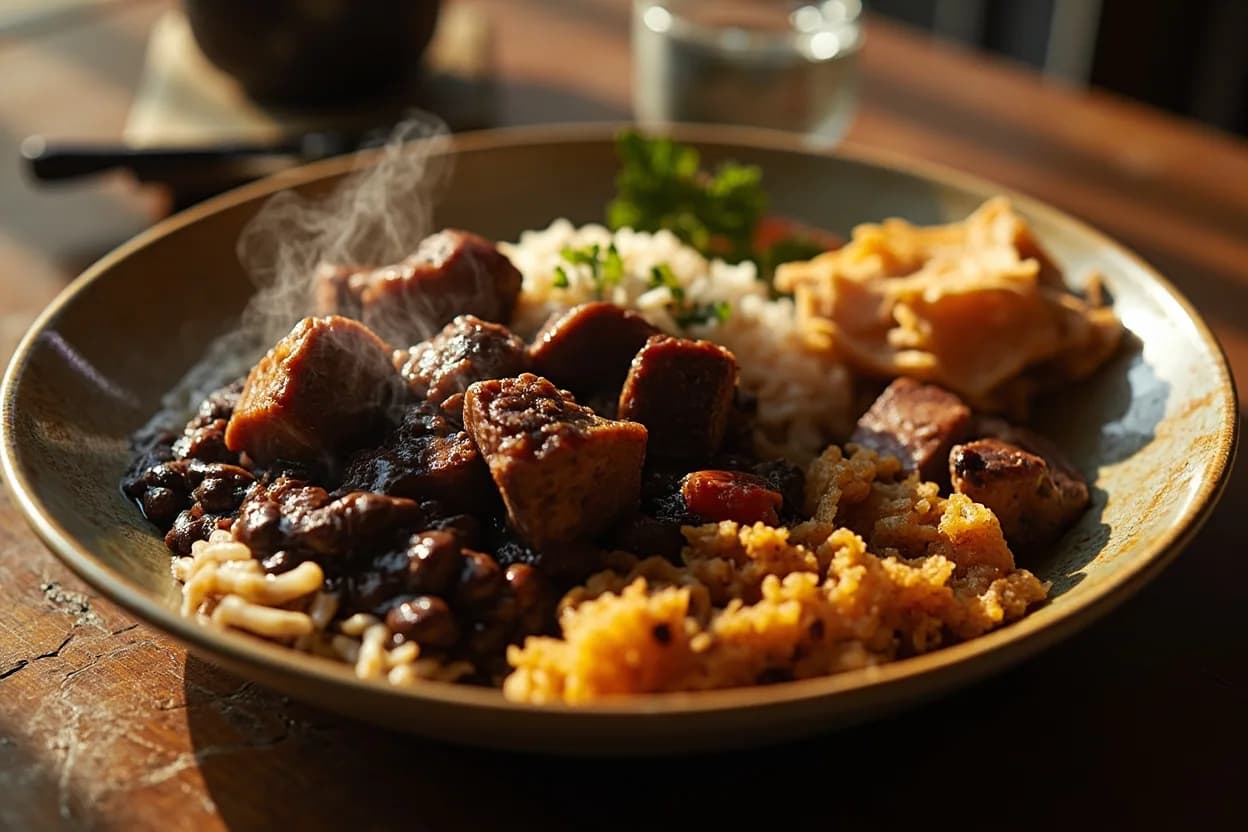
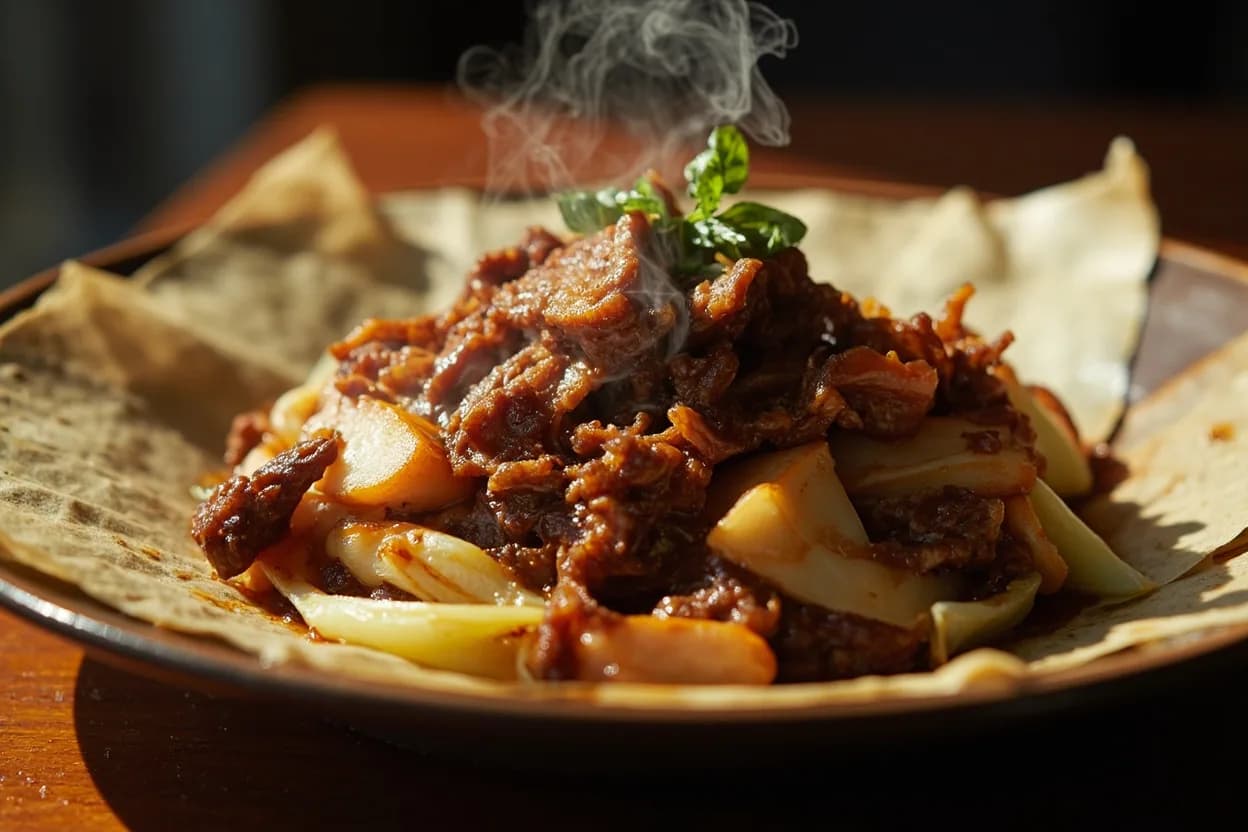
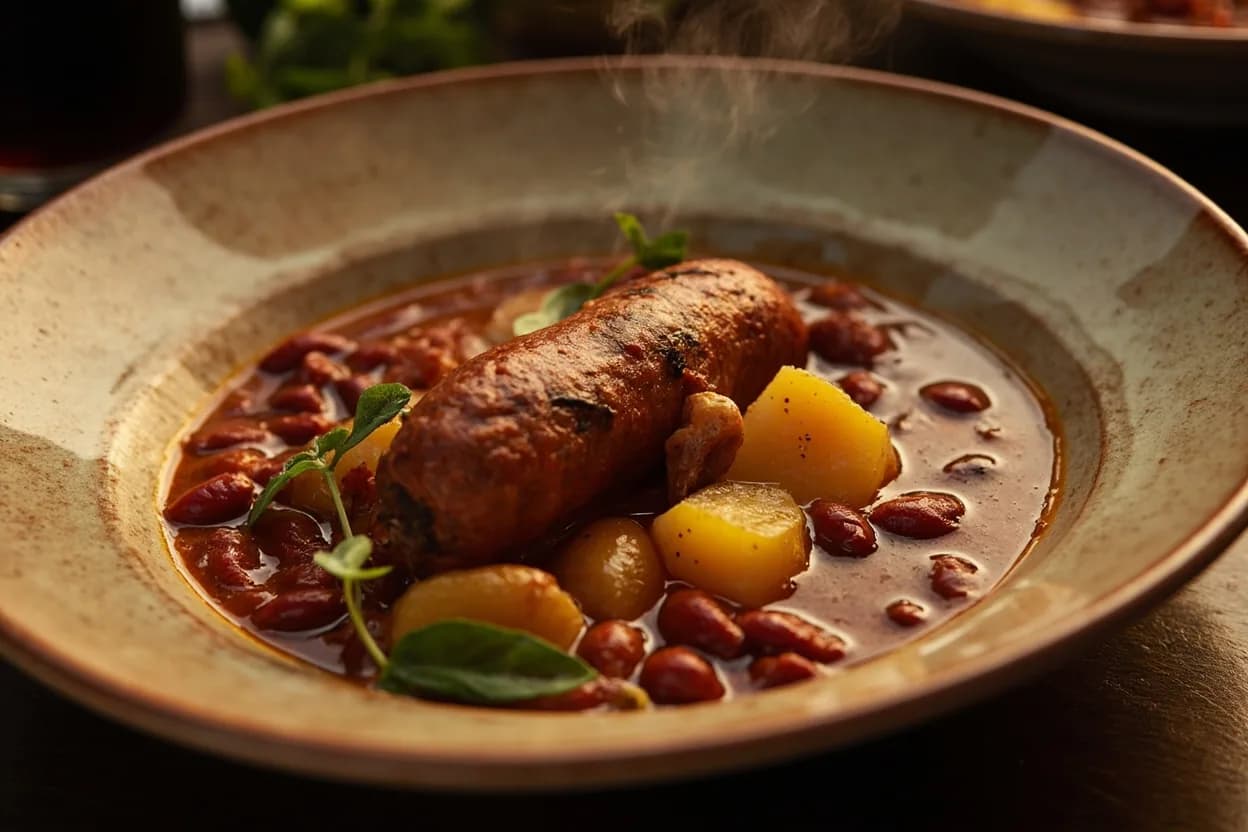
Related
Egg
The kitchen's everything ingredient — bind, leaven, enrich, or fry
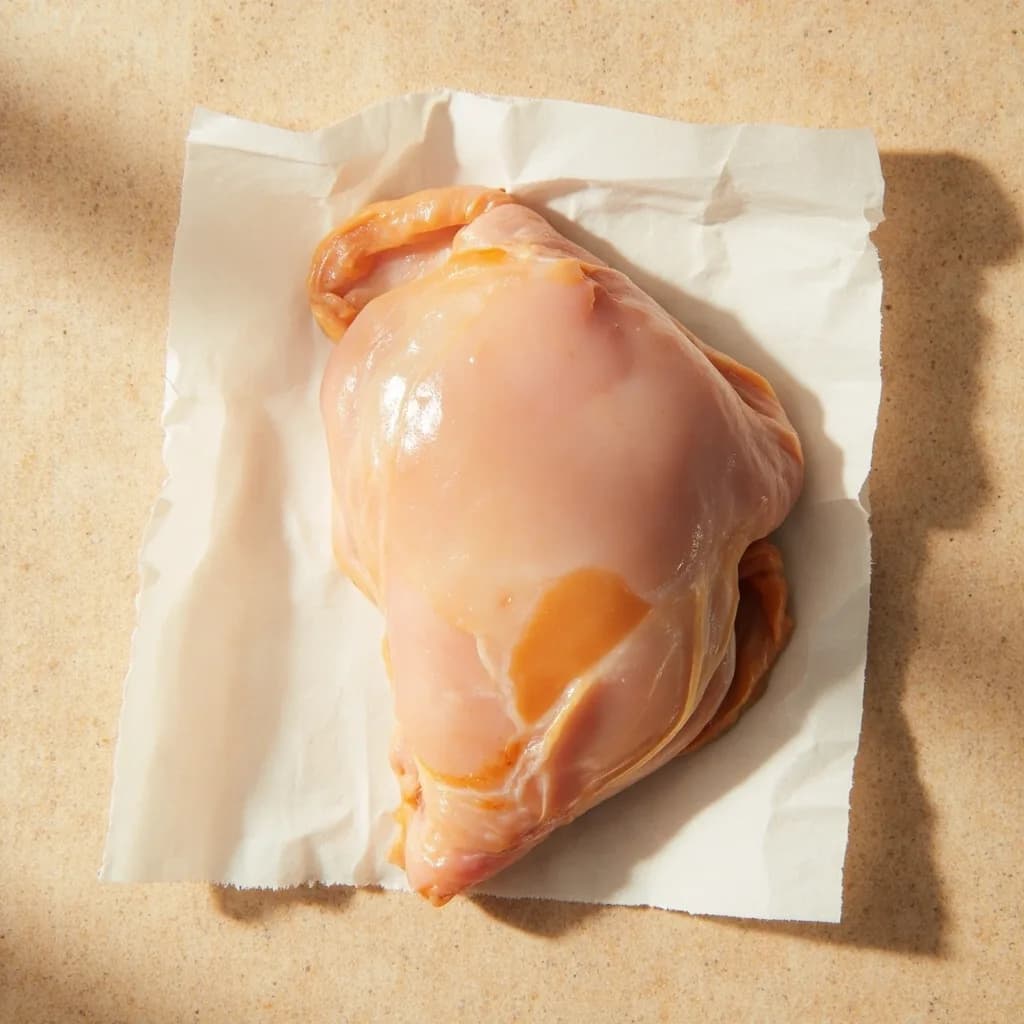
Chicken Breast
Lean, quick-cooking white meat for everyday dinners

Ground Beef
Versatile minced beef for burgers, ragù, tacos, and meatballs
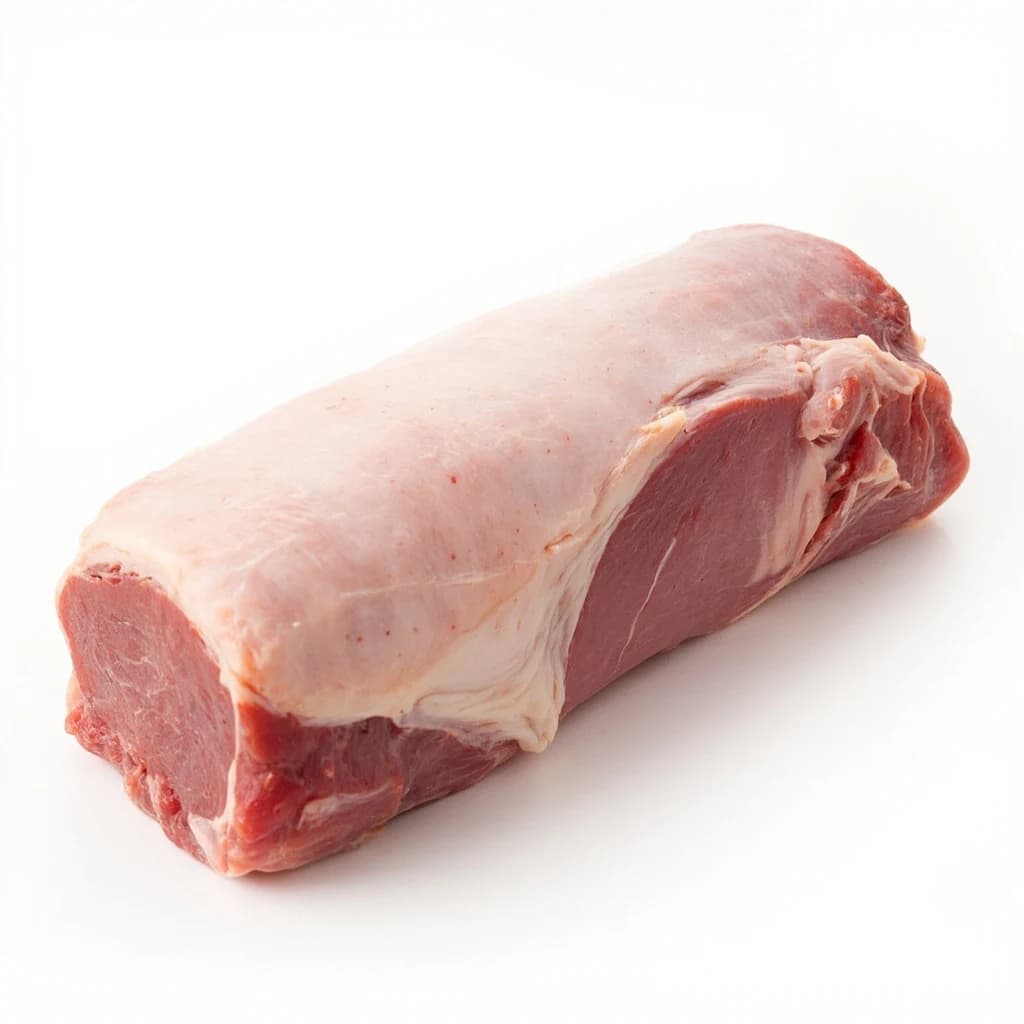
Pork Loin
Lean, tender roasting cut that stays juicy with care
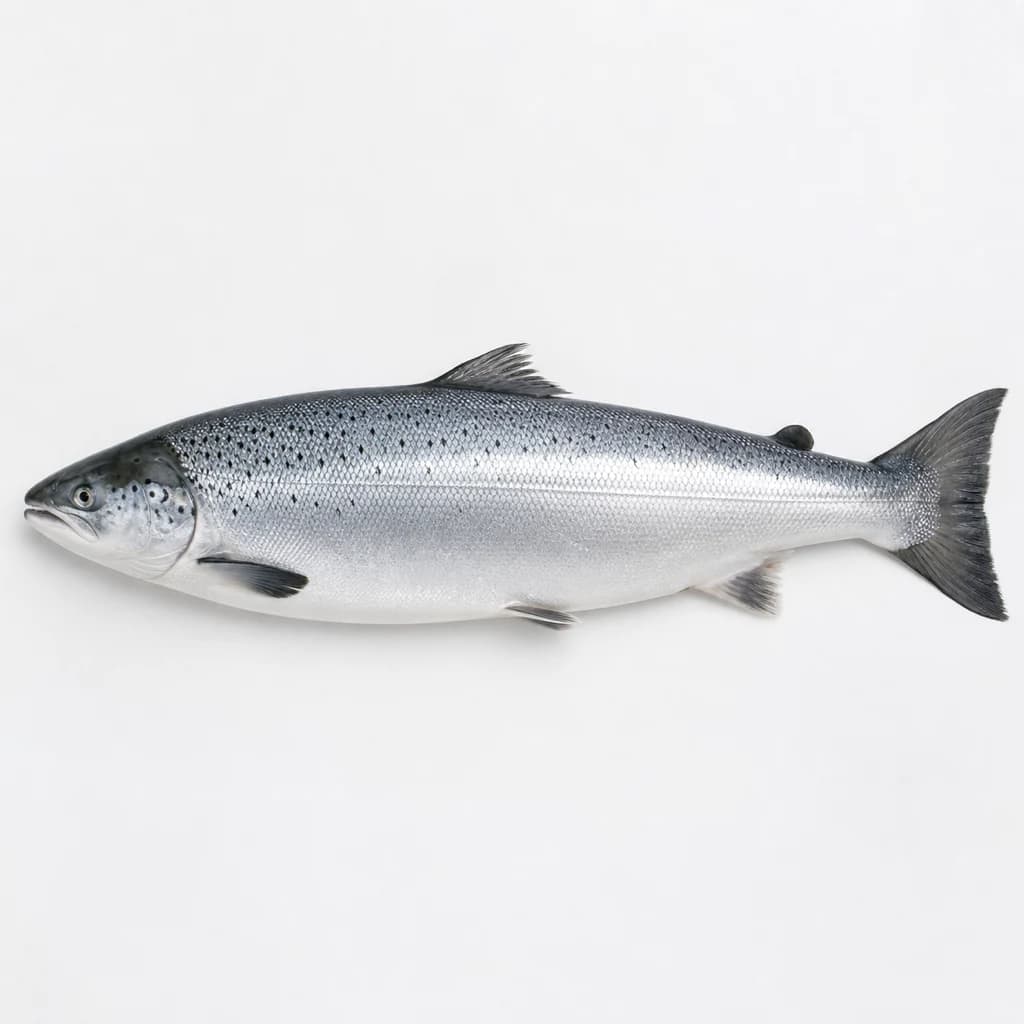
Salmon
Rich, rosy fish that roasts, grills, or cures beautifully

Egg White
Pure protein that whips to airy peaks for meringue and more
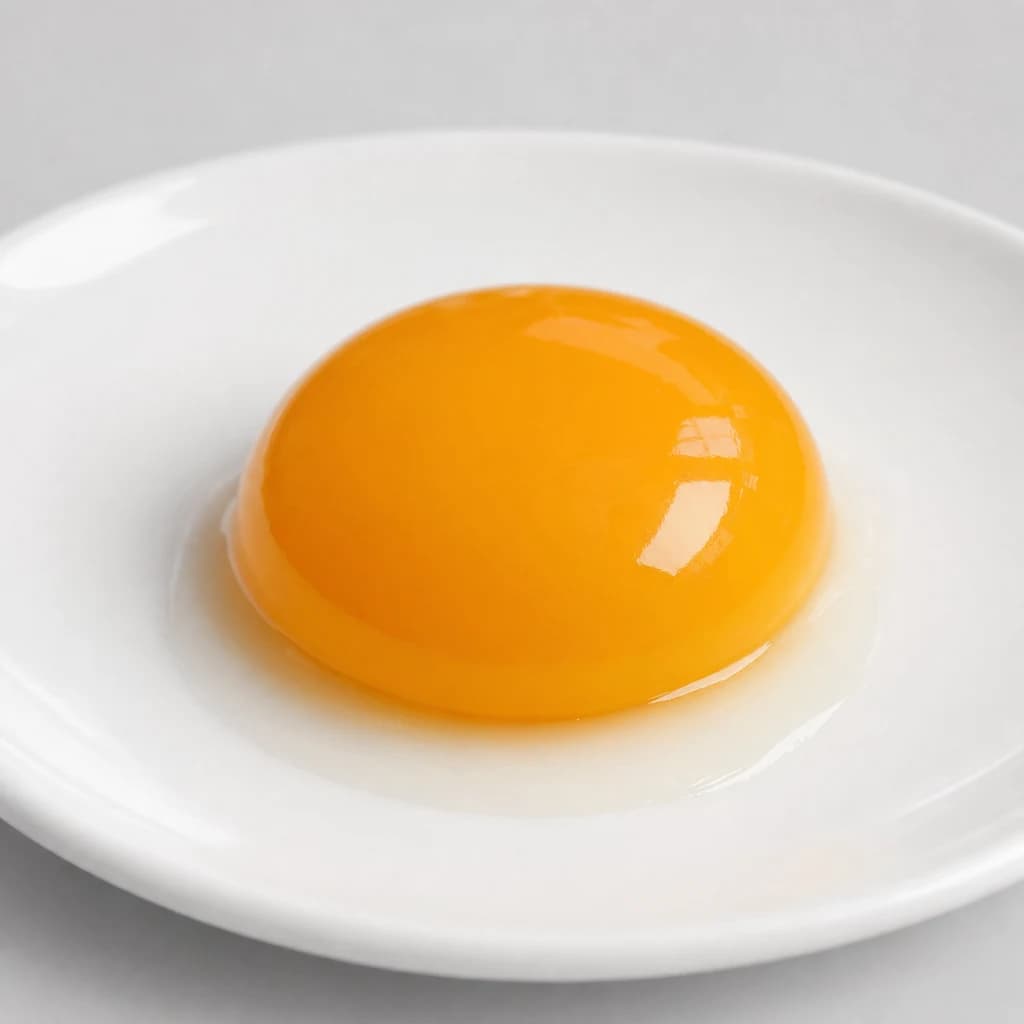
Egg Yolk
Rich, golden yolk for custards, mayonnaise, and pasta

Quail Egg
Tiny, speckled eggs for garnishing and elegant bites