
Natural form
Raw salted pig tails, bone-in, showing their curved shape and grey-pink brine-cured exterior.
Shows the ingredient's unmistakable physical form — the curved bony tail shape and brine-cured coloration — so a reader can identify it at market or in a package.
Proteins
Pig Tail (Salted)
Salted, gelatinous pork tail added to soups and stews for richness.
Salted pig tail is a fatty, gelatin-rich cut cured in brine, used across Caribbean and Southern cooking. It is added to peas and rice, callaloo, soups and braises, where the collagen enriches the broth and the salt seasons the pot. It must often be boiled and rinsed first to reduce saltiness.
Salted pig tail is a traditional cured pork product consisting of the entire tail section of a pig, preserved through dry salting with optional nitrates for color retention and occasional smoking for additional depth. The tail ranges from 4 to 8 inches long and comprises layers of fat, meat, skin, and cartilage surrounding small bones. What makes this ingredient remarkable is its exceptionally high collagen content, which transforms during prolonged, moist cooking into a silky, unctuous gelatin that enriches and body-ifies everything it touches. The fat content is high—approximately 35–40% by weight—but it renders slowly, building depth without overwhelming. This is not a garnish or a finishing ingredient; it is a foundational element that builds entire pots of food from the inside out.
The ingredient is indispensable across several iconic culinary traditions: Caribbean pepperpot and salt fish stews, Portuguese feijoada, Greek fasolada, Southern US soul food bean pots and collard greens, and Filipino nilaga and sinigang. Each tradition treats the tails slightly differently—some smoke them first, some cure with five-spice, some add them whole to a pot of beans and discard the bones before serving—but all rely on their singular ability to deliver deep porky flavor, natural gelatinous body, and saltiness that builds over a long simmer without the meat falling apart. Once you understand how to prep and cook them properly, salted pig tails become an economical secret weapon for building richness in dishes that would otherwise require expensive fresh meat.
The critical principle is patience in two stages: first, thorough soaking (minimum 4 hours, ideally overnight) in cold water to draw out excess sodium—salted pig tails are intensely salty straight from the cure and would ruin a dish without this step—and second, extended cooking (2–4 hours minimum) to fully dissolve the collagen into that characteristic silky body. The skin, cartilage, and fat render down completely tender; the small bones become soft enough to eat; the meat itself stays intact on the bones rather than shredding apart. This structural integrity makes the tails easy to remove at serving time if desired, leaving behind their flavor and gelatin without visible evidence.
- Measured in
- g
- Storage
- Fridge
Types & varieties
Basic dry-curing in salt; may include minimal seasonings; the most common and widely available variety
Cold-smoked after salting; adds mild smokiness; traditional in Southern US and Portuguese preparations
Sold intact with rind attached; preferred for maximum gelatin yield and structural integrity during cooking
Halved lengthwise by the butcher; easier to portion and to inspect for any remaining hairs; identical in flavor to whole tail
Partially desalted by the producer; reduces prep time but still rinse and check salt level before using
Cured with five-spice, soy sauce, or star anise; more aromatic profile; common in Chinese and Filipino preparations
Finding and Selecting Salted Pig Tails
The ingredient is no longer confined to specialty ethnic markets, but your best selection and lowest prices will still come from Latin, Caribbean, Filipino, or Portuguese grocery stores. Look for tails that are firm, with clear demarcation between the white fat layer and the leaner meat sections. Avoid any with a grayish discoloration, a sour smell, or dried-out edges—the fat should appear creamy white to pale pink. Vacuum-sealed packages at mainstream grocers offer convenience. If buying from a butcher counter, ask for skin-on whole tails for the best gelatin yield; split tails are fine for portioning purposes but offer no flavor advantage.
- Pre-soaked tails are convenient but often more expensive; traditional dry-cured tails require more prep time
- Frozen salted tails work perfectly well; thaw in the refrigerator overnight before soaking
The Soaking Process
This is the step most cooks skip or rush, and it is the primary cause of ruined dishes. Salted pig tails must be soaked in cold water to draw out excess sodium before cooking. The minimum is 4 hours, but overnight (12–24 hours) produces far better results, especially for heavily cured specimens.
- Use a large container or bowl of cold water—enough to fully submerge the tails
- Change the water once or twice during soaking; the liquid will become cloudy with drawn salt
- For a quick alternative: parboil the tails in fresh water for 10 minutes, discard the liquid, then proceed with your recipe
- After soaking, scrub each tail under cold running water with a vegetable brush to remove any brine residue
Cooking to Full Gelatin Extraction
The transformation of tough collagen into silky gelatin requires sustained moist heat. A minimum of 2–3 hours of simmering is needed for basic softening, but 4 or more hours yields the characteristic rich, body-building quality that defines dishes made with pig tails. The fat renders progressively, the skin becomes completely tender, and the surrounding liquid takes on a glossy, unctuous quality that no amount of added butter or oil can replicate.
- Add soaked, rinsed tails at the very beginning of your cooking process—beans, stews, soups, or braises
- Maintain a gentle simmer; a hard boil will toughen the remaining meat and cloud the broth
- The tails can be removed after cooking if you want the flavor without the visual presence; the liquid retains all the body
- Bones become soft enough to eat but can be picked out and discarded if preferred
Common uses
Tips & pitfalls
- Always soak salted pig tails for at least 4 hours in cold water, changing the water once or twice—this is non-negotiable for controlling saltiness
- Parboil the tails for 10 minutes in fresh water if you are short on soaking time; discard that water and proceed with your recipe
- After soaking, scrub each tail under cold running water with a brush to remove brine residue or any remaining impurities
- Add tails at the start of cooking—they need 2–4 hours of simmering to fully render their collagen into silky gelatin
- The skin, cartilage, and fat become completely tender; the small bones are edible but soft; do not expect firm, meaty chunks
- If your dish becomes too salty despite soaking, drop in a peeled potato for 20 minutes to absorb excess salt, then discard it
- Use only 1–2 tails for a large pot of beans or stew serving 6–8 people—they are intensely flavorful and fatty
- Store leftover cooked tails submerged in their cooking liquid; the gelatinous broth will set firmly when cold and keep for 5–7 days
- For a lighter result, remove the skin after cooking—the fat renders into the dish regardless, providing depth
- Never substitute fresh (uncured) pork tail—it lacks the saltiness, preservation, and complex cured flavor that defines the ingredient
- The cooking liquid is gold: strain and reserve it as a pork stock base for future soups, risottos, or braises
Nutrition
Nutrition
No USDA FoodData Central match for Pig Tail (Salted) yet. We surface a per-100 g profile once a generic whole-food entry is matched and verified.
In the shops
Matched grocery products
No matched grocery products for Pig Tail (Salted) yet.
Good to know
- Type
- Cured pork product (whole or split tail with skin, fat, and bone)
- Curing Method
- Dry salt-cured; may include nitrates for color, sugar, and spices; some varieties are cold-smoked
- Typical Length
- 4 to 8 inches (10–20 cm)
- Fat Content
- High; approximately 35–40% fat by weight
- Collagen Content
- Very high; fully dissolves into gelatin with 2–4 hours of moist heat
- Sodium Content
- Significant; reduced by soaking before use
- Where to Buy
- Latin, Caribbean, Filipino, and Portuguese markets; specialty butchers; vacuum-sealed packaging increasingly common
- Prep Required
- Soak 4–24 hours in cold water (change once or twice); optional parboil to accelerate desalting
Substitutes
- Salt Pork — Cured pork belly strip; provides similar saltiness and richness but has a different texture (fatty with streaks of lean); soak before use
- Smoked Ham Hocks — Similar gelatin content and smoky depth; a different pork cut but very effective in bean and soup applications; excellent substitute overall
- Pork Neck Bones — Good substitute for body and flavor in stocks and soups; less fat than tails and the pieces are smaller; still excellent for building unctuous broths
- Pancetta — Cured pork belly; milder pork flavor without the same gelatinous quality; does not provide body; best for Italian applications where texture matters less
- Turkey Legs (smoked) — Provides gelatin and body for non-pork alternatives; the flavor profile is entirely different but functional in soups and stews
- Fresh Pork Tail (uncured) — Not a true substitute—lacks the saltiness and cured flavor complexity; only viable if you plan to cure it yourself first
Pairs with
Also called
Salted Pork Tail
Appears in these dishes
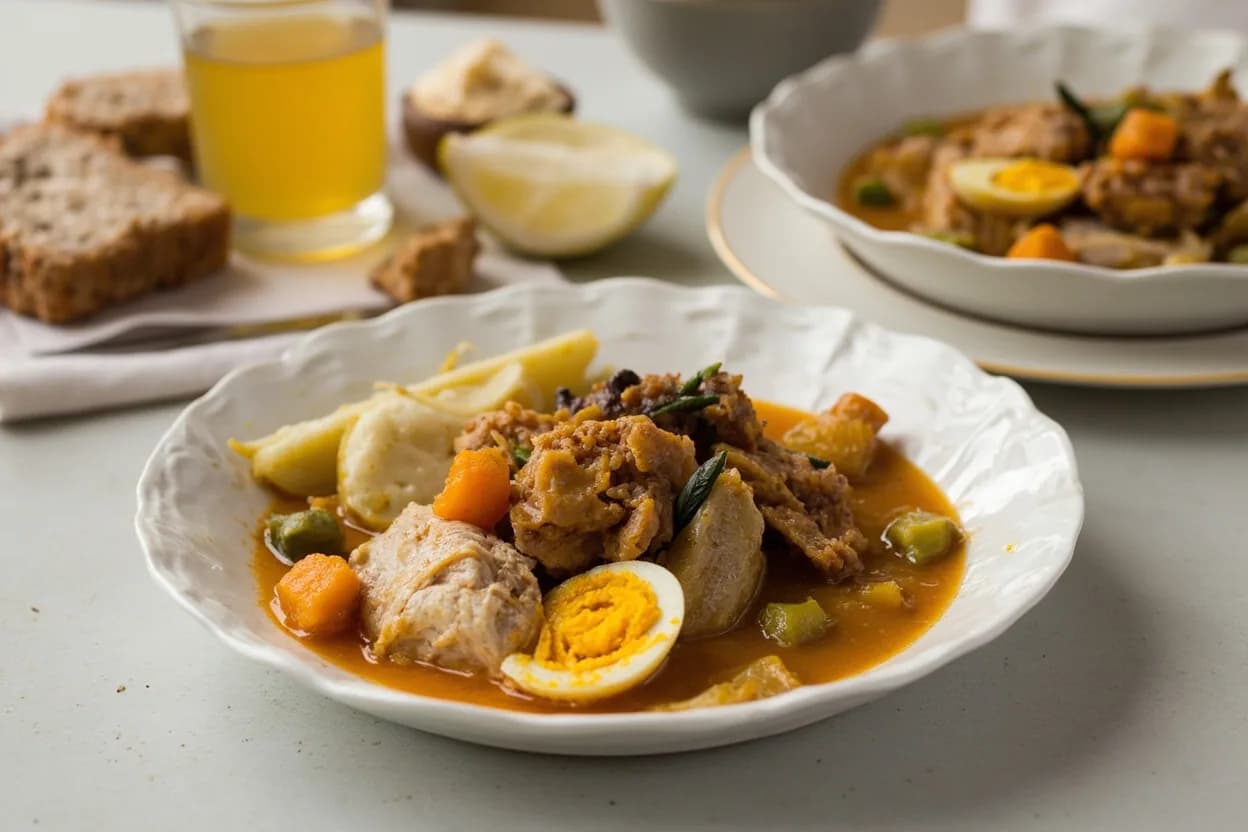
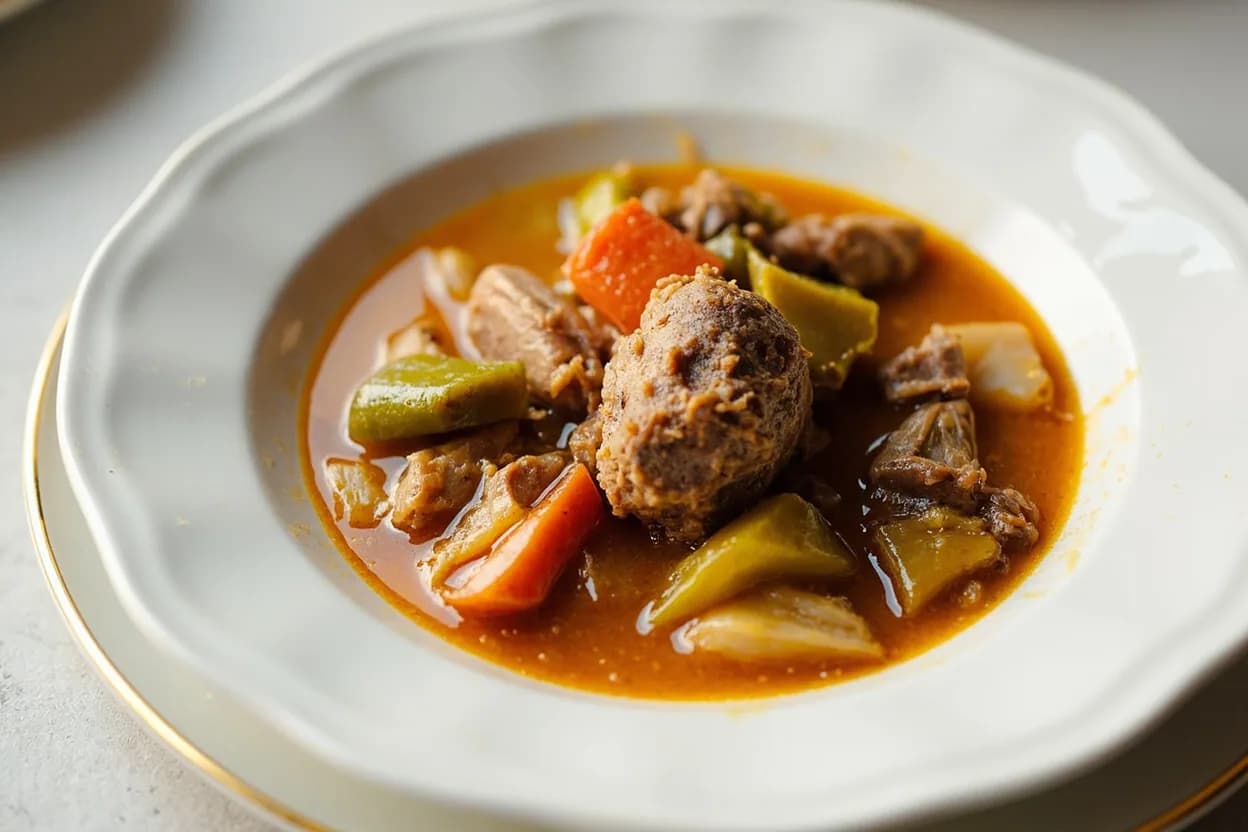
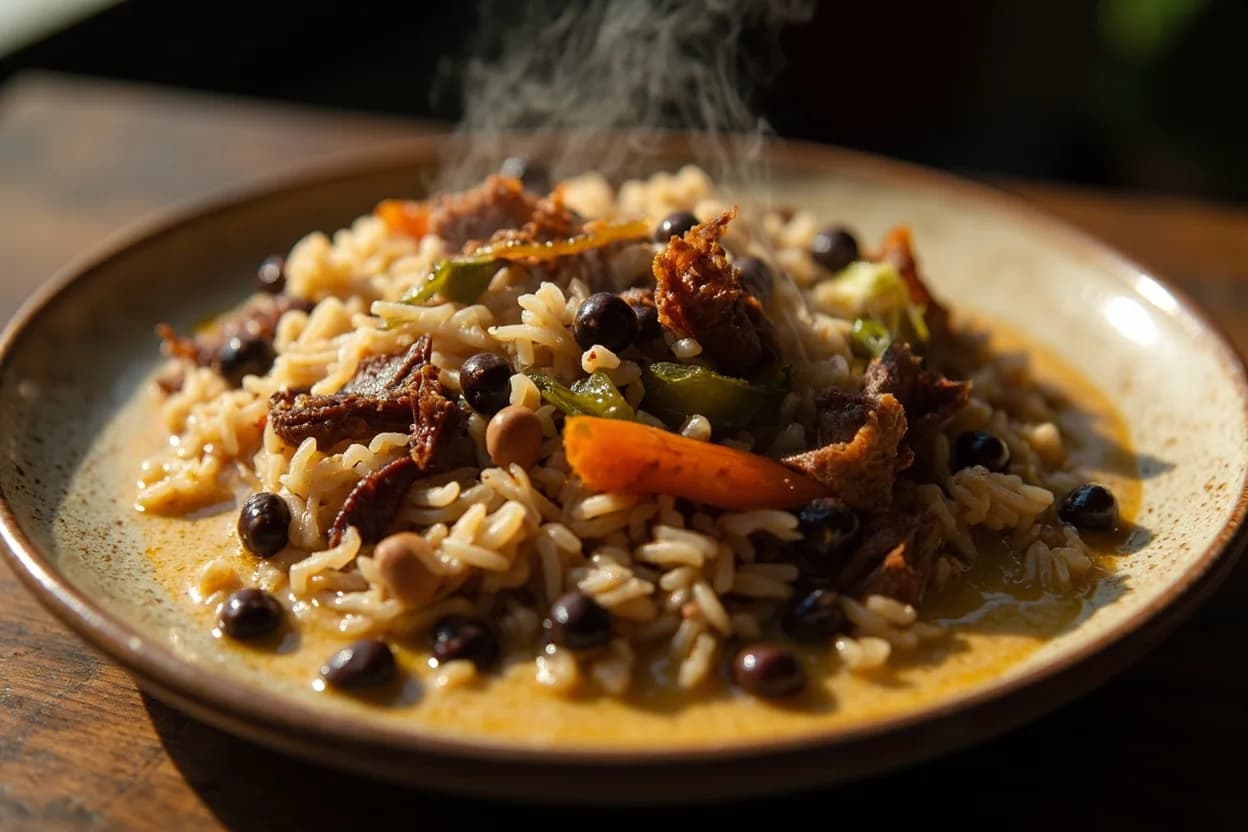
Related
Egg
The kitchen's everything ingredient — bind, leaven, enrich, or fry
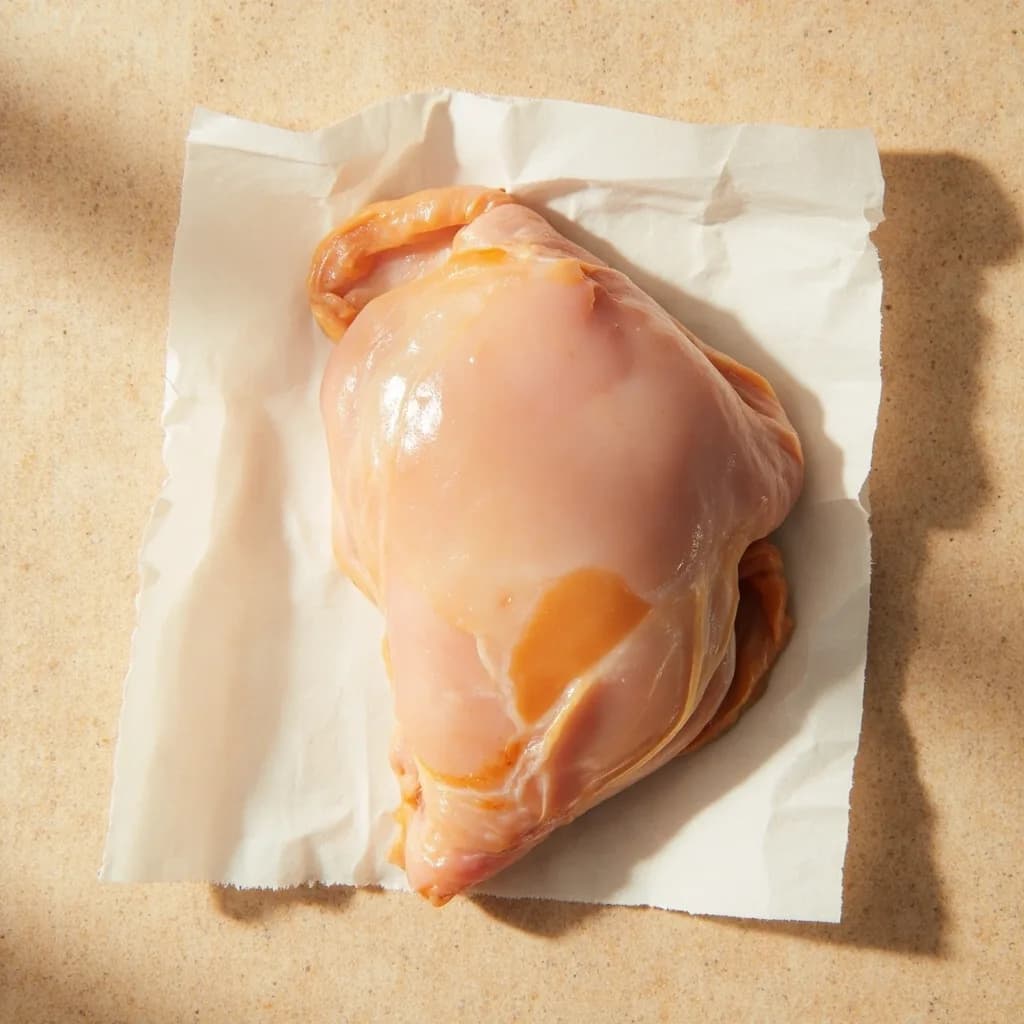
Chicken Breast
Lean, quick-cooking white meat for everyday dinners

Ground Beef
Versatile minced beef for burgers, ragù, tacos, and meatballs
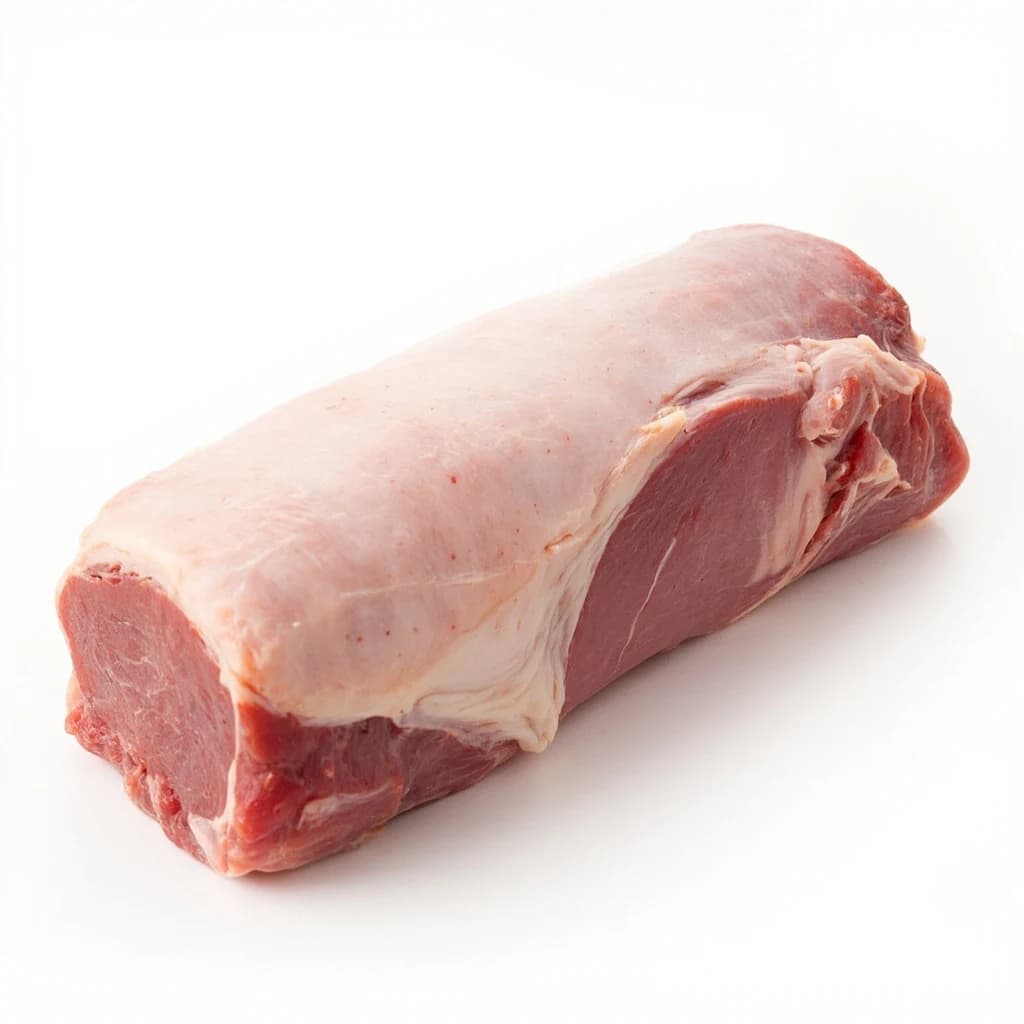
Pork Loin
Lean, tender roasting cut that stays juicy with care
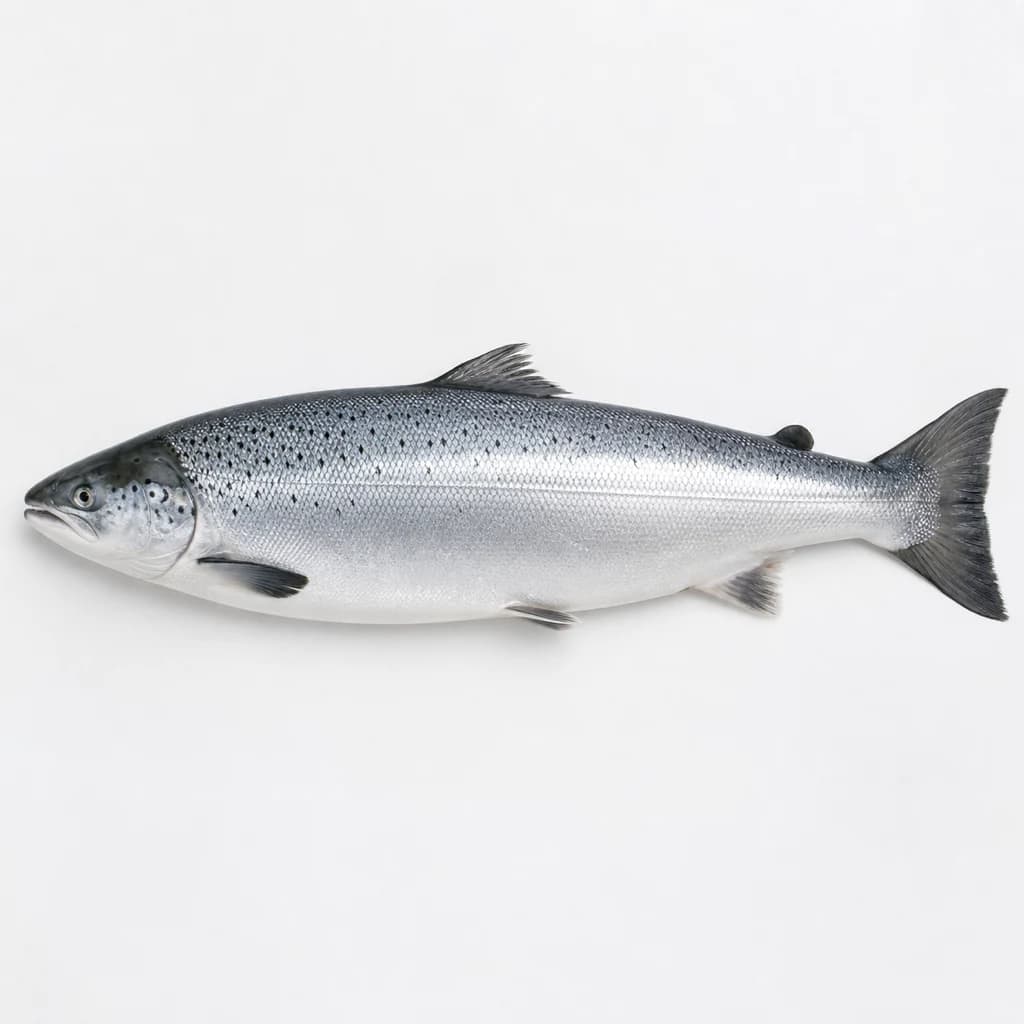
Salmon
Rich, rosy fish that roasts, grills, or cures beautifully

Egg White
Pure protein that whips to airy peaks for meringue and more

Egg Yolk
Rich, golden yolk for custards, mayonnaise, and pasta

Quail Egg
Tiny, speckled eggs for garnishing and elegant bites