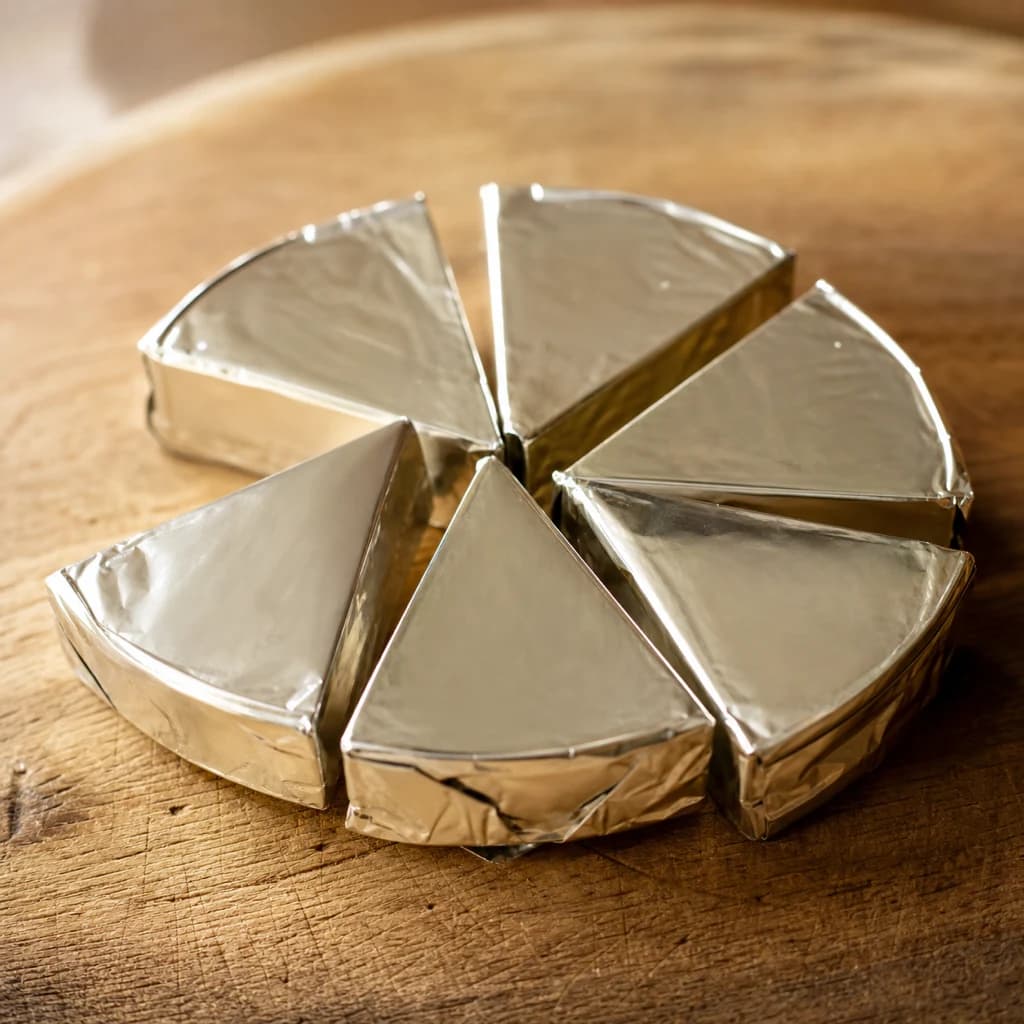
Natural form
Foil-wrapped processed cheese wedges fanned out on a wooden board, ready to unwrap.
Shows the most recognizable retail form — individual foil-wrapped triangular wedges — teaching readers exactly what to look for in stores.
Dairy & Eggs
Processed Cheese
Smooth, shelf-friendly cheese blended with emulsifiers; spreadable wedges and creamy melts.
Processed cheese is made by blending natural cheese with emulsifying salts and other dairy to create a smooth, consistent product that melts evenly and keeps well. It comes as spreadable wedges, foil triangles, and slices, and is used in sandwiches, dips, sauces, and on bread. Brands like Laughing Cow and plavleny syr are mild, creamy, and very stable.
Processed cheese is a stabilized blend of natural cheeses—typically cheddar, colby, swiss, or brick—combined with emulsifiers such as sodium citrate, phosphates, or tartaric acid esters, along with whey proteins, flavorings, and often colorants. Developed in Switzerland in 1911 and commercialized by James L. Kraft in the United States starting in 1915, it was invented to solve two persistent problems: natural cheese spoils quickly and behaves unpredictably in mass-production cooking. The emulsifiers bind with the cheese proteins and fats, creating a stable emulsion that resists separation when heated. This gives processed cheese its defining characteristic: it melts at lower temperatures than natural cheese and produces a smooth, glossy, clump-free result every time. The flavor is intentionally milder and less complex than aged natural cheeses, which many cooks consider a limitation—but that mildness is precisely what makes processed cheese useful in applications where you want cheese to contribute texture and richness without dominating other flavors.
- Measured in
- g
- Storage
- Fridge
Allergens
Types & varieties
Most common US variety; typically a blend of cheddar and colby; pale orange or white; sold as slices, blocks, or shreds
Pre-sliced individual portions; individually wrapped; most commonly labeled "American cheese"
Soft, pliable processed cheese sold in rectangular loaves; spreads easily at room temperature
Softer texture; examples include Cheez Whiz (whipped processed cheese spread) and similar jarred or canned products
Brand name now used generically; a smooth, melt-friendly processed cheese loaf; technically a "Pasteurized Process Cheese Spread"
French spreadable processed cheese; sold in foil-wrapped wedges; softer and more mild than block processed cheese
Small, round, wax-coated processed cheese; versions include original, light, and flavored varieties
Processed mozzarella-style cheese designed to peel into strings; popular as a snack
Processed cheese with smoke flavoring or actually smoked during processing; has a distinct brownish color and smoky taste
Formulated with fat replacers and additional protein to mimic texture; melting behavior may differ from full-fat versions
Common uses
Tips & pitfalls
- Add 1–2 tablespoons of milk, cream, or white wine per cup of shredded processed cheese when making a sauce—this improves smoothness and prevents the sauce from becoming stiff as it cools
- Use medium heat and stir frequently when melting; high heat causes proteins to seize and creates a rubbery, grainy texture
- Combine processed cheese with an equal amount of a more flavorful natural cheese (gruyère, aged cheddar, fontina) to get reliable melt with better flavor depth
- Add a small amount of butter or margarine to processed cheese when melting it—this helps moderate the heat and can improve the final texture of sauces
- Remove from heat just before it reaches desired consistency; the sauce will continue to thicken as it cools
- Processed cheese browns less than natural cheese under a broiler due to added moisture—do not expect significant browning or blistering
- If the cheese becomes grainy from overheating, fix it by adding a splash of cold liquid and whisking vigorously while reheating gently
- Grate refrigerated processed cheese on the coarse side of a box grater for faster and more even melting in sauces
- Cut processed cheese into uniform pieces to ensure even melting in any application
- Store opened packages tightly wrapped or in an airtight container to prevent drying out and absorbing refrigerator odors
Nutrition
Energy
1234 kJ · per 100 g
Where the calories come from
Protein
7.1g
14% DV
Carbs
3.5g
1% DV
Fat
28.6g
37% DV
Fiber
0g
0% DV
Sugars
3.5g
of which
Sodium
436mg
19% DV
Source · USDA FoodData Central · Cheese spread, cream cheese base
View on FDC →In the shops
Matched grocery products
No matched grocery products for Processed Cheese yet.
Good to know
- Composition
- Blend of natural cheeses (cheddar, colby, swiss, or brick), emulsifiers (sodium citrate, sodium phosphate, disodium phosphate, tartaric acid esters), whey proteins, and often added flavorings and colorants
- Origin
- Switzerland, 1911; Walter Gerber and Heinrich J. Schärer filed the first patent; James L. Kraft developed the process in the US around 1915, introducing prepackaged sliced processed cheese in 1916
- US regulation
- "Processed cheese" must contain ≥51% cheese by weight; "cheese food" and "cheese product" contain less; "imitation cheese" contains no natural cheese
- Melting behavior
- Melts at lower temperatures than natural cheese; emulsifiers prevent fat separation and protein clumping; produces smooth, glossy sauces without graininess
- Shelf life
- Sealed packages: 6–9 months; opened: 3–4 weeks refrigerated
- Common forms
- Pre-sliced singles, block, loaf, spread, spray-can (whipped), and shreds
- Storage
- Refrigerate after opening; keep tightly wrapped to prevent drying and absorbing odors
- Color
- Pale orange (American-style, colored with annatto) or white (uncolored varieties)
Substitutes
- Natural Cheddar — Good flavor but requires help to melt smoothly; add a teaspoon of lemon juice or white wine per cup to improve melt; will not be as glossy as processed
- Gruyère — Excellent melting cheese with rich, nutty flavor; ideal for fondues, gratins, and sandwiches; more expensive but superior flavor
- Fontina — Italian cheese that melts exceptionally smoothly; mild to medium flavor; good for sauces and grilled sandwiches
- Monterey Jack — Mild, buttery cheese that melts well; good for cheese sauces and Southwestern dishes; blend with a sharper cheese for more flavor
- Colby — American cheese with mild, slightly sweet flavor; similar to processed American but made from real cheese; melts acceptably on its own
- Muenster — Smooth melting, mild flavor; works as a direct substitute in many applications; acceptable for nachos and burgers
Also called
Plavleniy Syr · La Vache Qui Rit (Laughing Cow) · Laughing Cow Cheese · Cheese Spread
Appears in these dishes
Related

Whole Milk
Rich, full-fat milk for drinking, coffee, sauces, and baking
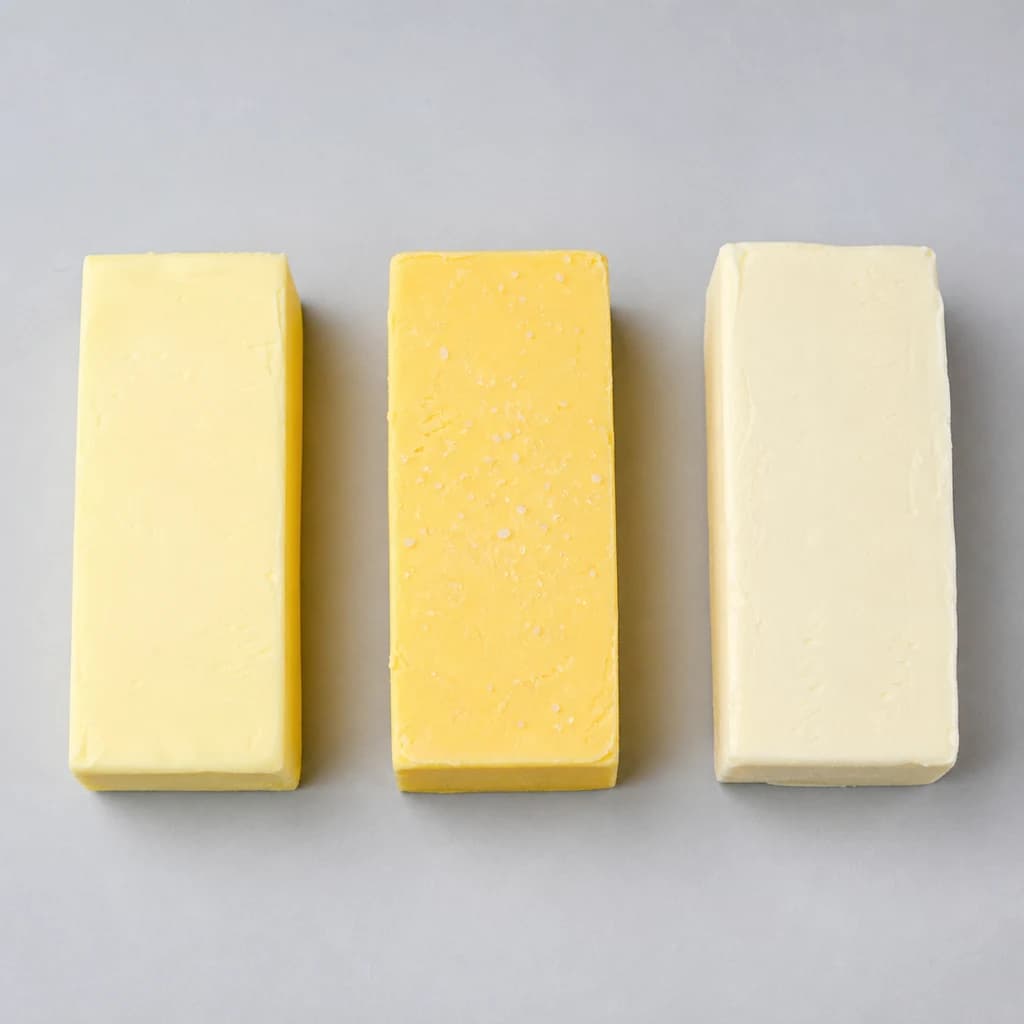
Butter
Golden fat for searing, baking, and finishing a sauce
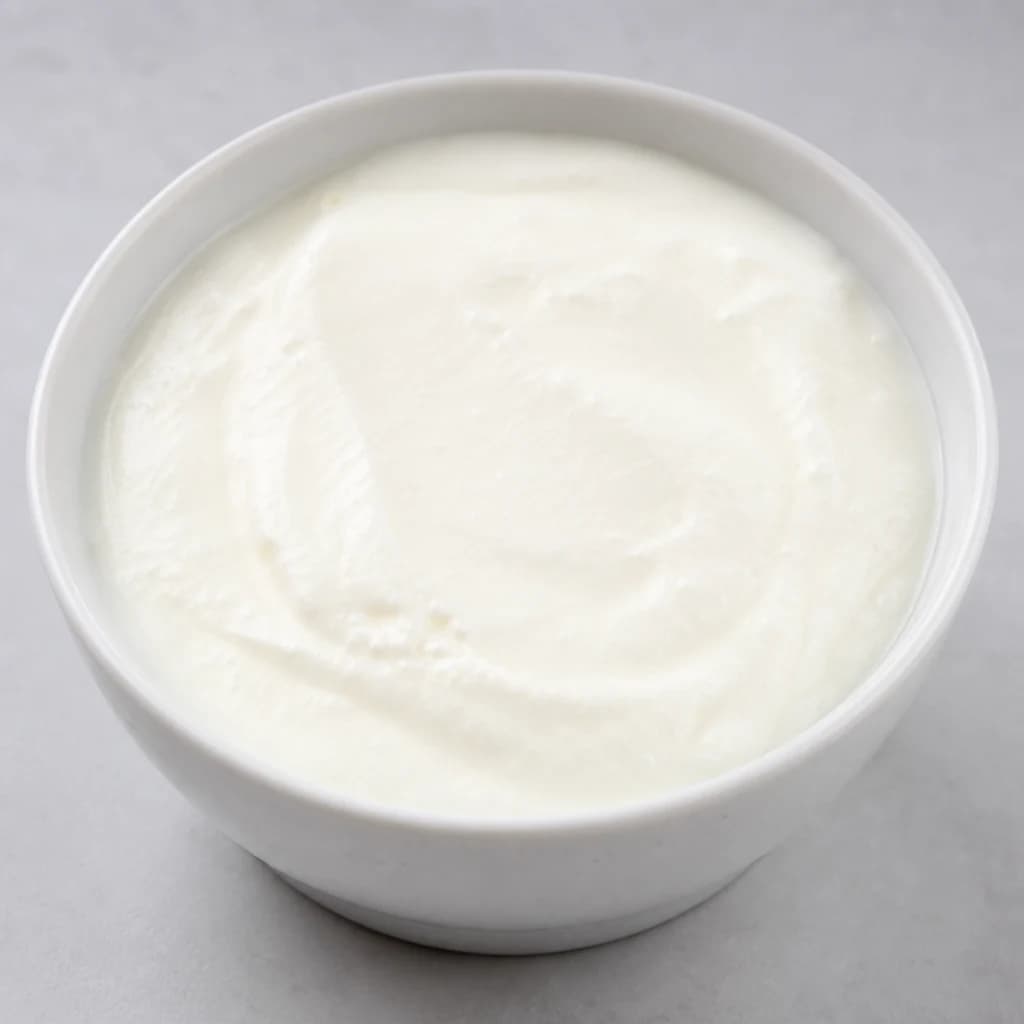
Yogurt
Tangy, creamy culture for breakfast, sauces, and marinades
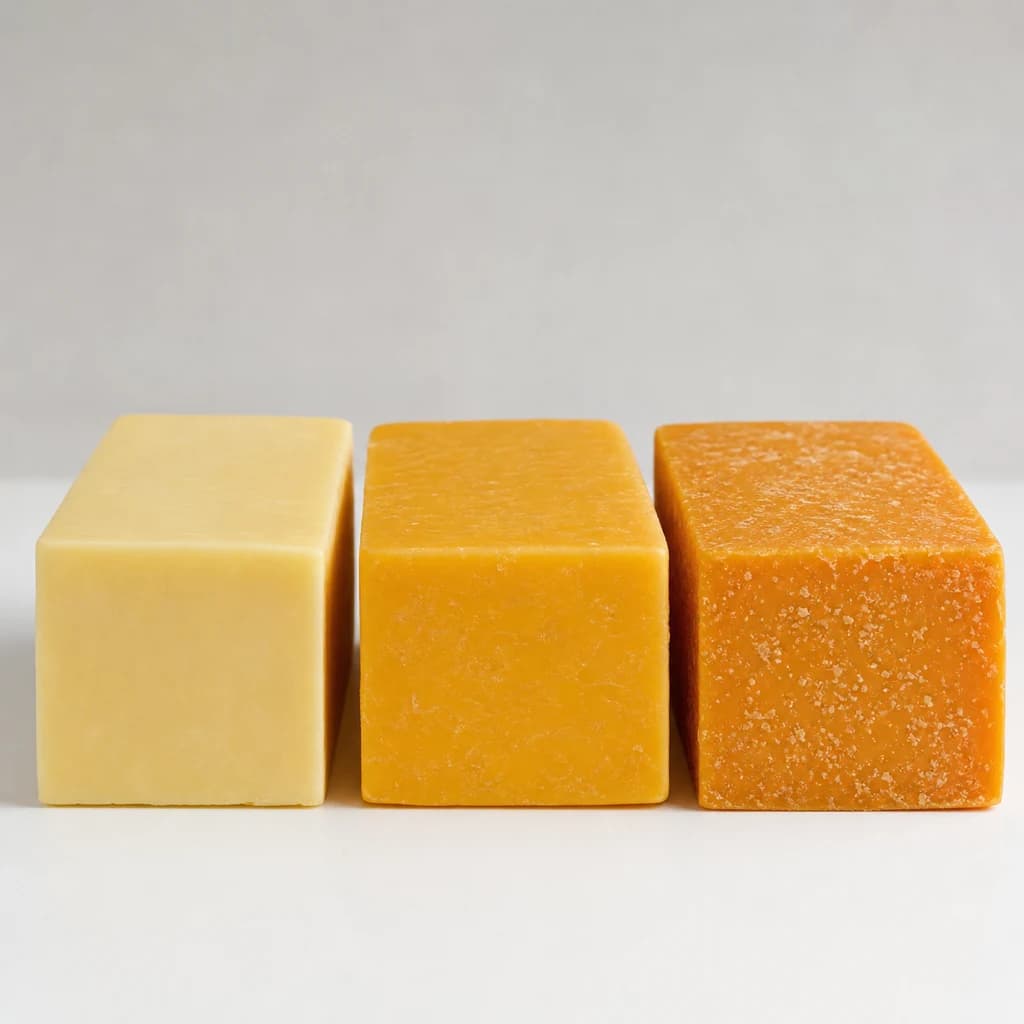
Cheddar Cheese
Sharp, melty cheese for sandwiches, gratins, and grating

Skim Milk
Fat-free milk for lighter drinking, coffee, and cooking
Heavy Cream
Rich cream that whips, enriches sauces, and sets ganache

Sour Cream
Tangy, thick cream for dolloping, baking, and dips
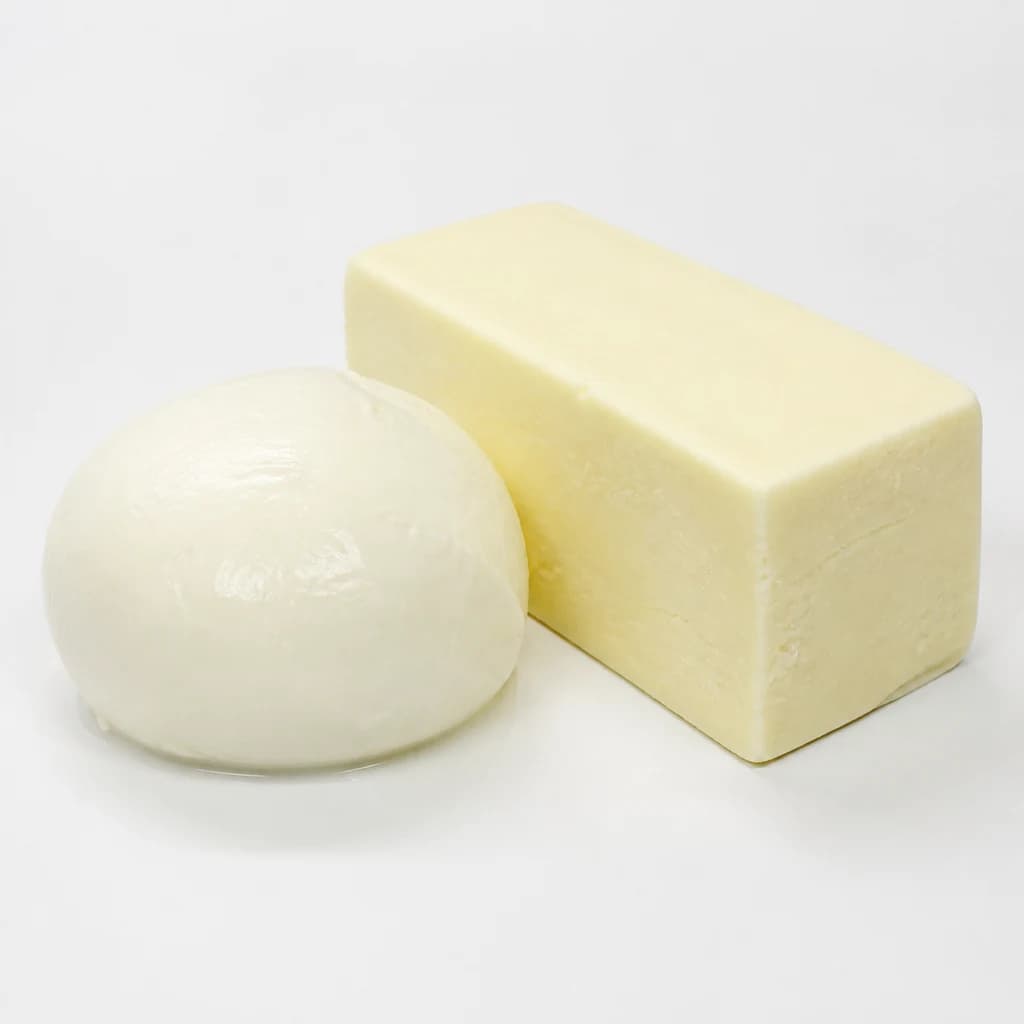
Mozzarella
Soft, milky cheese that melts into stretchy pizza pulls