Proteins
Skate Wing
Sweet, ribbed cartilaginous fish wing pan-fried with brown butter and capers.
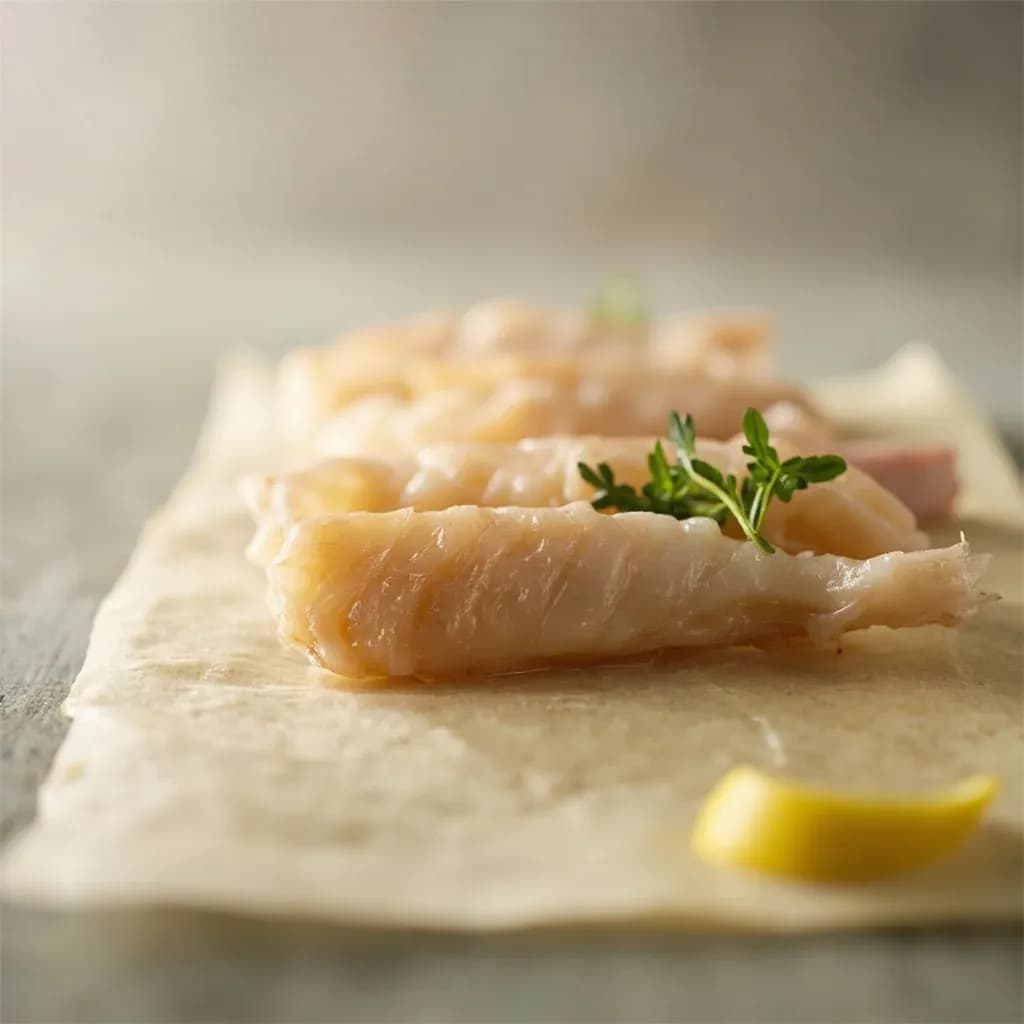
Skate wing is the edible pectoral fin of the skate or ray, with sweet, faintly shellfish-like flesh arranged in ridges along soft cartilage. It is classically pan-fried and served with brown butter, capers and lemon (raie au beurre noir). The meat lifts cleanly off the cartilage once cooked.
Skate wing is the pectoral fin of a skate — a cartilaginous fish cousin of rays and sharks — and the only part of the animal worth eating. The skeleton is cartilage, not bone, which is why the cooked flesh pulls apart in those characteristic parallel ribbed strands instead of flaking like a typical bony white fish. This unusual architecture is a gift to the cook: there are no pin bones to deal with, the cartilage lattice holds moisture far better than flaky fish, and the strands act as little reservoirs that soak up butter, capers, and pan sauces. The flavor is sweet, mildly briny, and slightly nutty, often compared to scallop with a clean oceanic edge.
Fresh skate carries a faint ammonia note that is completely normal and dissipates on cooking; a strong, sour ammonia smell means the wing is past its prime. The rough, denticle-covered skin is always removed before or after cooking — it is tough and unpleasant to eat. The flesh is pearl-white to pale ivory, firm and meaty when correctly cooked, and unforgivingly rubbery when overcooked. Wings range from 8-ounce baby portions to hefty 2-pound cuts, with restaurant portions most often landing between 8 and 14 ounces per person.
Skate is a workhorse in French bistros (raie au beurre noir is the benchmark), a seasonal staple in Italian and Portuguese cooking, the basis for Korea's famously pungent fermented hongeo, and a nimono candidate in Japanese kitchens. It rewards high heat, short cooking, and an acid-and-butter finish — the kind of dish that feels both rustic and quietly elegant.
- Measured in
- g
- Storage
- Fridge
Allergens
Types & varieties
Small, sweet wings; one of the more sustainable North Atlantic skates in the market.
Large North American species with broad, meaty wings; prized in the U.S. Northeast but tightly managed.
Common along the U.S. mid-Atlantic; smaller wing, mild flavor.
Small North Atlantic skate, frequent in New England; tender, fine ribs.
Classic European skate, especially in British and French kitchens; excellent eating.
Larger European skate from the British Isles; firm, sweet flesh.
Smaller European ray with delicate flavor and fine ribbed wings.
Small to medium European ray, often available whole.
Fermented skate aged until pungent with ammonia; a Jeolla province specialty served raw or in stew.
Several skates and rays used in nimono (simmered in soy-mirin-dashi) or grilled with tare.
Reading the ribs
The cartilage skeleton is what makes skate skate. As the wing cooks, the flesh between the ribs turns from translucent to opaque and pulls back slightly, leaving the cartilage as tender ridges that hold everything together. This is why skate is easier to handle than flounder — it does not fall apart — and why it soaks up sauces so well. The ribs do, however, retain heat a beat longer than the flesh between them, so a thick wing benefits from light scoring: a sharp knife drawn across the ribs at 1-inch intervals opens channels for heat to penetrate and shortens cooking by a minute or two. The ribs are also why you should not blast a wing in a screaming-hot pan; the cartilage scorches before the flesh cooks through. Treat the ribs as a timing gauge — when they feel just tender when pressed with a finger, the wing is done.
On the ammonia question
The faint ammoniac smell of very fresh skate comes from urea in the flesh, which the fish uses for buoyancy. It is not a defect — it is a freshness signal. The ammonia dissipates entirely on cooking, especially when acid (lemon, vinegar, white wine) is in the pan. A wing that smells sharply or sourly of ammonia, has a slimy surface, or whose flesh springs back slowly when pressed has been on ice too long and should be passed over. If you are buying a day ahead, keep the wing packed in ice in the coldest part of the refrigerator and use it within 36 hours; otherwise, buy the day of cooking and ask the fishmonger to skin and trim it for you.
Common uses
Tips & pitfalls
- Buy from a fishmonger who turns skate regularly — the cartilage is fragile and tears if the wing is handled roughly or stacked under heavier fish.
- Do not reject a wing that smells faintly of ammonia — that is normal for very fresh skate. Reject one that smells sharply or sourly of ammonia, or feels slimy.
- Always remove the rough skin: lay the wing skin-side down, scrape the tail end with a knife to release a corner, grip it with a dry towel, and pull — the denticles come away in one sheet.
- Pat the wing very dry before searing; surface moisture is the enemy of the brown crust that defines a pan-fried skate.
- Cook over medium-high to high heat for a short time — 3 to 5 minutes per side. The flesh goes from translucent to opaque and the ribs firm up but stay tender; past that point it tightens and turns rubbery.
- Rest the wing 1 to 2 minutes before serving so the juices reabsorb into the cartilage lattice; otherwise it 'weeps' on the plate.
- Finish with acid — lemon, capers, vinegar, or sorrel — to cut the richness and lift the sweetness; butter alone is not enough.
- Do not overcook. Skate is the most unforgiving of the white fishes: a minute too long takes it from silky to bouncy, and there is no coming back.
Nutrition
Nutrition
No USDA FoodData Central match for Skate Wing yet. We surface a per-100 g profile once a generic whole-food entry is matched and verified.
In the shops
Matched grocery products
No matched grocery products for Skate Wing yet.
Good to know
- Family
- Rajidae — cartilaginous fish related to rays and sharks (class Chondrichthyes)
- Edible portion
- The pectoral 'wings' only; the rest of the body is too cartilaginous and tough to eat
- Skeleton
- Cartilage, not bone — produces the signature ribbed strands and means no pin bones
- Flavor
- Sweet, mild, slightly briny; often compared to scallop with a faint nutty edge
- Form sold
- Almost always as skinless, boned 'wings' — whole or trimmed into portions
- Cook time
- 3–5 minutes per side over medium-high heat; overcooking turns it rubbery
- Storage
- Use within 1–2 days on ice at 32–38°F; vacuum-sealed and frozen, keeps 2–3 months
- Common confusion
- Frequently sold or labeled as 'ray wing' — in the kitchen it is the same ingredient
Substitutes
- Sole (Dover, lemon, or petrale) — Closest textural match — delicate, sweet, fine-flaked; cooks in the same brief time.
- Flounder or plaice — Mild, sweet, and quick-cooking; flakier than skate but behaves well under butter sauces.
- Halibut — Firmer and meatier; use when you want a heartier dish, but cut portions thinner as it dries out faster.
- Monkfish tail — Sweet, firm, almost lobster-like; good for braises though it lacks the ribbed character.
- Sea scallops (large) — Mirror the sweet, slightly briny flavor; works in a beurre noir treatment but the texture is much softer.
- Stingray wing — Used interchangeably in South and Southeast Asian cooking; the ribbed cartilage behaves identically.
- Shark (e.g. dogfish, mako) — Firm and meaty; different flavor profile, but a workable substitute in curries and braises.
Pairs with
Also called
Ray Wing · Raie
Related
Egg
The kitchen's everything ingredient — bind, leaven, enrich, or fry
Chicken Breast
Lean, quick-cooking white meat for everyday dinners

Ground Beef
Versatile minced beef for burgers, ragù, tacos, and meatballs
Pork Loin
Lean, tender roasting cut that stays juicy with care
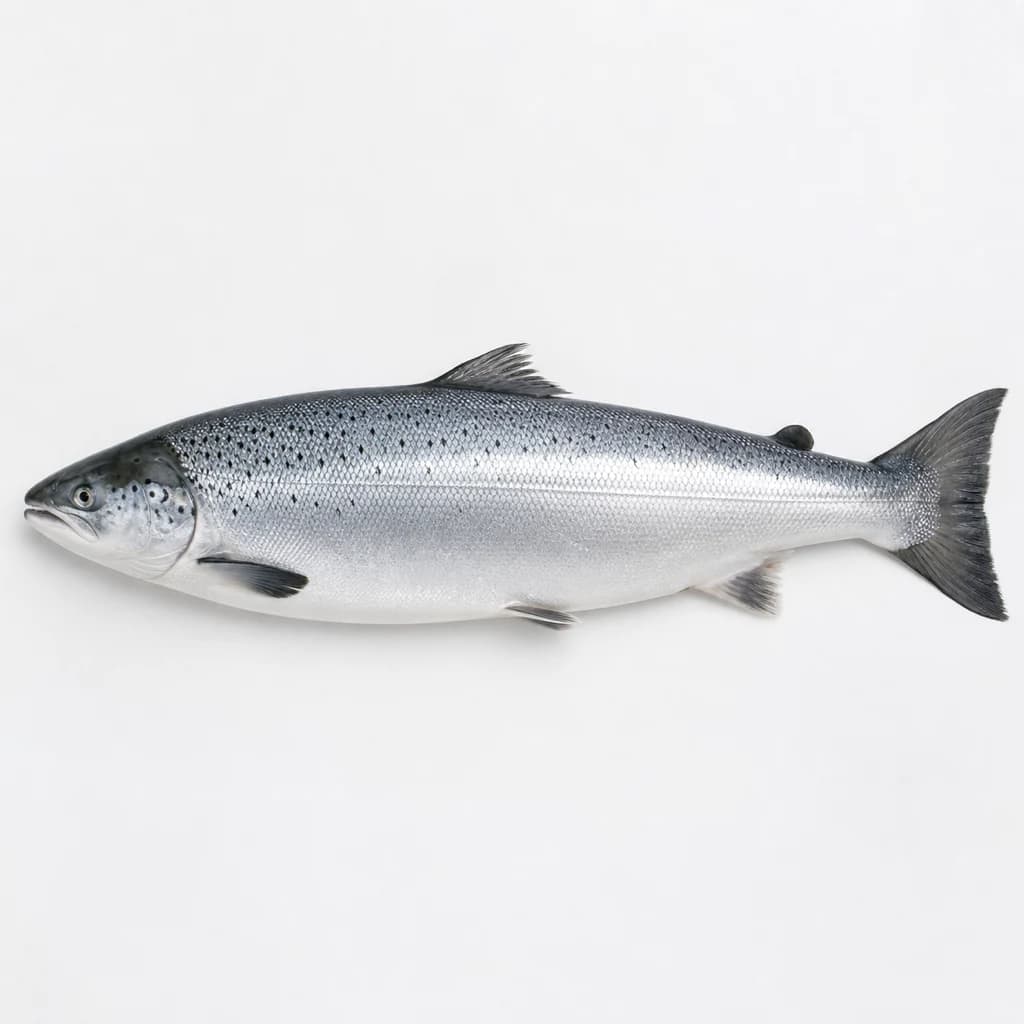
Salmon
Rich, rosy fish that roasts, grills, or cures beautifully

Egg White
Pure protein that whips to airy peaks for meringue and more
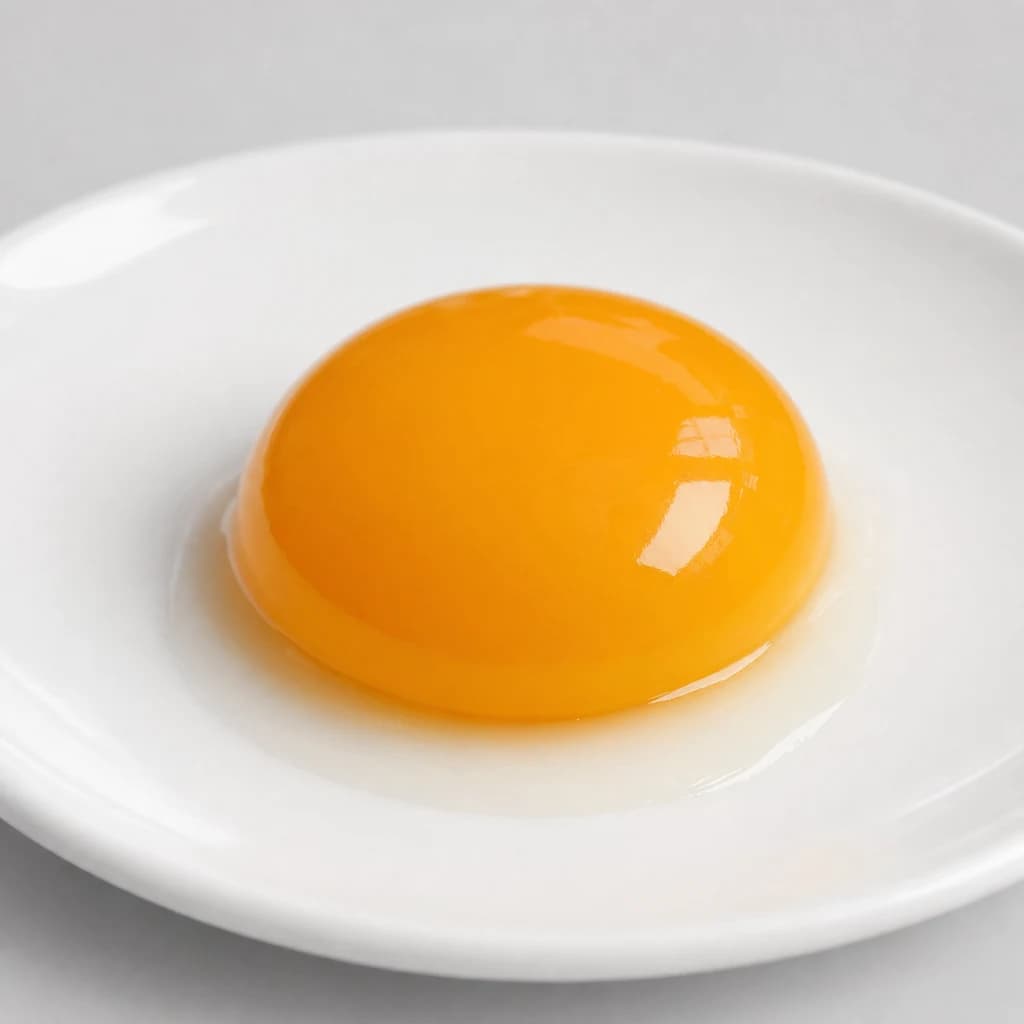
Egg Yolk
Rich, golden yolk for custards, mayonnaise, and pasta

Quail Egg
Tiny, speckled eggs for garnishing and elegant bites