
Natural form
Whole spider crab showing spiny shell, long legs, and reddish-brown coloring.
Teaches the reader to identify the species by its distinctive spiny carapace and elongated leg span.
Proteins
Spider Crab (Txangurro)
Spiny-shelled crab with sweet, delicate meat; star of Basque txangurro dishes.
Spider crab, called txangurro in the Basque Country, is a large spiny crab with sweet, tender meat. It is the basis of the classic Basque dish txangurro a la donostiarra, where the picked meat is cooked with tomato, brandy, and leeks and baked back in its shell. Its delicate flavor is also enjoyed simply boiled.
Spider crab (Maja squinado) is a heavily spined crustacean found across the Atlantic coast of Iberia and throughout the Basque country, where it anchors the celebrated txangurro—a preparation so iconic it shares the crab's name. Unlike the thick, massive legs of king crab, spider crab legs are slender and angular, but they yield a modest amount of meat of exceptional quality: sweet, briny, and distinctly delicate, with a firm-yet-tender texture that collapses gracefully under minimal heat. The carapace ranges from burnt orange to reddish-brown when cooked, and the live shell carries a muted olive-green mottling that makes the cooked color all the more striking. What sets spider crab apart is its coral (roe) and tomalley—retained in traditional Basque cooking and folded into the filling to impart an intensely oceanic depth impossible to replicate. The crab's season defines the culinary calendar of coastal Galician and Basque towns; outside peak months, quality drops noticeably, and a dead crab develops an ammonia edge within hours.
The distinction from king crab is not merely visual. King crab legs are thick enough to stand as a main course on their own; spider crab is a more intimate, labor-intensive ingredient, yielding smaller quantities of far more refined meat. In Galicia, spider crab is celebrated with festivals and handed down through generations of fishmongers who can judge quality by touch and smell alone. In San Sebastián, the txangurro de Oia tradition elevates the preparation to something approaching ritual: the crab is cleaned and dressed by experts, the shell reserved, and the filling built with precision that treats the whole animal as a single, coherent ingredient. Buying dressed from a trusted fishmonger is strongly advised for first attempts—the spined carapace punishes the uninitiated.
Sustainability has improved considerably. After decades of overfishing that nearly collapsed Atlantic stocks, size limits, seasonal closures, and quota management have allowed populations to recover meaningfully, particularly in Galician waters. Seek sustainably certified catch that complies with minimum landing sizes—this is not merely ecological responsibility but a practical guarantee of a crab that has had time to develop full flavor and meat yield.
- Measured in
- piece
- Storage
- Fridge
Allergens
Types & varieties
The species used for authentic Basque txangurro; ranges from Scandinavia to West Africa; typically smaller than Pacific species with sweeter, more prized meat
Largest leg span of any arthropod (up to 4 m/13 ft); sold frozen or pre-cooked internationally; flavor is slightly less sweet and more fibrous than European species
A prized regional strain of Maja squinado from the Rías Baixas coast; considered among the finest in the world; traditionally linked to the Txangurro de Oia preparation tradition
Buying and selecting spider crab
The single most consequential decision in cooking spider crab is made at the fishmonger's counter. Buy live whenever possible. A spider crab that has been dead even a few hours will have begun to degrade, developing an unpleasant ammonia note that no amount of seasoning can mask. The meat loses its sweetness and firms up in a way that is immediately detectable on the palate. Inspect the crab before purchase: the legs should be intact and responsive when touched, the underside membrane still moist and pliable, and there should be no detectable odor of ammonia or rot from the gills.
Request the crab dressed—cleaned of inedible viscera but with the coral (roe) and tomalley (liver) retained and packed separately—if you are making txangurro. Attempting to dress a spiny spider crab without experience is a reliable way to lose most of the leg meat to damage and scattering. A skilled fishmonger can have the crab dressed in minutes, and the separated coral and tomalley are essential to authentic results.
- Choose live, responsive crabs with intact legs and no ammonia odor
- Request dressing with coral and tomalley retained separately for txangurro
- Buy in season for peak flavor and firmest meat
- Seek sustainably certified, size-compliant catch
Cooking the live crab
Killing a live crab humanely and cooking it properly are two distinct skills, both worth mastering. The recommended method is to chill the crab in a freezer for 20 minutes first—this slows the metabolism and dulls its response, making the process less distressing and easier to execute cleanly. Then insert a sharp knife through the underside membrane directly into the nerve cluster behind the eyes (the apparent 'brain'), and immediately plunge the crab into a pot of actively boiling, heavily salted water. This sequence—chill, pierce, boil—ensures rapid, certain death and prevents the crab from shedding limbs in the pot.
Cooking time is 10–12 minutes per kilogram of live weight in actively boiling salted water. Do not cover during boiling—the steam creates turbulence that damages the delicate leg meat. After the timer expires, remove the pot from heat, cover it, and allow the crab to rest in the hot water for a further 5 minutes. This carryover cooking completes the process without the risk of boiling agitation. Overcooked spider crab meat turns rubbery and acquires a grainy, chalky quality that betrays all the sweetness. Dress the crab while still warm: the meat releases from the shell significantly more easily at temperature.
- Chill 20 minutes in freezer before killing to slow metabolism
- Pierce nerve cluster behind eyes with sharp knife before boiling
- Boil 10–12 min per kg in actively boiling salted water; rest 5 minutes off heat covered
- Dress while warm—meat releases from shell far more easily
Txangurro a la donostiarra: the canonical preparation
Txangurro a la donostiarra is not simply 'crab gratinéed in its shell'—it is a precisely constructed filling that treats the crab's own flavors as an orchestra. The coral and tomalley are the foundation; they provide an oceanic depth and natural richness that no amount of stock or butter can replicate. Build the filling by softening finely minced onion in good olive oil, adding a small amount of concassé or cooked-down tomato for body and acidity, then deglazing with a generous splash of sherry—Amontillado or Oloroso—and allowing it to reduce by half. Fold in the reserved crab meat, then the coral and tomalley, and finally bind with a mayonnaise made from the hard-boiled egg yolks and a fragrant olive oil. The mixture should be assertive: sherry, garlic, olive oil, and a touch of acidity must stand up to the crab's delicacy, not retreat from it.
Refill the cleaned shell generously—rounded and slightly overflowing is correct—top with a thin ribbon of mayonnaise, and run under a very hot broiler for 5–8 minutes until the surface is bronzed and bubbling at the edges. Serve immediately in its shell, with crusty bread to accompany the filling.
- Preserve and use the coral and tomalley—do not discard them
- Build the filling with sherry, tomato, garlic, and olive oil before binding with mayonnaise
- Refill the shell generously and round the top before gratinéing
- Broil at high heat 5–8 minutes until bronzed; serve immediately
Common uses
Tips & pitfalls
- Buy live whenever possible: a dead spider crab deteriorates rapidly and develops an ammonia-like flavor that no amount of seasoning can fix
- Kill humanely by chilling 20 minutes in the freezer, then piercing the nerve cluster behind the eyes before plunging into boiling salted water
- Boil 10–12 minutes per kilogram in actively boiling water; overcooking turns the meat rubbery and grainy—undercooking is far less damaging than overcooking
- Dress the crab while still warm—meat releases from the spined shell far more easily at temperature; use a pick or skewer for the slender leg sections
- Preserve and use the coral (roe) and tomalley in txangurro filling—these are the non-negotiable foundation of the authentic dish
- If using frozen Japanese spider crab legs: thaw overnight in the refrigerator; rushing with hot water produces mushy, waterlogged meat
- Season txangurro filling boldly with sherry, good olive oil, garlic, and a touch of tomato—the filling must assert itself against the crab's delicacy, not defer to it
- If you cannot source dressed crab, ask a skilled fishmonger or opt for pre-picked Dungeness crab meat rather than risk ruining a whole crab yourself
Nutrition
Nutrition
No USDA FoodData Central match for Spider Crab (Txangurro) yet. We surface a per-100 g profile once a generic whole-food entry is matched and verified.
In the shops
Matched grocery products
No matched grocery products for Spider Crab (Txangurro) yet.
Good to know
- Scientific name
- Maja squinado (European/Atlantic spider crab)
- Habitat
- Northeast Atlantic from the British Isles to West Africa, including the North Sea and Mediterranean
- Peak season
- October–December in the Atlantic; April–June in the Mediterranean
- Typical weight
- Live crab: 1–4 kg (2.2–8.8 lbs); dressed meat yield: 20–25%
- Flavor profile
- Sweet, briny, delicate; less assertively fishy than blue crab; firm yet tender texture
- Shell when cooked
- Bright orange to reddish-brown; heavily spined, somewhat flattened carapace
- Distinction from king crab
- Spider crab legs are thinner and more angular; meat is more delicate and subtly sweet
- Storage
- Alive on damp newspaper in the coldest fridge part; use within 24–48 hours. Cooked meat: 2–3 days refrigerated.
Substitutes
- Brown (edible) crab (Cancer pagurus) — More readily available and less expensive; flavor is similar but slightly more oceanic; acceptable in txangurro, though a step down in delicacy
- Dungeness crab — Pacific species with sweet, delicate meat; closest flavor match among commonly available alternatives; excellent as a direct substitute in any preparation
- Blue crab (jumbo lump or special meat) — Sweeter and more delicate than spider crab; has a slightly more pronounced brine; best for soups and salads rather than classic txangurro
- Lump crab (generic, often imported) — Usually a blend of species; unpredictable quality; acceptable in a pinch but avoid for the centerpiece of a txangurro dish
Pairs with
Also called
Txangurro · Centollo
Related
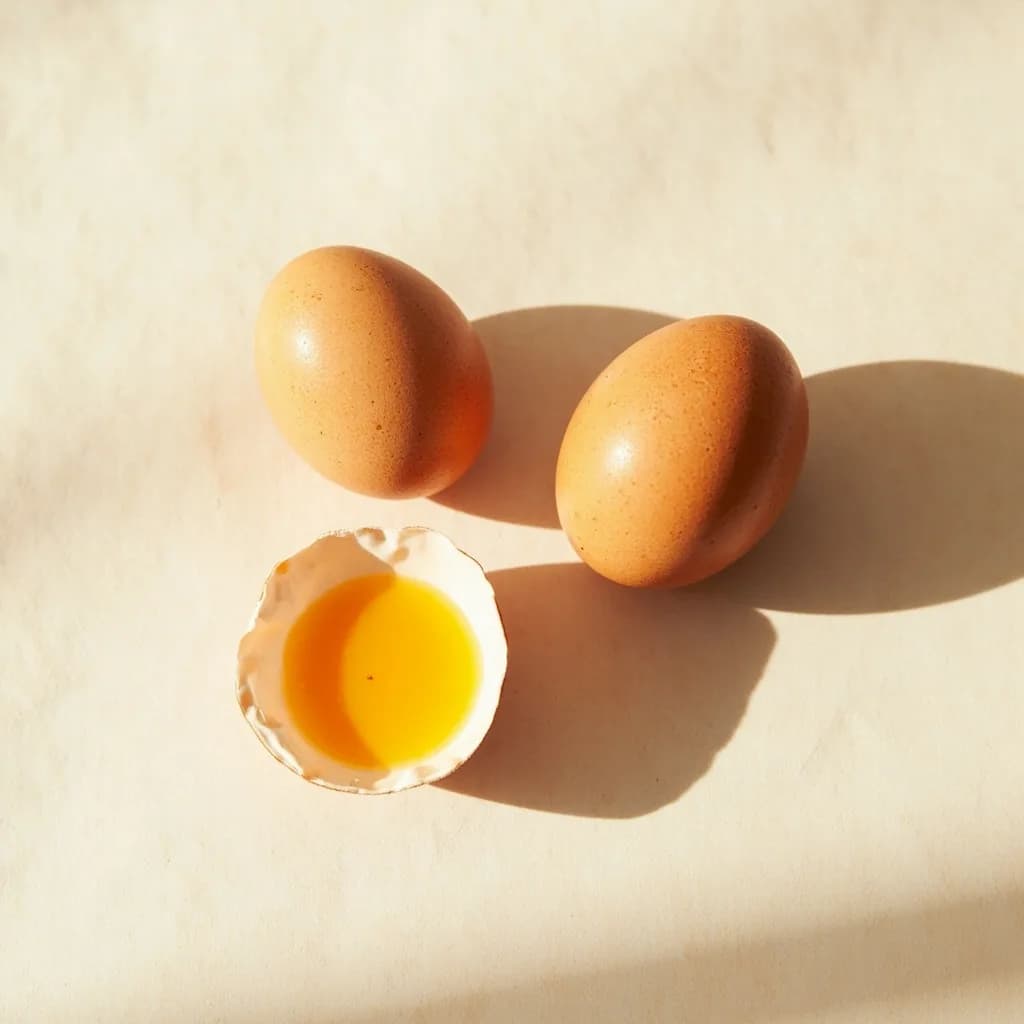
Egg
The kitchen's everything ingredient — bind, leaven, enrich, or fry
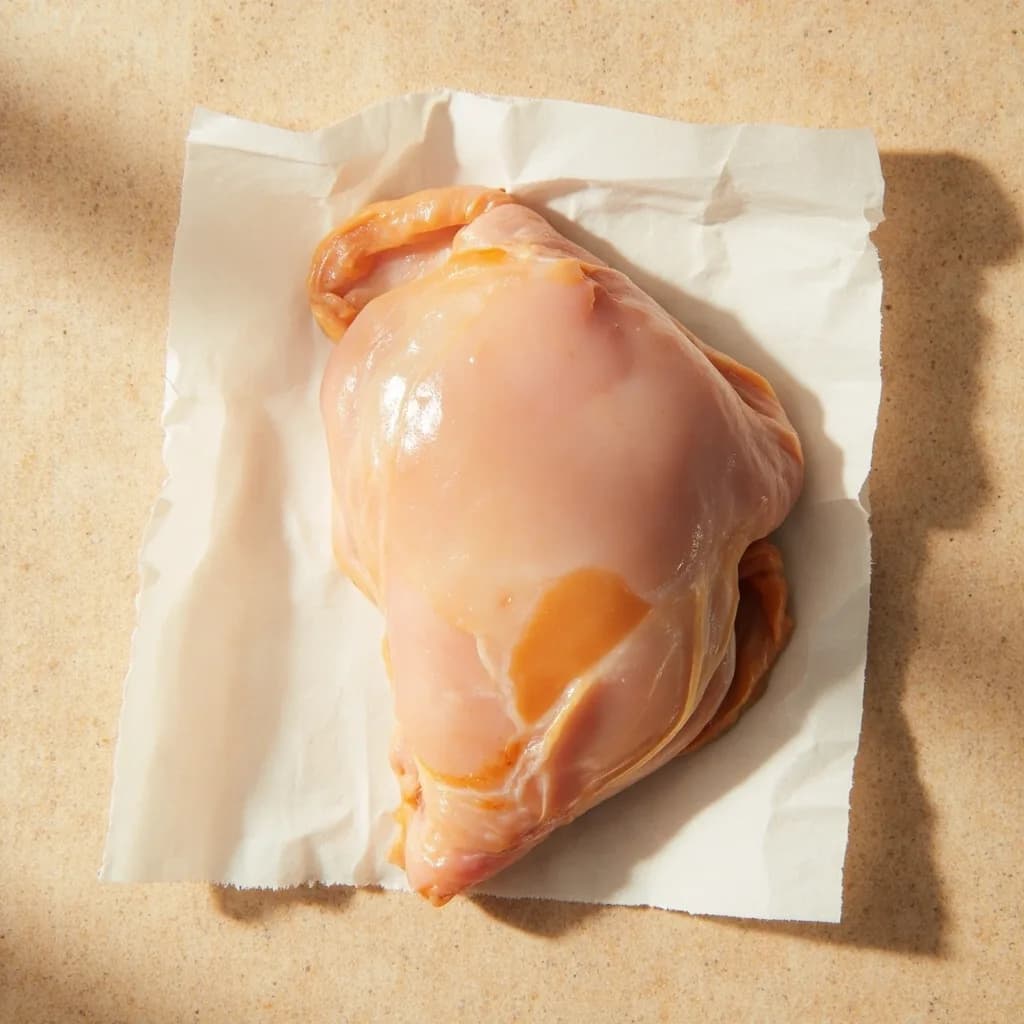
Chicken Breast
Lean, quick-cooking white meat for everyday dinners

Ground Beef
Versatile minced beef for burgers, ragù, tacos, and meatballs
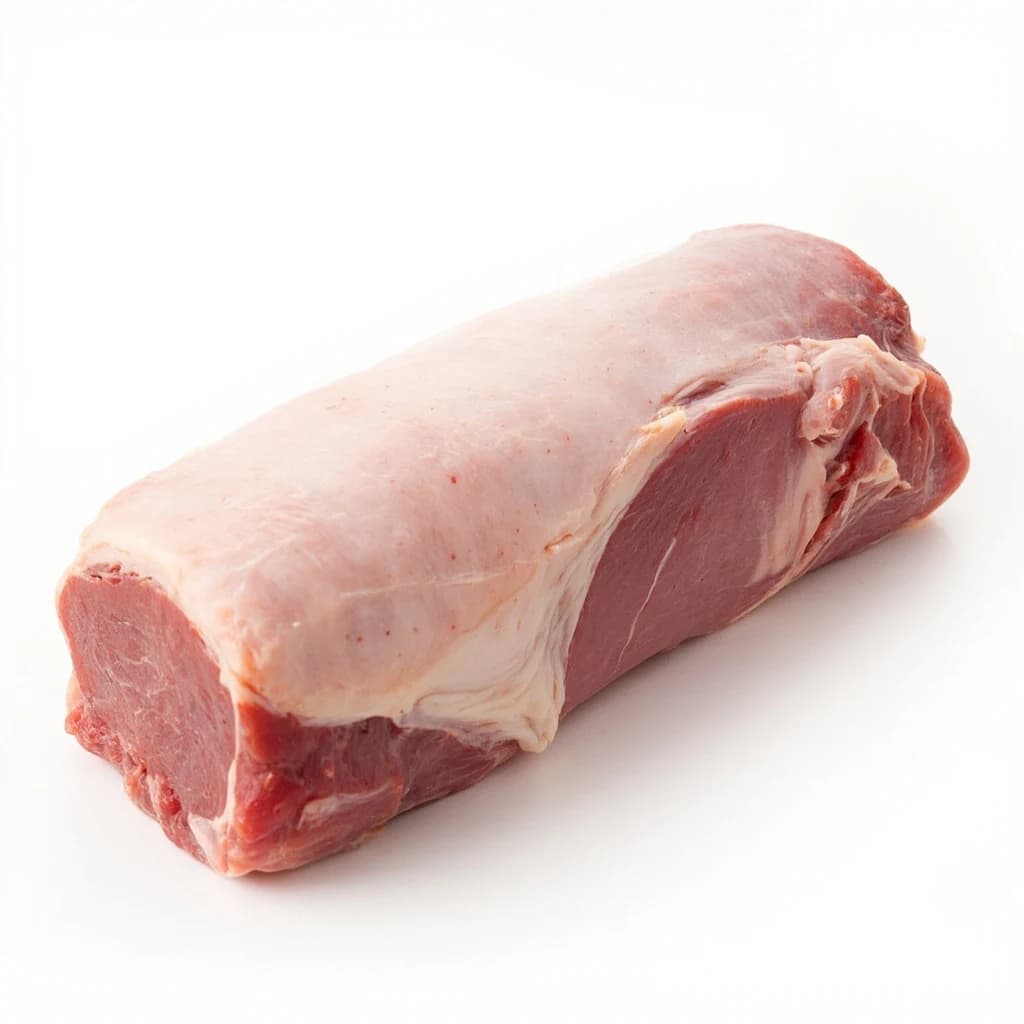
Pork Loin
Lean, tender roasting cut that stays juicy with care
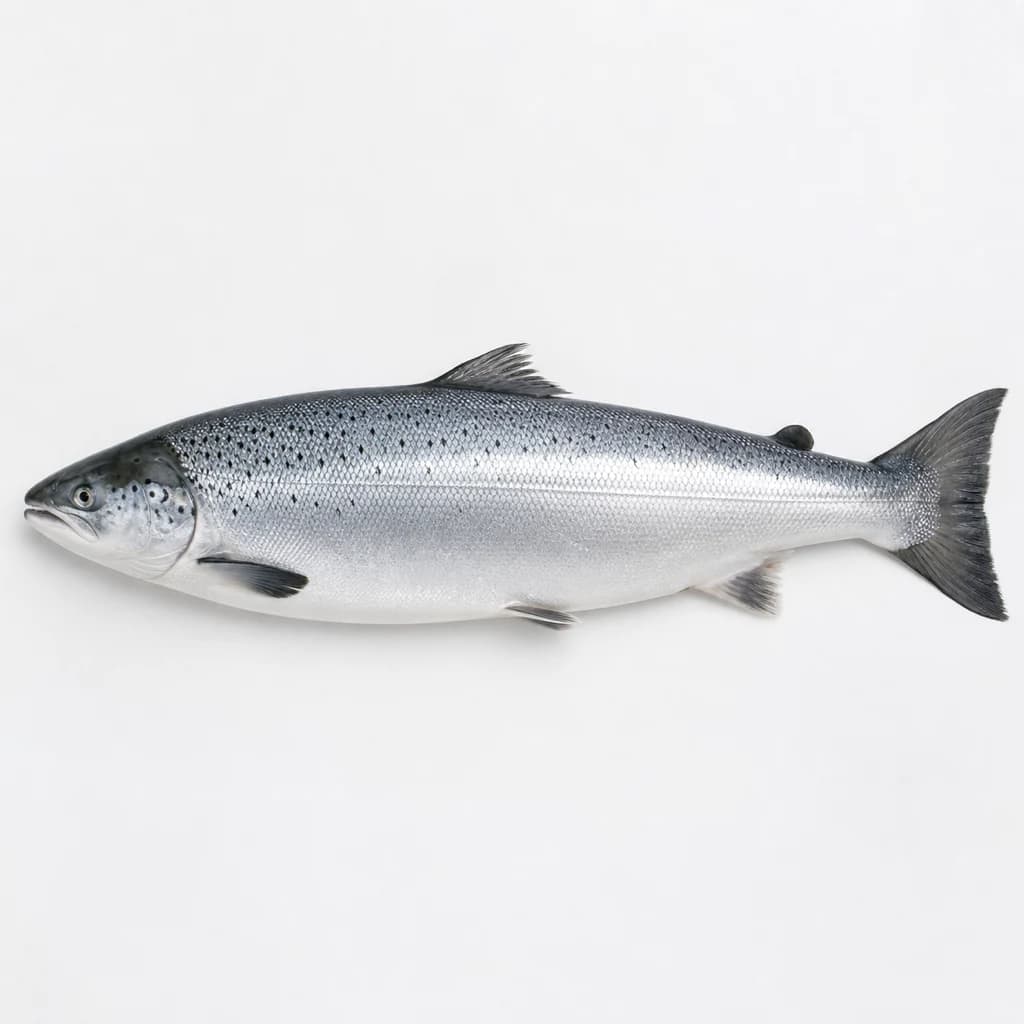
Salmon
Rich, rosy fish that roasts, grills, or cures beautifully

Egg White
Pure protein that whips to airy peaks for meringue and more
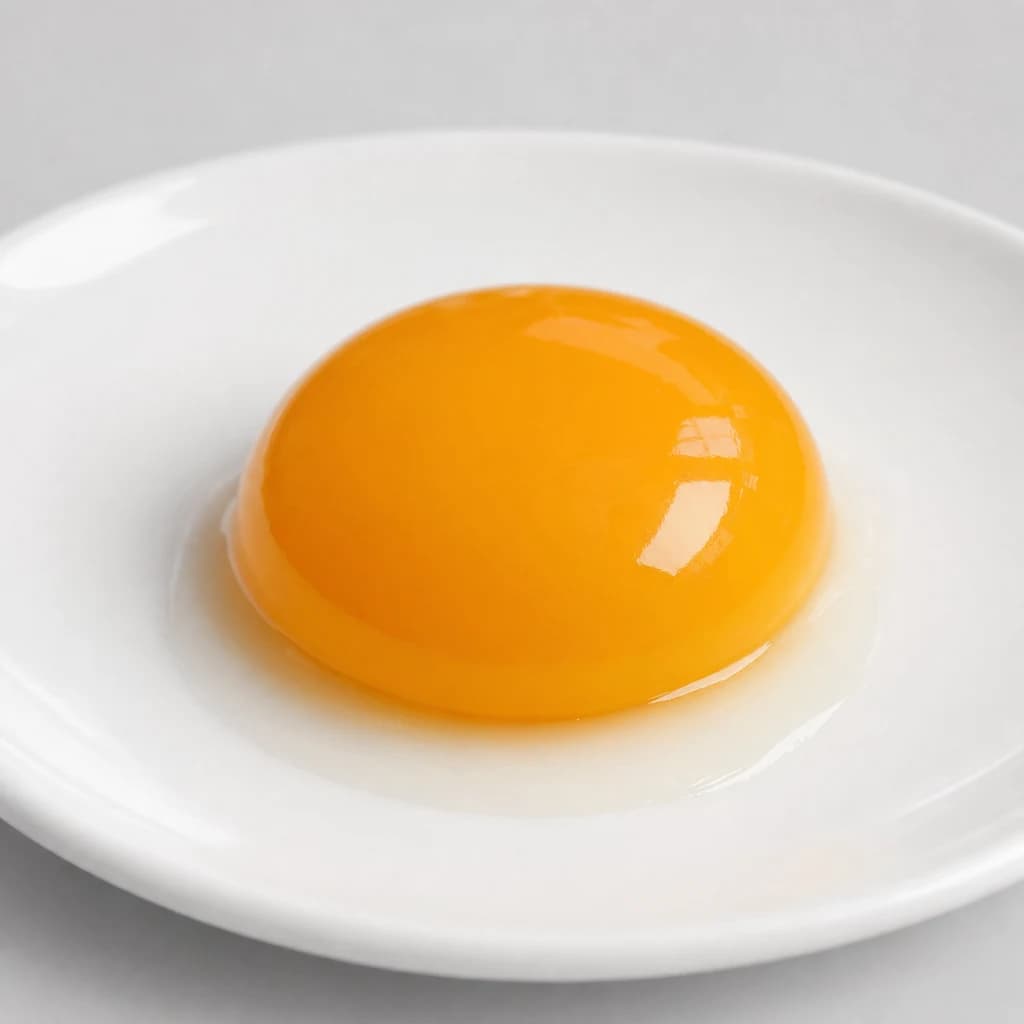
Egg Yolk
Rich, golden yolk for custards, mayonnaise, and pasta

Quail Egg
Tiny, speckled eggs for garnishing and elegant bites