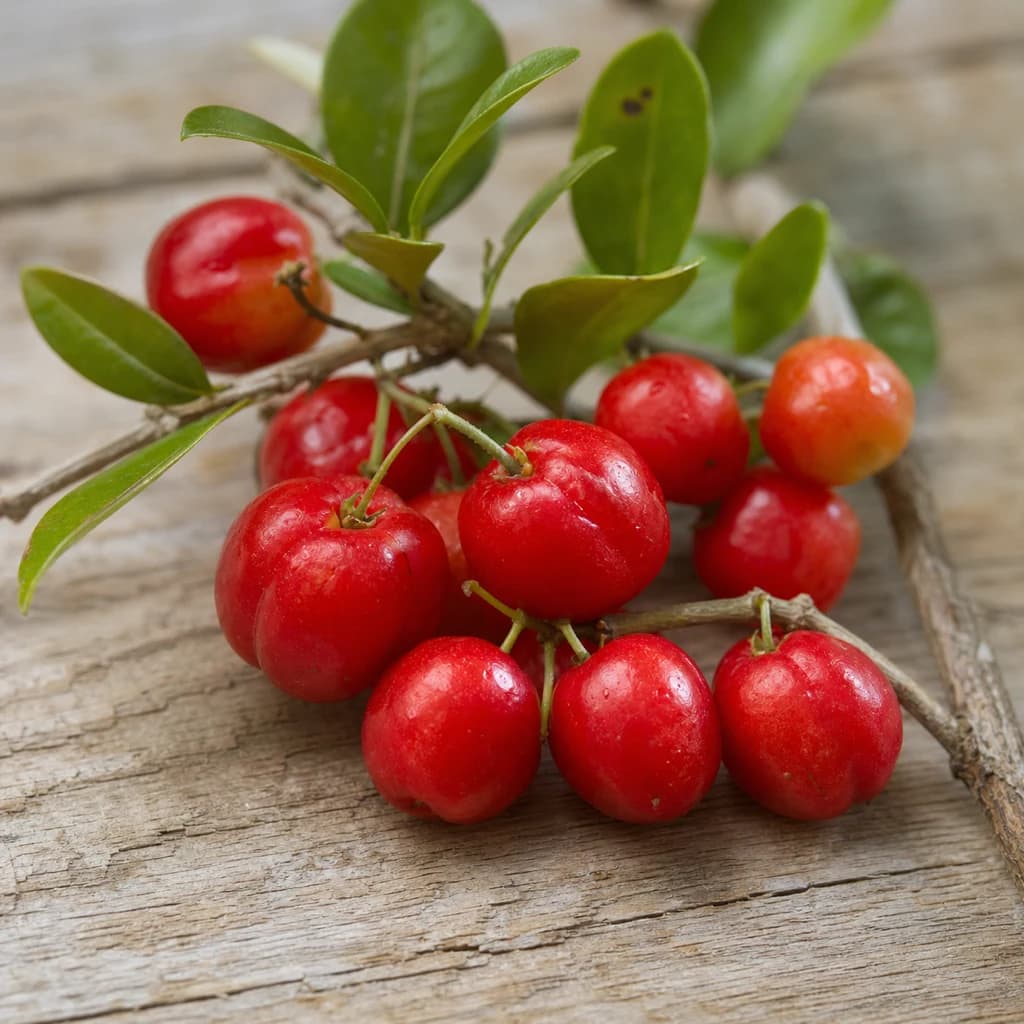
Natural form
Fresh acerola cherries on the branch, showing their vivid red skin and small round shape.
Shows the fruit as it appears at harvest — color, size, and clustering help readers identify it in the wild or at market.
Produce
Acerola Cherry
Small tropical cherry exceptionally rich in vitamin C, used in juices and preserves.
Acerola, or Barbados cherry, is a small bright-red tropical fruit famous for one of the highest vitamin C contents of any fruit. It is used across Latin America and the Caribbean in juices, smoothies, jams, and frozen pulp. The tart, slightly tangy flavor is delicate and the fruit is very perishable, so it is often processed soon after harvest.
Acerola cherry (Malpighia emarginata) is a small, bright-red tropical fruit prized for its extraordinary vitamin C content—50 to 100 times greater than an orange in the most concentrated specimens. Native to the Caribbean islands, Mexico, Central America, and northern South America, the fruit grows on a shrubby evergreen tree with deeply lobed leaves. Each cherry measures 1 to 2.5 centimeters in diameter and contains 2 to 3 small seeds surrounded by juicy, highly acidic pulp. When fully ripe, the flesh softens to a melting texture while developing a flavor that balances intense tartness with just enough sweetness to make fresh eating possible—though the experience is decidedly puckering compared to temperate cherries.
The fruit's extreme perishability is the defining challenge of working with acerola. Even refrigerated, fresh cherries degrade rapidly: the vitamin C begins oxidizing within hours and drops to roughly half its original potency within 24 hours. The flesh browns quickly once cut or crushed. For these reasons, commercial production focuses almost entirely on processed forms—frozen pulp, juice concentrate, and freeze-dried powder—which preserve the vitamin C through low-temperature processing. Brazil dominates commercial cultivation, but the fruit remains largely unknown in North American and European markets outside specialty health-food stores.
In Brazilian cuisine, acerola is a daily staple: children drink it as a sweet juice, the fruit appears in sweets and candies, and it seasons everything from sauces to tropical cocktails. In regions where it grows, it once served as a critical natural source of vitamin C before synthetic supplements became available. For cooks encountering the fresh fruit or its processed forms, the key is understanding its role as a flavoring agent and nutritional powerhouse that requires specific handling to preserve both its vivid red color and its fragile ascorbic acid content.
- Measured in
- g
- Storage
- Fridge
Types & varieties
Early-ripening Florida selection; bright red fruit, low acidity; common in commercial Florida plantings
Florida selection bred for slightly higher sugar content and reduced acidity compared to wild types
Hawaiian variety selected for flavor and favorable growing characteristics in tropical conditions
Puerto Rican type noted for large pulp content relative to seed size; preferred for processing
Brazilian commercial cultivar developed for juice production; consistent size and reliable yield
Brazilian commercial cultivar with good processing characteristics; widely grown in São Paulo state
Common uses
Tips & pitfalls
- Harvest when fruit is fully red and yields slightly to pressure; green or partially green fruits have significantly lower vitamin C and harsh, underdeveloped flavor
- Refrigerate immediately after picking and consume within 2–3 days; vitamin C content begins degrading within hours at room temperature
- For preserves or cooked applications, add sugar early to draw out juices and stabilize the bright red color—oxidation turns the flesh brown rapidly once crushed
- Do not cook at high heat for extended periods—vitamin C is heat-labile and degrades substantially; add to cooked dishes in the final minutes or use raw
- When juicing, process the whole fruit including seeds and skin for maximum nutrient density; seeds are edible though slightly gritty
- To extend availability, freeze washed fruits on a tray in a single layer, then transfer to airtight containers; thaw and use within 6 months with roughly 80% vitamin C retention
- Verify that powdered forms are freeze-dried rather than spray-dried; spray-drying exposes the fruit to heat and significantly reduces vitamin C content
- If a mostly red fruit still tastes harsh, allow it to ripen 1–2 more days at room temperature—the flavor intensifies and sweetens as it softens
- The fruit oxidizes and browns quickly once cut; work quickly or toss with a squeeze of lemon juice to slow discoloration
- Pair with banana, mango, or pineapple in smoothies to temper the intensity and create balanced tropical flavors
Nutrition
Energy
134 kJ · per 100 g
Where the calories come from
Protein
0.4g
1% DV
Carbs
7.7g
3% DV
Fat
0.3g
0% DV
Fiber
1.1g
4% DV
Sodium
7mg
0% DV
Source · USDA FoodData Central · Acerola, (west indian cherry), raw
View on FDC →In the shops
Matched grocery products
No matched grocery products for Acerola Cherry yet.
Good to know
- Scientific name
- Malpighia emarginata (also M. glabra, M. punicifolia)
- Other names
- Barbados cherry, West Indian cherry, wild crepe myrtle, sour cherry (not to be confused with Prunus cerasus)
- Vitamin C content
- 1,000–4,500 mg per 100 g fresh fruit; 50–100× more than an orange; highest in fully ripe fruit
- Origin
- Caribbean islands, Mexico, Central America, northern South America
- Harvest season
- Year-round in tropics; peak May–October in Florida and Caribbean
- Fruit size
- 1–2.5 cm diameter, 8–15 g each
- Flavor
- Intensely tart and acidic when ripe; mildly sweet in balance; unripe fruit is mouth-puckering sour
- Perishability
- Extremely perishable; 1–2 days shelf life at room temperature, 5–7 days refrigerated
- Common forms
- Fresh whole fruit, frozen pulp, juice, freeze-dried powder, liquid extract, supplements
Substitutes
- Camu camu — Myrciaria dubia; higher vitamin C per gram but extremely tart and difficult to source outside South America; use in same quantities
- Guava — ~180 mg vitamin C per 100 g; most accessible tropical substitute; flavor differs but works in preserves and juices
- Kiwi — ~90 mg per 100 g; accessible year-round in temperate climates; texture and flavor differ but usable in fresh applications
- Rose hips — Dried and powdered; ~250 mg vitamin C per 100 g; appropriate for teas, infusions, and homemade supplements
- Lemon juice — ~53 mg per 100 g; not a vitamin C equivalent but provides the tart acidity needed in recipes; increase quantity 3–4× for acid balance
- Vitamin C powder (ascorbic acid) — Pure synthetic or fermented vitamin C; not a culinary substitute but the functional equivalent for nutritional fortification
Also called
Barbados Cherry · West Indian Cherry
Related
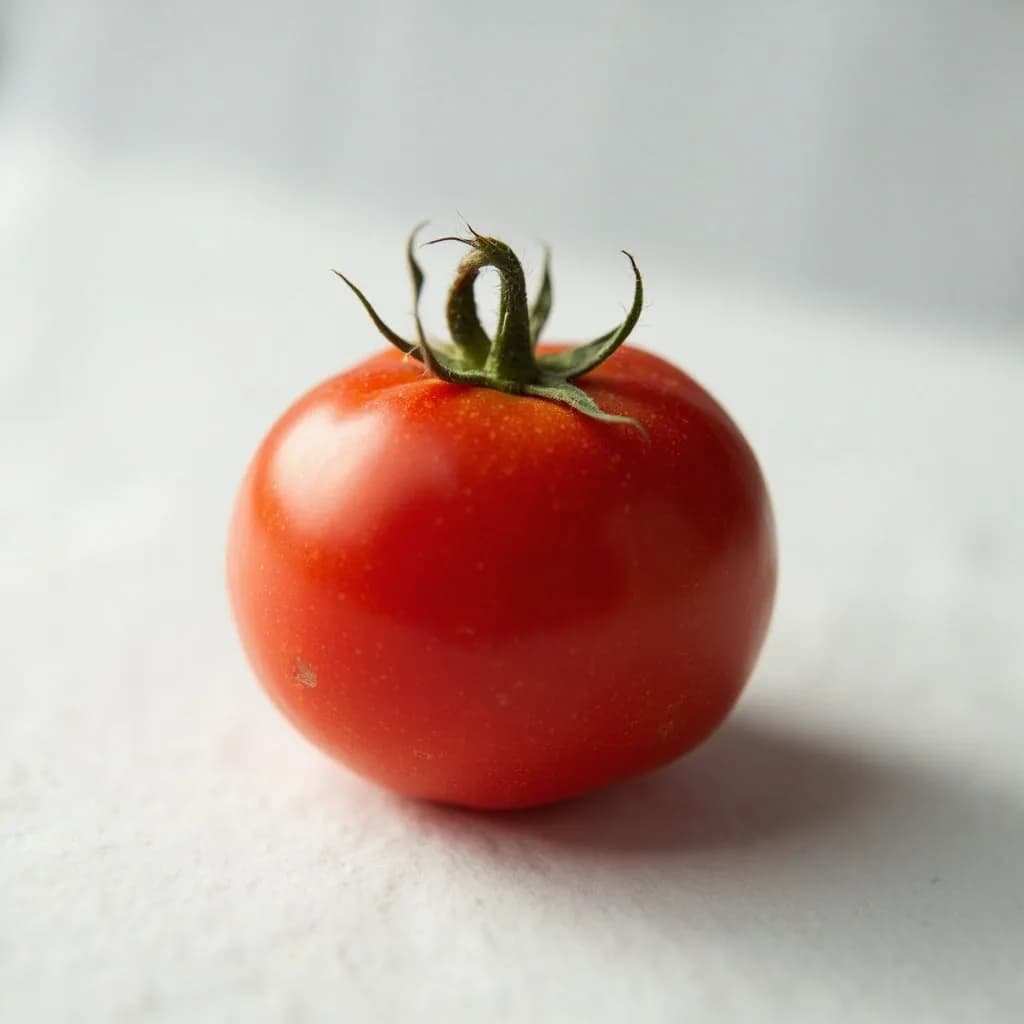
Tomato
Juicy, sun-sweet fruit for sauces, salads, and slow-cooked depth
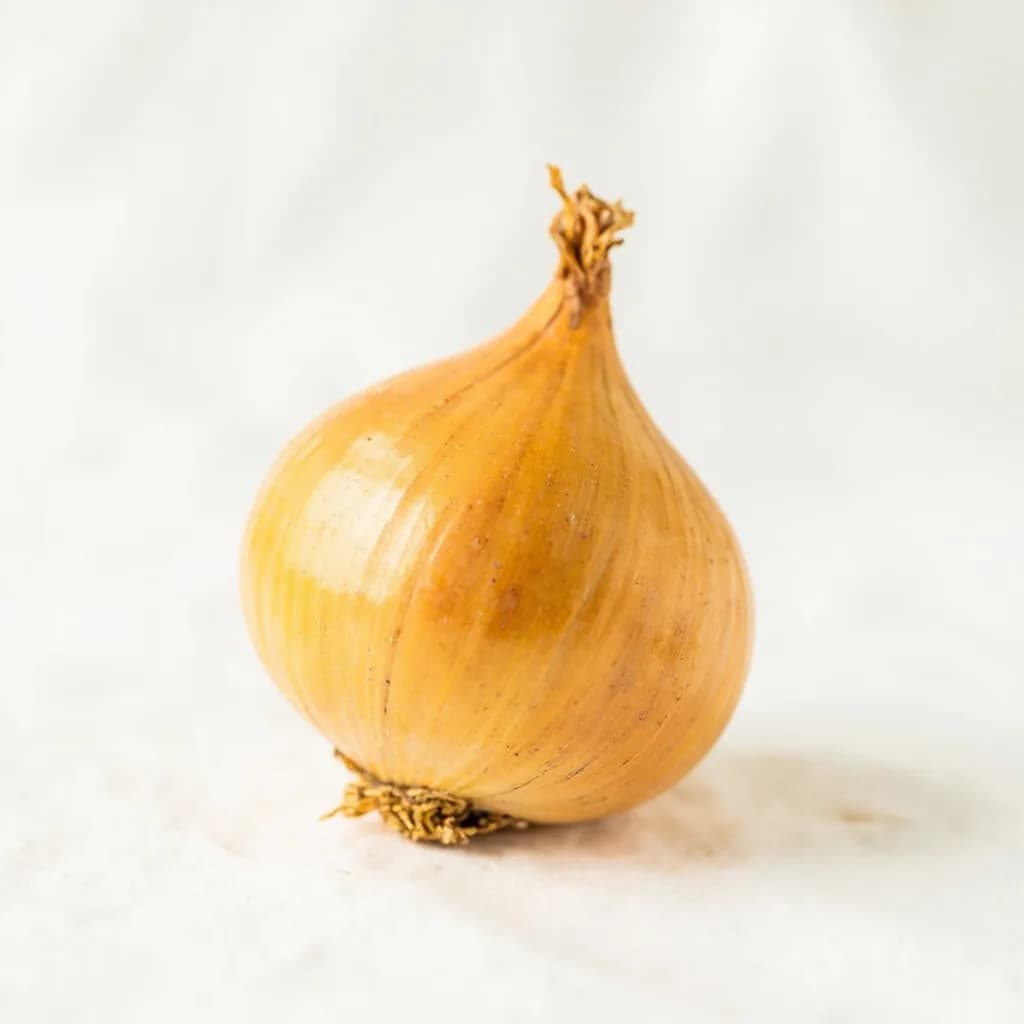
Yellow Onion
The aromatic backbone of soups, sofritos, and braises
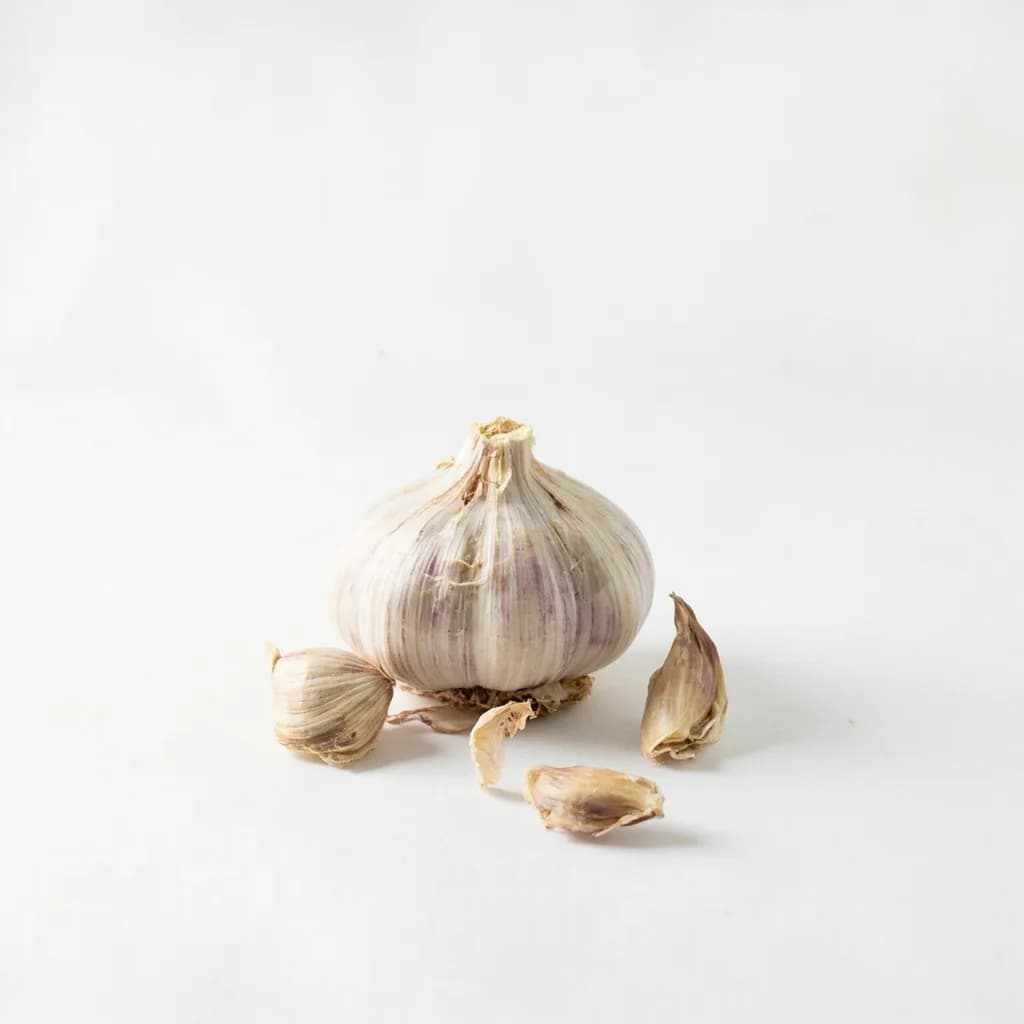
Garlic
Pungent cloves that perfume nearly every savory dish
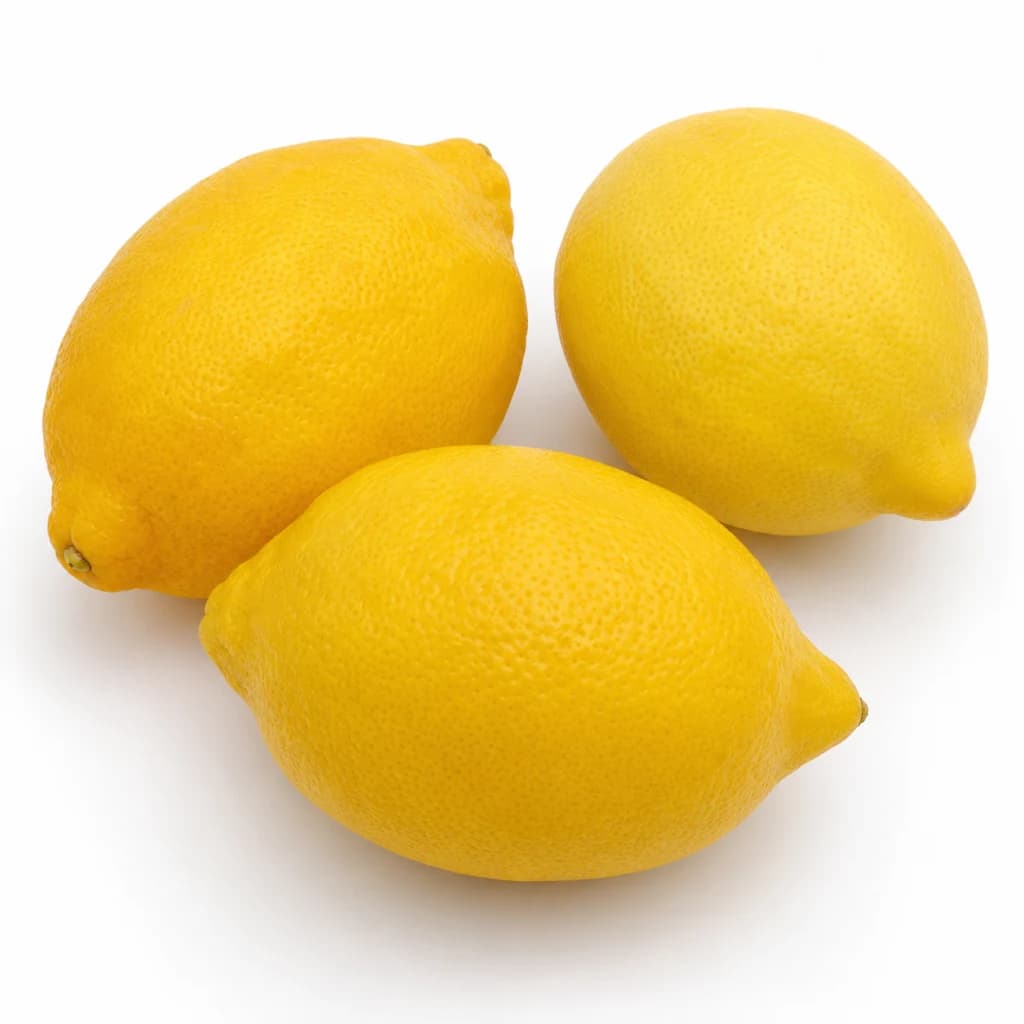
Lemon
Bright, acidic citrus that wakes up almost any dish
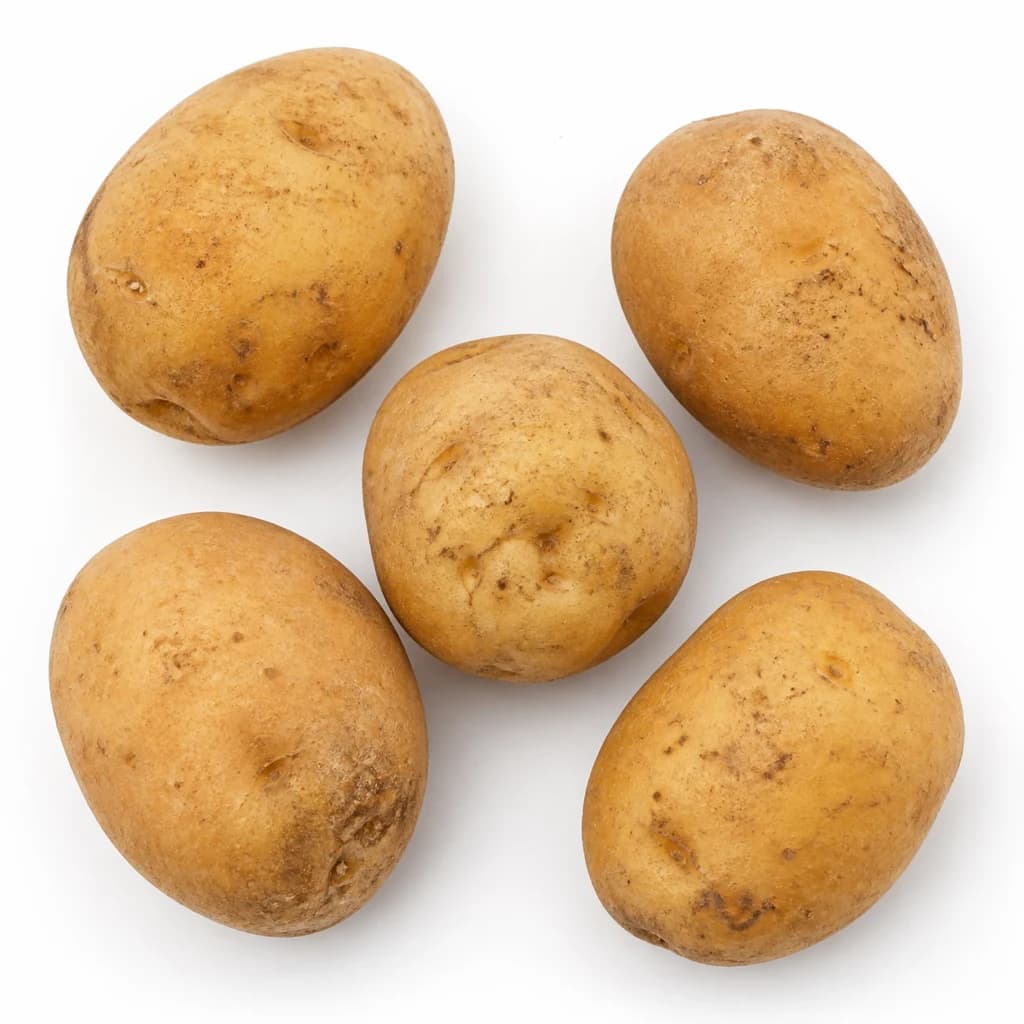
Potato
Humble, hearty staple — roast, mash, fry, or boil
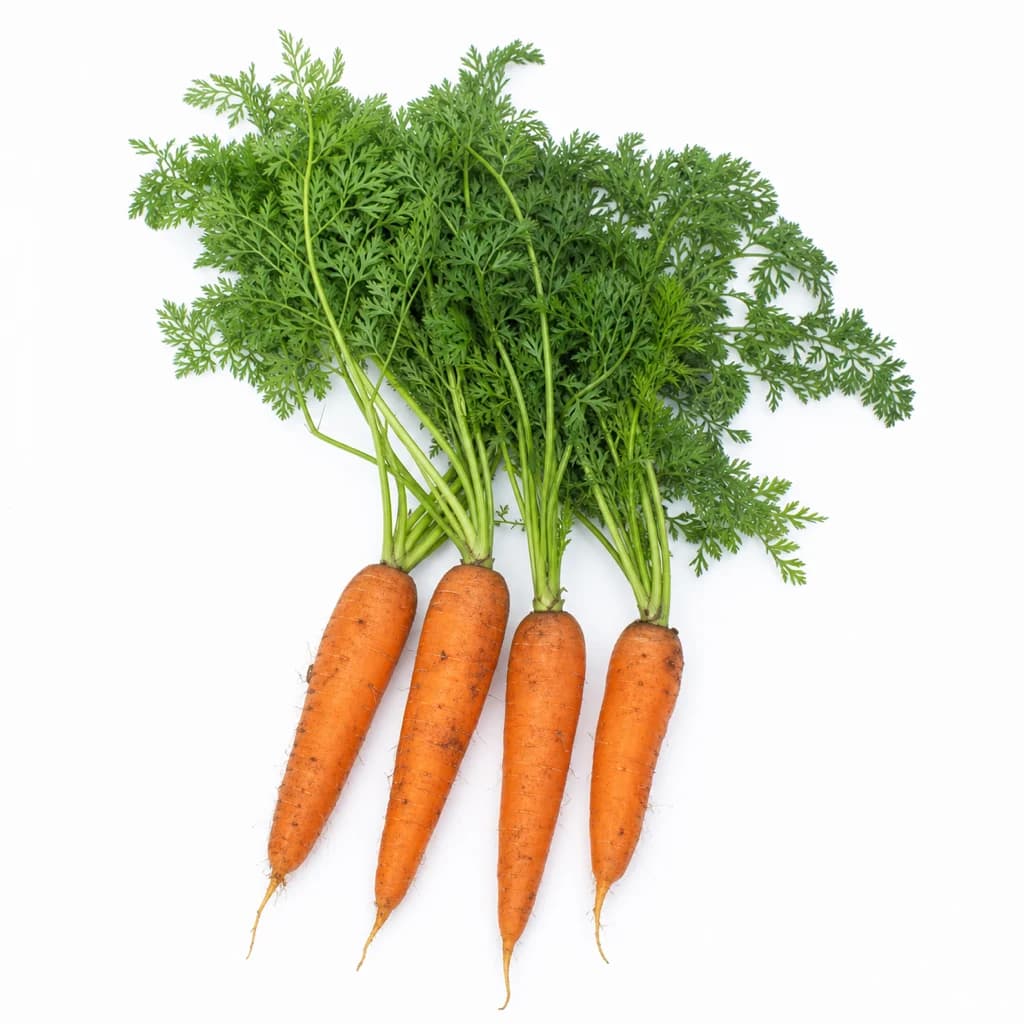
Carrot
Sweet, crunchy root — raw, roasted, or the base of a sofrito
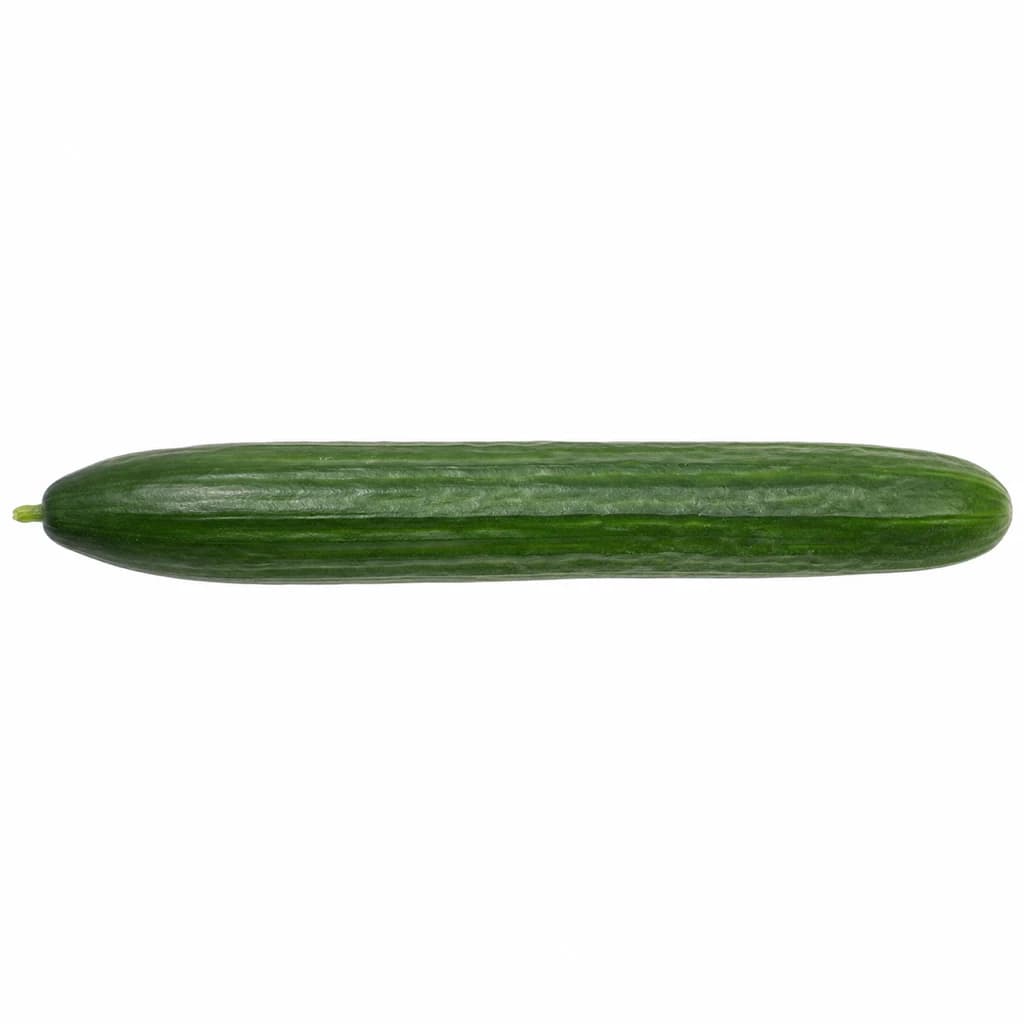
Cucumber
Cool, crisp, and watery — for salads, pickles, and tzatziki

Lettuce
Crisp leaves for salads, wraps, and a fresh crunch