Proteins
Hog Casing
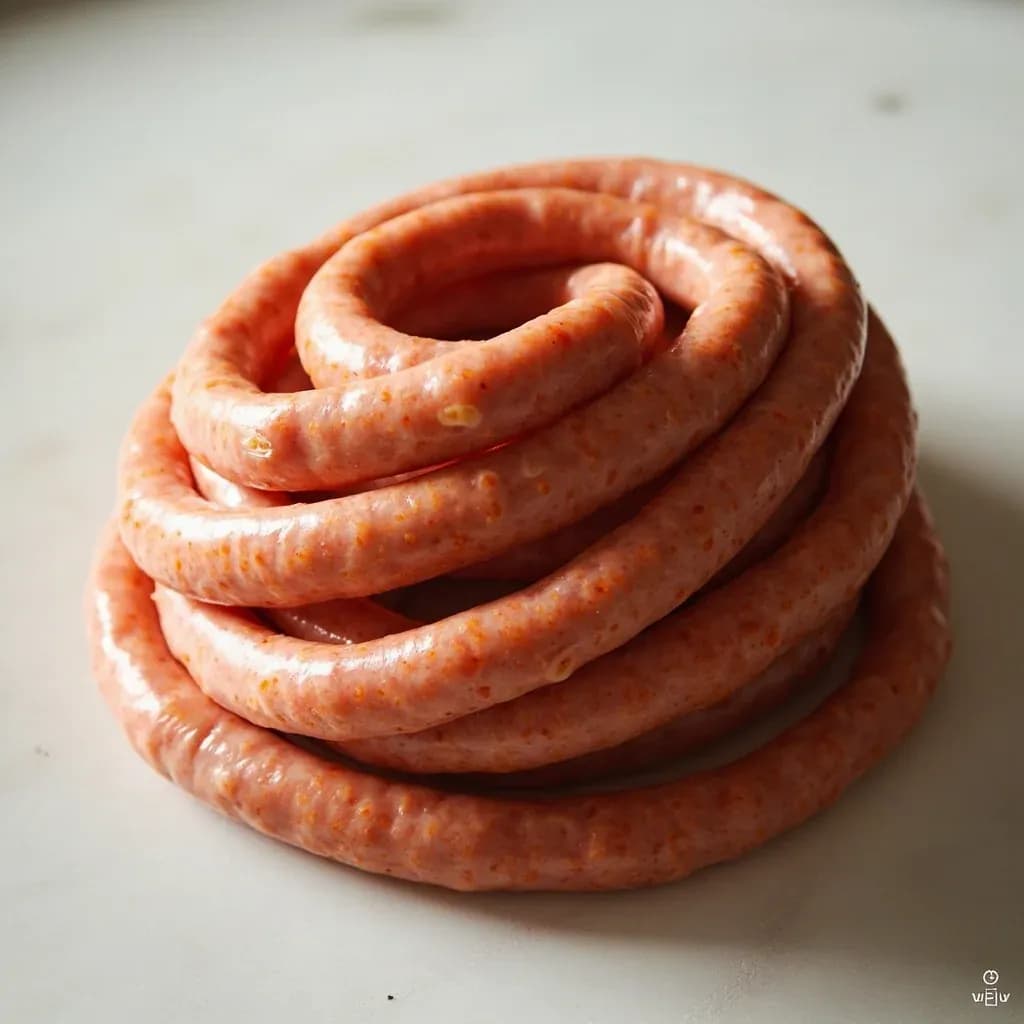
Natural pork intestine casing used to stuff homemade sausages.
Hog casings are the cleaned intestines of pigs, the traditional natural wrapper for stuffing sausages. They give sausages their characteristic snap when bitten and shrink to hug the filling as they cook. Sold salted or in brine, they must be soaked and rinsed before stuffing.
Hog casing is the small intestine of a pig, specifically the durable submucosa layer that remains after chemical processing removes the inner mucosa and outer serosa layers. This thin, strong membrane is what gives traditional fresh sausages their characteristic snap or crack when bitten—the texture that distinguishes a hand-stuffed link from an extruded tube. The submucosa is a remarkably efficient structure: a single hog intestine yields only one continuous strand of usable casing, which is why casings are sold by the linear foot. Natural hog casings have tiny pores that allow smoke, moisture, and heat to penetrate during cooking, producing evenly colored and textured sausage throughout.
The casing is not merely a container—it is functional architecture. It expands as the sausage fills, stretches during cooking as the meat proteins set, and contracts as the sausage cools, forming a tight seal around the filling. This elasticity is why overfilling causes bursting: the casing can only stretch so far before the seams fail. Fresh hog casings in brine are preferred by professional butchers and serious home cooks because they handle most forgivingly and produce the most consistent results. Salted casings are more shelf-stable but require thorough soaking and rinsing before use. Quality varies dramatically by supplier; specialty sausage-making retailers and local abattoirs consistently outperform generic grocery store offerings, which often arrive inconsistently trimmed or insufficiently processed.
- Measured in
- g
- Storage
- Fridge
Types & varieties
28–30 mm stuffed diameter; most common for fresh pork breakfast links and Italian sausage
32–36 mm stuffed diameter; used for thicker sausages like bratwurst and fresh chorizo
Larger-caliber sections from the middle portion of the intestine; used for mortadella and larger cured sausages
18–20 mm; finer caliber, traditional for frankfurters and merguez; not hog casing
38–44 mm; larger caliber, traditional for ring bologna and some salamis; not hog casing
Why Natural Casing Over Synthetic
Collagen and cellulose casings have their place, but they cannot replicate the snap of a natural hog casing. Collagen casings are easier to use and peel cleanly, making them popular in commercial production of fresh sausages where texture is less critical. However, collagen casings do not provide the characteristic bite, and they are unsuitable for hanging or curing. Natural hog casing remains the only choice when the traditional mouthfeel and smoke penetration of a properly made link sausage are the goal. The slight additional effort is rewarded with noticeably superior texture.
- Natural casing provides genuine snap texture that collagen cannot replicate
- Porous structure allows smoke and moisture to penetrate evenly during cooking
- Casing expands and contracts with the sausage during cooking, preventing tears
- Preferred for any sausage where flavor development through hanging or curing is intended
Choosing a Supplier
The difference between a frustrating stuffing session and a smooth one often comes down to casing quality. Specialty sausage-making suppliers like Sausage Maker, Butcher & Packer, and local abattoirs stock consistently superior product—casings that are evenly trimmed, properly processed, and free of excess fat or debris. Generic grocery store salted casings, by contrast, frequently arrive inconsistently cut, with variable salt coverage and sometimes damaged strands. Spending slightly more on quality casings from a dedicated supplier pays dividends in reduced tears, easier stuffing, and better final texture.
- Specialty suppliers offer better-processed, consistently trimmed casings
- Local abattoirs often sell fresh casings the same day animals are processed
- Compare strand length and cleanliness when ordering; longer continuous strands mean fewer joins to manage
- Reputable suppliers provide casing specifications that match your sausage diameter goals
Common uses
Tips & pitfalls
- Soak salted casings 30–60 minutes in room-temperature water before use; change water once midway to flush salt and debris
- Rinse casings thoroughly inside and out under cool running water, running water through the lumen with a casing brush or faucet adapter
- Keep casings submerged in water throughout stuffing to prevent drying and brittleness; a bowl of water at the stuffer is standard practice
- Use a proper vertical piston sausage stuffer rather than a mixer attachment; casings tear readily under high pressure from grinder-style devices
- Lubricate the stuffing tube with water or a small amount of pork fat to ease casing passage; never use petroleum-based lubricants
- Tie off one end before stuffing, leaving 2–3 inches of empty casing at the tied end for expansion during cooking
- Do not overfill—fill to approximately 80–85% of casing capacity; overfilling causes bursting during cooking or stuffing
- Room-temperature casings stuff more easily than cold casings; remove from refrigerator 15–20 minutes before use
- If air bubbles appear in stuffed links, prick with a sanitized sausage pricker or pin to release before cooking
- Link and twist at consistent intervals (typically 4–6 inches for retail-style links) before the sausage firms up; consistent twisting prevents links from unwinding during cooking
- After stuffing, refrigerate uncooked links 30–60 minutes before cooking to allow the casing to set and the sausage to firm
- Common mistake: using casings that have dried out during work—keep them submerged and work quickly once exposed
Nutrition
Nutrition
No USDA FoodData Central match for Hog Casing yet. We surface a per-100 g profile once a generic whole-food entry is matched and verified.
In the shops
Matched grocery products
No matched grocery products for Hog Casing yet.
Good to know
- Source
- Pork small intestine, submucosa layer only, after chemical processing removes mucosa and serosa
- Typical Stuffed Diameter
- 28–36 mm, depending on specification
- Available Forms
- Fresh in brine (refrigerated); salted (shelf-stable until opened); frozen
- Shelf Life
- Salted: 1–2 years refrigerated; fresh/brined: 2–4 weeks; frozen: 6–12 months
- Yield
- Approximately 1 lb (454 g) of casing per 35–40 linear feet (11–12 m)
- Key Characteristic
- Provides the distinctive snap or crack bite texture of traditional fresh sausages
- Smoke Permeability
- Natural pores allow smoke and moisture penetration during cooking
- Difficulty Level
- Moderate—requires practice to avoid tears and stuffing inconsistencies
Substitutes
- Collagen Casing (edible) — Man-made from bovine hide collagen; available in same calibers; easier for beginners; does not provide the same snap texture; best for fresh sausages only, not for hanging or curing
- Cellulose Casing — Paper-thin plant-based casing; used for fresh breakfast links like Little smokies; must be peeled before eating; not a direct substitute for snap texture
- Fibrous Cellulose Casing — Rigid casing for cook-and-eat sausages like hot dogs; not suitable for fresh link production in the home kitchen
Pairs with
Also called
Natural Hog Casing · Sausage Casing
Appears in these dishes
Related
Egg
The kitchen's everything ingredient — bind, leaven, enrich, or fry
Chicken Breast
Lean, quick-cooking white meat for everyday dinners

Ground Beef
Versatile minced beef for burgers, ragù, tacos, and meatballs
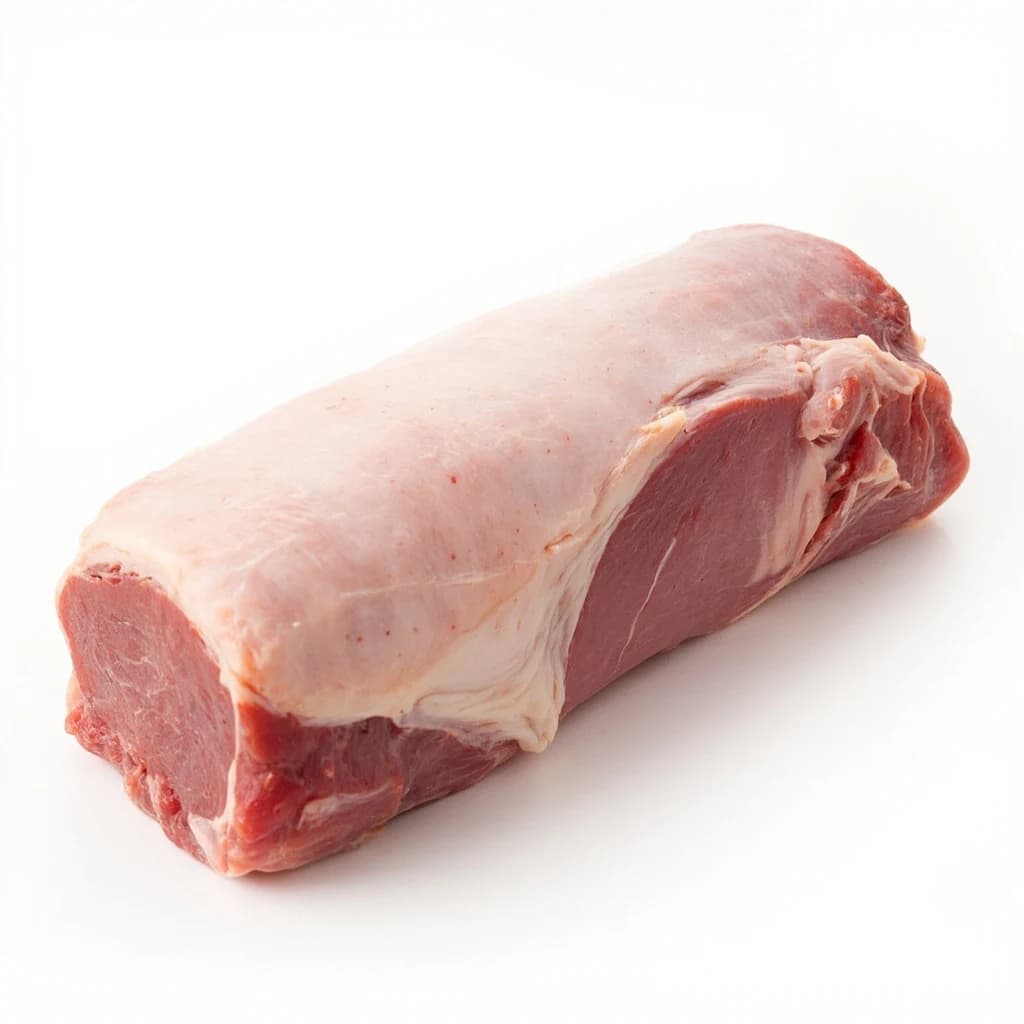
Pork Loin
Lean, tender roasting cut that stays juicy with care
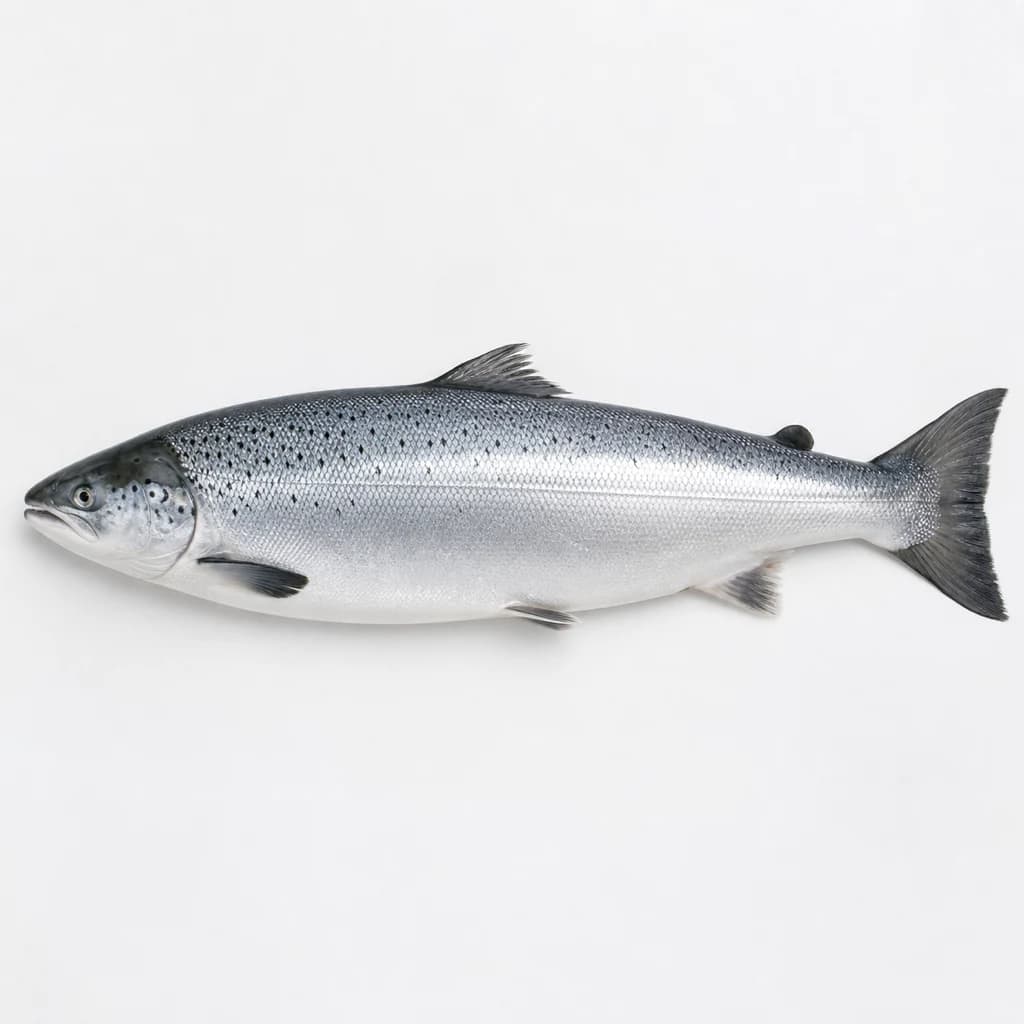
Salmon
Rich, rosy fish that roasts, grills, or cures beautifully

Egg White
Pure protein that whips to airy peaks for meringue and more
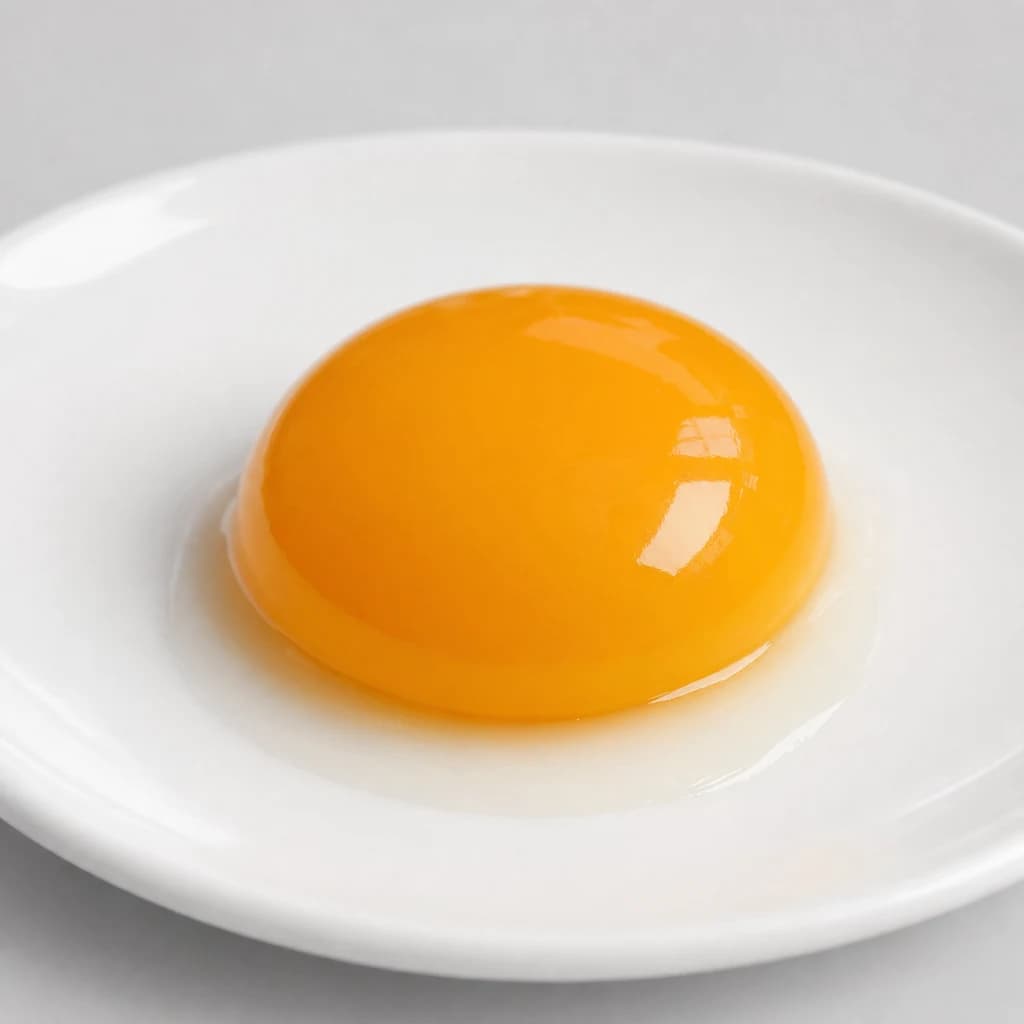
Egg Yolk
Rich, golden yolk for custards, mayonnaise, and pasta

Quail Egg
Tiny, speckled eggs for garnishing and elegant bites