Proteins
Milkfish (Bangus)
The national fish of the Philippines; meaty and rich, often deboned, fried, or marinated as daing.
Milkfish, known as bangus in the Philippines and ikan bandeng in Indonesia, is a popular farmed fish with rich, slightly oily white flesh and many fine bones. It is commonly deboned and fried, grilled, or marinated in vinegar and garlic (daing na bangus), and stuffed (rellenong bangus) for festive meals. Its full, savory flavor makes it a household staple in Southeast Asia.
Milkfish (Chanos chanos), the sole surviving member of the family Chanidae, holds undisputed status as the national fish of the Philippines. Revered for its generous, meaty frame and modest price point, milkfish has become a staple protein across Southeast Asia, appearing on daily tables and celebratory banquets alike. Its mild, slightly sweet flavor with a subtle nuttiness makes it remarkably versatile, while its dense, firm flesh holds together admirably in soups, stews, and braises where flakier fish would disintegrate.
The fish adapts exceptionally well to the bold, acidic, and aromatic flavor profiles defining Philippine cuisine. Split and marinated in vinegar-garlic-pepper for daing, stuffed with aromatics and grilled over charcoal, or simmered in sour tamarind broth—milkfish absorbs strong seasoning without becoming overwhelming. Its moderate fat content provides enough body to stand up to frying while remaining accessible to everyday cooking.
The primary challenge lies in milkfish's notorious pin bones, called y-bones, which run in a distinctive line along the fillet. Filipino cooks have developed remarkable skill in hand-deboning whole fish while keeping the specimen intact, and the industry has responded with mechanical deboning processes. For the home cook, patience and needle-nose pliers are essential—the effort is worthwhile given the yield and versatility.
- Measured in
- g
- Storage
- Fridge
Allergens
Types & varieties
Most common commercial source; tends to be fattier and more consistent in size; ideal for daing and fried preparations
Firmer flesh, slightly leaner with more pronounced flavor; prized for sinigang and grilled preparations
Higher market value; often served as sashimi in Taiwan; noted for clean flavor and buttery texture
Premium cut from the meaty belly section; popular for stuffing or marinated preparations
The Art of Deboning
Deboning milkfish is the central technical challenge that defines working with this fish. The intramuscular pin bones (y-bones) run in a distinctive line parallel to the spine and must be removed before cooking, not after. Professional Filipino cooks develop considerable skill at removing both spine and pin bones while keeping the fish intact for presentation. For the home cook, work with a dressed fillet rather than a whole fish: locate the dorsal line of pin bones, make shallow cuts on either side of the bone line, and extract the bones with needle-nose pliers or tweezers, working from tail to head. The Philippine fish industry has developed specialized mechanical deboning equipment specifically for milkfish, making deboned portions widely available in markets—an enormous convenience for everyday cooking.
- Always descale before deboning; scales interfere with bone removal
- Work quickly once bones are exposed to prevent the flesh from tearing
- If purchasing pre-deboned portions, verify freshness by checking for firm, springy flesh without gaps where bones were removed
Selecting Milkfish
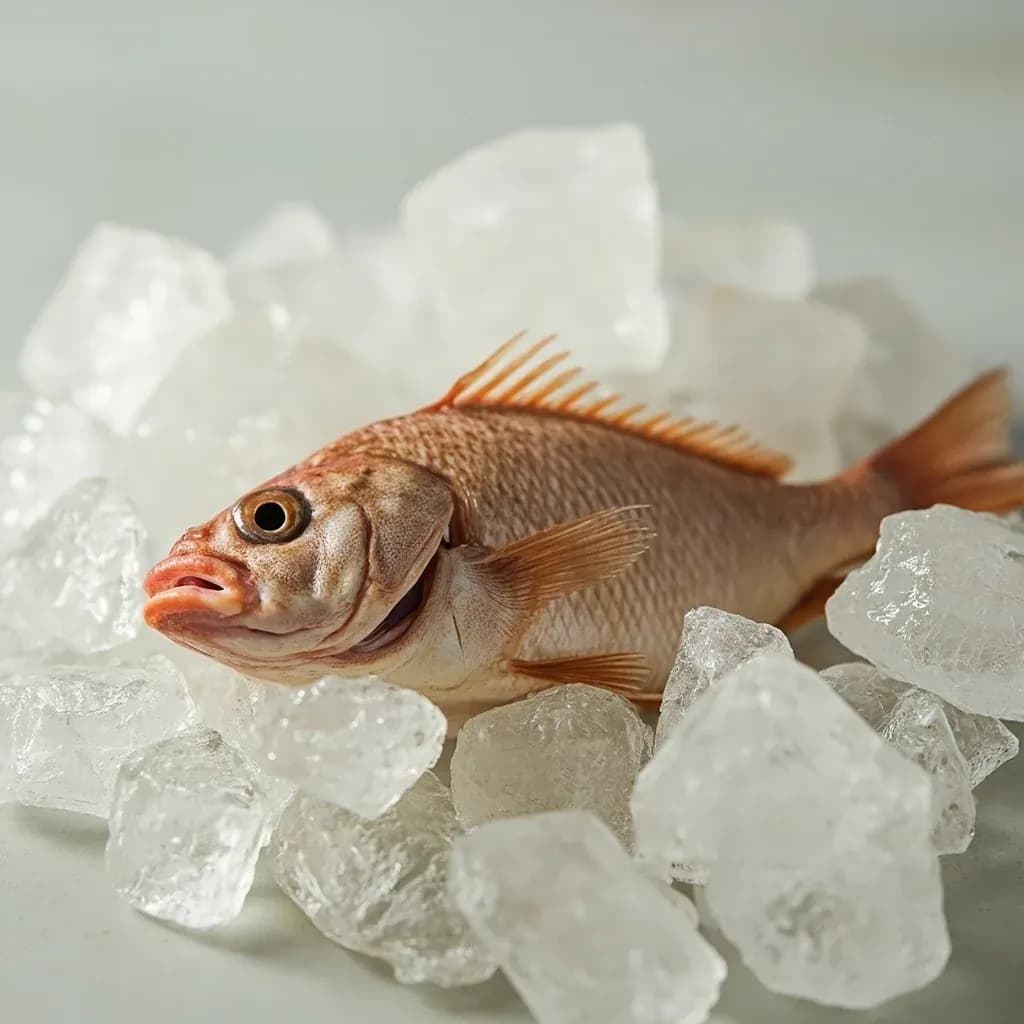
When purchasing whole or dressed milkfish, freshness is paramount despite the fish's mild flavor being more forgiving than stronger fish. Press the flesh firmly with a finger—it should spring back immediately, leaving no indentation. The eyes should be clear and bright, not sunken or clouded. Gills should be bright red or pink, never brown or slimy. Avoid any fishy or ammonia-like odor, which indicates spoilage. For the best texture in grilled and sinigang preparations, ask specifically for wild-caught if available; for frying and marinating, pond-raised offers consistent size and good fat content.
- Fresh milkfish should be used within 1–2 days of purchase, stored on ice
- Frozen whole or dressed fish is acceptable for most preparations; avoid fish with ice crystals or freezer burn
- For frying, dress the fish yourself or request it pre-scaled and gutted—prepared fried milkfish is a recognizable street-food presentation, but the skin crispness suffers with frozen fish
Common uses
Tips & pitfalls
- Always descale thoroughly before cooking—milkfish scales are small and tenacious; a proper fish scaler works better than a knife edge
- Deboning: Locate the dorsal line of pin bones (y-bones) along the fillet; remove them with needle-nose pliers or tweezers before cooking, not after
- For crispy fried milkfish: Pat the fish completely dry, score the skin lightly before frying, and use a neutral oil at 175–180°C (350–360°F)
- If buying whole: look for clear, bright eyes; bright red or pink gills; the flesh should be firm and spring back when pressed; avoid any fishy odor
- Do not overcook: Milkfish continues to cook from residual heat; remove from heat when the flesh turns opaque throughout and just begins to flake at the surface
- When using in soups: Add the fish toward the end of cooking; 8–12 minutes of gentle simmering is sufficient for a 500 g piece
- For marinated preparations (daing), allow at least 2–3 hours in the marinade; overnight produces the most flavorful result
- Grilling: Oil the fish generously to prevent sticking; a medium-hot fire and 5–7 minutes per side for a 1 kg fish works well
Nutrition
Energy
619 kJ · per 100 g
Where the calories come from
Protein
20.5g
41% DV
Carbs
0g
0% DV
Fat
6.7g
9% DV
Fiber
0g
0% DV
Sodium
72mg
3% DV
Source · USDA FoodData Central · Fish, milkfish, raw
View on FDC →In the shops
Matched grocery products
No matched grocery products for Milkfish (Bangus) yet.
Good to know
- Scientific Name
- Chanos chanos
- Family
- Chanidae (the only surviving member)
- Native Range
- Indo-Pacific: from the Red Sea and East Africa to Polynesia, Hawaii, and the eastern Pacific
- Primary Producers
- Philippines, Indonesia, Taiwan, and Papua New Guinea
- Farming Method
- Extensive brackish-water pond culture; also cage culture in marine and freshwater environments
- Market Size
- Typically harvested at 500 g–1.5 kg (1–3 lbs); pond-raised reaches this in 6–10 months
- Flavor Profile
- Mild, slightly sweet, with a subtle nuttiness; meaty, firm flesh with medium flake
- Texture
- Dense and substantial; holds together well in soups and stews unlike flakier fish
- Fat Content
- Moderate; farmed milkfish tends to be richer than wild-caught
- Yield
- Whole fish to dressed (head, fins, viscera removed): approximately 50–55%; dressed to skinless fillet: approximately 45–50%
- Bones
- Notable for many small intramuscular pin bones (y-bones); requires careful removal or skilled eating
- Availability
- Fresh, frozen whole/dressed, and as deboned portions year-round; most common in Southeast Asian markets
- Storage
- Use within 1–2 days fresh on ice; up to 6 months frozen at −18°C (−0.4°F)
- Nutrition
- High-quality protein; good source of omega-3 fatty acids (EPA/DHA), selenium, niacin, and B12
Substitutes
- Mullet — Comparable firmness and mild, slightly earthy flavor; behaves similarly in soups and grilling; excellent second choice
- Mackerel (Soboro/Indian mackerel) — Similar texture; stronger flavor; works well in vinegar-based preparations and grilled; more oily than milkfish
- Bluefish (Tulingan) — Good firmness; stronger taste; acceptable for fried and grilled preparations; avoid for mild preparations
- Carp — Similar meaty texture; more available in some markets; slightly stronger flavor; excellent for soups and stews
- Catfish (Hito) — Similar firmness and mildness; widely available in Southeast Asia; lower in omega-3s but good for the same cooking methods
Pairs with
Also called
Milkfish (Ikan Bandeng) · Bangus · Ikan Bandeng
Appears in these dishes
Related

Egg
The kitchen's everything ingredient — bind, leaven, enrich, or fry
Chicken Breast
Lean, quick-cooking white meat for everyday dinners

Ground Beef
Versatile minced beef for burgers, ragù, tacos, and meatballs
Pork Loin
Lean, tender roasting cut that stays juicy with care

Salmon
Rich, rosy fish that roasts, grills, or cures beautifully

Egg White
Pure protein that whips to airy peaks for meringue and more

Egg Yolk
Rich, golden yolk for custards, mayonnaise, and pasta

Quail Egg
Tiny, speckled eggs for garnishing and elegant bites