Natural form
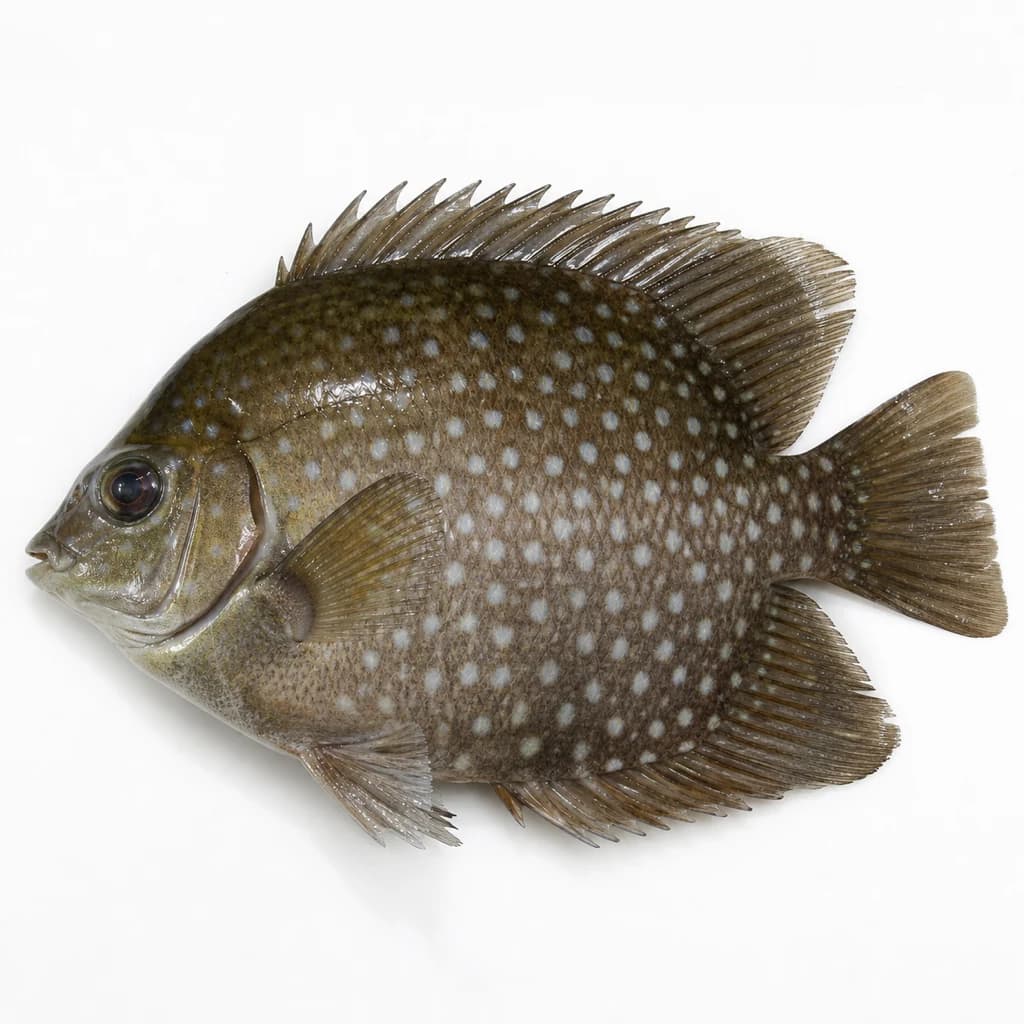
Whole fresh pearl spot fish, showing its distinctive oval body, dark scales, and iridescent spots.
Shows the reader the complete, unprocessed fish so they can identify it by shape, scale pattern, and the iridescent pearl-like spots that give it its name.
Proteins
Pearl Spot (Karimeen)
Keralan estuarine fish, marinated and pan-fried whole as karimeen pollichathu.
Pearl spot, known as karimeen, is a prized estuarine fish from the backwaters of Kerala, India. It is scored, rubbed with a fiery red chili-spice masala and pan-fried, classically wrapped in banana leaf as karimeen pollichathu. The firm white flesh has a distinctive, slightly tangy flavor.
Pearl Spot (Etroplus suratensis), known as karimeen in Kerala, is one of India's most cherished estuarine fish. Recognizable by its iridescent pearl-like spots scattered across olive-green to silver scales, this small fish inhabits the backwaters, estuaries, and coastal waters of Kerala's lush southern coast. Its cultural significance extends beyond the kitchen—it appears in religious offerings, festive feasts, and everyday meals, earning a place in the region's culinary identity alongside ingredients like coconut and curry leaves. The fish's remarkable adaptability to both fresh and brackish water has supported both wild harvests and successful aquaculture, making it consistently available throughout the region.
The flesh is notably mild and subtly sweet, with a delicate white color that lightens to clean white when cooked. Unlike firmer ocean fish, pearl spot has a tender, yielding texture that flakes beautifully when properly cooked, though small, fine bones run throughout—these are easily navigated by experienced eaters and do not impede cooking in any way. The fish carries very little internal fat, which means it benefits from coconut oil both as a cooking medium and flavor agent. Its inherent sweetness, while subtle, distinguishes it from blander substitutes and makes it especially receptive to bold Kerala spice profiles.
- Measured in
- g
- Storage
- Fridge
Allergens
Types & varieties
The estuarine variety; richer flavor, darker stripes along the body
Cultured in Kerala backwater systems; milder flavor, slightly softer texture
The Banana Leaf Tradition
The banana leaf is central to pearl spot's most celebrated preparation, karimeen pollichathu. The large, pliable leaf serves as both cooking vessel and serving platter—a functional choice that predates modern cookware and lends a subtle grassy, vegetal aroma to the fish as it cooks. Before wrapping, the leaf is briefly passed over an open flame to wilt it slightly, making it pliable enough to fold without tearing. The marinated fish is placed on the leaf, folded enclosure-style, and either pan-fried in coconut oil or grilled over charcoal. At the table, the leaf is scored open and diners eat the fish directly from the wrapper—the leaf's edge turned up to contain the juices.
- Use banana leaves fresh, not frozen, for maximum flexibility
- Briefly char the leaf on direct flame for 30–60 seconds, rotating until pliable and slightly darkened in spots
- The leaf should remain intact around the fish throughout cooking
Selecting and Buying Pearl Spot
Freshness is paramount with this delicate fish. Choose specimens with clear, protruding eyes and bright, metallic-sheen scales—the iridescent spots should catch light. The gills should be bright red or pink, never brown or slimy. Fresh pearl spot has a clean, mildly sweet smell, nothing fishy or ammonia-like. When pressed, the flesh should spring back immediately. Frozen pearl spot is acceptable for curry preparations but is unsuitable for pollichathu or pan-frying, where skin crispness and texture matter most. Whole fish are typically sold gutted but with scales intact; ask your fishmonger to clean it thoroughly if needed.
- Buy from a source with high turnover for the freshest selection
- Avoid fish with sunken eyes, dull scales, or a strong fishy odor
- Request scales removed just before cooking if you prefer skin-on eating
Common uses
Tips & pitfalls
- Score the fish 2–3 times on each side before marinating to allow spices to penetrate the flesh deeply
- Do not over-marinate; 20–30 minutes is sufficient for the delicate flesh, which can turn mushy if left too long in acid
- Use coconut oil for authentic Keralan flavor and its high smoke-point suitable for pan-frying
- When making pollichathu, wilt the banana leaf over an open flame before wrapping to prevent tearing during cooking
- Common mistake: overcooking—pearl spot is done when the flesh turns opaque throughout and flakes easily at the thickest part
- If frying whole, start skin-side down and resist moving the fish until the skin crisps, about 3–4 minutes
- Remove the fish from heat just before it appears fully done; carryover cooking will finish it perfectly
Nutrition
Energy
515 kJ · per 100 g
Where the calories come from
Protein
18.5g
37% DV
Carbs
0g
0% DV
Fat
4.9g
6% DV
Fiber
0g
0% DV
Sodium
29mg
1% DV
Source · USDA FoodData Central · approx. Fish, spot, raw
View on FDC →In the shops
Matched grocery products
No matched grocery products for Pearl Spot (Karimeen) yet.
Good to know
- Scientific Name
- Etroplus suratensis
- Origin
- Kerala, India (backwaters, estuaries, coastal waters)
- Typical Size
- 15–30 cm; 150–500 g
- Flavor
- Mild, subtly sweet; delicate white flesh with low oil content
- Texture
- Firm yet tender; small, fine bones throughout
- Peak Season
- Year-round; best quality Oct–Mar
- Shelf Life
- Use within 24–48 hours if refrigerated; up to 3 months frozen
- Prep Required
- Scaled, gutted, gills removed; fins optional for presentation
Substitutes
- Pomfret — Similar size and delicate flavor profile; lacks karimeen's subtle sweetness but well-suited to the same preparations
- Sole or Filet of Sole — Good texture match with comparable tenderness; remove bones before cooking for easier eating
- Rainbow Trout — Comparable mildness; skin crisps well; slightly firmer texture but behaves similarly in the pan
- Mullet — Estuarine origin and mildly sweet flavor; may be more readily available outside Kerala
Pairs with
Also called
Karimeen · Green Chromide
Related
Egg
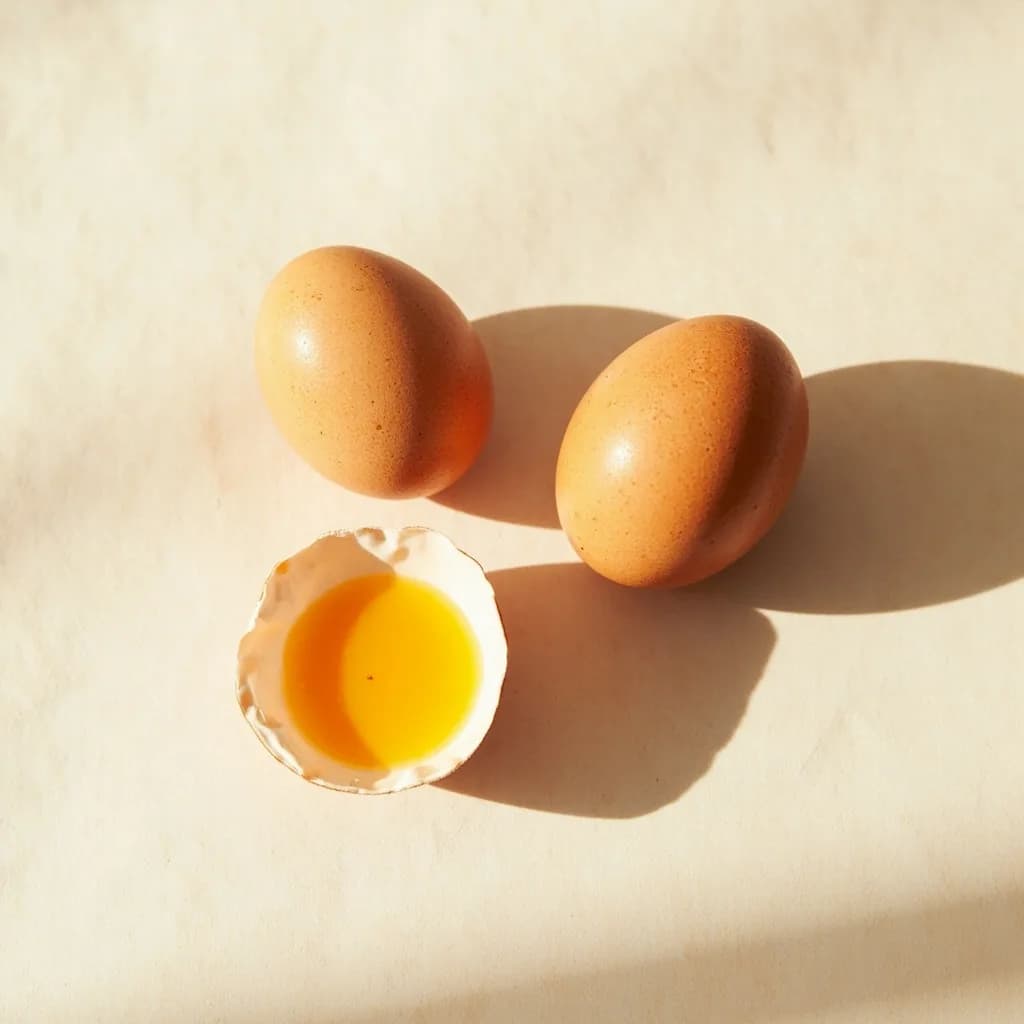
The kitchen's everything ingredient — bind, leaven, enrich, or fry
Chicken Breast
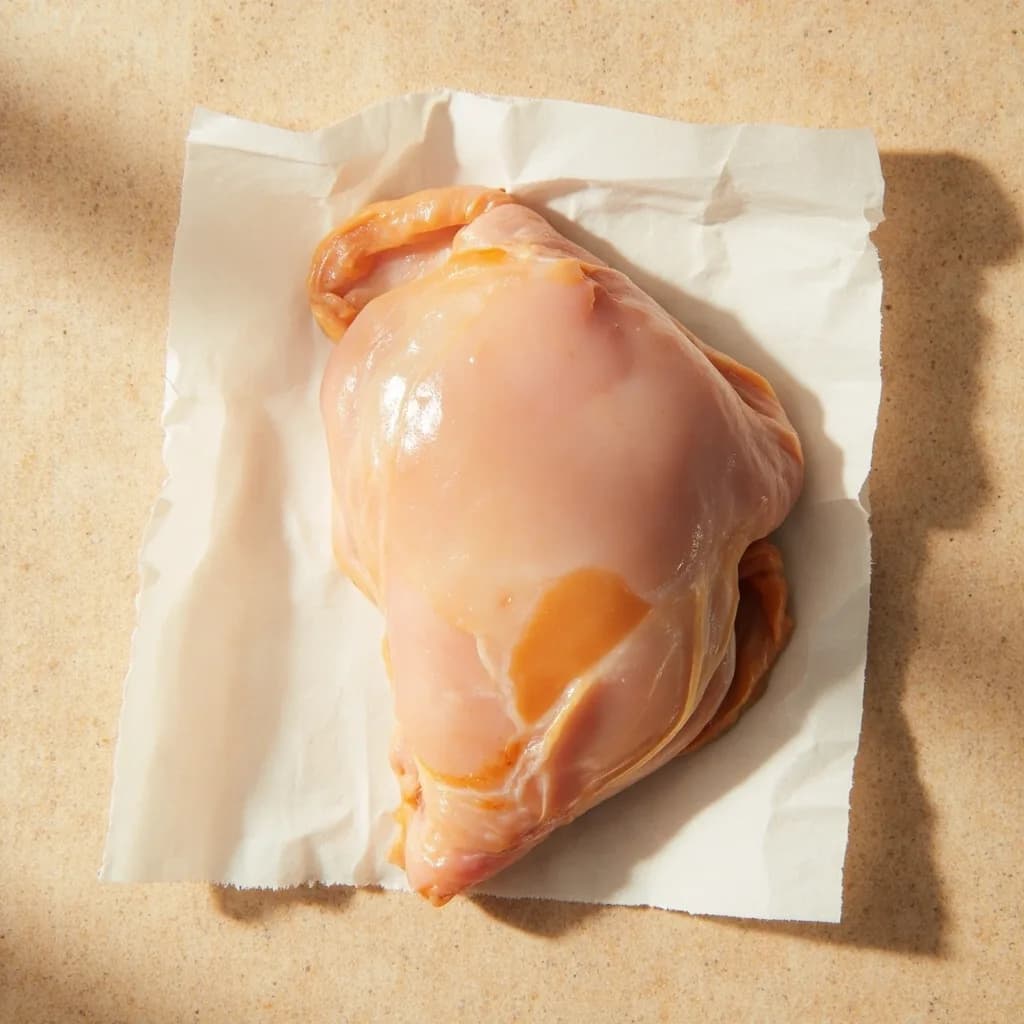
Lean, quick-cooking white meat for everyday dinners

Ground Beef
Versatile minced beef for burgers, ragù, tacos, and meatballs
Pork Loin
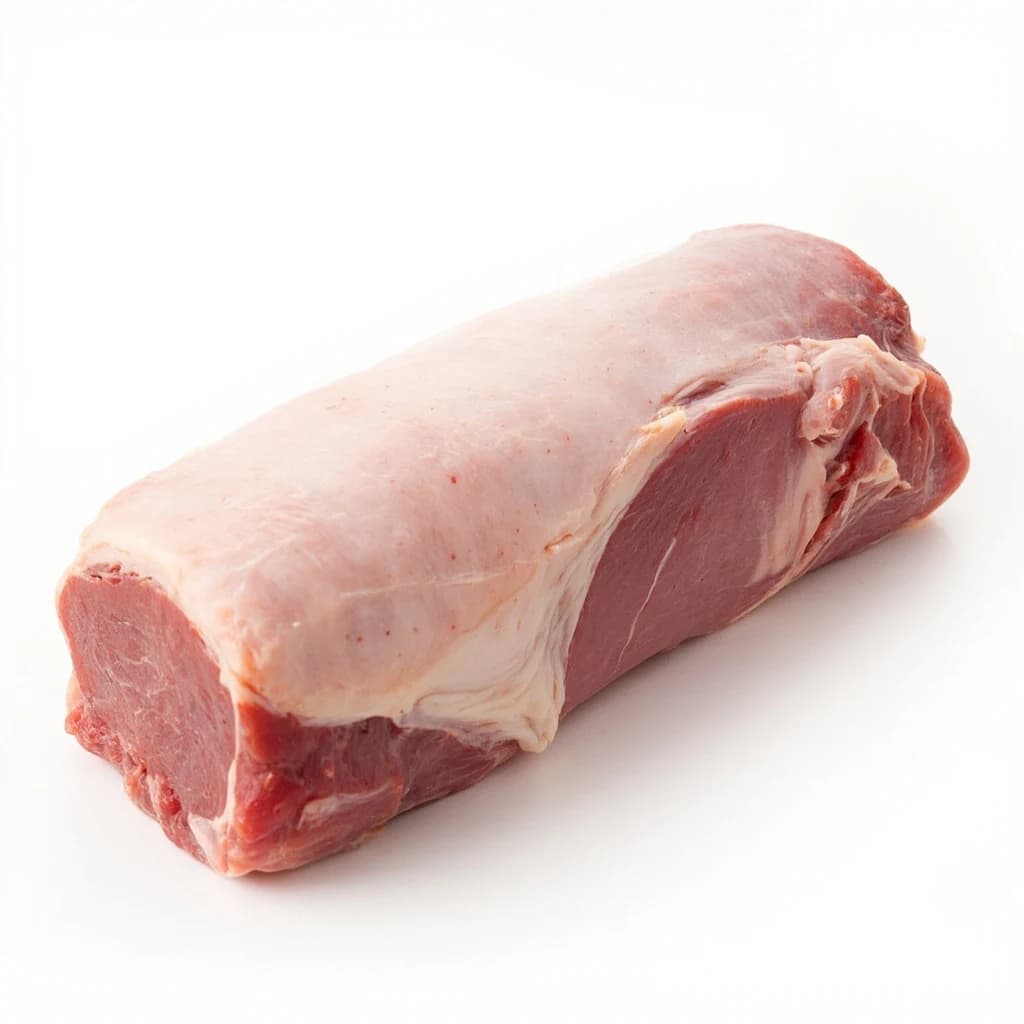
Lean, tender roasting cut that stays juicy with care
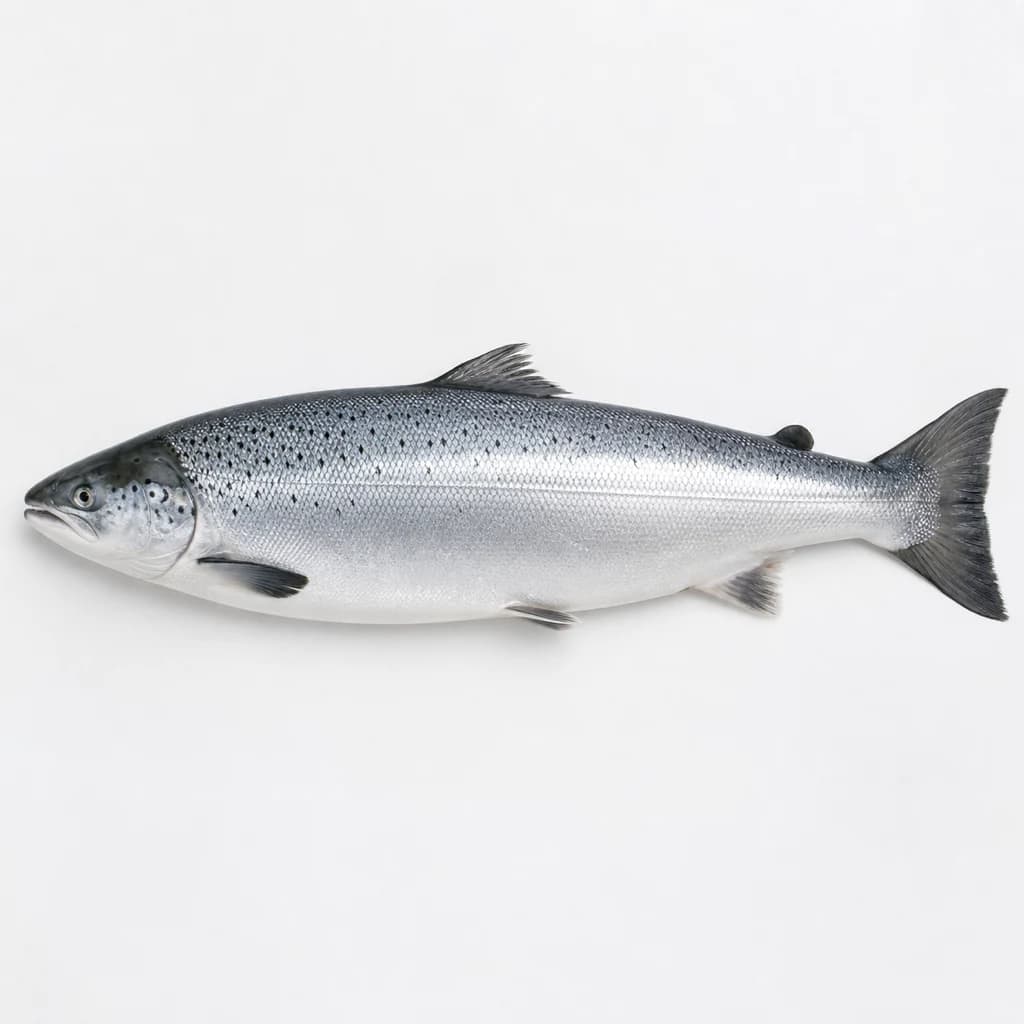
Salmon
Rich, rosy fish that roasts, grills, or cures beautifully

Egg White
Pure protein that whips to airy peaks for meringue and more
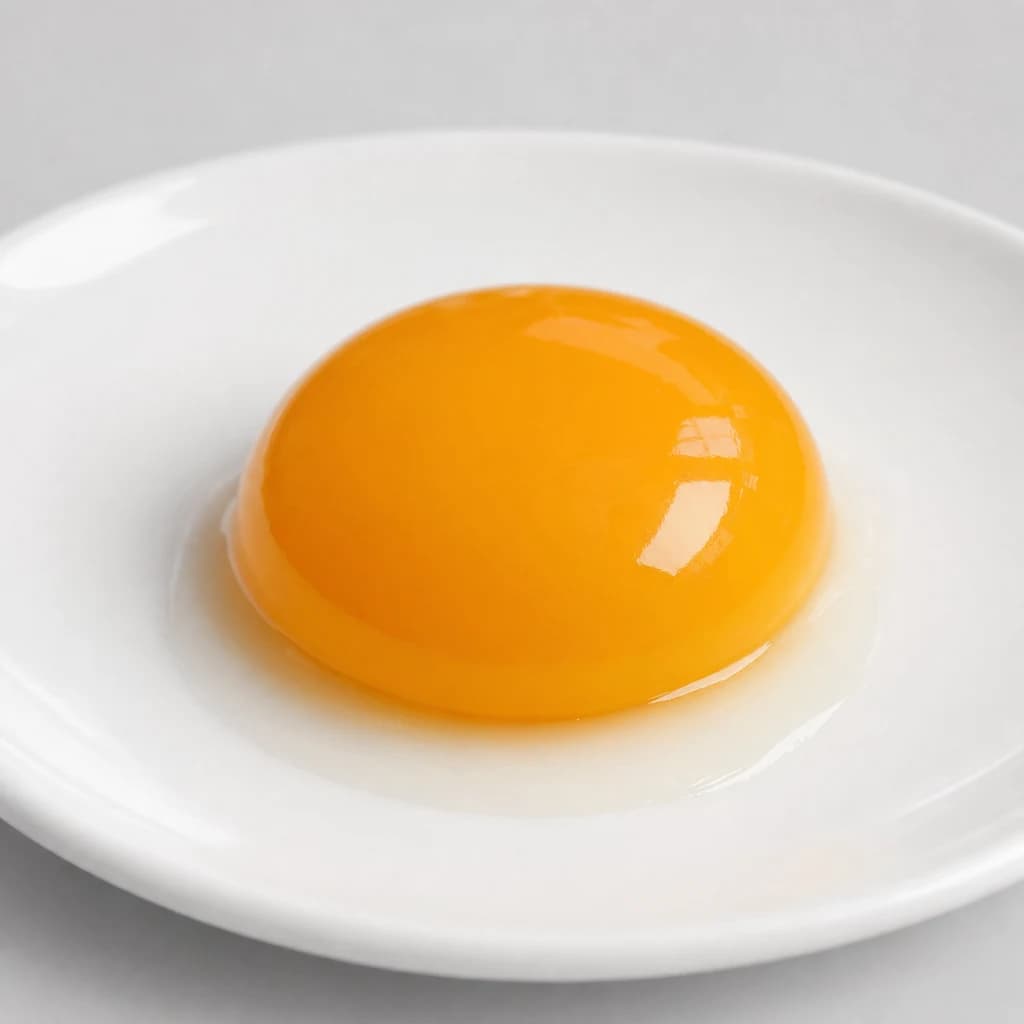
Egg Yolk
Rich, golden yolk for custards, mayonnaise, and pasta

Quail Egg
Tiny, speckled eggs for garnishing and elegant bites