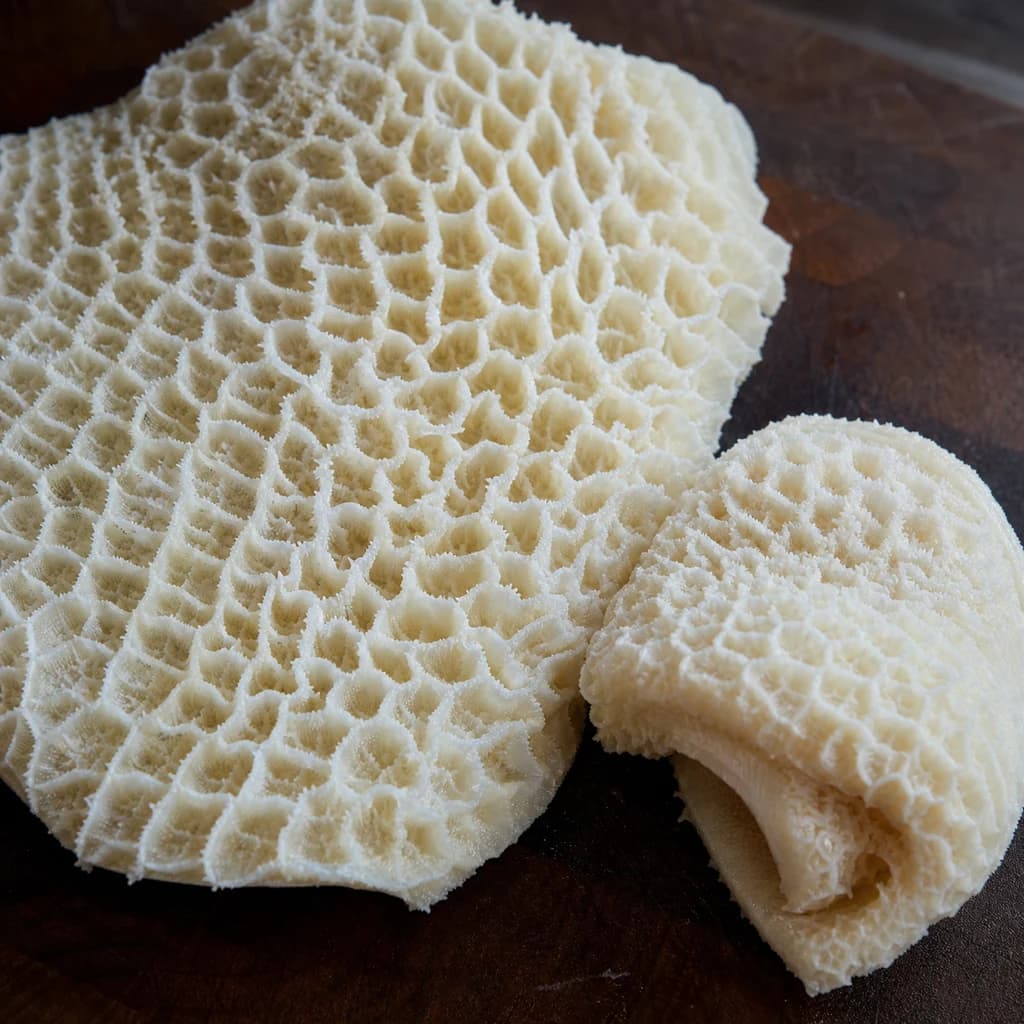
Natural form
Raw honeycomb tripe fresh from the butcher, showing its distinctive ridged grid pattern.
Establishes the most recognizable visual signature of tripe — the honeycomb texture — so readers can identify it at the market.
Proteins
Tripe
Cleaned stomach lining with a chewy texture, slow-cooked in hearty stews and soups.
Tripe is the edible lining of a cow's or sheep's stomach, with a distinctive honeycomb or smooth texture and a mild flavor that absorbs surrounding seasonings. It is slow-simmered in dishes like menudo, trippa, African matumbo, and Nigerian shaki until tender. Thorough cleaning and long cooking are key to its prized soft-yet-chewy bite.
Tripe is the edible lining of a ruminant stomach, most commonly from cattle, sheep, or pigs. It has been a cornerstone of peasant and offal cookery for millennia—no slaughterhouse byproduct was wasted in traditional food cultures, and tripe became the foundation of deeply satisfying dishes from Mexican menudo to French gras-double. The appeal lies in its remarkable texture: raw tripe is firm and slightly rubbery, but when subjected to long, slow cooking in an acidic liquid, the collagen and elastin fibers break down into something yielding and silky, with a pleasant chew that holds its shape in brothy preparations. Its flavor is mild and beefy, slightly metallic in the raw state, which is why it absorbs and amplifies the aromatics around it rather than demanding attention on its own. Because it is extraordinarily high in protein, low in fat, and rich in B vitamins (especially B12), zinc, and iron, tripe offers exceptional nutrition alongside its economical price—once you understand how to handle it.
Different stomach chambers produce distinctly different textures and appearances, which is why culinary traditions have strong preferences for specific varieties. The honeycomb pattern of the omasum (second stomach) is the most prized in American and French markets for its visual appeal and superior mouthfeel, while the smooth rumen (first stomach) is larger and slightly tougher. These differences matter in the kitchen: blanket tripe needs more cooking time than honeycomb to reach the same tenderness, and reed tripe from the abomasum requires the longest treatment of all. Most commercially available tripe in Western markets has already been blanched or "pickled" by the packer, which means it has been scalded and cleaned of surface impurities—saving you the most labor-intensive step. If you encounter raw, unbleached tripe at a butcher, be prepared for a thorough soaking and scrubbing regimen before cooking.
The cooking of tripe is an exercise in patience rewarded by results. It demands low, slow, moist heat and at least a touch of acidity in the liquid—tomatoes, wine, vinegar, or lemon all serve this purpose while contributing their own flavors. A covered Dutch oven at a bare simmer for two to four hours will transform even the toughest variety into fork-tender submission. The braising liquid becomes the sauce, and because tripe has no strong flavor of its own to fight the additions, it takes on whatever you build around it: robust and spicy in Mexican preparations, bright with tomato and white wine in Italian trattorias, gutsy with chorizo and chickpeas in Spanish callos. Leftover cooked tripe keeps well refrigerated in its braising liquid for several days and reheats gently without losing texture—making it a patient cook's ally rather than a demanding ingredient.
- Measured in
- g
- Storage
- Fridge
Types & varieties
From the second stomach (omasum); distinctive honeycomb surface pattern; most prized and commonly sold in the US for superior texture and visual appeal.
From the first stomach (rumen); smoother surface, larger pieces; mild flavor but can be slightly tougher; often sold as 'plain' or 'regular' tripe.
From the third stomach (reticulum); layered, accordion-like appearance; denser and richer in nutrients; requires longer cooking than honeycomb.
From the fourth stomach (abomasum); has visible ridges or 'reeds'; used for natural sausage casings; requires the longest cooking time of all varieties.
From pig stomachs; smaller and thinner than beef tripe; popular in Asian, Portuguese, and Spanish cuisines; cooks faster than beef varieties.
Smaller and more delicate than beef tripe; common in Middle Eastern, Greek, and Mediterranean cuisines; prized for its tenderness when cooked properly.
Buying and Storing Tripe
The most practical approach for most home cooks is purchasing pre-blanched tripe from a supermarket or reputable butcher. This product has already undergone the initial scalding and surface cleaning, leaving it ready to rinse and cook without the most labor-intensive preparation steps. Look for packages labeled 'pickled' or 'blanched'—these terms are used interchangeably and indicate the same pre-treatment. If a butcher can special-order fresh tripe, request 'honeycomb' specifically for its superior texture and appearance. Fresh unblanched tripe has a short shelf life of 1–2 days refrigerated and should be processed immediately. Blanched tripe keeps 3–4 days in the refrigerator and up to 3 months in the freezer—spread portions on a sheet pan to freeze individually, then transfer to freezer bags for easy portioning. Always thaw frozen tripe completely in the refrigerator before cooking; never refreeze after thawing.
- Ask for 'pickled' or 'blanched' tripe to skip the most intensive cleaning step
- Request honeycomb variety for best texture and visual appeal in finished dishes
- Store fresh tripe 1–2 days refrigerated; blanched tripe keeps 3–4 days
- Frozen portions can be stored up to 3 months; thaw completely before cooking
The Science of Tenderizing Tripe
Tripe's texture is determined by its connective tissue composition: it is rich in collagen and elastin fibers that are extraordinarily tough when raw. These proteins must denature and break down through moist heat and time—acid helps accelerate this process by partially hydrolyzing the collagen into gelatin, which also enriches the cooking liquid. The transformation from chewy to tender is not instantaneous: plan for a minimum of 2 hours at a bare simmer for honeycomb tripe, up to 4 hours for reed or book tripe. The critical mistake is cooking at too high a temperature, which causes the exterior to toughen and seize while the interior remains firm. A covered Dutch oven in a 275–300°F oven or the lowest stovetop setting produces even, gentle heat. The liquid should show only occasional small bubbles, never a rolling boil. When the tripe yields easily to a fork with no rubbery resistance, it is done—further cooking will not harm it, which is why tripe rewards patience over precision.
- Collagen breaks down into gelatin with 2–4 hours of moist, low heat
- Acidic ingredients (tomato, wine, vinegar) accelerate tenderizing
- Never boil after initial blanch—maintain a bare simmer for even results
- Fork-tender doneness indicates complete collagen conversion
Common uses
Tips & pitfalls
- Purchase pre-blanched tripe from a reputable butcher or supermarket to skip the most labor-intensive cleaning step
- If buying raw, unbleached tripe: soak in heavily salted cold water for 3–4 hours, changing water twice, then scrub the surface thoroughly under running water
- Score the surface in a crosshatch pattern before cooking to help tripe absorb braising liquid more effectively
- Always cook tripe in an acidic liquid (tomatoes, wine, lemon juice, vinegar) at a bare simmer—acid helps break down the collagen and elastin fibers
- Do not cook at a full boil after the initial blanch—this makes the texture rubbery and uneven
- Add aromatics (onion, carrot, celery, bay leaves) to the braising liquid for depth and to aid tenderizing
- Overcooking is preferable to undercooking: 2–4 hours at low heat yields completely tender results where undercooking leaves rubbery texture
- Reheat cooked tripe gently in its braising liquid to prevent it from drying out and toughening
Nutrition
Energy
356 kJ · per 100 g
Where the calories come from
Protein
12.1g
24% DV
Carbs
0g
0% DV
Fat
3.7g
5% DV
Fiber
0g
0% DV
Sugars
0g
of which
Sodium
97mg
4% DV
Source · USDA FoodData Central · approx. Beef, variety meats and by-products, tripe, raw
View on FDC →In the shops
Matched grocery products
No matched grocery products for Tripe yet.
Good to know
- Source
- Lining of a ruminant's stomach (cattle, sheep, goats, pigs)
- Primary Forms
- Fresh, blanched/pickled, frozen, dried (for specialty products)
- Flavor
- Mild, beefy, slightly metallic when raw; absorbs surrounding flavors completely
- Texture
- Chewy and rubbery when raw; tender and yielding when properly braised 2–4 hours
- Yield
- Cooked tripe shrinks approximately 30–40% from raw volume
- Difficulty
- Medium—requires thorough cleaning (or purchase pre-blanched) and extended cooking time
- Shelf Life (Fresh)
- 1–2 days refrigerated; up to 3 months frozen after blanching
- Shelf Life (Blanched)
- 3–4 days refrigerated; up to 3 months frozen
Substitutes
- Beef Tendon — Similar chewy, collagen-rich texture; requires long braising (3–4 hours); works well in stews and soups as a direct substitute.
- Chicken Gizzards — Similar chewy, muscular texture; cook faster (45–60 minutes); good substitute in Mexican, Creole, and hearty soup applications.
- Pork Belly — Provides fat and richness but lacks tripe's distinct texture; acceptable in braised dishes where specific chewiness is not critical.
- Lamb Shanks — Provides gelatinous, tender results in slow-cooked dishes; lacks tripe's mild flavor profile but acceptable in robust braises.
Pairs with
Also called
Matumbo · Shaki · Honeycomb Tripe
Appears in these dishes
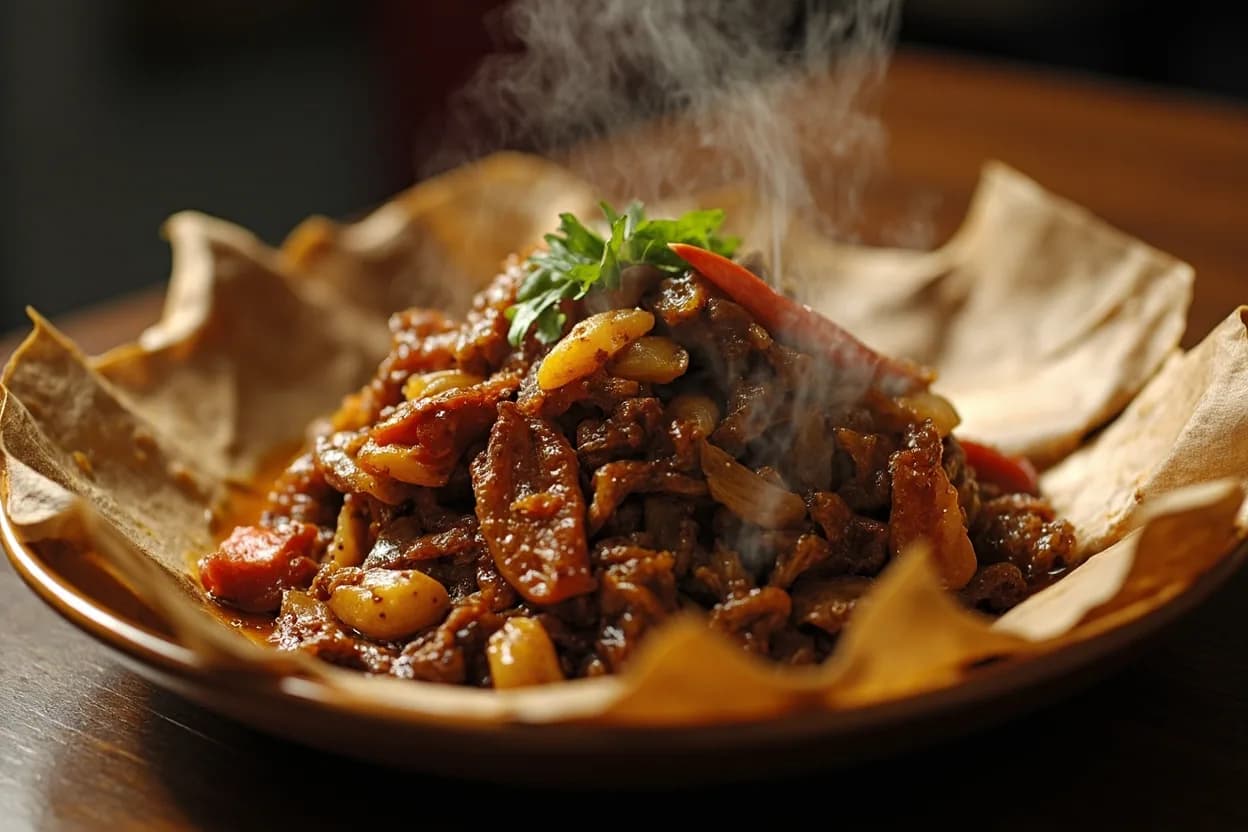
Related
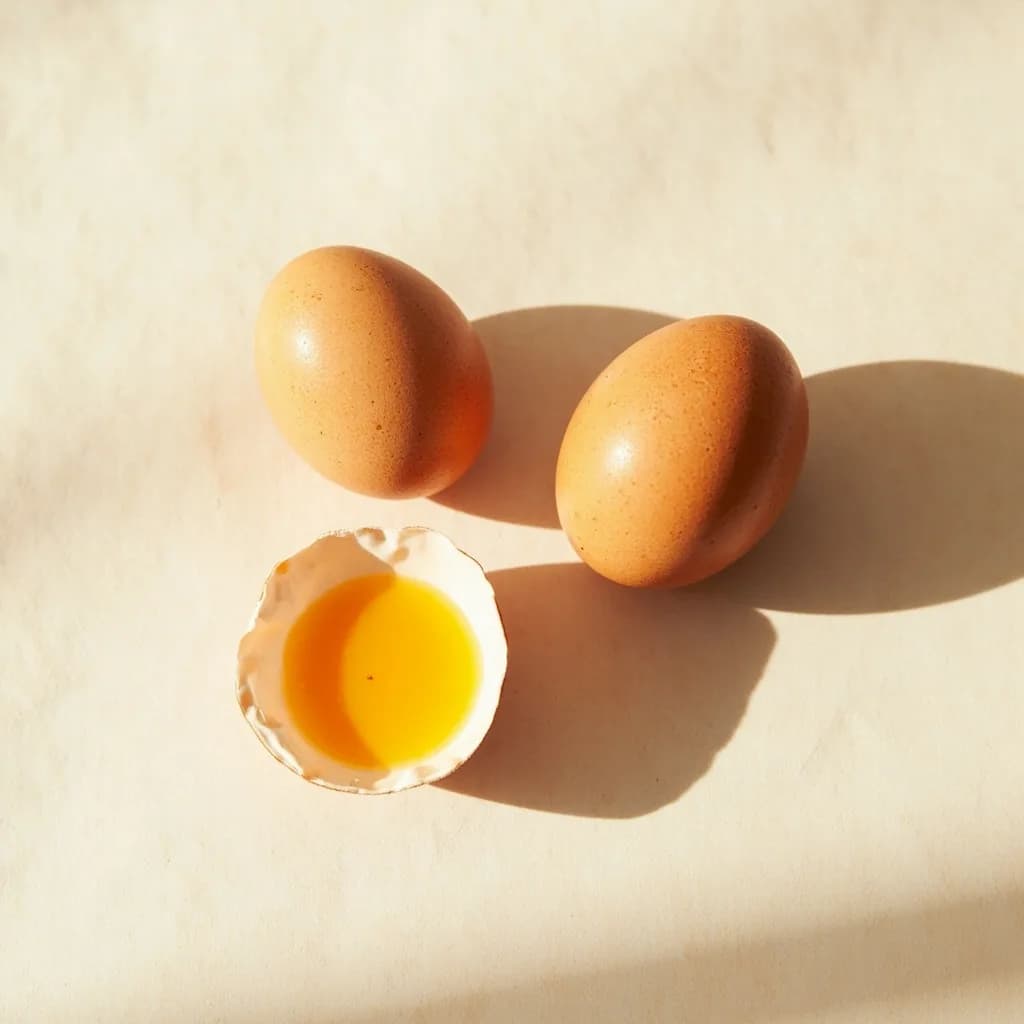
Egg
The kitchen's everything ingredient — bind, leaven, enrich, or fry
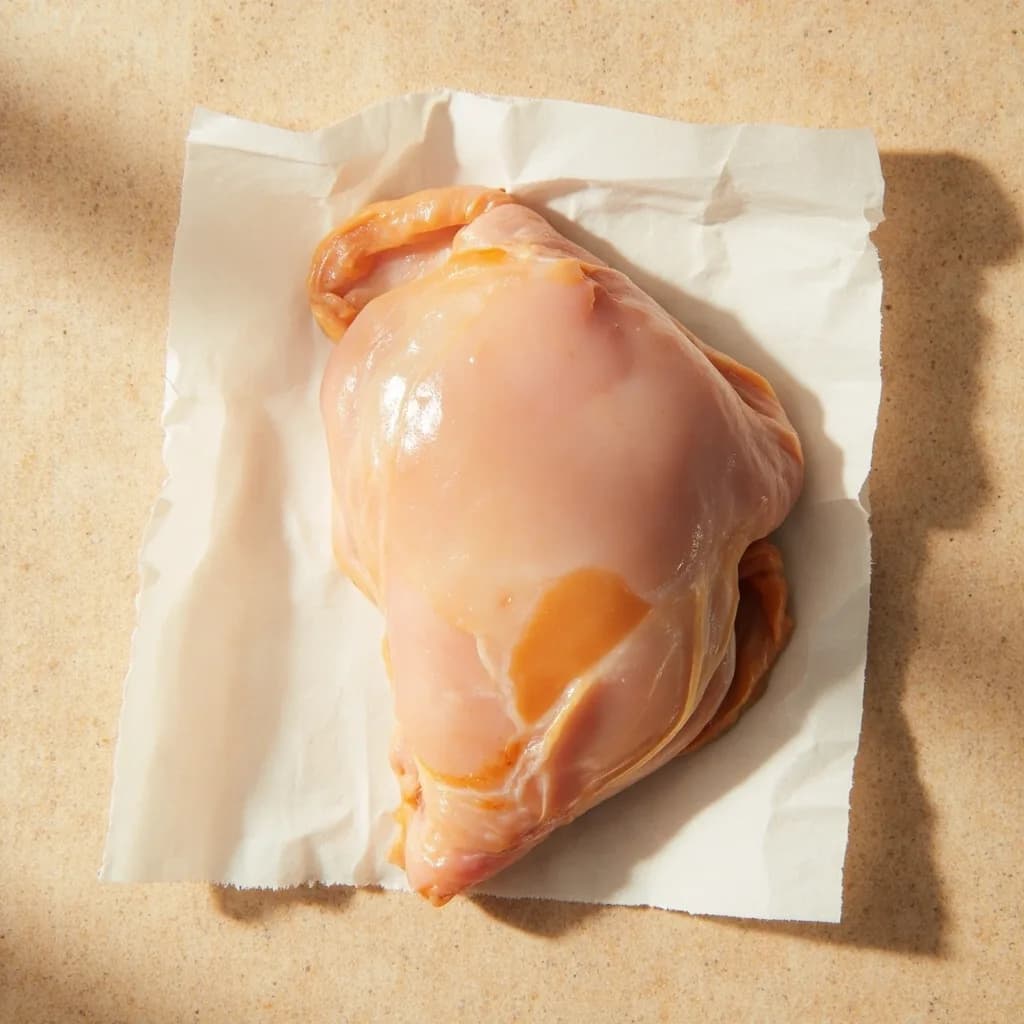
Chicken Breast
Lean, quick-cooking white meat for everyday dinners

Ground Beef
Versatile minced beef for burgers, ragù, tacos, and meatballs
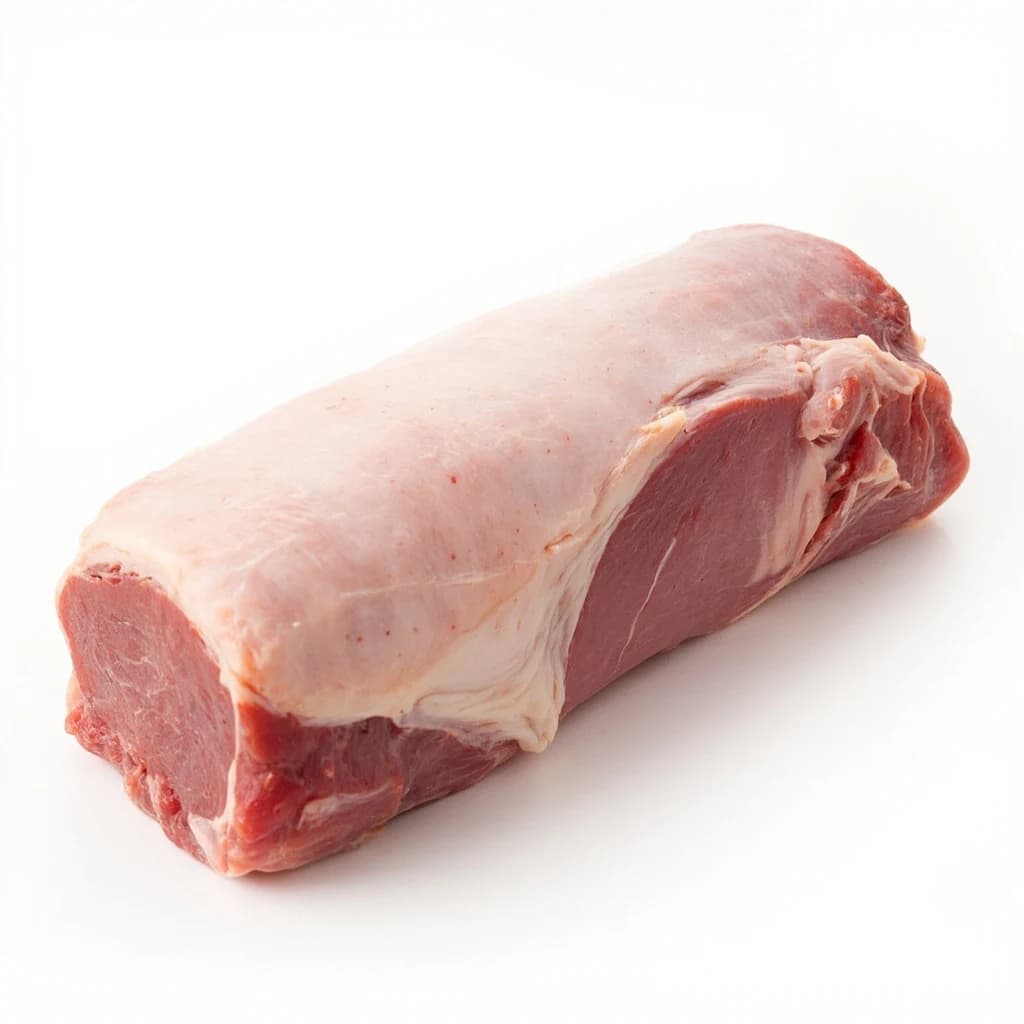
Pork Loin
Lean, tender roasting cut that stays juicy with care
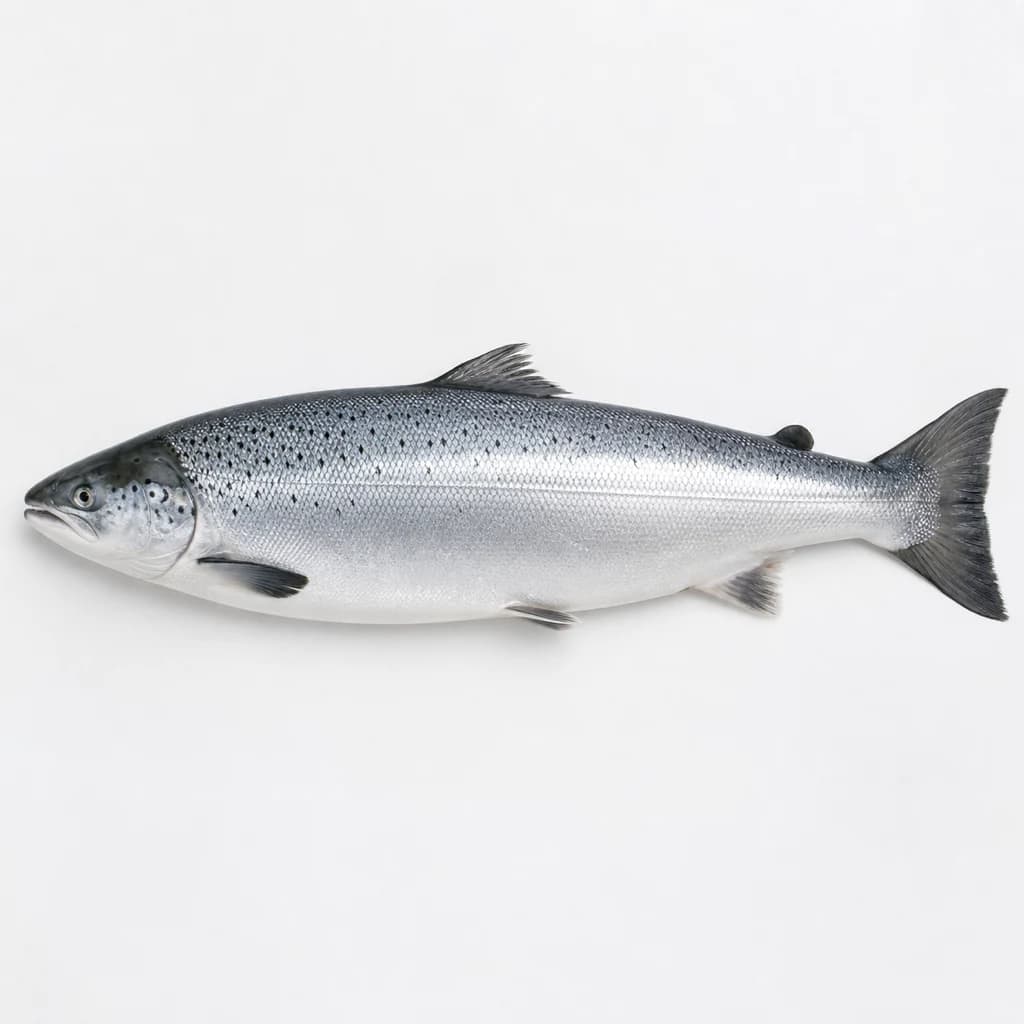
Salmon
Rich, rosy fish that roasts, grills, or cures beautifully

Egg White
Pure protein that whips to airy peaks for meringue and more

Egg Yolk
Rich, golden yolk for custards, mayonnaise, and pasta

Quail Egg
Tiny, speckled eggs for garnishing and elegant bites