
Natural form
Bone-in pork shoulder showing heavy fat cap and visible marbling before any trimming.
Shows the reader exactly what to look for when purchasing: the thick external fat layer, irregular shape, and dense marbling that define this cut.
Proteins
Pork Shoulder for Carnitas
Fatty pork shoulder slow-cooked in its own fat until tender and crispy for tacos.
Pork shoulder for carnitas is a well-marbled cut braised low and slow in lard or its own rendered fat, often with citrus and aromatics, then crisped. The result is tender, shreddable meat with crunchy edges for Mexican carnitas tacos. The high fat content is what keeps it moist through long cooking.
Pork shoulder is the foundational cut for carnitas, chosen for its exceptional balance of fat and connective tissue that no other cut can replicate. The shoulder works continuously as the animal moves, producing a dense network of collagen that breaks down into rich, silky gelatin when cooked past 195°F—giving carnitas their characteristic unctuous, pull-apart texture. Unlike leaner cuts that dry out during long cooking, pork shoulder bastes itself in rendered fat, making it nearly impossible to overcook into something unpleasant.
The cut goes by several names depending on where you shop: pork shoulder, pork butt, Boston butt, and picnic shoulder are all the same primal, though butcher traditions separate the upper (butt) from the lower (picnic). These names are historical accidents—the "butt" refers to colonial-era barrel pricing, not the animal's anatomy. For traditional Michoacán-style carnitas, you want the upper shoulder with a thick fat cap intact; the fat renders to keep the meat moist during the braise and provides the frying medium for the final crisp.
The defining feature of carnitas is the two-stage cooking method: a slow, low-temperature braise until the meat collapses, followed by a high-heat crisping in rendered fat. Braising alone produces tender pork, but it lacks the textural contrast that makes carnitas distinctive—crisp, browned edges against a yielding, gelatin-rich interior. This two-step process is what separates true carnitas from everyday braised shoulder. The third traditional step, cooling the meat in its own fat before crisping to order, is a technique with parallels to French confit and gives the meat an even more pronounced richness.
- Measured in
- g
- Storage
- Fridge
Types & varieties
Traditional for carnitas; bone adds flavor and moisture; harder to shred; typically 6–8 lbs. The bone slows heat penetration, so budget extra braising time.
Easier to portion, slice, and shred; typically 3–5 lbs; same fat content and results. Preferred by many cooks for convenience without sacrificing quality.
Same cut as shoulder; name from colonial-era barrel pricing, not the animal part. Slightly more marbling than the picnic end; the most common supermarket label.
Skin renders into chicharrones-like texture; helps retain moisture during long braise. Requires scoring the skin in a crosshatch pattern before cooking to allow fat to render out.
Lower part of the shoulder; slightly leaner with more skin; requires longer cooking time. Less traditional for classic carnitas but works well when you want a slightly lighter result.
Choosing the Right Shoulder
Look for a shoulder with a firm, pinkish-red color and firm white fat. Avoid any shoulder with dark spots, a slimy surface, or fat that looks yellowed. The fat cap should be at least 1/4 inch thick and ideally up to 1 inch—thinner and you won't have enough fat for the crisping stage. If buying bone-in, expect to pay slightly less per pound, but factor in the weight of the bone (roughly 15–20% of total weight) when calculating yield. For a gathering of 8–10 people, plan 1/2 pound raw per person if the shoulder is your only protein; a 4–5 pound boneless shoulder is a practical starting point.
- A 4-pound bone-in shoulder with a full 1-inch fat cap is the ideal starting point for traditional carnitas
- Boneless shoulder yields slightly more usable meat per pound once bone weight is accounted for
- Ask your butcher to leave the fat cap intact—do not let them trim it
The Braising Liquid
The braising liquid in traditional Michoacán carnitas is primarily lard, which creates an approximation of a confit. In home kitchens, a combination of orange juice, garlic, cumin, Mexican oregano, and bay leaves with just enough water or stock to prevent burning produces excellent results. Orange juice (fresh, not from concentrate) should comprise roughly one-third of the liquid—it adds sweetness, acidity, and brightness that balances the rich pork fat. Some cooks add a cup of Mexican Coca-Cola for additional sweetness and caramel notes. The liquid should be added only after you've thoroughly browned the meat on all sides; this sequence builds the fond that becomes the braise's depth of flavor.
- Orange juice is the backbone of traditional carnitas braising liquid—do not substitute lemon or lime alone
- Season the braising liquid aggressively with salt; under-seasoned braise produces bland finished meat
- Achiote paste dissolved into the braising liquid adds earthy color and flavor in regional preparations
Common uses
Tips & pitfalls
- Do not trim the fat cap—it renders to keep meat moist and provides the frying medium for crisping
- Season aggressively with salt at least 1 hour before cooking; salt penetrates 1/2 inch and improves moisture retention and flavor depth
- Cube the shoulder into 2–3 inch pieces before braising for more surface area and better browning, or leave whole for a more intact presentation
- Brown the meat in its own fat before adding liquid—this Maillard reaction builds the fond that becomes the braise's depth
- Add liquid only 1/3 to 1/2 up the meat; the top should steam-braise, not boil, for tender results
- The braise is done when meat registers 195–205°F internally and a skewer slides through with zero resistance
- Rest the meat in its braising liquid for at least 30 minutes; this allows collagen to fully convert to gelatin and the meat to absorb flavor
- Shred meat with two forks or by hand; toss with 1/2 cup of braising liquid per pound to keep it moist before crisping
- Crisp the meat in a hot cast-iron skillet with additional lard or the rendered braising fat—this step is non-negotiable for proper carnitas texture
- Work in batches during the crisping stage—overcrowding drops the oil temperature and causes steaming instead of frying
Nutrition
Energy
3397 kJ · per 100 g
Where the calories come from
Protein
2.9g
6% DV
Carbs
0g
0% DV
Fat
88.7g
114% DV
Fiber
0g
0% DV
Sugars
0g
of which
Sodium
11mg
0% DV
Source · USDA FoodData Central · approx. Pork, fresh, backfat, raw
View on FDC →In the shops
Matched grocery products
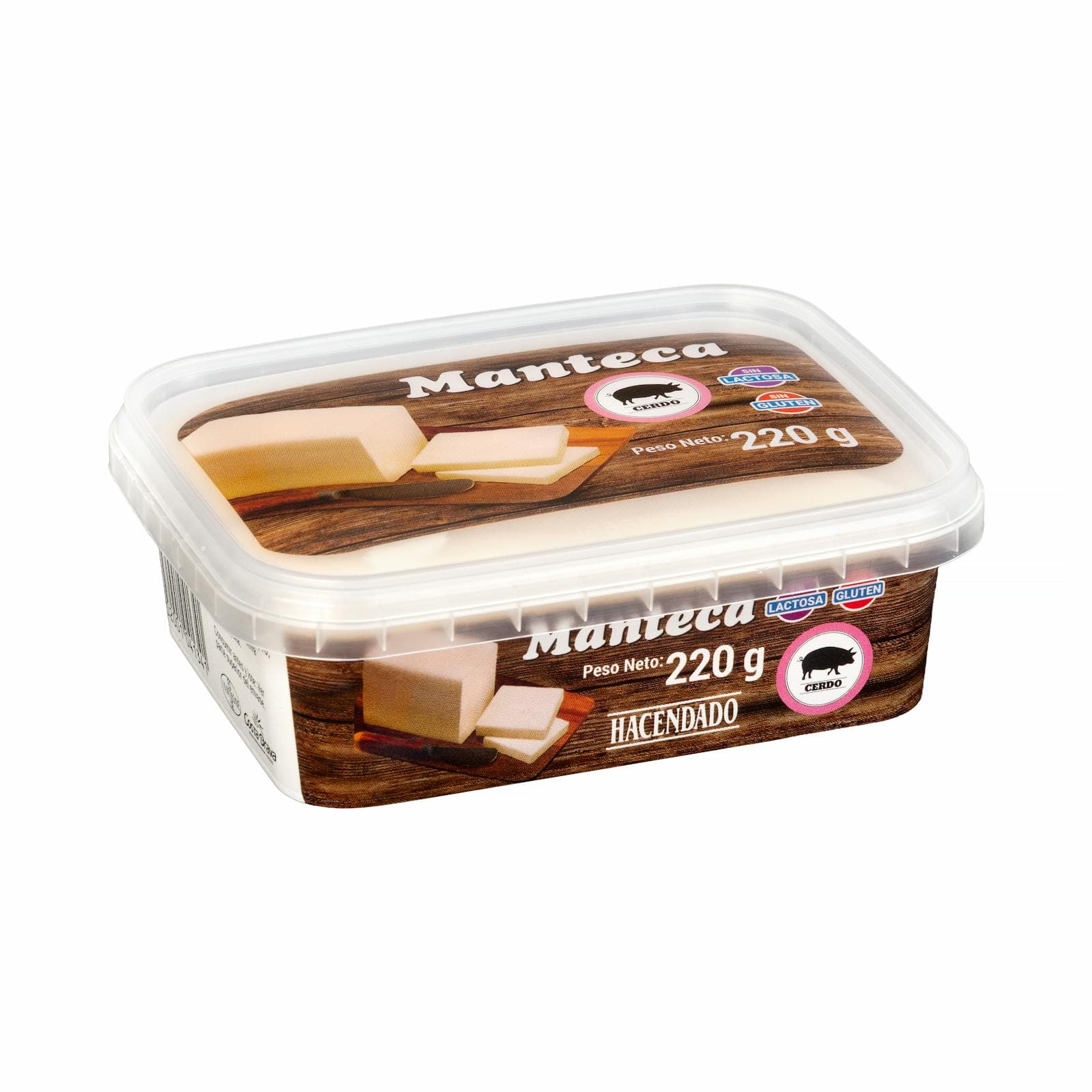 €2.20
€2.20Pork Lard
Hacendado · 220 g · Mercadona
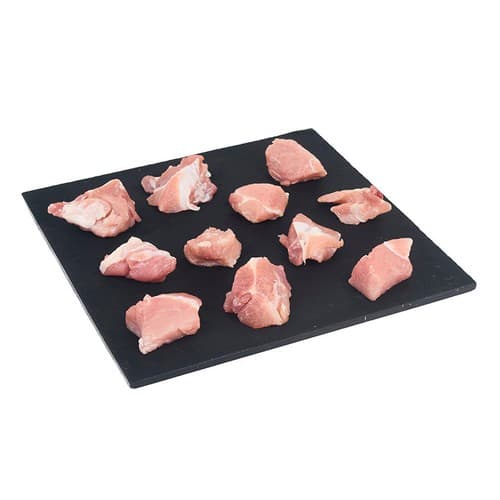 €3.40
€3.40Pork Stew
BONPREU · ud · Bonpreu
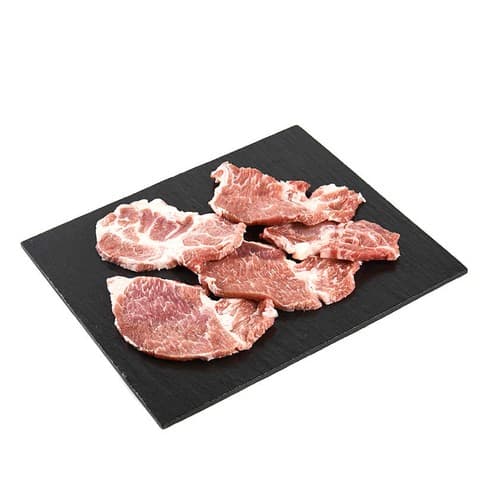 €3.45
€3.45Lean Pork
BONPREU DE L'ERA · ud · Bonpreu
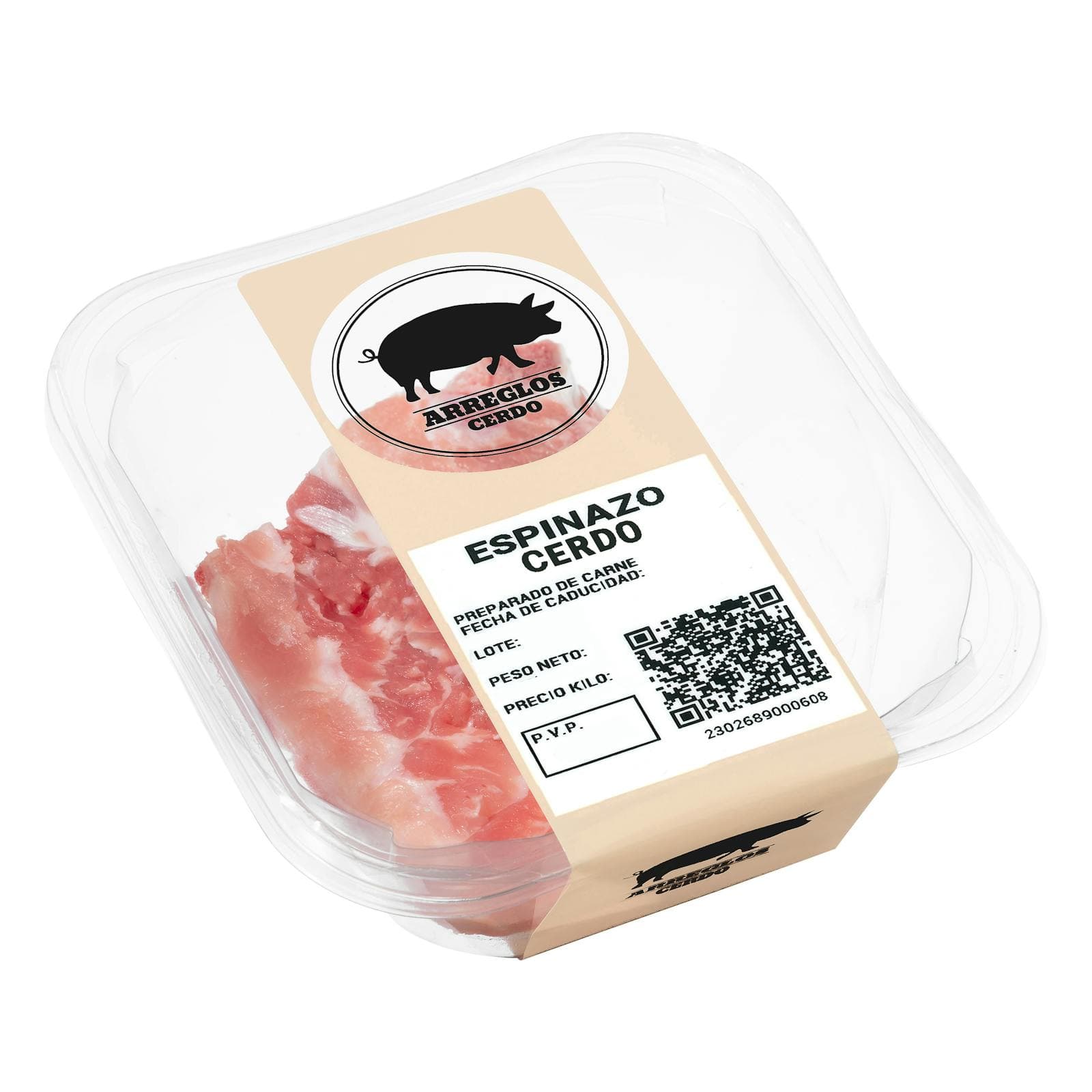 €2.10
€2.10Pork Spine
300 g · Mercadona
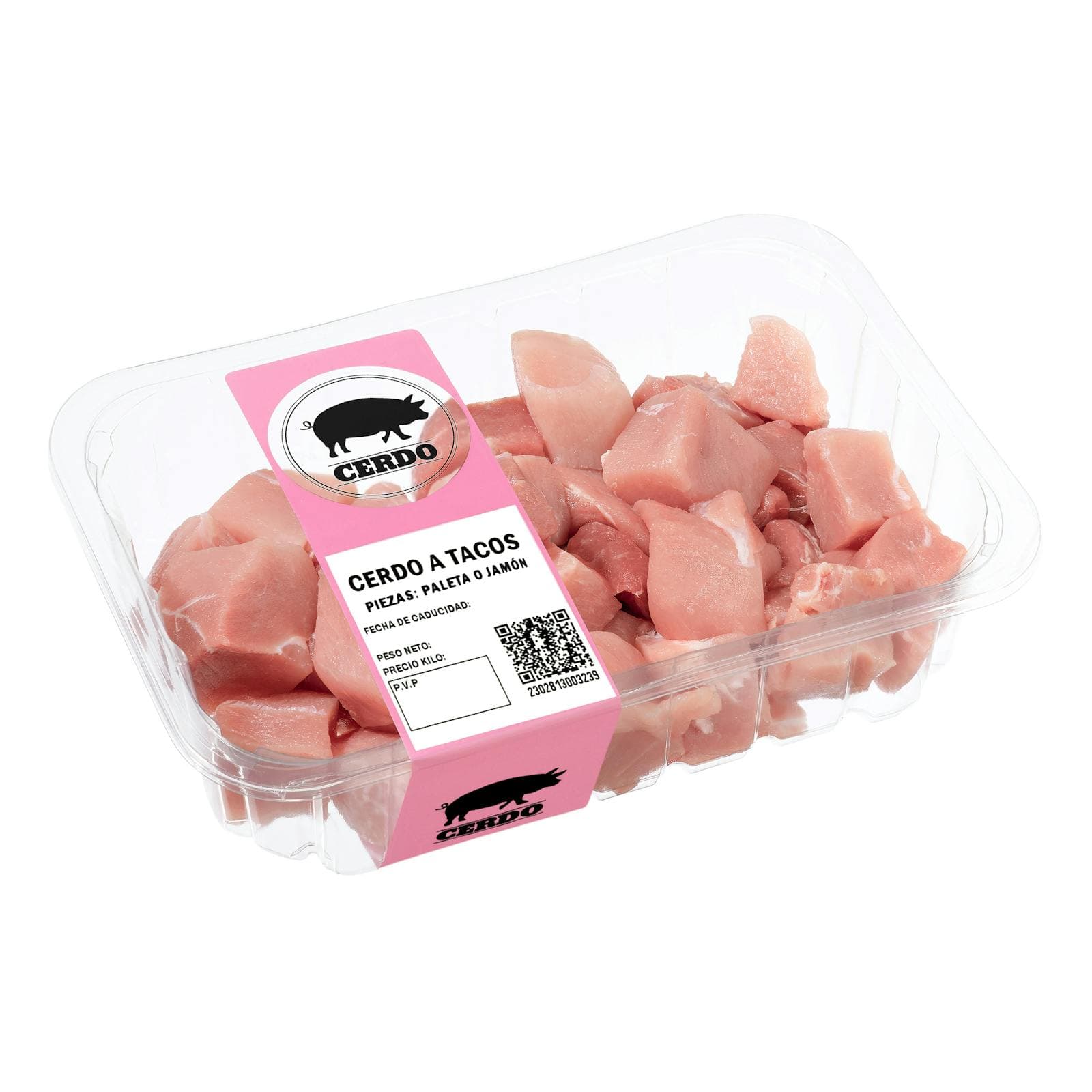 €3.22
€3.22Diced Pork
560 g · Mercadona
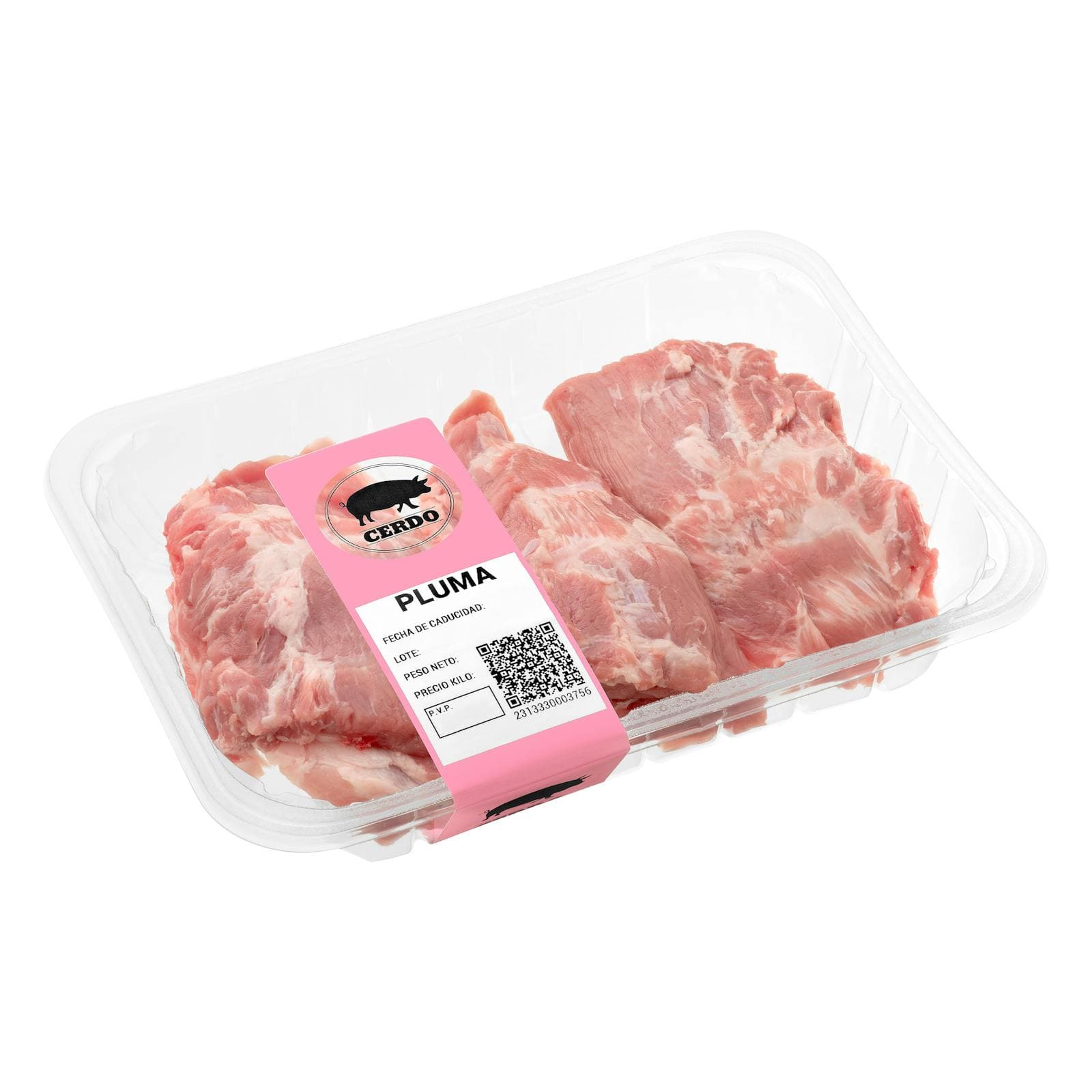 €3.75
€3.75Pork Pluma
300 g · Mercadona
Good to know
- Also Called
- Pork butt, Boston butt, picnic shoulder (bone-in or boneless)
- Typical Weight
- 4–8 pounds (bone-in); 3–6 pounds (boneless)
- Fat Content
- 25–40% fat by weight; fat cap 1/4–1 inch typical
- Collagen
- High; converts to gelatin when cooked past 195°F
- Safe Internal Temp
- 145°F minimum (raw); 195–205°F for proper breakdown for carnitas
- Braise Time
- 2.5–4 hours (oven, 300–325°F) or 8–10 hours (slow cooker, low)
- Shelf Life
- 3–4 days refrigerated; 2–3 months frozen
- Yield
- Approximately 60–65% cooked weight after braising and crisping
- Origin
- Michoacán, Mexico (carnitas); cut terminology from colonial New England butchery
Substitutes
- Pork Butt — Identical cut; just the commercial name; use at same ratios with identical results
- Beef Chuck Roast — Similar collagen content and slow-cook behavior; different flavor profile; reduces to the same tender, shreddable texture when cooked to 195–205°F
- Pork Belly — Much higher fat content (60%); too rich for traditional carnitas; better suited for porchetta-style preparations or as an addition to leaner braises
- Chicken Thighs — Leaner; lacks the collagen for a true gelatinous, unctuous texture; can work for lighter carnitas-style preparations but is not traditional and the result will be drier
- Turkey Thigh — Leaner substitute with similar texture potential; requires significantly more fat in the braise to prevent drying and to provide enough rendered fat for crisping
Pairs with
Also called
Pork Butt · Boston Butt
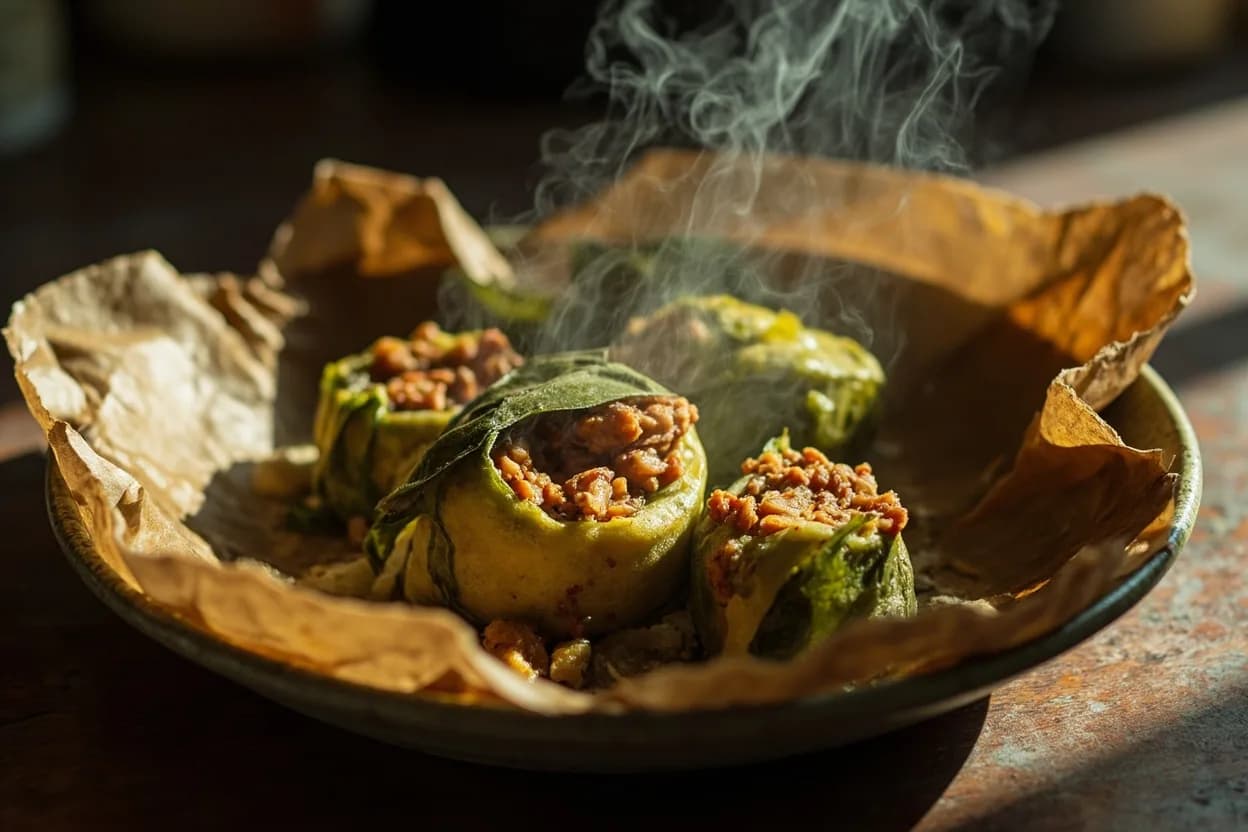
Appears in these dishes
Related
Egg
The kitchen's everything ingredient — bind, leaven, enrich, or fry
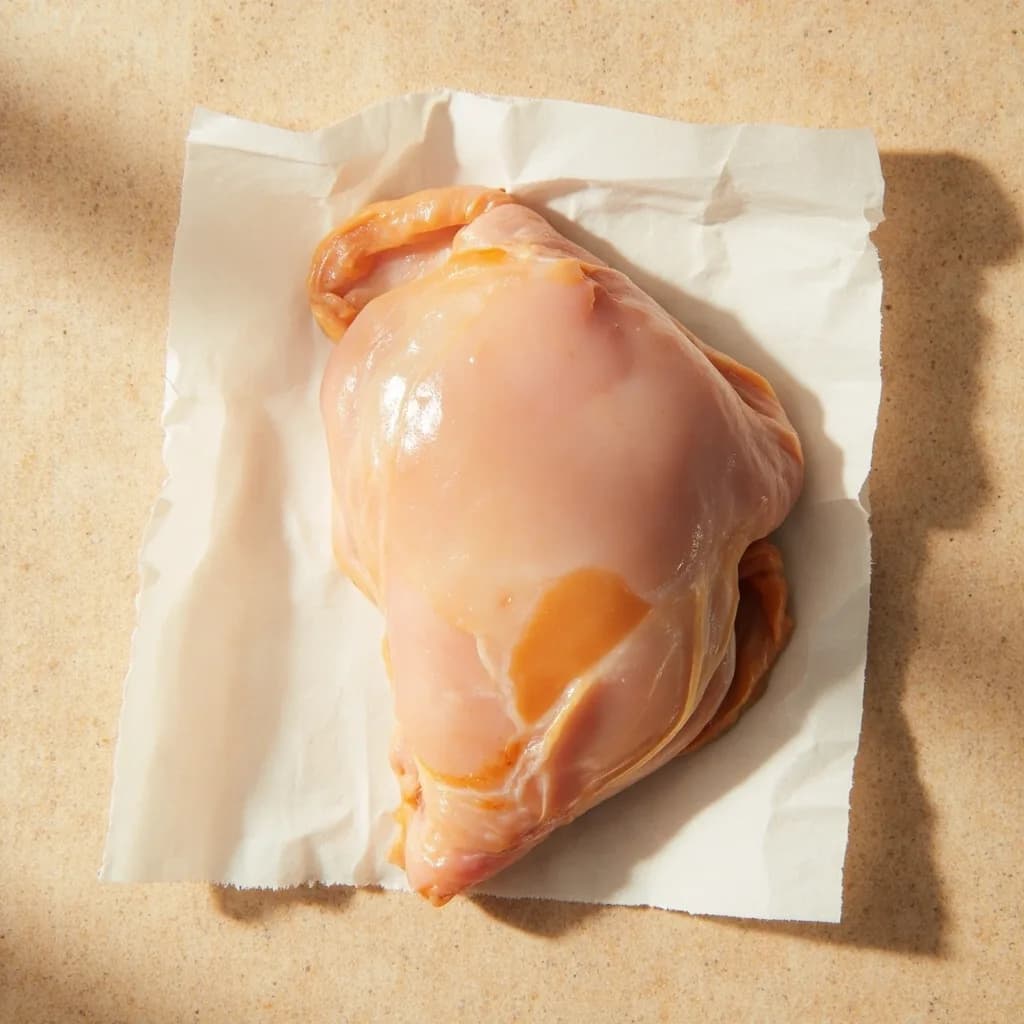
Chicken Breast
Lean, quick-cooking white meat for everyday dinners

Ground Beef
Versatile minced beef for burgers, ragù, tacos, and meatballs
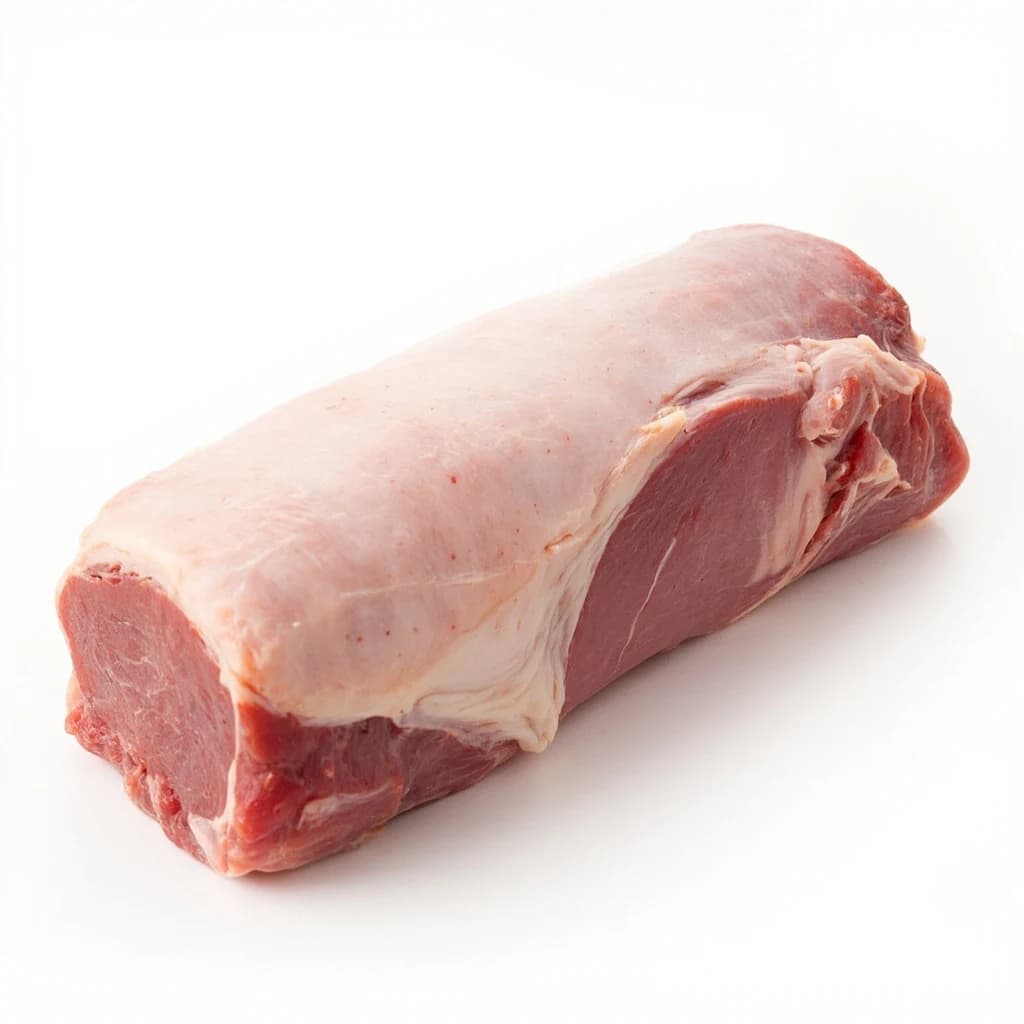
Pork Loin
Lean, tender roasting cut that stays juicy with care
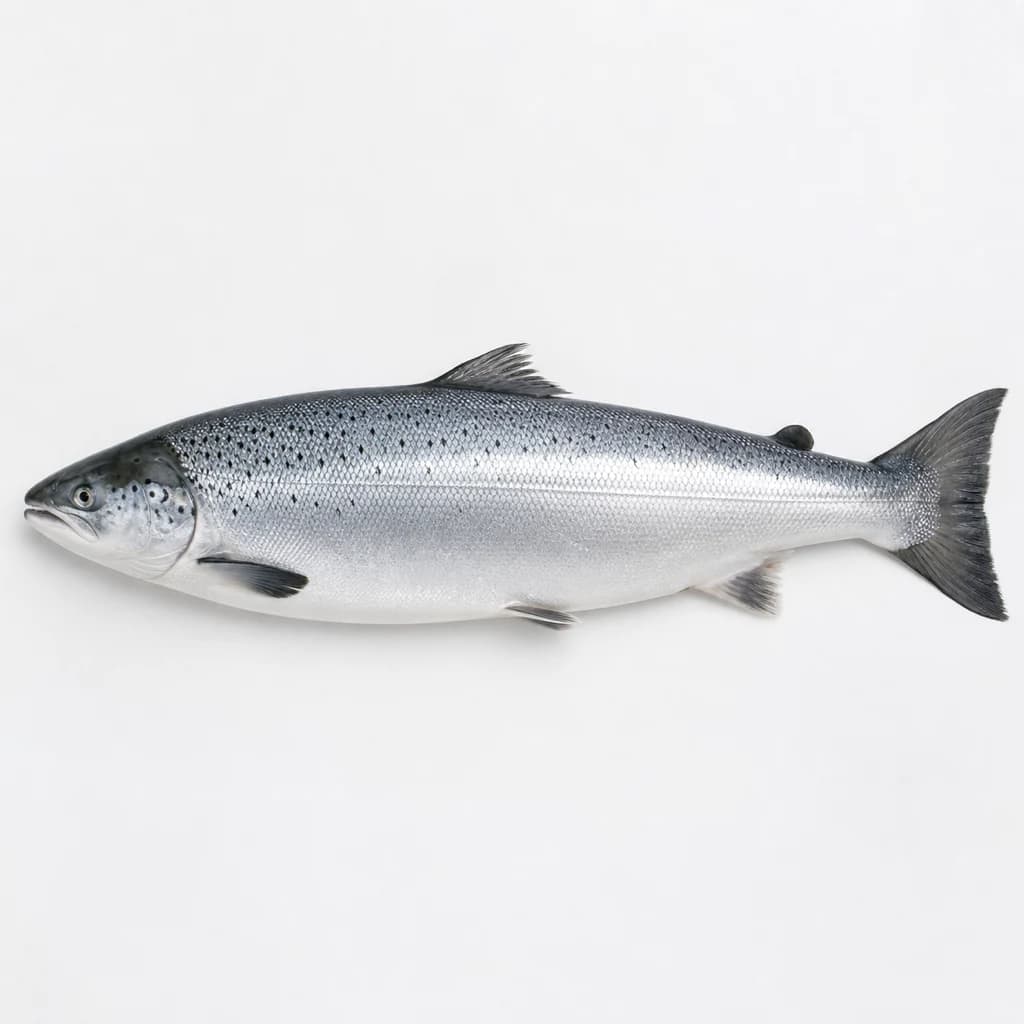
Salmon
Rich, rosy fish that roasts, grills, or cures beautifully

Egg White
Pure protein that whips to airy peaks for meringue and more
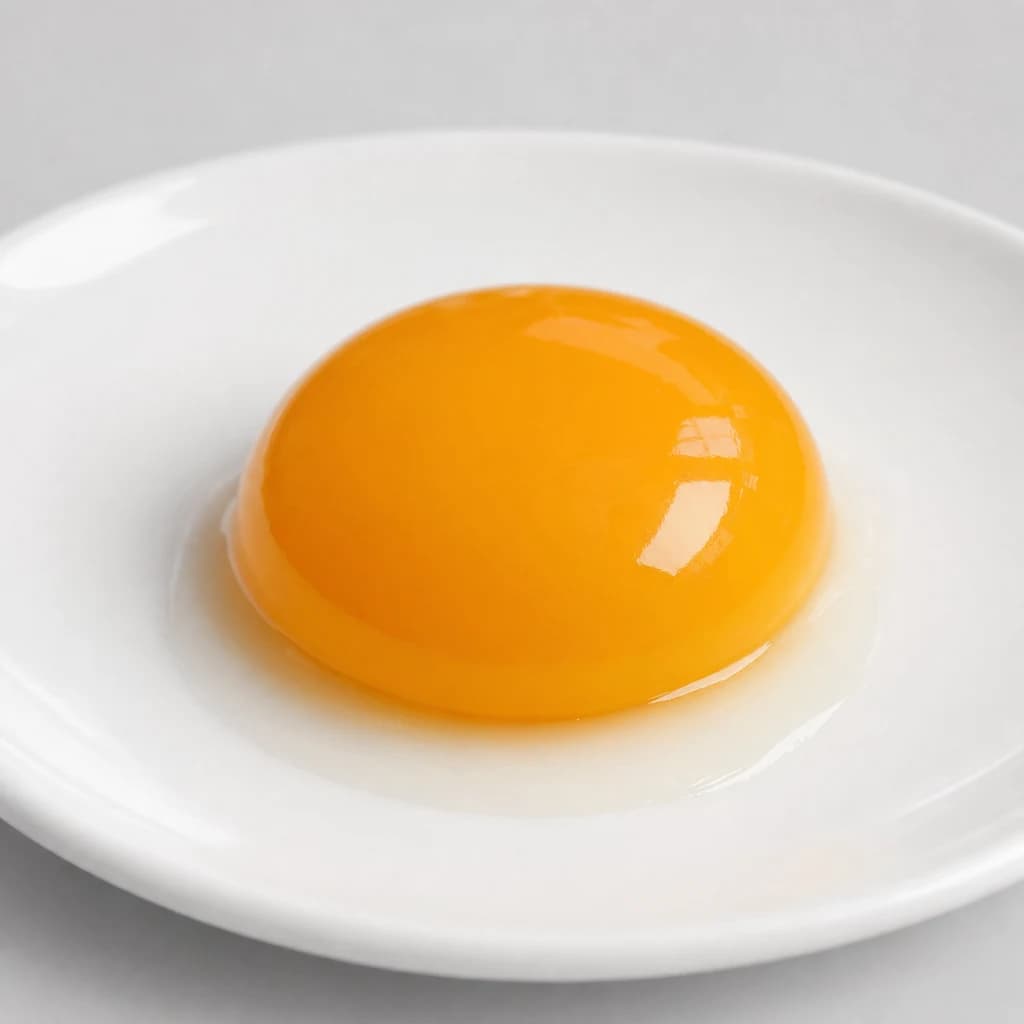
Egg Yolk
Rich, golden yolk for custards, mayonnaise, and pasta

Quail Egg
Tiny, speckled eggs for garnishing and elegant bites