 Japanese
Medium · Hot
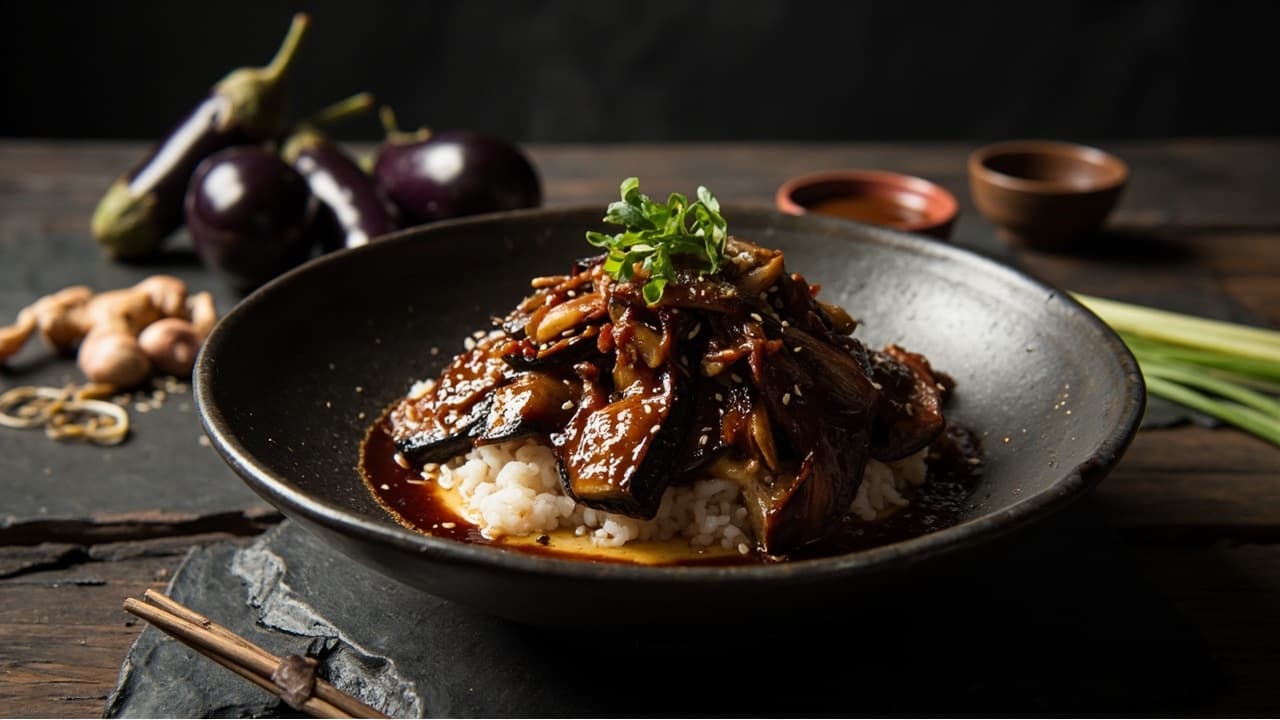
Miso-Glazed Eggplant Over Charred Coals
Eggplant halves scored and glazed with a concentrated soybean-honey reduction, charred over white-hot binchōtan until the flesh turns silken and the surface takes on a deep, lacquered finish. Served over steamed rice with a whisper of sesame.
Prep
45 min
Cook
35 min
Total
1h 20m
Method
1
2
3
Rinse rice under cold water until water runs clear, then soak in fresh water for 20 minutes.
4
5
Trim stem ends from eggplants. Quarter each lengthwise, creating 8 wedges. Score the flesh in a crosshatch pattern, 1cm deep, taking care not to pierce the skin.
6
Season the scored flesh generously with salt. Place cut-side up on a wire rack set over a sheet pan. Allow to drain for 20 minutes—this draws out bitter juices and seasons the flesh.
7
Pat the eggplant pieces completely dry with clean towels. Lightly brush the scored surface with half the miso glaze, working it into the cuts.
8
Prepare your binchōtan brazier and let coals burn to full white heat, approximately 15-20 minutes. The coals should emit radiant heat with no visible flame or smoke—clean, almost electric warmth.
9
10
Flip the eggplant cut-side up. Brush again with remaining miso glaze. Continue cooking 5-6 minutes, watching for the glaze to caramelize to a deep amber without burning. The flesh should yield gently when pressed.
11
Brush the glazed surface lightly with sesame oil. Finish with a pinch of white pepper. Scatter sliced scallion greens and sesame seed over the surface.
12
[" Use instant-read thermometer to verify rice reaches 165°F (74°C) internal temperature before serving."]
13
Plate eggplant over steamed rice, drizzling any remaining glaze from the pan. Serve immediately while the char is still aromatic.
C
Nutri-Score
Fair balance
A–E · lower is better · score 5
Calories
574
per serving
High in salt · 1421mgCalorie-dense · 574 kcalSource of protein · 20gSource of fibre · 8gLow saturated fat · 2g
Protein
20g
Carbs
96g
Fat
12g
Sat. fat
2g
Fiber
8g
Sugar
12g
Sodium
1421mg
High FiberHigh Protein
Nutri-Score is a general nutritional-balance guide, not medical or dietary advice.
B
Environmental impact
Low impact
A–E · lower is better · includes estimates
kg CO2e
0.6
per serving
BCarbonAEU all-round· carbon sets the grade
Water
1.2m³
Land
11Pt
Runoff
0.05g P
White Rice drives 59% of this recipe’s estimated footprint.
Carbon from Poore & Nemecek 2018; water, land & runoff from Agribalyse — modelled averages for comparing recipes, not a measurement of your groceries.
Flavor Profile
7
Umami
4
Sweet
6
Salty
2
Sour
1
Bitter
3
Spicy
Textures
CaramelizedSilkyTender
Aromas
FermentedHerbalNuttySmoky Mineral
Safety & Storage
High Risk Population
The glaze contains honey; do not serve to infants under 12 months due to botulism risk.
Cooking Temperature
Binchōtan must reach full white heat with no visible flame before cooking; target radiant heat stage for proper caramelization without burning the glaze.
Handling
The soybean paste must be simmered for the full 40 minutes until very tender; undercooked soybeans may contain anti-nutritional factors.
Cross Contamination
If serving to allergen-sensitive individuals, use dedicated utensils and clean grill surface between uses, especially when cooking after items containing soy or sesame.
Storage
Refrigerate leftover glaze within 2 hours; consume within 3 days. Store rice separately and reheat to 165°F before service.
Equipment Safety
Position grill 8-10cm above coals; maintain safe distance from open flame and falling ash when using binchōtan brazier.
Pro Tips
Technique
When reading the coals for eggplant, look for heat without hunger — the glow should feel like sunlight through paper, not the breath of a forge. If the air above the grill shimmers too intensely, wait. Patience with the coals rewards the vegetable with char that tastes of the earth, not destruction.
Equipment
The iron wire grill is not negotiable here. Its even, conducted heat sears the scored flesh to that silken finish within. A mesh or grill pan will cook unevenly, and the glaze will pool rather than caramelize. The contact matters.
From the chef
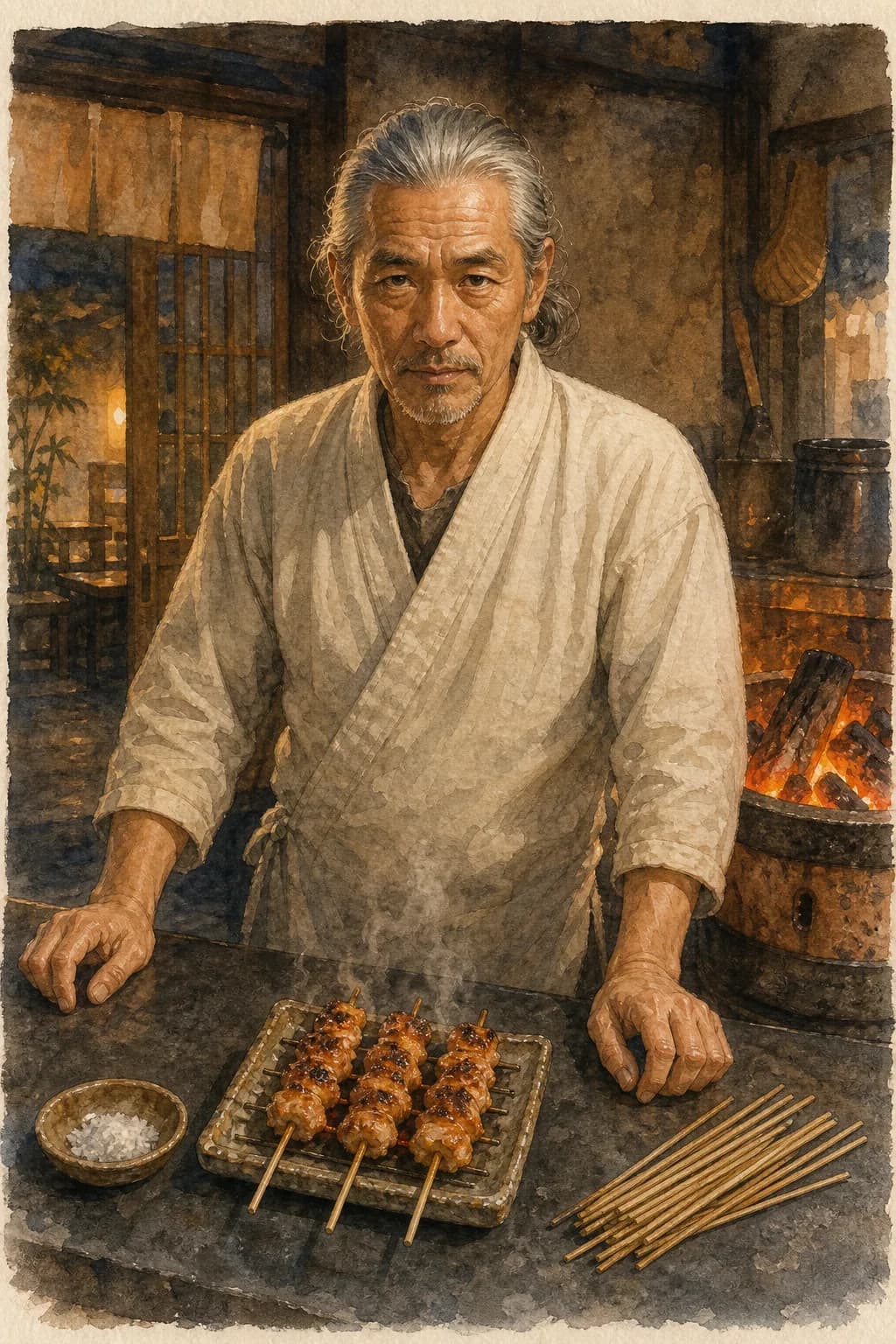
In Kagoshima, my grandfather would say the fire chooses what it reveals. This eggplant is my quiet answer to that truth — the miso glaze a whisper of umami, never a shout, coaxed into lacquer by the white coals until the flesh becomes silk beneath its charred skin. I have cooked wagyu over these same flames, but there is something in this humble nightshade that speaks more honestly of the coals.
TagsJapaneseCharcoal GrilledMiso GlazedEggplantVegetarianBinchotanUmami RichMinimalistUmami
AllergensSoySesame
Source: generated · June 12, 2026