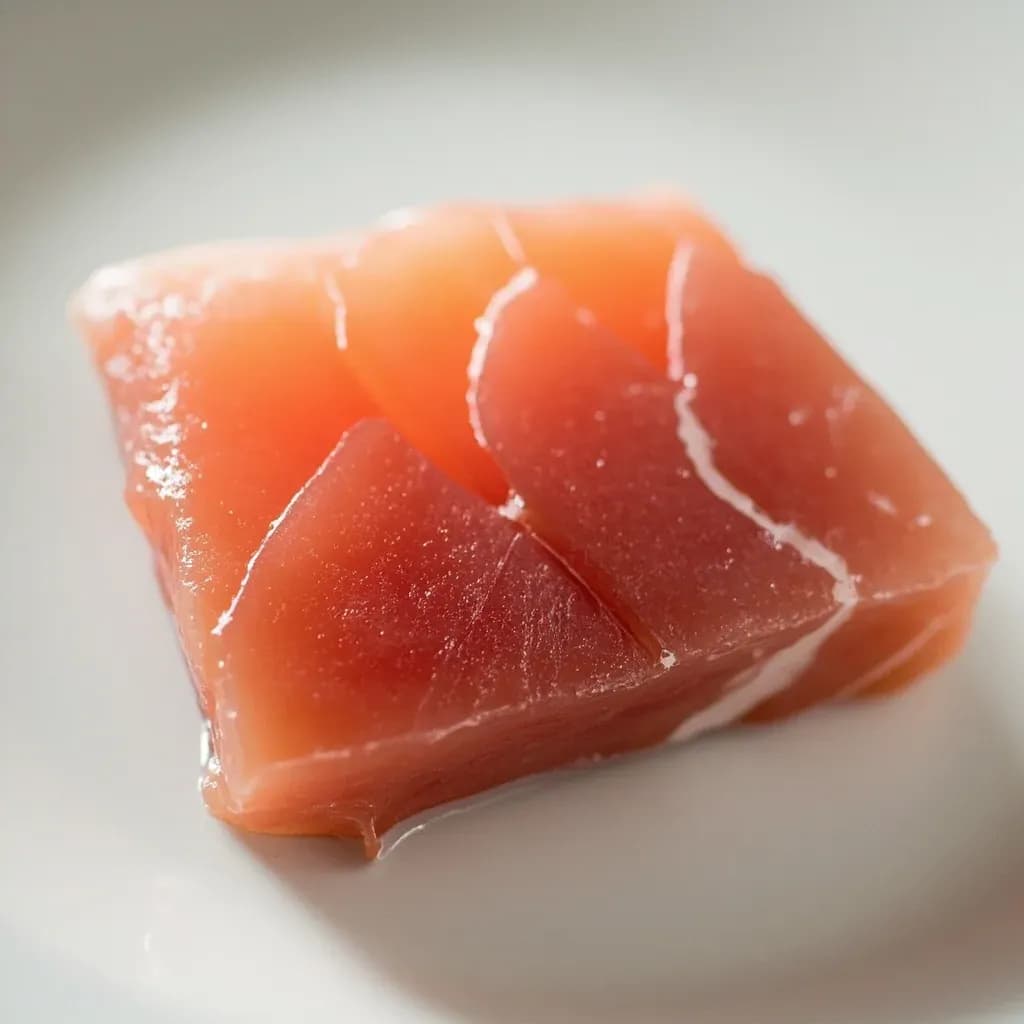
Proteins
Sashimi-Grade Fish
Ultra-fresh, carefully handled fish safe to serve raw as sashimi, sushi or crudo.
Sashimi-grade fish refers to fish of high freshness and handling quality deemed suitable to eat raw, often frozen at very low temperatures to kill parasites. Common choices include tuna, salmon, yellowtail and snapper, sliced thin for sashimi, nigiri and crudo. The grade is about safety and quality rather than a specific species.
Sashimi-grade is not a regulated grade in the United States — it is a buyer's promise, a contract between fishmonger and cook that the fish has been handled from boat to counter under strict cold-chain conditions and is safe and pleasant to eat raw. The category spans many species, from lean bluefin tuna (maguro) and translucent flounder (hirame) to buttery yellowtail (hamachi) and briny scallop (hotate), but the rules of the road are constant: the fish must be impeccably fresh, kept just above freezing, and — for any species prone to parasites — commercially frozen to FDA time-and-temperature specs before raw service.
The label matters because raw service strips away the safety margin that cooking provides. A piece of fish headed for the broiler can tolerate a few days of aging; a piece destined for sashimi cannot. Color, aroma, and texture tell the whole story: the flesh should smell of clean sea or nothing at all, look glossy and translucent (never milky or weeping), and spring back when pressed. When those markers are right, sashimi-grade fish rewards you with a clean, almost sweet umami and a buttery or silky mouthfeel that cooked fish rarely matches.
Beyond safety, the grade signals a way of cutting and serving. Sashimi-grade fish is sliced in one long drawing stroke with a very sharp, often single-bevel yanagiba so the cell walls stay clean and the surface keeps its gloss. It is rested briefly, never served ice-cold, and dressed with restraint — a brush of shoyu, a dab of fresh wasabi, a few threads of daikon — so the fish itself leads the plate.
- Measured in
- g
- Storage
- Fridge
Allergens
Types & varieties
Bluefin (hon-maguro) is the premium; akami (lean), chu-toro, and o-toro (fatty belly) are graded by fat marbling. Yellowfin (ahi) and bigeye are the more common substitutes.
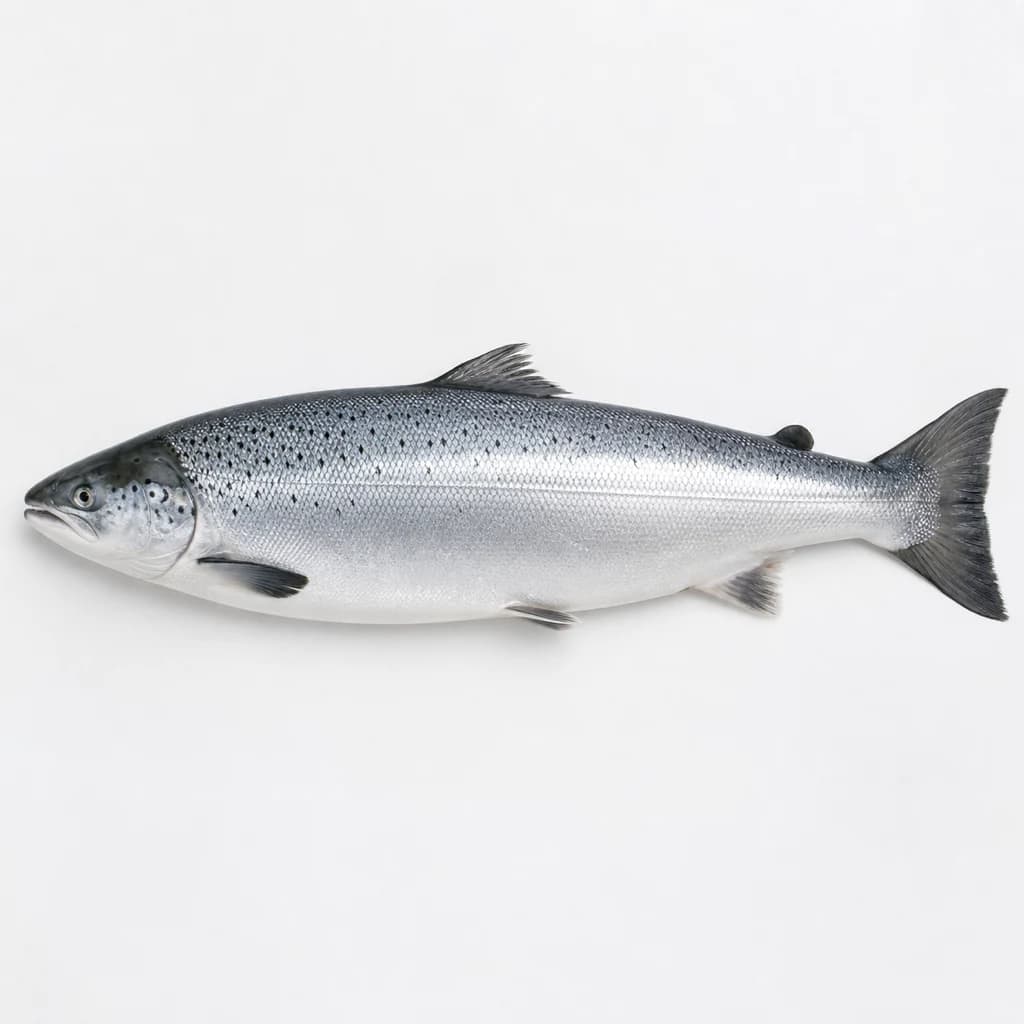
Traditionally not served raw in Japan; in the US and Europe, farmed Atlantic salmon is standard and is parasite-frozen per FDA rules before raw service. Prized for its silky fat.
Farmed Japanese amberjack; buttery and mild. Hamachi is the younger fish (~2 yr), buri the adult; sold as Pacific yellowtail in the US.
Translucent and clean-tasting white fish; flounder is more delicate, halibut firmer. The fin muscle (engawa) is a prized, slightly chewy cut.
The classic celebratory fish in Japan; firm, mildly sweet flesh with a pale pink tone.
Small and silvery with a strong, briny flavor; usually served with ginger and scallion to soften the metallic edge.
Must be very fresh; cured briefly in salt and rice vinegar (shime-saba) to mellow its assertive flavor before serving.
Soft, oily, and intensely flavored; often paired with ginger, garlic, or yuzu kosho.
Clean and slightly sweet with a chewy snap; scored in fine cross-hatch so it lays flat for slicing.
Pre-tenderized by massaging or a brief boil; rubbery when fully raw; served thinly sliced.
Adductor muscle only, served raw for its sweetness and creaminess; sushi/sashimi scallops are large sea or yezo scallops.
Usually blanched briefly; amaebi (sweet spot prawn) is the rare exception served fully raw, often with its head fried alongside.
Anago (saltwater) is simmered then grilled; unagi (freshwater) is always cooked. Neither is served fully raw, despite their place on sushi menus.
Steamed and cured, served cool with a distinctive springy bite and a red-rimmed slice.
Tenderized by long pounding or brief braising; very firm and subtly sweet; thinly sliced for service.
A staple of edomae sushi, cured in salt and rice vinegar; silver-skinned with a layered, complex flavor.
Flying-fish roe and salmon roe — salted and lightly cured, sold as sashimi-style toppings or wrapped in gunkan-maki.
Buying and Storing Sashimi-Grade Fish
Because the label is a supplier's promise and not a federal grade, the safest path is to source from a fishmonger you trust, ask when the fish arrived and whether it was commercially frozen for parasite control, and plan to serve it the same day you buy it. The display case should be packed in crushed or shaved ice, not sitting in melt water; whole fish should show clear bulging eyes and cherry-red gills, and any cut pieces should look glossy, never milky or weeping.
- Smell first: a clean sea scent or neutral is correct; sour, ammoniated, or strong 'fishy' notes mean it's past its window.
- Press the flesh gently with a fingertip — it should spring back and not leave a dent; gapped flakes or a sticky surface signal age.
- Keep fish on a perforated tray over shaved ice in the coldest part of the fridge (32–34 °F), and drain melt water often; never let the fish sit in liquid.
- For home parasite control of wild white fish (cod, halibut, wild salmon), freeze to –4 °F for 7 days, or –31 °F for 15+ hours, then thaw slowly in the fridge overnight.
Cutting for Sashimi
The cut is the cook's signature on raw fish. A clean, single drawing stroke with a freshly sharpened blade keeps the cell walls intact, so the surface stays glossy and the slice holds its shape on the plate. Sawing or using a dull knife crushes the flesh, releases water, and leaves a ragged edge that no amount of garnish can rescue.
- Use a long yanagiba for tuna and other firm fish, or a thinner tako-hiki / fugu-hiki for delicate white fish; hone lightly before service and wipe the blade with a damp cloth between cuts.
- Cut in one long drawing motion, blade angled and pulling toward you — sawing crushes cells and leaves a watery, ragged edge.
- Slice against the grain of the muscle fibers for maximum tenderness; on tuna this means across the long lines you can see running through the loin.
- Common shapes: hira-zukuri (flat rectangles, ~7 mm thick for tuna, ~5 mm for white fish), usu-zukuri (paper-thin, almost translucent), and sogi-zukuri (angled, two-sided cuts that lay flat on the plate).
- Rest the cut slices only 1–2 minutes at room temperature before serving — longer and the surface dulls, shorter and the aroma stays closed, especially in fatty cuts.
Common uses
Tips & pitfalls
- 'Sashimi grade' is a supplier's promise, not a regulated grade — ask when the fish was received, whether it was parasite-frozen, and from which fishery before buying.
- Reject flesh that looks milky, weeps liquid, or has gapped flakes — those are clear signs of age, and no amount of acid or seasoning will fix them.
- Keep fish on a bed of shaved ice in a perforated pan so melt water drains away; submersion in liquid accelerates spoilage and dulls flavor.
- Use a sharpened yanagiba or other very sharp long blade, and wipe it with a damp cloth between cuts — sawing with a dull knife crushes cells and leaves a ragged, watery edge.
- Slice against the grain of the muscle fibers in one drawing stroke; cutting with the grain produces a chewy, stringy bite that defeats the point of sashimi.
- Don't drown the fish in soy sauce — brush a thin layer on the slice, or dip briefly so the fish, not the salt, leads each bite.
- Place wasabi on the fish, not in the soy sauce: it moderates the heat against the protein, protects the delicate flavor, and keeps the soy clean for the next piece.
- Avoid cross-contamination — wash the cutting board, knife, and cloth thoroughly before switching between raw fish and any other ingredient; most raw-fish food-safety incidents trace back to the board, not the fish itself.
Nutrition
Energy
519 kJ · per 100 g
Where the calories come from
Protein
20g
40% DV
Carbs
0g
0% DV
Fat
4.2g
5% DV
Fiber
0g
0% DV
Sodium
60mg
3% DV
Source · USDA FoodData Central · approx. Fish, bluefish, raw
View on FDC →In the shops
Matched grocery products
No matched grocery products for Sashimi-Grade Fish yet.
Good to know
- Definition
- Marketing/industry term for fish judged safe to eat raw; not a US-government-regulated grade, but applied by suppliers based on handling, freshness, and (for at-risk species) parasite-freezing protocols.
- FDA freezing rule for raw service
- Fish intended to be eaten raw must be frozen to –4 °F (–20 °C) for 7 days, or –31 °F (–35 °C) for 15 hours, to kill parasites; tuna, farmed Atlantic salmon (when labeled sushi-grade), and a few other species are typically exempt from consumer-side freezing.
- Target storage temperature
- Held as close to 32 °F / 0 °C as possible without freezing solid; packed in shaved ice, ice slurries, or on gel pads, never submerged in melt water.
- Shelf life (raw, refrigerated)
- Roughly 1–2 days for lean white fish, 2–3 days for fatty fish like tuna or salmon at 32–38 °F; vacuum-packing extends life a few more days but dulls color and texture.
- Yield from a tuna side
- About 50–60% of a whole tuna side becomes sashimi- or sushi-ready loins after skin, blood line, dark meat, and connective tissue are trimmed away.
- Knife of choice
- Long, single-bevel yanagiba (around 300 mm / 12 in.) for tuna; thinner tako-hiki or fugu-hiki for white fish — in every case, a freshly sharpened blade is non-negotiable.
- Cut style
- Hira-zukuri (flat rectangular), usu-zukuri (paper-thin), and sogi-zukuri (angled) are common shapes; each is produced with a single drawing stroke, not a sawing motion, to keep the surface glossy.
- Serving temperature
- Served slightly chilled but not ice-cold; resting 1–2 minutes at room temperature, especially for fatty tuna, releases aroma and umami.
- Per-serving yield
- A typical sashimi portion is 4–6 slices of 7–10 g each, totaling roughly 30–50 g per person as a main; 60–80 g as part of a multi-course meal.
Substitutes
- Other sashimi-grade fish of similar fat content — For fatty toro, fatty salmon or hamachi will stand in; for lean maguro, firm white fish such as kanpachi or halibut read as a clean substitute.
- Hiramasa (kingfish / yellowtail amberjack) — Closest stand-in for hamachi when the latter is unavailable; buttery, clean flavor and good fat marbling.
- Kanpachi (greater amberjack) — Firm, fatty, and mild — a versatile substitute for hamachi or yellowtail in crudo and sashimi preparations.
- Sushi-grade salmon — Suitable for any salmon-sashimi recipe, including crudo and tartare, when handled cold and very fresh.
- Briefly blanched or seared shellfish — For diners avoiding raw fish, lightly cooked shrimp, scallop, or octopus deliver a similar ocean flavor on sashimi-style plating.
Pairs with
Also called
Sushi-Grade Fish · Raw-Grade Fish
Related
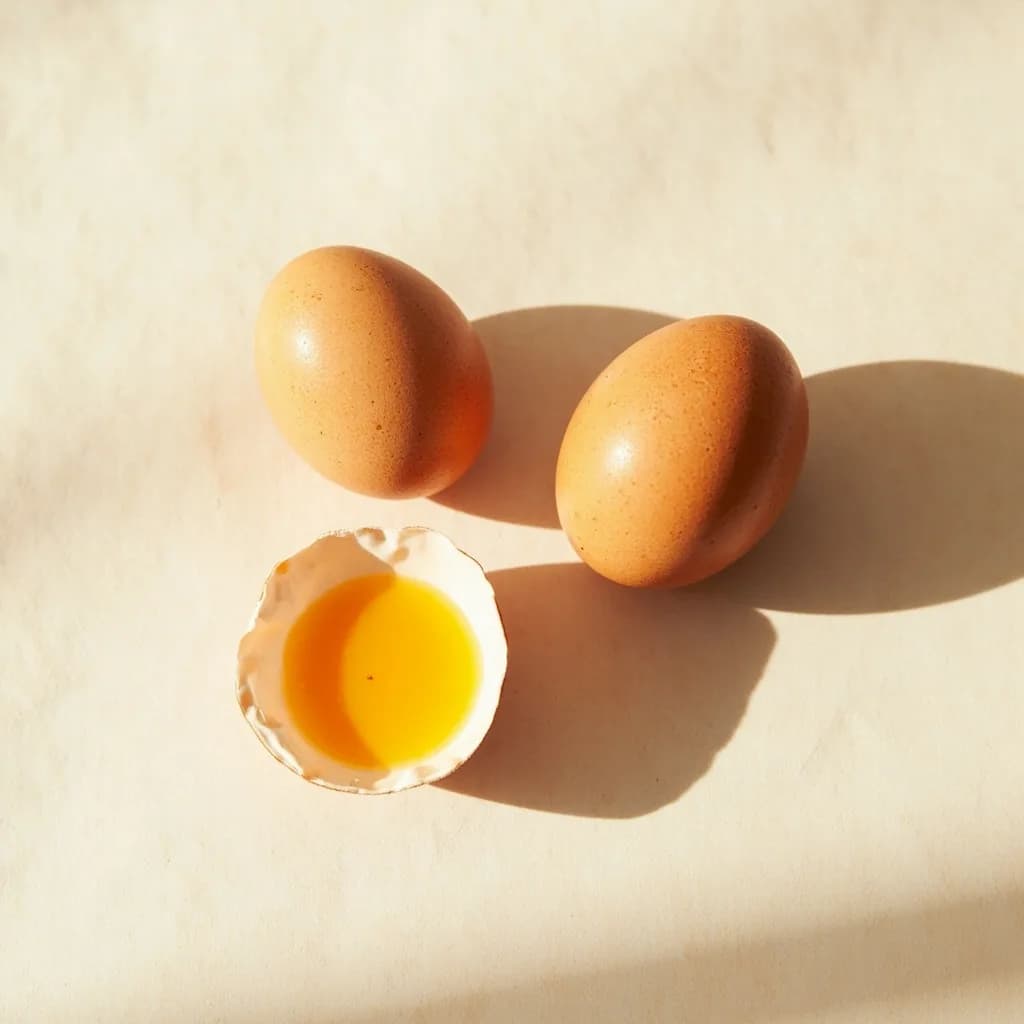
Egg
The kitchen's everything ingredient — bind, leaven, enrich, or fry
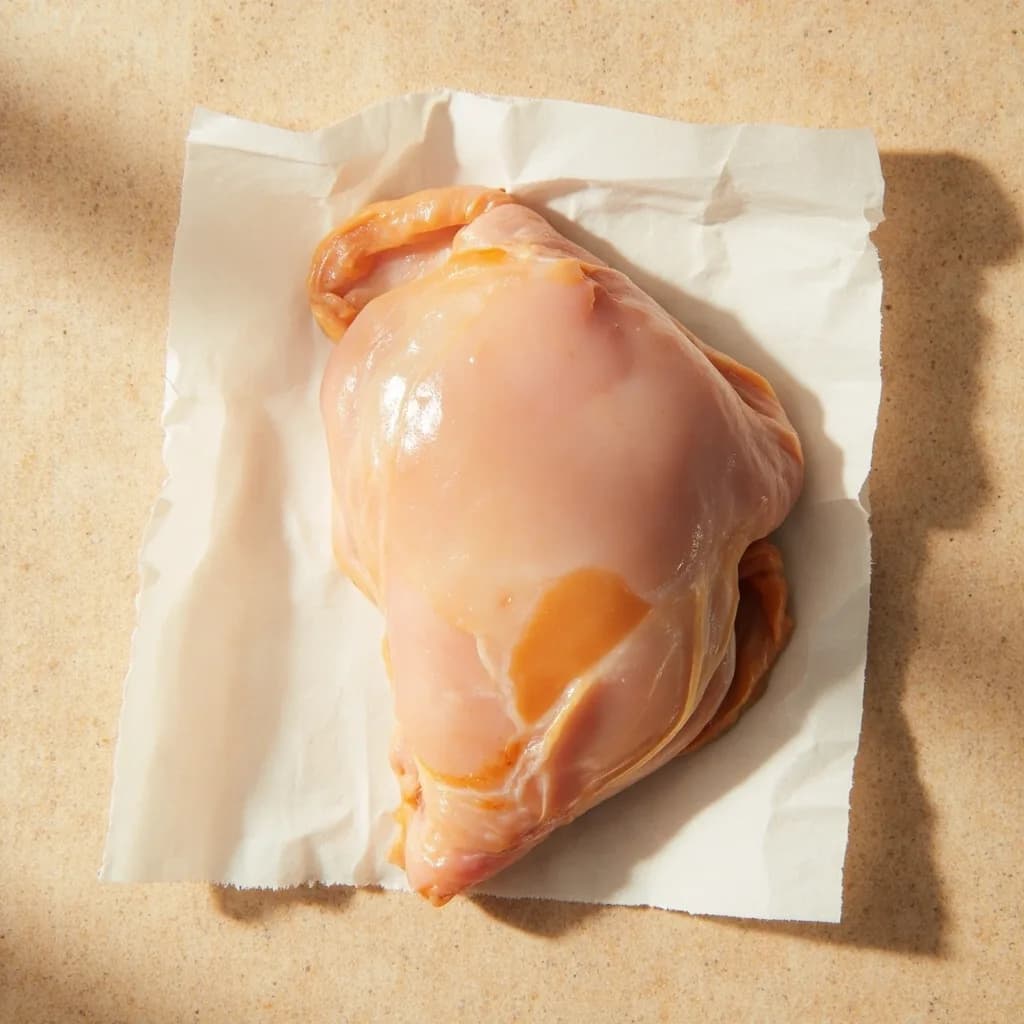
Chicken Breast
Lean, quick-cooking white meat for everyday dinners

Ground Beef
Versatile minced beef for burgers, ragù, tacos, and meatballs
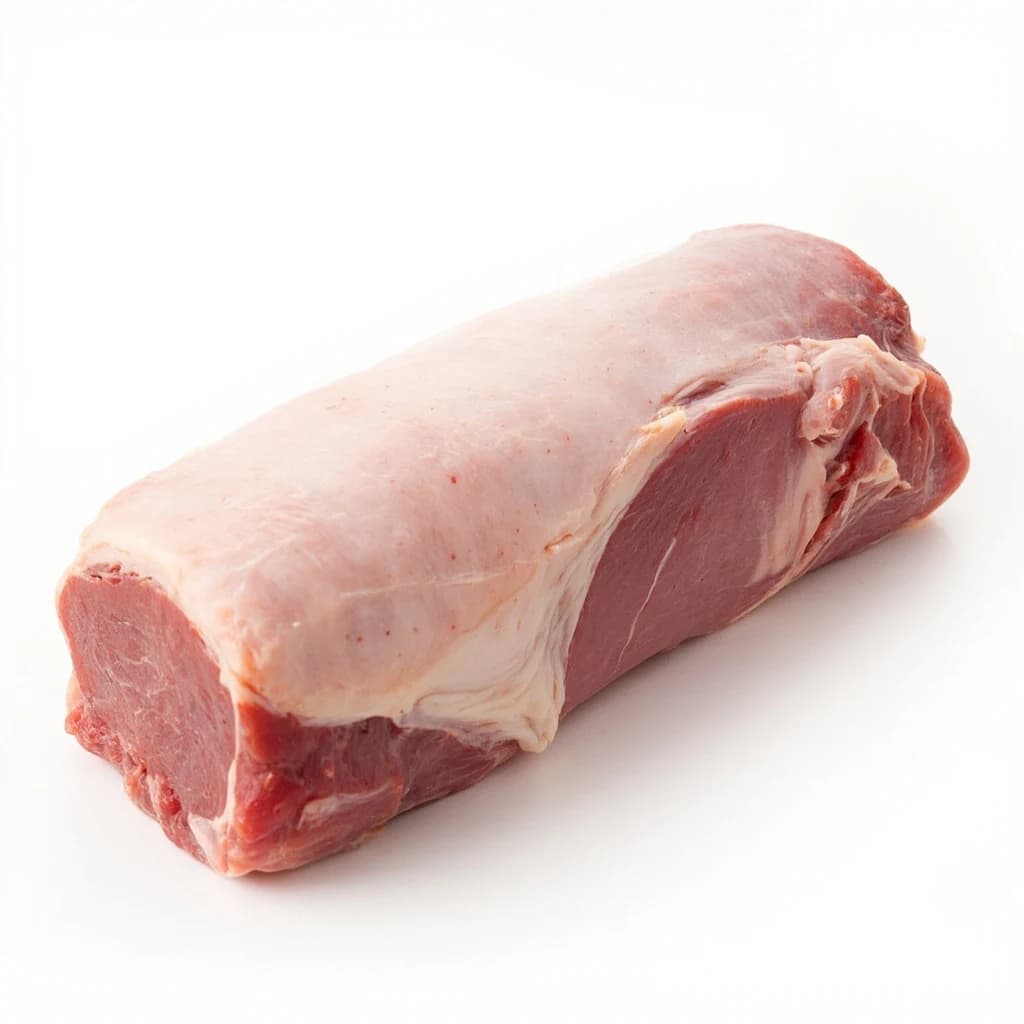
Pork Loin
Lean, tender roasting cut that stays juicy with care
Salmon
Rich, rosy fish that roasts, grills, or cures beautifully

Egg White
Pure protein that whips to airy peaks for meringue and more
Egg Yolk
Rich, golden yolk for custards, mayonnaise, and pasta

Quail Egg
Tiny, speckled eggs for garnishing and elegant bites