
Natural form
A whole fresh mahi-mahi showing its distinctive iridescent blue-green and gold coloring.
Teaches the reader to identify the fish by its unmistakable coloration, body shape, and blunt forehead before any processing occurs.
Proteins
Mahi-Mahi
Firm, lean tropical fish with mild sweet flesh, great grilled or pan-seared.
Mahi-mahi is a firm, lean tropical fish with mildly sweet flesh that cooks up moist and meaty. Despite the alternate name dolphin fish it is unrelated to mammals; it is grilled, blackened, pan-seared, or used in fish tacos and ceviche. Its sturdy texture holds together well on the grill and in bold marinades.
Mahi-mahi is a tropical offshore game fish prized in kitchens for its remarkably firm, dense flesh and clean, mildly sweet flavor. Despite sharing the name "dolphinfish" with marine mammals (a source of endless consumer confusion that has led several U.S. states to push for labeling it as "Dorado"), when cut fresh, the flesh ranges from pinkish-beige to off-white with a coarse, open grain that separates into satisfyingly large flakes when cooked. This firm, steak-like texture sets it apart from most white fish and makes it one of the few ocean fish that genuinely holds up to high-heat grilling without falling apart on the grates or turning rubbery. The flesh cooks to an opaque white or light beige, making it easy to judge doneness visually.
The fish is one of the fastest-growing in the ocean, reaching sexual maturity in just 4–5 months, which makes it a relatively sustainable choice when sourced from well-managed fisheries. Its Hawaiian name, "mahi mahi," translates to "strong strong" in reference to its powerful fighting ability when caught on a line. The fish's vibrant iridescent blue and yellow coloration fades rapidly after capture; the brightness of these colors at market is a reliable freshness indicator. In the kitchen, its mildness welcomes bold marinades and aggressive seasoning while its texture stands up to charring, blackening, and extended sauce contact without disintegrating. This combination of forgiveness and flexibility makes it an excellent choice for cooks who want a fish that behaves predictably under the sometimes chaotic conditions of a home kitchen.
On the plate, mahi-mahi delivers about 23 grams of lean protein per 3-ounce serving, along with selenium, potassium, and B vitamins, while remaining low in fat. Its moderate mercury levels mean it is safe for regular consumption by most adults, though pregnant women and children should follow EPA guidelines limiting intake. At roughly 40–50% yield after filleting and skinning, it offers decent value in the mid-range price tier, typically running $14–$22 per pound for fresh fillets in U.S. markets.
- Measured in
- g
- Storage
- Fridge
Allergens
Types & varieties
Primary commercial species; grows to 88 lbs; accounts for nearly all market supply
Smaller species, typically under 10 lbs; less common commercially; same flavor profile and culinary uses
Cuts and How to Choose Them
Mahi-mahi appears in three primary market forms, each suited to different cooking methods. Fillets (skin-on or skinless) are the most versatile, working for pan-searing, blackening, ceviche, and baking. Loins are center-cut sections from the thickest part of the fish, offering uniform thickness that promotes even cooking—ideal for grilling or oven roasting. Steaks are cross-section cuts about 1–1.5 inches thick, including a section of spine for moisture and flavor conduction; they are more forgiving than fillets on the grill because the bone helps prevent the center from overcooking before the exterior is done. When selecting fresh mahi-mahi, look for flesh that is moist and glossy with no browning or drying at the edges. The skin, when present, should still show traces of iridescent color. Avoid any fish with a pronounced fishy odor, which indicates staleness.
- Fillets: most common; skin-on preferred for grilling and pan-searing to protect the flesh during cooking
- Loins: center-cut, uniform thickness; best for grilling and roasting where even doneness matters
- Steaks: bone-in cross-cuts; most forgiving for high-heat cooking; the bone conducts heat and prevents dry center
Cooking Behavior and Doneness
Mahi-mahi is unusually cooperative for a fish, but it does have a narrow window between properly cooked and overcooked. The flesh naturally retains some transparency near the bone even when fully done, so visual cues alone are unreliable. The most practical approach is to pull the fish from heat about 5°F below the target temperature (140°F) and allow carryover cooking to finish the job. Expect 2–3 minutes of continued cooking after removal. Overcooked mahi-mahi becomes tough and dry because it lacks the intra-muscular fat that lubricates other fish when heated. Unlike salmon or tuna, there is no margin for error from a fat reserve—once the moisture cooks out, the texture turns stringy and unpleasant. A probe thermometer inserted into the thickest part of the flesh is the most reliable tool for monitoring doneness.
- Cook to 145°F internal, but remove from heat at 140°F to account for carryover cooking
- Test thickest section: it should feel firm with slight resistance, not springy or soft
- Avoid pressing the flesh with a fork or spatula to check doneness—this squeezes out moisture
- Covering fish during rest creates steam that turns any seared crust soggy; let it rest uncovered
Common uses
Tips & pitfalls
- Score the skin diagonally before grilling to prevent curling and ensure even heat distribution through the thick center
- Oil both the fish and the grill grates liberally—the thin skin sticks easily to bare metal
- Cook over high heat but remove from heat just before the fish reaches 145°F; carryover cooking finishes it for 2–3 minutes off heat
- Do not cover mahi-mahi while resting; steam trapped under foil destroys any seared crust
- For blackening, use cast iron and ensure the pan is ripping hot—smoke the spice rub, do not steam it
- For ceviche, cut fish into 1/2-inch cubes and refrigerate in acid for at least 2 hours; the citrus chemically "cooks" the fish as proteins denature
- Pat fillets completely dry before cooking to achieve a golden sear rather than a steamed gray surface
- Use a fish spatula (thin, flexible metal) to flip without breaking; the flesh can stick to utensils if improperly handled
- Steaks are more forgiving than fillets for grilling—the bone conducts heat and prevents overcooking the center
- Add fresh mahi-mahi to stir-fries in the last 2 minutes of cooking; extended heat turns it tough and dry
Nutrition
Energy
519 kJ · per 100 g
Where the calories come from
Protein
20g
40% DV
Carbs
0g
0% DV
Fat
4.2g
5% DV
Fiber
0g
0% DV
Sodium
60mg
3% DV
Source · USDA FoodData Central · approx. Fish, bluefish, raw
View on FDC →In the shops
Matched grocery products
No matched grocery products for Mahi-Mahi yet.
Good to know
- Also Known As
- Dolphinfish, Dorado (not related to marine mammals)
- Scientific Name
- Coryphaena hippurus
- Flavor Profile
- Mild, sweet, clean; slight briny oceanic taste
- Texture
- Firm, dense, and lean with large flakes; holds together well when cooked
- Safe Internal Temp
- 145°F (63°C) per USDA guidelines
- Shelf Life
- 1–2 days refrigerated; 3–6 months frozen (vacuum-sealed)
- Mercury Level
- Moderate; EPA recommends limiting consumption for pregnant women and children
- Edible Yield
- Approximately 40–50% after filleting and skinning
- Typical Cost
- $14–$22 per lb for fresh fillets in U.S. markets
- Sustainability
- Fast growth rate supports sustainable fisheries; look for MSC-certified or NOAA Fish Watch verified sources
Substitutes
- Wahoo (Ono) — Nearly identical texture and mild flavor; slightly firmer; excellent 1:1 substitute in any preparation
- Swordfish — Firmer texture, stronger flavor; best for grilling and kebabs where the fish stands alone
- Yellowfin Tuna — Similar density and mild taste; excellent for ceviche and raw applications; avoid for heavily sauced dishes where texture difference shows
- Sea Bass (Striped or Chilean) — Milder flavor, slightly softer texture; works well in baked or poached preparations
- Halibut — Lean, firm, and mild; cook to 130–135°F maximum to avoid drying out; good for pan-searing
- Amberjack — Fattier and more strongly flavored; holds up well to high-heat cooking; reduce cooking time slightly
Pairs with
Also called
Dolphin Fish · Dorado
Appears in these dishes
Related
Egg
The kitchen's everything ingredient — bind, leaven, enrich, or fry
Chicken Breast
Lean, quick-cooking white meat for everyday dinners

Ground Beef
Versatile minced beef for burgers, ragù, tacos, and meatballs
Pork Loin
Lean, tender roasting cut that stays juicy with care
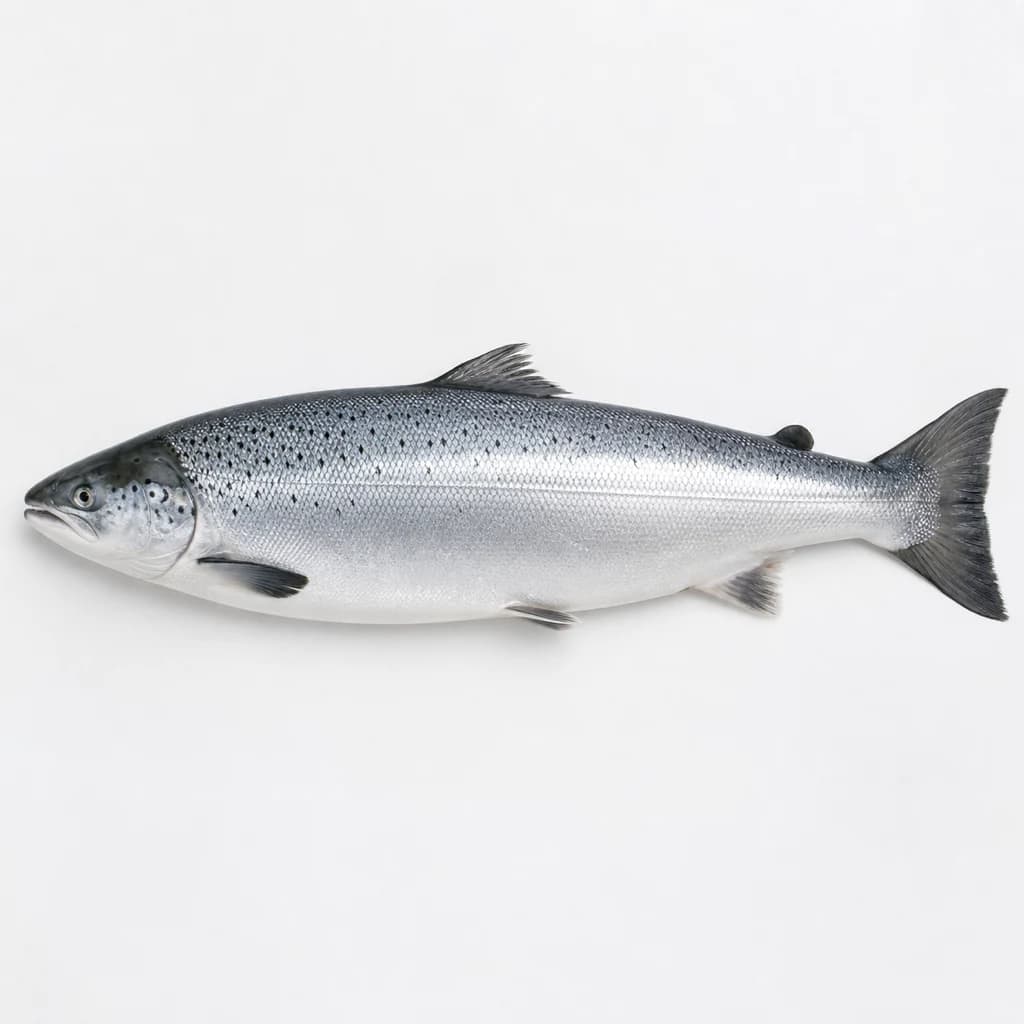
Salmon
Rich, rosy fish that roasts, grills, or cures beautifully

Egg White
Pure protein that whips to airy peaks for meringue and more
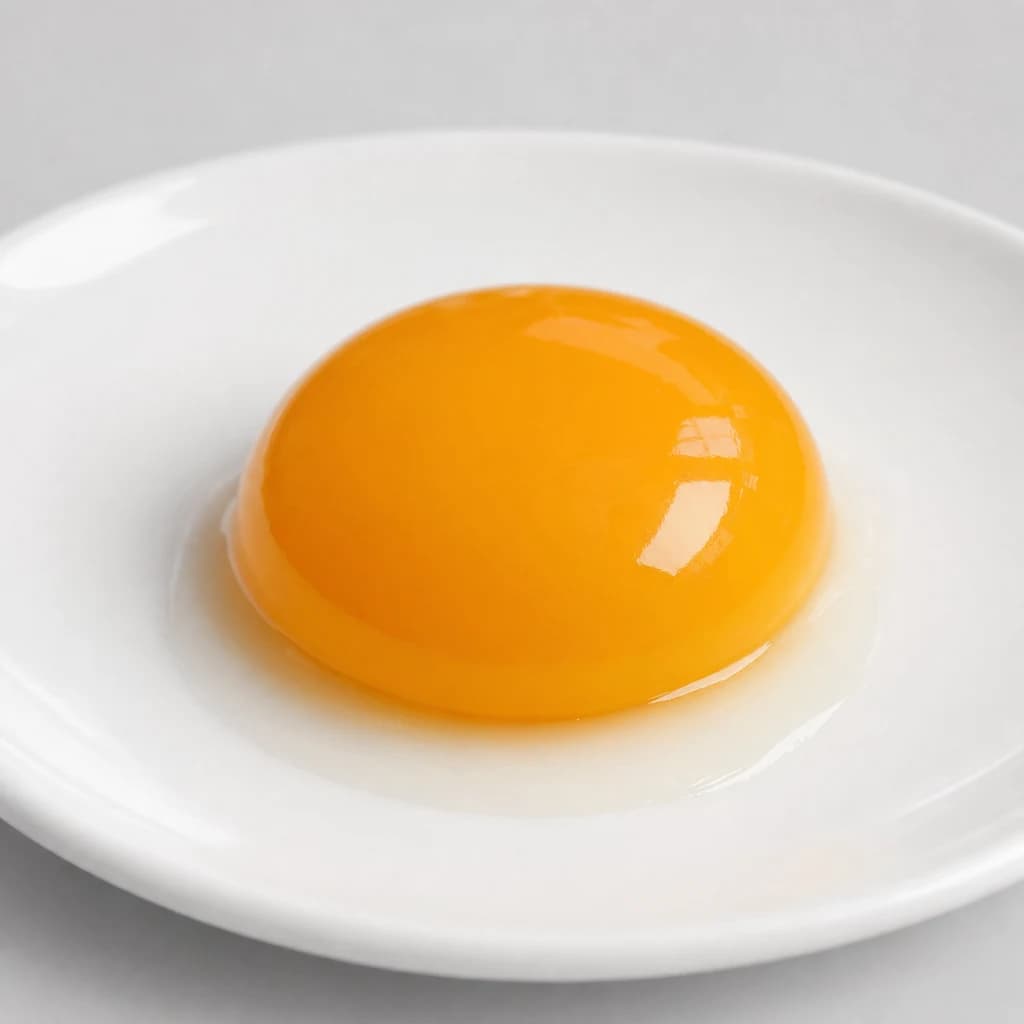
Egg Yolk
Rich, golden yolk for custards, mayonnaise, and pasta

Quail Egg
Tiny, speckled eggs for garnishing and elegant bites